
The checkout process represents a critical conversion point in online retail, where customer decisions to complete or abandon purchases are frequently made. Guest checkout functionality eliminates the requirement for account creation, thereby reducing barriers to purchase completion. This streamlined approach directly addresses cart abandonment issues that commonly arise when customers encounter mandatory registration processes.
Research indicates that simplified checkout procedures correlate with improved conversion rates. The guest checkout option removes the cognitive load associated with password creation and account management, allowing customers to focus solely on transaction completion. This reduction in process complexity particularly benefits time-sensitive shoppers and those making infrequent purchases who may not perceive value in account creation.
The implementation of guest checkout options serves multiple business objectives beyond immediate conversion improvement. It accommodates diverse customer preferences regarding privacy and account management while demonstrating organizational commitment to user experience optimization. This accessibility can contribute to positive brand perception and may influence future purchasing decisions, even among customers who initially chose not to create accounts.
The flexibility inherent in offering both guest and registered checkout options positions retailers to capture a broader range of customer segments with varying preferences for online engagement.
Key Takeaways
- Guest checkout enhances user convenience by eliminating the need for account creation, reducing friction during purchase.
- Implementing guest checkout requires simple, clear design and minimal required information to streamline the process.
- Avoiding forced logins addresses shopper frustrations, leading to higher satisfaction and fewer abandoned carts.
- Balancing security measures with ease of use is crucial to protect users while maintaining a smooth checkout experience.
- Mobile shopping trends are driving the evolution of guest checkout, emphasizing speed and simplicity for on-the-go consumers.
How to Implement Guest Checkout on Your Website
Implementing guest checkout on your website is a strategic move that requires careful planning and execution. First, you need to assess your current checkout process and identify where you can streamline it. This may involve simplifying forms, reducing the number of required fields, and ensuring that the guest checkout option is clearly visible.
You want to make it as easy as possible for customers to find and use this feature. Consider placing a prominent button or link that directs users to the guest checkout option right on your shopping cart page. Next, you should ensure that your website’s backend can handle guest transactions efficiently.
This means integrating your payment processing system with your inventory management and customer relationship management tools. By doing so, you can maintain accurate records of sales while still allowing customers to check out without creating an account. Additionally, consider implementing features like email receipts for guest checkouts, which can help you maintain communication with customers even if they don’t create an account.
This way, you can encourage them to return for future purchases while respecting their desire for a quick and easy shopping experience.
The Importance of Avoiding Logins for Some Shoppers

For many shoppers, the thought of creating an account can be a significant deterrent when making online purchases. You may have noticed that some customers abandon their carts at the login page, frustrated by the requirement to register before completing their transactions.
By avoiding mandatory logins, you cater to these shoppers’ preferences and increase the likelihood that they will complete their purchases. Additionally, avoiding logins can help you tap into a broader audience. Many consumers are wary of sharing personal information online due to privacy concerns.
By offering a guest checkout option, you provide a solution that respects their desire for anonymity while still allowing them to enjoy your products or services. This approach not only enhances the shopping experience but also builds trust with your customers, showing them that you prioritize their comfort and security.
Understanding the Frustrations of Forced Logins
Forced logins can create significant frustration for online shoppers, often leading to abandoned carts and lost sales. You might have experienced this yourself—after spending time selecting items, you reach the checkout page only to be met with a request for account creation.
Understanding this frustration is crucial for improving your website’s user experience. Moreover, forced logins can lead to negative perceptions of your brand. Customers may view your site as overly complicated or untrustworthy if they feel pressured to create an account before making a purchase.
This perception can deter potential buyers from returning in the future. By recognizing these frustrations and addressing them through guest checkout options, you can create a more positive shopping environment that encourages repeat business and fosters customer loyalty.
Tips for Streamlining the Checkout Process
| Metric | Description | Typical Value / Range | Impact on User Experience |
|---|---|---|---|
| Guest Checkout Usage Rate | Percentage of users who complete checkout without creating an account or logging in | 30% – 70% | Higher rates indicate easier and faster checkout process |
| Cart Abandonment Rate | Percentage of users who add items to cart but do not complete purchase | 40% – 80% | Lower rates suggest guest checkout reduces friction |
| Average Checkout Time | Time taken from cart to order confirmation | 2 – 5 minutes | Guest checkout typically reduces checkout time |
| Repeat Purchase Rate | Percentage of customers who return to make another purchase | 20% – 40% | May be lower for guest checkout users due to lack of account |
| Conversion Rate | Percentage of visitors who complete a purchase | 1% – 5% | Guest checkout can increase conversion by reducing barriers |
| User Satisfaction Score | Customer feedback rating on checkout experience (scale 1-10) | 7 – 9 | Guest checkout often improves satisfaction by simplifying process |
To enhance the guest checkout experience on your website, consider implementing several strategies aimed at streamlining the process. First and foremost, minimize the number of required fields in your checkout form. Only ask for essential information such as shipping address and payment details.
The fewer barriers you place in front of customers, the more likely they are to complete their purchases. You might also consider using autofill options for returning customers or integrating with payment platforms like PayPal or Apple Pay to expedite transactions. Another effective strategy is to provide clear progress indicators during the checkout process.
Letting customers know how many steps are left until completion can alleviate anxiety and encourage them to continue through the process. Additionally, ensure that your website is mobile-friendly; many shoppers use their smartphones for online purchases, and a seamless mobile experience is crucial for capturing this audience. By focusing on these elements, you can create a more efficient and enjoyable checkout experience that keeps customers coming back.
The Impact of Guest Checkout on Conversion Rates
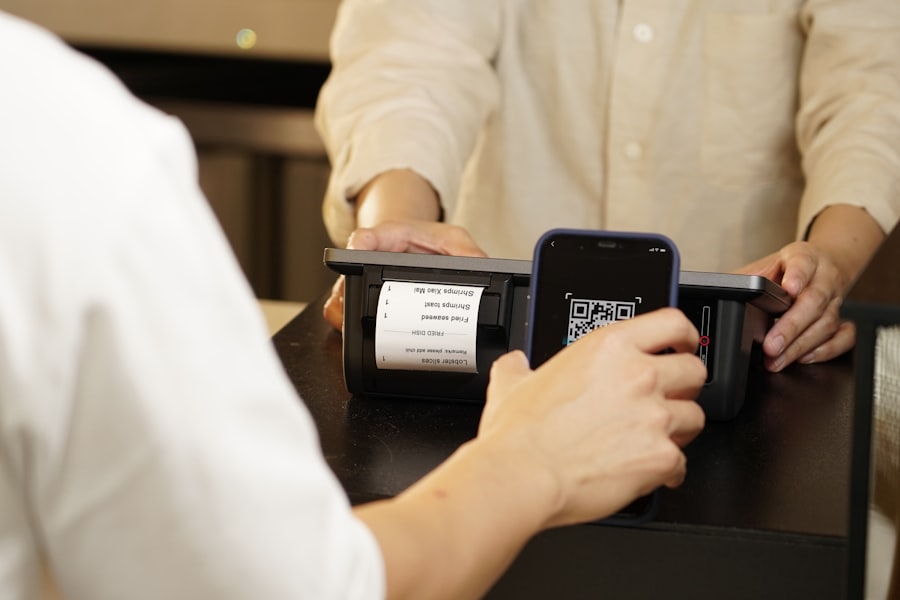
The impact of guest checkout on conversion rates cannot be overstated. When you offer this option, you significantly reduce the barriers that often lead to cart abandonment. Studies have shown that websites with guest checkout options tend to see higher conversion rates compared to those that require account creation.
You may find that by simply allowing customers to check out as guests, you can increase sales and improve overall customer satisfaction. Furthermore, guest checkout can lead to increased average order values. When customers feel confident in their ability to make quick purchases without unnecessary hurdles, they may be more inclined to add additional items to their carts.
This behavior not only boosts your conversion rates but also enhances your bottom line. By prioritizing guest checkout, you create an environment where customers feel empowered to shop freely and confidently.
Balancing Security with User Convenience
While offering guest checkout is essential for enhancing user convenience, it’s equally important to maintain robust security measures. You want your customers to feel safe when making purchases on your site, even if they are not required to create an account. Implementing secure payment gateways and SSL certificates is crucial in building trust with your shoppers.
You should also consider offering options like two-factor authentication for those who do choose to create accounts in the future. Balancing security with convenience means being transparent about how you handle customer data during guest checkouts. Clearly communicate your privacy policies and reassure customers that their information will be protected.
By demonstrating your commitment to security while still providing a seamless shopping experience, you can foster trust and encourage more customers to take advantage of your guest checkout option.
Case Studies of Successful Guest Checkout Implementation
Examining case studies of successful guest checkout implementations can provide valuable insights into best practices and strategies that work effectively in real-world scenarios. For instance, major retailers like Amazon have long recognized the importance of simplifying the checkout process by offering guest options alongside account creation incentives. Their approach has led to increased sales and customer retention rates, showcasing how effective this strategy can be when executed well.
Another example is Walmart’s online shopping platform, which has successfully integrated guest checkout features while maintaining high levels of security and user satisfaction. By analyzing these case studies, you can glean ideas on how to tailor your own guest checkout process to meet the needs of your target audience while maximizing conversion rates.
How to Encourage Guest Checkout Without Deterring Account Creation
While promoting guest checkout is essential for capturing immediate sales, it’s also important not to deter potential account creation altogether. One effective strategy is to highlight the benefits of creating an account without making it mandatory during the checkout process. For example, after completing a purchase as a guest, you could prompt customers with incentives such as discounts on future orders or exclusive access to promotions if they choose to sign up.
Additionally, consider implementing a simple opt-in feature during the guest checkout process where customers can easily create an account after completing their purchase without having to re-enter their information. This approach allows you to capture valuable customer data while still respecting their initial preference for convenience.
The Role of Mobile Shopping in Guest Checkout Trends
As mobile shopping continues to rise in popularity, understanding its role in guest checkout trends is crucial for optimizing your online store’s performance. Many consumers prefer using their smartphones for shopping due to convenience and accessibility; therefore, ensuring that your mobile site offers a seamless guest checkout experience is paramount. You should prioritize responsive design and fast loading times so that mobile users can navigate through the checkout process effortlessly.
Moreover, integrating mobile payment options such as Apple Pay or Google Pay can further enhance the guest checkout experience on mobile devices. These payment methods allow users to complete transactions quickly without needing extensive input or account creation, aligning perfectly with the preferences of today’s on-the-go shoppers.
Future Trends in Guest Checkout and Login Avoidance
Looking ahead, several trends are likely to shape the future of guest checkout and login avoidance in e-commerce. One emerging trend is the increasing use of biometric authentication methods such as fingerprint scanning or facial recognition technology during the checkout process. These innovations could provide a secure yet convenient alternative for users who prefer not to create accounts while still ensuring their data remains protected.
Additionally, advancements in artificial intelligence may lead to more personalized shopping experiences without requiring users to log in. AI-driven recommendations based on browsing history could enhance guest checkouts by suggesting relevant products while maintaining user anonymity. As technology continues to evolve, staying ahead of these trends will be essential for businesses looking to optimize their online shopping experiences and cater effectively to consumer preferences.
In conclusion, embracing guest checkout options is not just about convenience; it’s about understanding consumer behavior and adapting your e-commerce strategies accordingly. By implementing effective guest checkout processes while balancing security and user experience, you position your business for success in an increasingly competitive online marketplace.
If you’re looking to enhance your e-commerce experience by allowing customers to make purchases without the hassle of creating an account, you might find the article on guest checkout options particularly useful. It discusses the benefits of streamlining the purchasing process and how it can lead to increased sales. For more insights, check out this related article: How Wealth Grows.
WATCH THIS! 💰 STOP Apps Are Stealing $1,000 From You Every Year—Here’s Proof & The 30-Day Fix
FAQs
What is guest checkout?
Guest checkout is a feature on e-commerce websites that allows customers to make a purchase without creating an account or logging in.
Why do websites offer guest checkout?
Websites offer guest checkout to simplify the buying process, reduce friction, and encourage more customers to complete their purchases quickly.
How does guest checkout avoid logins?
Guest checkout bypasses the need for users to enter a username and password by allowing them to provide only essential information like shipping and payment details.
Are there any disadvantages to using guest checkout?
Yes, using guest checkout means you may not have access to order history, faster future checkouts, or personalized offers that come with having an account.
Is guest checkout secure?
Guest checkout is generally secure as long as the website uses proper encryption and security measures to protect your payment and personal information.
Can I save my information for future purchases if I use guest checkout?
Typically, no. Guest checkout does not save your information for future use unless you create an account or opt-in to save details.
Do all e-commerce sites offer guest checkout?
No, not all e-commerce sites offer guest checkout; some require account creation to complete a purchase.
How can guest checkout improve the shopping experience?
Guest checkout improves the shopping experience by speeding up the process, reducing barriers to purchase, and catering to customers who prefer not to create accounts.
Can I track my order if I use guest checkout?
Yes, most sites provide order tracking via email confirmation or order number, even if you use guest checkout.
Is guest checkout suitable for all types of purchases?
Guest checkout is suitable for most standard purchases but may not be available for subscriptions, digital downloads, or services requiring account management.