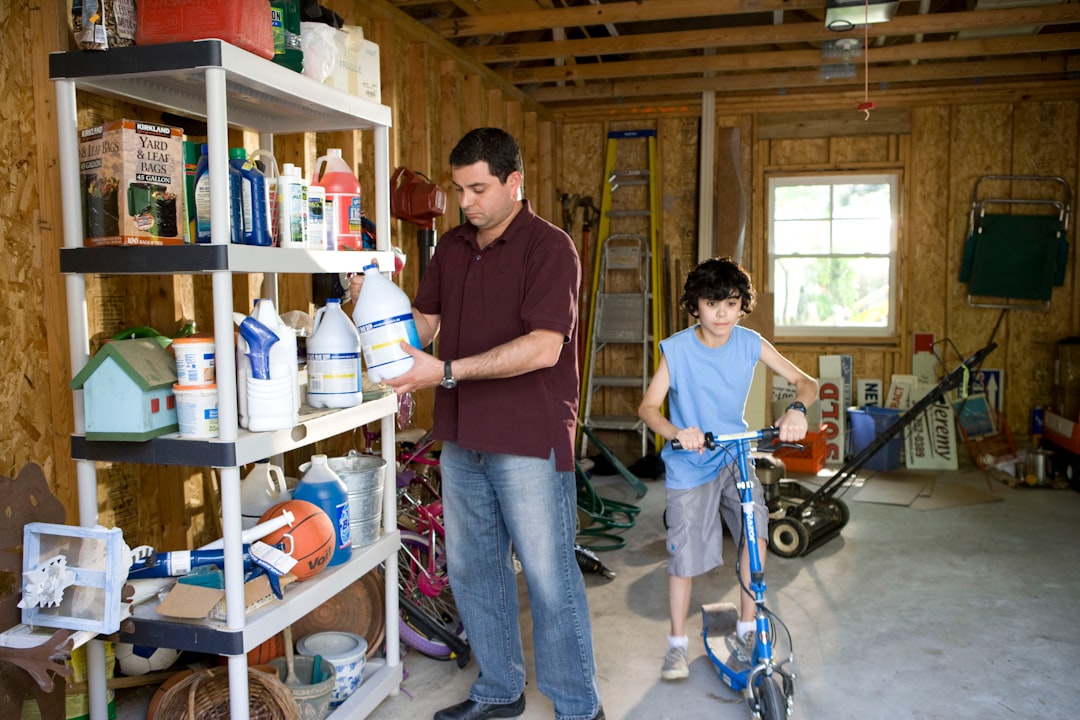
In daily life, individuals encounter numerous chemicals within their homes. Household environments contain a wide range of chemical substances in cleaning products and personal care items. While these products are designed for convenience, they may present health risks without proper handling.
Understanding household chemical exposure is essential for maintaining safety in living spaces. Many regularly used household products contain ingredients that serve their intended purpose effectively but may cause unintended health effects. Recognizing these chemicals and their potential hazards represents an important first step toward creating a healthier home environment.
Education about household chemical exposure enables informed decision-making that can protect both personal health and the wellbeing of family members.
Key Takeaways
- Household chemicals pose various health risks, especially to vulnerable groups like children and the elderly.
- Proper storage, handling, and ventilation are crucial to minimize exposure and maintain indoor air quality.
- Understanding product labels and safety data sheets helps in safely using and managing household chemicals.
- Choosing safer alternatives can reduce harmful effects and environmental impact.
- Being prepared for emergencies and knowing when to seek medical help is essential for effective response to chemical exposure.
Common Household Chemicals and Their Risks
You might be surprised to learn that many common household items contain chemicals that can be harmful if misused or overexposed. For instance, cleaning agents such as bleach and ammonia are staples in many homes, but they can produce toxic fumes when mixed together. Similarly, air fresheners and scented candles often contain volatile organic compounds (VOCs) that can contribute to indoor air pollution.
These substances may provide a pleasant aroma but can also lead to respiratory issues and other health problems. In addition to cleaning products, personal care items like shampoos, lotions, and cosmetics often contain a cocktail of chemicals that may not be immediately recognizable. Parabens, phthalates, and synthetic fragrances are just a few examples of ingredients that can disrupt hormonal balance and lead to long-term health concerns.
By familiarizing yourself with these common household chemicals and their associated risks, you can take proactive steps to minimize your exposure and protect your health.
Health Effects of Household Chemical Exposure
The health effects of household chemical exposure can vary widely depending on the type of chemical, the level of exposure, and individual susceptibility. Short-term exposure to certain chemicals may result in immediate symptoms such as headaches, dizziness, or skin irritation. For example, inhaling fumes from strong cleaning agents can lead to respiratory distress or allergic reactions.
In some cases, these symptoms may resolve quickly once you leave the area or cease using the product. However, long-term exposure to hazardous chemicals can have more serious consequences. Chronic exposure to certain substances has been linked to conditions such as asthma, reproductive issues, and even cancer.
For instance, prolonged use of products containing formaldehyde or benzene can increase your risk of developing serious health problems over time. Understanding these potential health effects is essential for making informed choices about the products you bring into your home and how you use them.
Vulnerable Populations and Household Chemical Exposure
Certain populations are more vulnerable to the effects of household chemical exposure than others. Children, for example, are particularly susceptible due to their developing bodies and higher rates of metabolism. They often spend more time on the floor or in close proximity to surfaces that may be contaminated with harmful chemicals.
Additionally, pregnant women must be cautious about their exposure to certain substances, as some chemicals can affect fetal development. Elderly individuals and those with pre-existing health conditions also face increased risks when it comes to household chemical exposure. Their immune systems may be compromised, making it harder for them to detoxify harmful substances.
By recognizing these vulnerable populations within your household or community, you can take extra precautions to ensure their safety and well-being.
Prevention of Household Chemical Exposure
| Household Chemical | Common Sources | Exposure Route | Health Risks | Precautionary Measures |
|---|---|---|---|---|
| Formaldehyde | Cleaning products, pressed wood furniture | Inhalation, skin contact | Respiratory irritation, asthma, cancer risk | Use in well-ventilated areas, avoid prolonged exposure |
| Phthalates | Air fresheners, plastic containers | Inhalation, ingestion | Endocrine disruption, reproductive issues | Choose phthalate-free products, avoid plastic heating |
| Volatile Organic Compounds (VOCs) | Paints, varnishes, cleaning agents | Inhalation | Headaches, dizziness, long-term organ damage | Use low-VOC products, ensure proper ventilation |
| Ammonia | Glass cleaners, floor cleaners | Inhalation, skin contact | Respiratory irritation, burns | Wear gloves, avoid mixing with bleach |
| Chlorine Bleach | Disinfectants, laundry bleach | Inhalation, skin contact | Respiratory issues, skin burns, toxic fumes if mixed | Use in well-ventilated areas, never mix with ammonia |
| Lead | Old paint, plumbing pipes | Ingestion, inhalation of dust | Neurological damage, developmental delays | Test and remove lead paint, avoid dust exposure |
Preventing household chemical exposure begins with awareness and education. You can start by evaluating the products you currently use in your home. Take stock of your cleaning supplies, personal care items, and any other products that may contain harmful chemicals.
Once you have a clear understanding of what you have on hand, consider replacing high-risk items with safer alternatives. Another effective strategy is to adopt safer cleaning practices. For instance, using vinegar and baking soda as natural cleaning agents can reduce your reliance on harsh chemicals while still achieving effective results.
Additionally, implementing simple habits such as wearing gloves when handling cleaning products or ensuring proper ventilation while using them can significantly decrease your risk of exposure.
Safe Storage and Handling of Household Chemicals
Proper storage and handling of household chemicals are essential for minimizing the risk of accidental exposure or poisoning. You should always store chemicals in their original containers with labels intact to avoid confusion about their contents. Keeping these products out of reach of children and pets is crucial; consider using childproof locks on cabinets where hazardous substances are stored.
When handling household chemicals, it’s important to follow safety guidelines outlined on product labels. This includes wearing protective gear such as gloves or masks when necessary and ensuring adequate ventilation in the area where you are using the product. By taking these precautions seriously, you can create a safer environment for yourself and those around you.
Choosing Safer Alternatives to Household Chemicals
As you become more aware of the risks associated with traditional household chemicals, you may want to explore safer alternatives that are just as effective but less harmful. Many companies now offer eco-friendly cleaning products made from natural ingredients that are biodegradable and non-toxic. These alternatives often perform just as well as their chemical-laden counterparts without posing significant health risks.
You might also consider making your own cleaning solutions using simple ingredients like vinegar, baking soda, and essential oils. Not only are these homemade solutions often more affordable, but they also allow you to control what goes into your cleaning products. By opting for safer alternatives, you contribute to a healthier home environment while reducing your ecological footprint.
Proper Ventilation and Air Quality in the Home
Maintaining proper ventilation is crucial for ensuring good air quality in your home, especially when using household chemicals. Poor ventilation can lead to the accumulation of harmful fumes and particles in the air, increasing your risk of respiratory issues and other health problems. To improve air quality, open windows whenever possible while using cleaning products or cooking.
You might also consider investing in air purifiers equipped with HEPA filters that can capture airborne pollutants and allergens. Regularly changing HVAC filters and ensuring that exhaust fans are functioning properly can further enhance indoor air quality. By prioritizing ventilation and air quality in your home, you create a healthier living space for yourself and your family.
Understanding Labels and Safety Data Sheets for Household Chemicals
Understanding product labels and Safety Data Sheets (SDS) is essential for safely using household chemicals. Labels provide important information about the contents of a product, including potential hazards and instructions for safe use. Familiarizing yourself with this information allows you to make informed decisions about which products to use and how to handle them safely.
Safety Data Sheets offer more detailed information about specific chemicals used in products, including their physical properties, health hazards, and recommended safety precautions. You should always read these documents before using a new product to ensure that you are aware of any potential risks associated with it. By taking the time to understand labels and SDSs, you empower yourself to use household chemicals safely and responsibly.
Emergency Preparedness for Household Chemical Exposure
Despite your best efforts to minimize exposure to household chemicals, accidents can still happen. Being prepared for emergencies related to chemical exposure is essential for ensuring the safety of everyone in your home. You should have a plan in place for responding to accidental spills or exposures, including knowing how to contact poison control or emergency services if needed.
Additionally, keeping a well-stocked first aid kit that includes items specifically for chemical exposure—such as activated charcoal—can be beneficial in case of an emergency. Familiarize yourself with the symptoms of chemical poisoning so that you can act quickly if someone in your household experiences adverse effects from exposure.
Seeking Medical Help for Household Chemical Exposure
If you suspect that you or someone in your household has been exposed to harmful chemicals, seeking medical help promptly is crucial. Symptoms may vary depending on the type of chemical involved but could include difficulty breathing, skin irritation, or gastrointestinal distress. Don’t hesitate to contact a healthcare professional if you have concerns about potential exposure.
When seeking medical help, be prepared to provide information about the specific chemical involved and any symptoms being experienced. This information will assist healthcare providers in determining the best course of action for treatment. By being proactive about seeking medical assistance when needed, you can help mitigate the effects of household chemical exposure on health.
In conclusion, understanding household chemical exposure is vital for maintaining a safe living environment for yourself and your loved ones. By educating yourself about common household chemicals, their risks, and how to prevent exposure, you empower yourself to make informed choices that promote health and well-being within your home.
Household chemical exposure can pose significant health risks, particularly for vulnerable populations such as children and pets. For a deeper understanding of these risks and how to mitigate them, you can read a related article on the topic. For more information, visit this article which discusses various household chemicals and their potential effects on health.
WATCH THIS! 💰 STOP Apps Are Stealing $1,000 From You Every Year—Here’s Proof & The 30-Day Fix
FAQs
What are common household chemicals that pose exposure risks?
Common household chemicals that pose exposure risks include cleaning agents (bleach, ammonia), pesticides, solvents, paints, and air fresheners. These substances can contain toxic ingredients that may cause health problems if inhaled, ingested, or come into contact with skin.
How can household chemical exposure affect health?
Exposure to household chemicals can cause a range of health effects, from mild irritation of the skin, eyes, and respiratory tract to more severe outcomes such as chemical burns, poisoning, allergic reactions, and long-term effects like respiratory diseases or neurological damage.
What are the main routes of exposure to household chemicals?
The main routes of exposure include inhalation of fumes or dust, skin contact, ingestion (accidental swallowing), and eye contact. Inhalation and skin contact are the most common ways people are exposed to household chemicals.
Who is most at risk from household chemical exposure?
Children, pregnant women, elderly individuals, and people with pre-existing health conditions are generally more vulnerable to the harmful effects of household chemical exposure due to their developing or weakened immune systems.
How can I reduce the risks of household chemical exposure?
To reduce risks, always read and follow product labels, use chemicals in well-ventilated areas, wear protective gloves and masks if necessary, store chemicals out of reach of children, and never mix different chemicals together.
What should I do if someone is exposed to a harmful household chemical?
If exposure occurs, immediately remove the person from the source of exposure, rinse affected skin or eyes with plenty of water, and seek medical attention if symptoms are severe or persistent. For ingestion, do not induce vomiting unless instructed by a medical professional or poison control center.
Are natural or homemade cleaning products safer alternatives?
Natural or homemade cleaning products can be safer alternatives if made and used properly, but they can still pose risks if misused or if they contain irritants like vinegar or baking soda in high concentrations. Always use caution and test products in small areas first.
How should household chemicals be stored to minimize exposure risks?
Store household chemicals in their original containers with labels intact, keep them in a cool, dry, and well-ventilated area, away from food and out of reach of children and pets. Ensure lids are tightly closed to prevent spills and fumes.
Can household chemical exposure cause long-term health problems?
Yes, prolonged or repeated exposure to certain household chemicals can lead to chronic health issues such as respiratory problems, skin conditions, neurological effects, and in some cases, increased risk of cancer.
Where can I find more information about safe use of household chemicals?
Reliable information can be found through government health agencies, poison control centers, product manufacturers’ safety data sheets (SDS), and reputable health organizations. Always consult these sources for guidance on safe handling and emergency procedures.