
Fragrance phthalates are chemical compounds widely utilized in fragrance and perfume manufacturing as solvents and fixatives that enhance and extend scent longevity. These substances appear in numerous consumer products, including personal care items such as lotions and shampoos, as well as household cleaners and air fresheners. Despite their effectiveness in creating pleasant aromas, fragrance phthalates have generated substantial health and environmental safety concerns.
The application of phthalates extends beyond fragrances to plastics and other materials, where they improve flexibility and durability. In the fragrance industry specifically, their usage remains contentious. Most consumers remain unaware of potential risks associated with the appealing scents in their preferred products.
Understanding the nature and implications of fragrance phthalates is important for informed consumer choices.
Key Takeaways
- Fragrance phthalates are chemicals used to enhance scent longevity in many everyday products.
- These compounds are linked to health risks, including hormonal disruption and potential reproductive issues.
- Identifying fragrance phthalates can be challenging due to limited labeling and regulatory gaps.
- Alternatives to phthalates are emerging, promoting safer and more transparent fragrance formulations.
- Increasing advocacy and consumer awareness are driving efforts to reduce exposure and improve industry transparency.
The Presence of Fragrance Phthalates in Everyday Products
You might be surprised to learn just how prevalent fragrance phthalates are in everyday products. They can be found in a variety of items that you likely use on a daily basis. For instance, personal care products such as deodorants, shampoos, and lotions often contain these chemicals to enhance their scent and improve user experience.
Additionally, household items like air fresheners, scented candles, and cleaning supplies frequently rely on phthalates to deliver long-lasting fragrances. The widespread use of fragrance phthalates means that you may be exposed to them more often than you realize. Even seemingly innocuous products like laundry detergents and fabric softeners can contain these compounds.
As you go about your daily routine, it’s important to recognize that the pleasant scents wafting through your home or clinging to your skin may come with potential health risks. Understanding where these chemicals lurk can empower you to make more informed choices about the products you use.
Health Risks Associated with Fragrance Phthalates
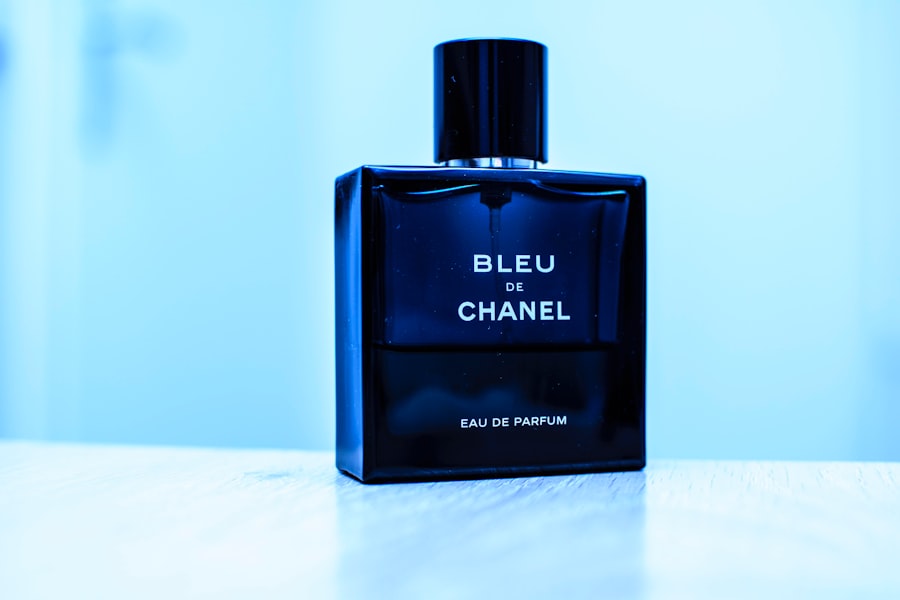
The health risks associated with fragrance phthalates have garnered increasing attention in recent years. Research has suggested that exposure to these chemicals may be linked to a variety of adverse health effects. For instance, studies have indicated potential connections between phthalate exposure and reproductive issues, including reduced fertility and developmental problems in children.
As you consider the products you use, it’s crucial to weigh these potential risks against the benefits of their pleasant scents. Moreover, fragrance phthalates have been implicated in respiratory issues and allergic reactions. If you have ever experienced headaches or respiratory discomfort after using scented products, it may be worth considering whether fragrance phthalates are to blame.
The cumulative effect of exposure from multiple sources can add up over time, leading to increased health concerns. Being aware of these risks can help you make choices that prioritize your well-being.
The Impact of Fragrance Phthalates on Hormonal Disruption
One of the most concerning aspects of fragrance phthalates is their potential impact on hormonal disruption. These chemicals are known as endocrine disruptors, meaning they can interfere with the body’s hormonal systems. This interference can lead to a range of health issues, including altered reproductive development and increased risk of hormone-related cancers.
As you learn more about these substances, it’s essential to understand how they can affect your body’s delicate balance. The implications of hormonal disruption extend beyond individual health; they can also impact future generations. If you are planning to start a family or are already a parent, understanding the potential effects of fragrance phthalates on reproductive health is crucial.
By being informed about these risks, you can take proactive steps to minimize exposure for yourself and your loved ones.
How to Identify Fragrance Phthalates in Products
| Phthalate Compound | Common Use in Fragrances | Potential Health Effects | Regulatory Status | Typical Concentration Range (%) |
|---|---|---|---|---|
| Diethyl Phthalate (DEP) | Solvent and fixative in perfumes and colognes | Endocrine disruption, reproductive toxicity | Restricted in EU cosmetics; allowed in limited amounts in US | 0.1 – 5 |
| Dibutyl Phthalate (DBP) | Fragrance carrier and fixative | Reproductive toxicity, developmental issues | Banned in EU cosmetics; restricted in other regions | Trace amounts (usually <0.1) |
| Di(2-ethylhexyl) Phthalate (DEHP) | Plasticizer sometimes found in fragrance formulations | Carcinogenic potential, reproductive harm | Banned in cosmetics in many countries | Trace or none |
| Butyl Benzyl Phthalate (BBP) | Fixative in some fragrance blends | Endocrine disruption, reproductive toxicity | Banned or restricted in cosmetics in EU and US | Trace amounts |
| General Notes | Phthalates are often not listed explicitly on labels due to being part of “fragrance” or “parfum” ingredients, making them hidden chemicals in many personal care products. | |||
Identifying fragrance phthalates in products can be challenging due to the lack of transparency in ingredient labeling. Many manufacturers use vague terms like “fragrance” or “parfum” without disclosing the specific chemicals included in their formulations. This lack of clarity makes it difficult for you as a consumer to know whether a product contains harmful phthalates.
However, there are steps you can take to become a more informed shopper. One effective strategy is to look for products labeled as “phthalate-free.” Many brands are now recognizing consumer demand for safer alternatives and are actively removing these chemicals from their formulations. Additionally, familiarizing yourself with common phthalate names—such as diethyl phthalate (DEP) or dibutyl phthalate (DBP)—can help you identify potentially harmful ingredients on product labels.
By being vigilant and proactive, you can make choices that align with your health priorities.
Regulations and Labeling of Fragrance Phthalates
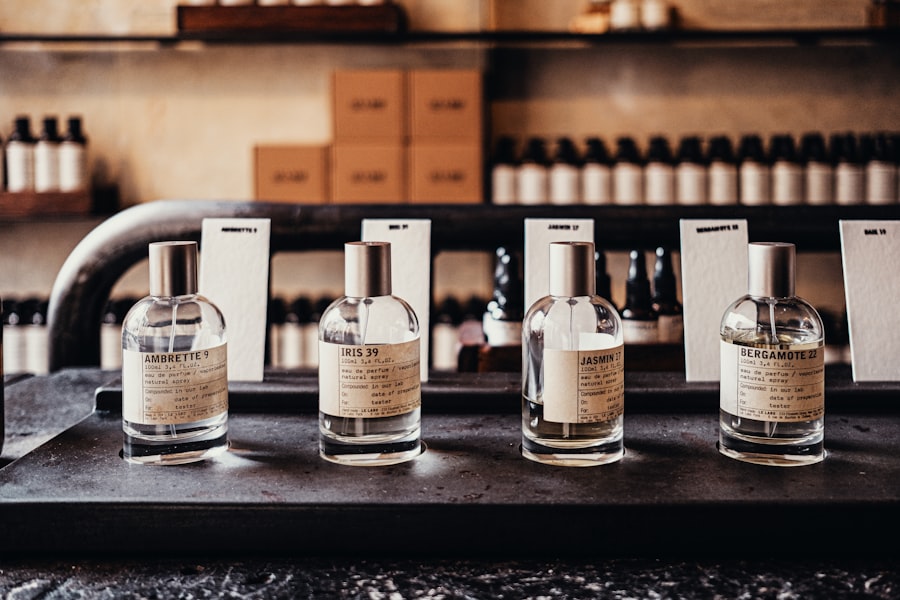
The regulatory landscape surrounding fragrance phthalates is complex and varies by region. In some countries, certain phthalates have been banned or restricted due to their known health risks.
As a consumer, it’s important to stay informed about the regulations in your area and advocate for stricter guidelines when necessary. Labeling practices also play a significant role in your ability to make informed choices. While some brands voluntarily disclose their ingredients, others may not provide sufficient information about the presence of fragrance phthalates.
This lack of transparency can leave you feeling uncertain about the safety of the products you use daily. Advocating for clearer labeling practices can help ensure that consumers have access to the information they need to make safe choices.
Alternatives to Fragrance Phthalates
Fortunately, there are numerous alternatives to fragrance phthalates that can provide pleasant scents without the associated health risks. Many companies are now formulating their products with natural essential oils or plant-based fragrances instead of synthetic chemicals. These alternatives not only offer delightful aromas but also tend to be gentler on the skin and less likely to cause allergic reactions.
When shopping for personal care or household products, consider seeking out brands that prioritize natural ingredients and sustainable practices. By choosing phthalate-free options, you can enjoy the benefits of fragrance without compromising your health or well-being. Additionally, supporting companies that prioritize transparency and safety can encourage more brands to follow suit.
The Importance of Transparency in the Fragrance Industry
Transparency in the fragrance industry is crucial for empowering consumers like you to make informed choices about the products you use. The lack of clear labeling and ingredient disclosure has long been a point of contention among advocates for safer cosmetics and personal care items. As awareness grows regarding the potential risks associated with fragrance phthalates, consumers are increasingly demanding greater transparency from manufacturers.
By advocating for clearer labeling practices and supporting brands that prioritize ingredient transparency, you can contribute to a shift in industry standards. When companies recognize that consumers value safety and transparency, they may be more inclined to reformulate their products and eliminate harmful ingredients like phthalates. Your voice as a consumer matters, and by making informed choices, you can help drive positive change in the fragrance industry.
Advocacy and Awareness for Fragrance Phthalates
Advocacy plays a vital role in raising awareness about fragrance phthalates and their potential health risks. Organizations dedicated to consumer safety and environmental health work tirelessly to educate the public about these chemicals and push for stricter regulations. By staying informed about ongoing advocacy efforts, you can become an active participant in promoting safer products.
You can also engage with your community by sharing information about fragrance phthalates with friends and family. Hosting discussions or workshops focused on safe product choices can help spread awareness and empower others to make informed decisions. Together, collective advocacy efforts can lead to meaningful change in product formulations and regulatory practices.
Steps to Reduce Exposure to Fragrance Phthalates
Reducing your exposure to fragrance phthalates requires a proactive approach in your daily life. Start by evaluating the products you currently use and identifying those that contain synthetic fragrances or vague terms like “fragrance” on their labels. Consider replacing these items with phthalate-free alternatives that prioritize natural ingredients.
Additionally, consider making your own cleaning supplies or personal care products using simple ingredients like vinegar, baking soda, and essential oils for scent. This not only reduces your exposure but also allows you to customize your products according to your preferences. By taking these steps, you can create a healthier living environment for yourself and your family.
The Future of Fragrance Phthalates: Research and Development
As research continues into the effects of fragrance phthalates on human health and the environment, there is hope for a future where safer alternatives become the norm in the fragrance industry. Ongoing studies aim to better understand the long-term impacts of these chemicals and identify effective substitutes that do not compromise scent quality. The future also holds promise for increased consumer awareness and demand for safer products.
As more individuals become educated about fragrance phthalates and advocate for change, manufacturers may be compelled to innovate and reformulate their offerings accordingly. By staying informed and engaged with developments in this area, you can play an active role in shaping a healthier future for yourself and generations to come.
Fragrance phthalates are often hidden chemicals found in many personal care products, raising concerns about their potential health effects. For more information on this topic, you can read a related article that discusses the implications of these hidden chemicals in everyday items. Check it out here: Fragrance Phthalates: Hidden Chemicals in Your Products.
WATCH THIS! 💰 STOP Apps Are Stealing $1,000 From You Every Year—Here’s Proof & The 30-Day Fix
FAQs
What are phthalates commonly used for in fragrances?
Phthalates are used in fragrances to help stabilize the scent, making it last longer and improving the texture of the product.
Why are phthalates considered hidden chemicals in fragrances?
Phthalates are often not listed individually on product labels because they are part of the fragrance mixture, which is protected as a trade secret, making them “hidden” to consumers.
Are phthalates harmful to health?
Some studies suggest that certain phthalates may disrupt the endocrine system and could be linked to reproductive and developmental issues, but the extent of harm depends on exposure levels.
How can consumers identify products containing phthalates?
Since phthalates are usually included under the generic term “fragrance” on labels, consumers can look for products labeled as “phthalate-free” or check for certifications that restrict harmful chemicals.
Are all phthalates banned in cosmetics and fragrances?
Not all phthalates are banned; regulations vary by country. Some specific phthalates are restricted or banned in cosmetics due to health concerns, while others are still permitted in limited amounts.
What alternatives exist to phthalates in fragrance formulations?
Manufacturers may use natural essential oils, synthetic fragrance compounds without phthalates, or other plasticizers that are considered safer to replace phthalates in products.
Can phthalates be absorbed through the skin?
Yes, phthalates can be absorbed through the skin when using fragranced products, which is one reason for concern about their potential health effects.
What steps can consumers take to reduce exposure to phthalates in fragrances?
Consumers can choose fragrance-free or phthalate-free products, use natural or organic personal care items, and avoid products with vague “fragrance” labeling to minimize exposure.