
Household chemicals are present throughout modern homes in numerous products including cleaning supplies, air fresheners, pesticides, and personal care items. These substances serve various functional purposes but can pose health risks through inhalation, skin contact, or accidental ingestion. Understanding the nature and potential hazards of these chemicals enables informed decision-making regarding product selection and usage.
Exposure to these substances can cause immediate effects such as respiratory irritation, skin sensitization, and headaches, as well as potential long-term health consequences including endocrine disruption and increased cancer risk. Research indicates that indoor air quality is often significantly more polluted than outdoor air due to the concentration of chemical emissions from household products.
Children, elderly individuals, and those with pre-existing respiratory conditions face elevated risks from chemical exposure. Proper ventilation, careful product selection, and adherence to manufacturer safety guidelines can substantially reduce exposure levels and associated health risks in residential environments.
Key Takeaways
- Household chemicals pose various health risks, especially to vulnerable groups like children and the elderly.
- Proper handling, storage, and labeling are essential to prevent accidental exposure and poisoning.
- Using safer alternatives and ensuring good ventilation can significantly reduce indoor chemical hazards.
- Awareness of symptoms and emergency preparedness are crucial for managing chemical accidents effectively.
- Access to reliable resources and information supports safe household chemical use and exposure prevention.
Common Household Chemicals and Their Risks
You may be surprised to learn that many common household items contain chemicals that can be harmful. For instance, cleaning agents like bleach and ammonia are effective at disinfecting surfaces but can release toxic fumes when mixed or used in poorly ventilated areas. Similarly, pesticides used to control pests in your home can linger on surfaces and in the air, posing risks to both humans and pets.
Even seemingly innocuous products like air fresheners and scented candles can emit volatile organic compounds (VOCs) that contribute to indoor air pollution. In addition to cleaning products and pesticides, personal care items such as shampoos, lotions, and cosmetics often contain synthetic chemicals that may disrupt hormonal balance or cause allergic reactions. You might not think twice about applying these products, but being aware of their ingredients can help you make safer choices.
By understanding the risks associated with these common household chemicals, you can take steps to reduce your exposure and create a healthier home environment.
Health Effects of Household Chemical Exposure
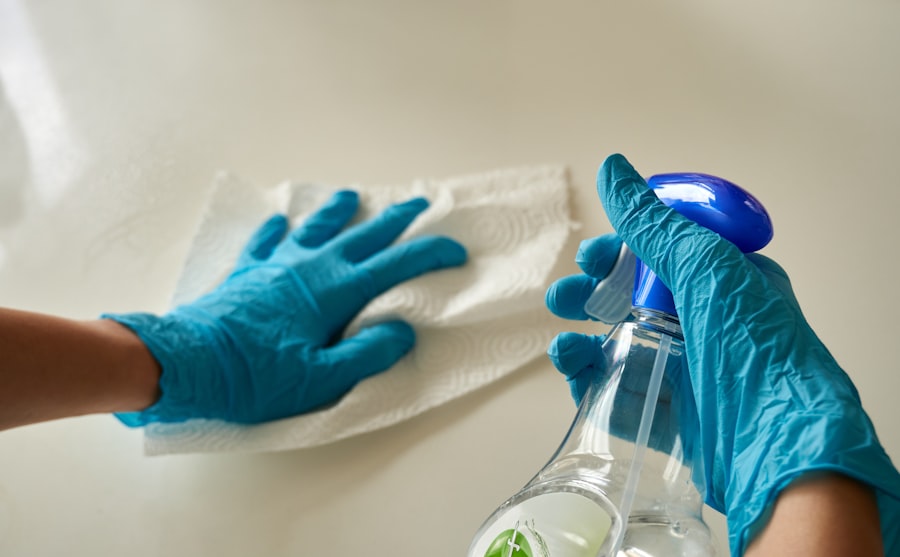
The health effects of household chemical exposure can vary widely depending on the type of chemical, the level of exposure, and individual susceptibility. Short-term exposure to certain chemicals may lead to immediate symptoms such as headaches, dizziness, or respiratory issues. For example, inhaling fumes from strong cleaning agents can irritate your lungs and throat, leading to discomfort or even more severe respiratory problems in sensitive individuals.
Long-term exposure to hazardous chemicals can have more serious consequences. Prolonged contact with substances like formaldehyde or phthalates has been linked to chronic health issues, including respiratory diseases, reproductive problems, and even certain types of cancer. As you consider the products in your home, it’s essential to recognize that the cumulative effects of these exposures can significantly impact your overall health over time.
By being mindful of the chemicals you use and their potential health effects, you can take steps to safeguard your well-being.
Vulnerable Populations at Risk
Certain populations are particularly vulnerable to the effects of household chemical exposure. Children, for instance, are at a higher risk due to their developing bodies and behaviors that increase their likelihood of exposure, such as crawling on floors or putting objects in their mouths. Their smaller size also means that they may experience more severe effects from lower doses of harmful substances compared to adults.
Additionally, pregnant women and individuals with pre-existing health conditions may face heightened risks when exposed to household chemicals. The developing fetus can be particularly sensitive to toxic substances, which may lead to complications during pregnancy or developmental issues after birth. Similarly, those with asthma or other respiratory conditions may find that exposure to certain chemicals exacerbates their symptoms.
Recognizing these vulnerable populations is crucial in understanding the broader implications of household chemical exposure and underscores the importance of taking preventive measures.
Prevention of Household Chemical Exposure
| Household Chemical | Common Sources | Exposure Route | Potential Health Risks | Recommended Safety Measures |
|---|---|---|---|---|
| Ammonia | Glass cleaners, floor cleaners | Inhalation, skin contact | Respiratory irritation, burns, coughing | Use in well-ventilated areas, wear gloves |
| Bleach (Sodium Hypochlorite) | Disinfectants, laundry whiteners | Inhalation, skin contact, ingestion | Respiratory issues, skin burns, eye damage | Do not mix with ammonia, use gloves, ventilate |
| Formaldehyde | Air fresheners, pressed wood products | Inhalation | Eye, nose, throat irritation; possible carcinogen | Increase ventilation, limit use of products |
| Phthalates | Plasticizers in vinyl products, fragrances | Inhalation, dermal absorption | Endocrine disruption, reproductive issues | Choose phthalate-free products, avoid scented items |
| Volatile Organic Compounds (VOCs) | Paints, varnishes, cleaning agents | Inhalation | Headaches, dizziness, respiratory problems | Use low-VOC products, ensure good ventilation |
| Lead | Old paint, plumbing materials | Ingestion, inhalation of dust | Neurological damage, developmental delays | Test and remove lead paint, maintain clean surfaces |
Preventing household chemical exposure begins with awareness and education. You can take proactive steps by carefully reading labels before purchasing any product. Look for items that are free from harmful chemicals or those labeled as non-toxic or environmentally friendly.
By choosing safer alternatives from the outset, you can significantly reduce the risk of exposure for yourself and your family. Another effective strategy is to limit the number of chemical products in your home. Instead of relying on multiple specialized cleaners, consider using multi-purpose solutions that are effective yet less harmful.
Additionally, adopting natural cleaning methods using ingredients like vinegar, baking soda, and lemon juice can help you maintain a clean home without exposing yourself to harsh chemicals. By making conscious choices about the products you use, you can create a safer living environment for everyone in your household.
Safe Handling and Storage of Household Chemicals
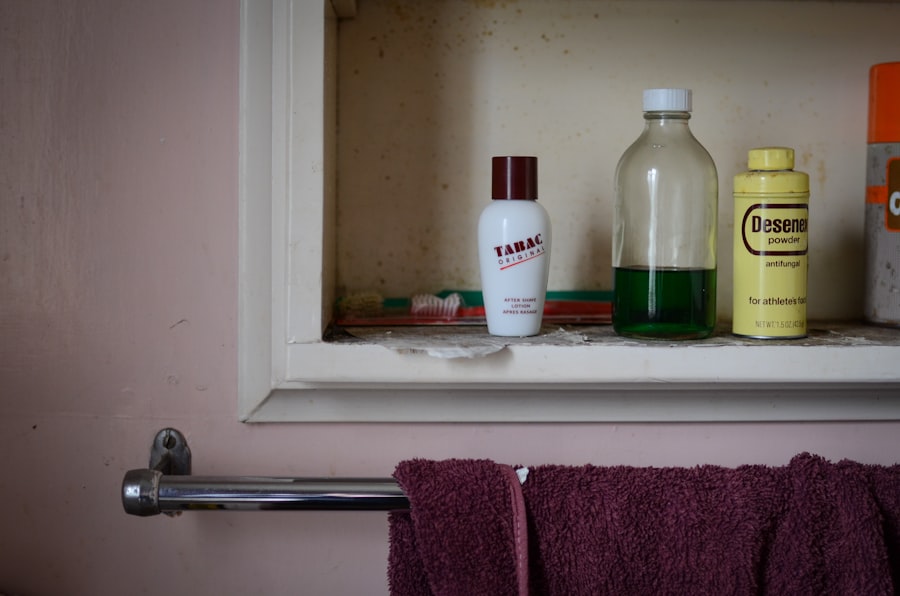
Once you’ve chosen household chemicals for your cleaning and maintenance needs, it’s essential to handle and store them safely. Always follow the manufacturer’s instructions for use and never mix different products unless explicitly stated as safe on the label. Mixing certain chemicals can produce dangerous reactions that may release toxic gases or create hazardous substances.
Proper storage is equally important in preventing accidental exposure. Store all chemicals in their original containers with labels intact to avoid confusion. Keep them out of reach of children and pets by placing them in locked cabinets or high shelves.
Additionally, ensure that storage areas are well-ventilated to minimize the buildup of fumes. By taking these precautions, you can significantly reduce the risk of accidents and ensure a safer environment for everyone in your home.
Choosing Safer Alternatives
As you become more aware of the potential dangers associated with household chemicals, you may want to explore safer alternatives that provide effective cleaning without compromising health. Many brands now offer eco-friendly cleaning products made from natural ingredients that are biodegradable and non-toxic. These alternatives often perform just as well as traditional cleaners while minimizing harmful effects on both human health and the environment.
For example, a mixture of vinegar and water can effectively clean glass surfaces, while baking soda serves as a gentle abrasive for scrubbing tasks. By opting for these safer alternatives, you not only protect your health but also contribute to a more sustainable lifestyle by reducing chemical waste in landfills and waterways.
Labeling and Proper Use of Household Chemicals
Understanding how to read labels on household chemical products is vital for safe usage. Labels provide essential information about the ingredients contained within a product as well as safety warnings and instructions for use. Familiarize yourself with common hazard symbols that indicate potential risks such as flammability or toxicity.
This knowledge empowers you to make informed decisions about which products are safe for your home. Proper use of household chemicals also involves adhering strictly to recommended application methods. For instance, using more than the suggested amount does not necessarily yield better results; it may instead increase health risks or environmental impact.
Always ensure that you’re using products in well-ventilated areas to minimize inhalation of fumes and follow any specific disposal instructions provided on the label. By being diligent about labeling and proper use, you can significantly enhance safety in your home.
Ventilation and Air Quality in the Home
Maintaining good indoor air quality is essential for reducing the risks associated with household chemical exposure. Proper ventilation helps disperse harmful fumes and reduces concentrations of indoor pollutants. You should open windows whenever possible while using cleaning products or cooking to allow fresh air to circulate throughout your home.
In addition to natural ventilation methods, consider using exhaust fans in kitchens and bathrooms to help remove moisture and odors that can contribute to poor air quality. Investing in an air purifier equipped with HEPA filters can also help capture airborne particles and improve overall air quality in your living space. By prioritizing ventilation and air quality management, you create a healthier environment that minimizes the impact of household chemicals on your well-being.
Emergency Preparedness for Household Chemical Accidents
Despite taking precautions, accidents involving household chemicals can still occur. Being prepared for such incidents is crucial for ensuring safety within your home. Familiarize yourself with emergency procedures for dealing with chemical spills or exposures; this includes knowing how to contact poison control centers or local emergency services if necessary.
Keep a well-stocked first aid kit readily available that includes items specifically designed for chemical exposure incidents, such as activated charcoal or eye wash solutions. Additionally, ensure that all family members are aware of safety protocols regarding chemical use and storage so they know how to respond appropriately in case of an emergency. By being prepared for potential accidents involving household chemicals, you can mitigate risks and protect yourself and your loved ones.
Resources for Further Information and Assistance
To further educate yourself about household chemical exposure and safety practices, numerous resources are available at your fingertips. Government agencies such as the Environmental Protection Agency (EPA) provide valuable information on safe chemical use and guidelines for reducing exposure in homes. Additionally, organizations like the American Lung Association offer insights into maintaining good indoor air quality.
Local health departments may also have resources tailored specifically for your community’s needs regarding chemical safety education programs or workshops. Online platforms dedicated to environmental health provide articles, tips, and forums where you can connect with others seeking similar information. By utilizing these resources, you empower yourself with knowledge that enhances safety within your home while promoting a healthier lifestyle overall.
In conclusion, understanding household chemical exposure is essential for creating a safe living environment for yourself and your family. By being aware of common chemicals and their risks, recognizing vulnerable populations at risk, implementing prevention strategies, and choosing safer alternatives, you can significantly reduce potential hazards in your home. Prioritizing safe handling practices, proper ventilation, emergency preparedness, and utilizing available resources will further enhance your ability to navigate the complexities of household chemical safety effectively.
Household chemical exposure can pose significant health risks, particularly for vulnerable populations such as children and pets. For a deeper understanding of these risks and how to mitigate them, you can read a related article on this topic. Check it out here: Household Chemical Exposure Risks.
WATCH THIS! 💰 STOP Apps Are Stealing $1,000 From You Every Year—Here’s Proof & The 30-Day Fix
FAQs
What are common household chemicals that pose exposure risks?
Common household chemicals that pose exposure risks include cleaning agents (bleach, ammonia), pesticides, solvents, paints, and air fresheners. These substances can contain toxic ingredients that may cause health problems if not used or stored properly.
How can household chemical exposure affect health?
Exposure to household chemicals can cause a range of health effects, from mild irritation of the skin, eyes, or respiratory tract to more severe outcomes such as chemical burns, poisoning, allergic reactions, or long-term effects like respiratory diseases and neurological damage.
Who is most at risk from household chemical exposure?
Children, pets, elderly individuals, and people with pre-existing health conditions are most vulnerable to the risks of household chemical exposure due to their increased sensitivity or likelihood of accidental ingestion or contact.
What are the common routes of exposure to household chemicals?
The main routes of exposure include inhalation of fumes or dust, skin contact, ingestion (accidental swallowing), and eye contact. Proper ventilation and protective measures can reduce these risks.
How can I reduce the risks of household chemical exposure?
To reduce risks, always read and follow product labels, use chemicals in well-ventilated areas, wear protective gloves or masks if recommended, store chemicals out of reach of children and pets, and never mix different chemicals unless instructed.
What should I do if someone is exposed to a harmful household chemical?
If exposure occurs, immediately remove the person from the source, rinse affected skin or eyes with water, and seek medical attention if symptoms are severe. For ingestion, do not induce vomiting unless directed by a poison control center or medical professional.
Are natural or homemade cleaning products safer than commercial ones?
Natural or homemade cleaning products can be safer alternatives but are not always risk-free. Some natural substances can still cause irritation or allergic reactions. It is important to use all cleaning products, natural or commercial, according to safety guidelines.
How should household chemicals be stored to minimize exposure risks?
Store household chemicals in their original containers with labels intact, keep them in a cool, dry, and well-ventilated area, and ensure they are out of reach of children and pets. Avoid storing chemicals near food or in areas prone to spills.
Can long-term exposure to low levels of household chemicals be harmful?
Yes, long-term exposure to low levels of certain household chemicals may contribute to chronic health issues such as respiratory problems, hormonal disruptions, or increased risk of certain cancers. Minimizing exposure is important for overall health.
Where can I find more information about household chemical safety?
Reliable information can be found through government health agencies, poison control centers, environmental protection organizations, and product safety data sheets (SDS) provided by manufacturers.