
The space industry has long captivated the imagination of humanity, serving as a frontier for exploration, innovation, and scientific discovery. It encompasses a wide array of activities, from satellite communications and Earth observation to deep-space exploration and commercial space travel. The industry has evolved significantly over the past few decades, transitioning from government-led initiatives to a more diversified ecosystem that includes private companies and international collaborations.
This transformation has opened up new opportunities and challenges, making it an exciting time to be involved in or to follow developments in the space sector. The space industry is not just about launching rockets and sending humans to the Moon or Mars. It involves a complex interplay of technology, policy, and economics.
The advancements in space technology have far-reaching implications for various sectors, including telecommunications, environmental monitoring, and even national security. Understanding the dynamics of this industry is crucial for grasping how it shapes our world and influences future generations.
Key Takeaways
- Funding fluctuations significantly influence the growth and innovation within the space industry.
- Government funding cuts have led to increased reliance on private investment for space projects.
- Startups in the space sector face unique challenges due to high costs and funding uncertainties.
- Reduced funding impacts space exploration missions and the advancement of space technologies.
- Collaborative solutions and diversified funding sources are essential for sustaining the future of space industry development.
The Impact of Funding on Space Industry
Funding plays a pivotal role in the growth and sustainability of the space industry. As you consider the various projects and missions that have been undertaken, it becomes clear that financial resources are essential for research, development, and operational activities. The availability of funding can determine whether a project moves forward or is shelved indefinitely.
In recent years, the landscape of funding has shifted dramatically, with both government and private sectors vying for a piece of the pie. This competition has led to innovative funding models and partnerships that have the potential to reshape the industry. When you examine the impact of funding on specific projects, you will notice that successful missions often correlate with robust financial backing.
For instance, NASA’s Artemis program, aimed at returning humans to the Moon by 2024, relies heavily on federal funding to support its ambitious goals.
This reality underscores the importance of a stable and diverse funding ecosystem that can support both established organizations and emerging startups in the space sector.
Government Funding Cuts

In recent years, government funding for space initiatives has faced scrutiny and cuts, raising concerns about the future of various programs. As you analyze these funding cuts, you will find that they stem from a combination of budgetary constraints, shifting political priorities, and competing demands for public resources. These reductions can have immediate and long-term effects on ongoing projects and future missions.
For instance, when budgets are slashed, agencies like NASA may be forced to delay or scale back ambitious plans, which can hinder technological advancements and international collaborations. The implications of government funding cuts extend beyond individual projects; they can also affect the overall health of the space industry. As you consider the broader context, you will see that reduced government investment can lead to a decline in workforce morale and expertise.
When talented professionals leave due to uncertainty or lack of funding, it creates a knowledge gap that can take years to fill.
Private Investment in Space Industry
In response to government funding cuts and the growing demand for space-related services, private investment in the space industry has surged in recent years. As you explore this trend, you will find that venture capitalists and private equity firms are increasingly recognizing the potential for significant returns on investment in space ventures. Companies like SpaceX, Blue Origin, and Rocket Lab have emerged as key players, attracting billions in funding to develop new technologies and launch capabilities.
This influx of private capital has not only accelerated innovation but has also diversified the types of missions being undertaken. The rise of private investment has also led to increased competition within the industry. As you observe this dynamic, you will see that new entrants are challenging established players by offering innovative solutions at lower costs.
This competition can drive down prices for satellite launches and other services, making space more accessible than ever before. However, it also raises questions about sustainability and long-term viability as startups navigate the complexities of a rapidly evolving market.
Challenges for Startups in Space Industry
| Year | Total Investment (Billion USD) | Number of Deals | Average Deal Size (Million USD) | Key Sectors Affected | Notable Trends |
|---|---|---|---|---|---|
| 2021 | 15.2 | 120 | 126.7 | Satellite, Launch Services, Space Tourism | Record high investments, surge in SPACs |
| 2022 | 12.5 | 105 | 119.0 | Satellite, Space Infrastructure | Moderate slowdown, cautious investor sentiment |
| 2023 | 9.8 | 85 | 115.3 | Launch Services, Space Manufacturing | Significant funding slowdown, fewer early-stage deals |
| 2024 (Projected) | 8.2 | 70 | 117.1 | Satellite, Space Data Analytics | Continued cautious investment, focus on profitability |
While private investment has opened doors for many startups in the space industry, it is not without its challenges. As you consider the landscape for emerging companies, you will find that securing initial funding is often just the beginning of a long journey fraught with obstacles. Startups must navigate regulatory hurdles, technical challenges, and market uncertainties while striving to establish themselves in a competitive environment.
The high costs associated with developing space technologies can be daunting, leading many entrepreneurs to seek partnerships or collaborations with established firms. Moreover, as you delve deeper into the challenges faced by startups, you will discover that building a skilled workforce is another significant hurdle. The space industry requires specialized knowledge and expertise that can be difficult to find or cultivate within smaller organizations.
Startups often compete with larger companies for talent, which can lead to high turnover rates and difficulties in maintaining continuity in projects. This talent drain can stifle innovation and slow down progress as new companies struggle to establish themselves.
Effects on Space Exploration Missions
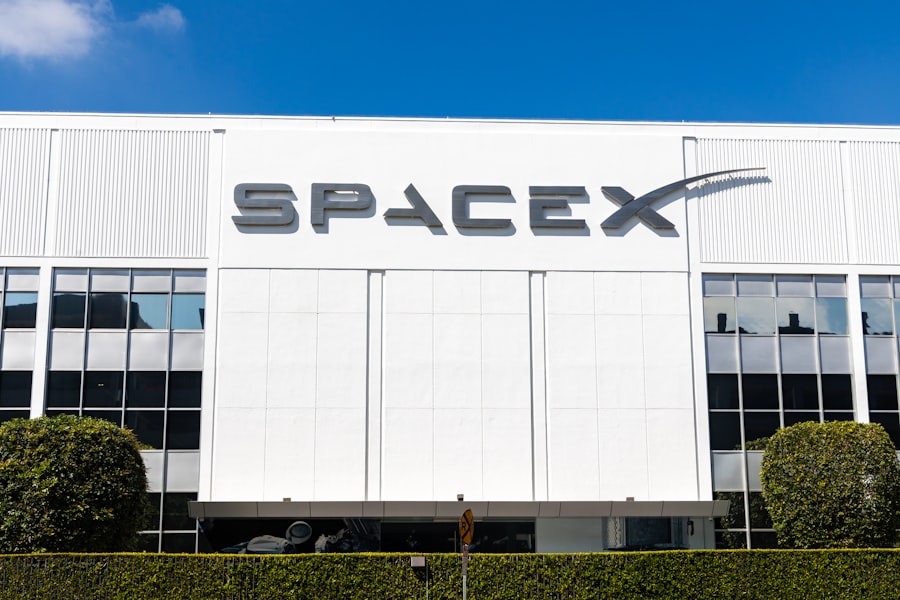
The interplay between funding dynamics and mission planning has profound implications for space exploration efforts. As you analyze recent missions undertaken by various agencies and companies, you will notice that financial constraints can lead to scaled-back objectives or even mission cancellations. For example, ambitious plans for Mars exploration may be delayed due to budgetary limitations or shifting priorities within government agencies.
This reality highlights how funding decisions can directly impact humanity’s ability to explore new frontiers. Additionally, as you consider the effects on international collaborations in space exploration, you will find that funding cuts can strain partnerships between countries. Collaborative missions often rely on shared resources and expertise; when one partner faces budget constraints, it can jeopardize the entire project.
This situation underscores the importance of stable funding not only for individual nations but also for fostering global cooperation in exploring outer space.
Potential Solutions to Funding Slowdown
Addressing the funding slowdown in the space industry requires innovative solutions that leverage both public and private resources effectively. As you contemplate potential strategies, one approach is to encourage public-private partnerships that align government objectives with private sector capabilities. By fostering collaboration between agencies like NASA and commercial companies, you can create a more resilient funding ecosystem that supports ambitious projects while sharing risks.
Another solution lies in diversifying revenue streams for space initiatives. As you explore this idea further, consider how agencies could tap into new markets such as space tourism or asteroid mining to generate additional funds. By expanding their focus beyond traditional missions, organizations can create new opportunities for investment while stimulating economic growth within the industry.
Impact on Space Technology Development
The fluctuations in funding within the space industry have significant implications for technological advancement. As you examine this relationship more closely, you’ll find that consistent investment is crucial for driving innovation in areas such as propulsion systems, satellite technology, and robotics. When funding is stable, organizations can invest in research and development efforts that lead to groundbreaking discoveries and advancements.
Conversely, when funding becomes erratic or insufficient, it can stifle progress and hinder technological breakthroughs. As you reflect on this dynamic, consider how delays in developing new technologies can have cascading effects on future missions and capabilities. The inability to invest in cutting-edge research may result in missed opportunities for exploration or advancements that could benefit life on Earth.
Job Losses in the Space Industry
The fluctuations in funding within the space industry have direct consequences for employment levels as well. As you analyze job losses resulting from budget cuts or project cancellations, you’ll see how these changes impact not only individuals but also entire communities reliant on aerospace jobs. When companies are forced to downsize or eliminate positions due to financial constraints, it creates a ripple effect that can lead to economic instability in regions where aerospace industries are concentrated.
Moreover, as you consider the long-term implications of job losses within this sector, think about how they affect workforce development efforts aimed at cultivating talent for future generations. When experienced professionals leave due to layoffs or uncertainty about job security, it creates a knowledge gap that can take years to fill. This loss of expertise poses challenges for both established organizations and emerging startups seeking skilled workers.
Future Outlook for Space Industry Funding
Looking ahead at the future outlook for funding within the space industry reveals both challenges and opportunities on the horizon. As you contemplate potential trends shaping this landscape over the next decade or so, consider how advancements in technology may create new avenues for investment while also attracting interest from non-traditional stakeholders such as tech giants or financial institutions. Additionally, as public interest in space exploration continues to grow—fueled by high-profile missions like those undertaken by SpaceX—there may be increased pressure on governments to allocate more resources toward these initiatives.
Balancing competing priorities will be essential as policymakers navigate budgetary constraints while recognizing the importance of investing in scientific discovery and technological advancement.
Conclusion and Recommendations
In conclusion, navigating the complexities of funding within the space industry requires a multifaceted approach that considers both immediate needs and long-term sustainability goals. As you reflect on this dynamic landscape characterized by shifting priorities among public agencies alongside rising private investments—it’s clear that collaboration between stakeholders is essential for fostering innovation while ensuring continued progress toward ambitious exploration objectives. To address current challenges effectively while positioning themselves favorably for future growth opportunities—stakeholders should prioritize public-private partnerships aimed at aligning interests across sectors; diversify revenue streams through innovative market exploration; invest strategically in workforce development initiatives designed to cultivate talent; advocate for stable government support while engaging with non-traditional investors interested in contributing toward advancing humanity’s presence beyond Earth.
By embracing these recommendations—together we can ensure a vibrant future for our endeavors among the stars!
The recent slowdown in funding for the space industry has raised concerns among investors and entrepreneurs alike. As highlighted in a related article, the challenges faced by startups in securing capital could have significant implications for innovation and growth in the sector. For more insights on this topic, you can read the full article [here](https://www.howwealthgrows.com/sample-page/).
FAQs
What is causing the slowdown in space industry funding?
The slowdown in space industry funding is primarily due to economic uncertainties, reduced government budgets, and shifting investment priorities among private investors. Additionally, geopolitical tensions and regulatory challenges can also impact funding availability.
How has the funding slowdown affected space companies?
The funding slowdown has led to delays in project timelines, reduced research and development activities, and in some cases, layoffs or downsizing within space companies. Startups and smaller firms are often more vulnerable to these financial constraints.
Are government space agencies reducing their budgets?
Some government space agencies have experienced budget constraints or reallocated funds to other priorities, contributing to the overall slowdown. However, funding levels vary by country and agency, with some maintaining or even increasing their investments in space exploration and technology.
What impact does the funding slowdown have on space exploration?
A slowdown in funding can delay missions, reduce the scope of exploration projects, and limit technological advancements. It may also slow down the development of new space infrastructure and commercial space activities.
Is private investment in the space industry declining?
Private investment has seen fluctuations, with some investors becoming more cautious due to market volatility and economic conditions. However, certain sectors within the space industry, such as satellite technology and space tourism, may still attract significant interest.
What are the long-term implications of a funding slowdown in the space industry?
Long-term implications could include slower innovation, reduced competitiveness in the global space market, and potential setbacks in achieving ambitious space exploration goals. However, the industry may also adapt by focusing on cost-efficiency and strategic partnerships.
How can the space industry overcome funding challenges?
The industry can overcome funding challenges by diversifying revenue streams, forming public-private partnerships, improving cost management, and demonstrating clear commercial viability to attract investors. Advocacy for sustained government support is also crucial.
Are there any regions or countries less affected by the funding slowdown?
Some countries with strong space programs and stable economies may be less affected or even increase their space funding. Emerging space nations with growing ambitions might also continue to invest despite global trends.
What role do international collaborations play during funding slowdowns?
International collaborations can help share costs, pool resources, and maintain momentum in space projects during funding slowdowns. They enable countries and companies to leverage each other’s strengths and reduce individual financial burdens.
Where can I find updated information on space industry funding trends?
Updated information can be found through industry reports, government space agency publications, financial news outlets, and specialized space industry analysis firms. Conferences and academic journals also provide insights into current funding trends.