
Healthcare costs in the United States have increased substantially over the past several decades, creating financial challenges for individuals, families, and employers. Medical expenses, insurance premiums, and prescription drug prices have risen at rates consistently exceeding general inflation, making healthcare affordability a significant economic concern. Multiple factors contribute to rising healthcare expenditures across the system.
These cost increases affect not only personal and household budgets but also influence healthcare accessibility, treatment quality, and community health outcomes. The economic burden extends to employers who provide health benefits and government programs that fund healthcare services. This analysis examines the primary drivers of healthcare cost inflation and evaluates their effects on patients, healthcare providers, insurance systems, and the broader economy.
Understanding these underlying factors is essential for addressing the ongoing challenges of healthcare affordability and accessibility in the current system.
Key Takeaways
- Healthcare costs are rising due to multiple complex factors including demand, regulations, and pharmaceutical pricing.
- Increasing expenses significantly impact individuals, families, employers, and businesses financially.
- Government policies and pharmaceutical companies play a critical role in influencing healthcare cost inflation.
- Transparency, accountability, and strategic management are essential to control and reduce healthcare expenses.
- Ensuring affordable access to healthcare is vital to address the growing concern of soaring costs.
Factors Contributing to the Increasing Healthcare Costs
One of the primary factors contributing to rising healthcare costs is the advancement of medical technology. As you may know, innovations in treatment and diagnostic tools often come with hefty price tags. While these advancements can lead to improved patient outcomes, they also drive up the overall cost of care.
You might find yourself in a situation where a new treatment option is available, but its high cost makes it inaccessible. This creates a paradox where cutting-edge care is available, yet unaffordable for many. Another significant factor is the aging population.
As you observe your own family or community, you may notice that older adults typically require more medical attention and resources. With an increasing number of individuals entering retirement age, the demand for healthcare services is surging. This demographic shift places additional strain on an already burdened system, leading to higher costs for everyone involved.
The combination of advanced medical technology and an aging population creates a perfect storm that exacerbates the issue of rising healthcare expenses.
Impact of Rising Healthcare Costs on Individuals and Families
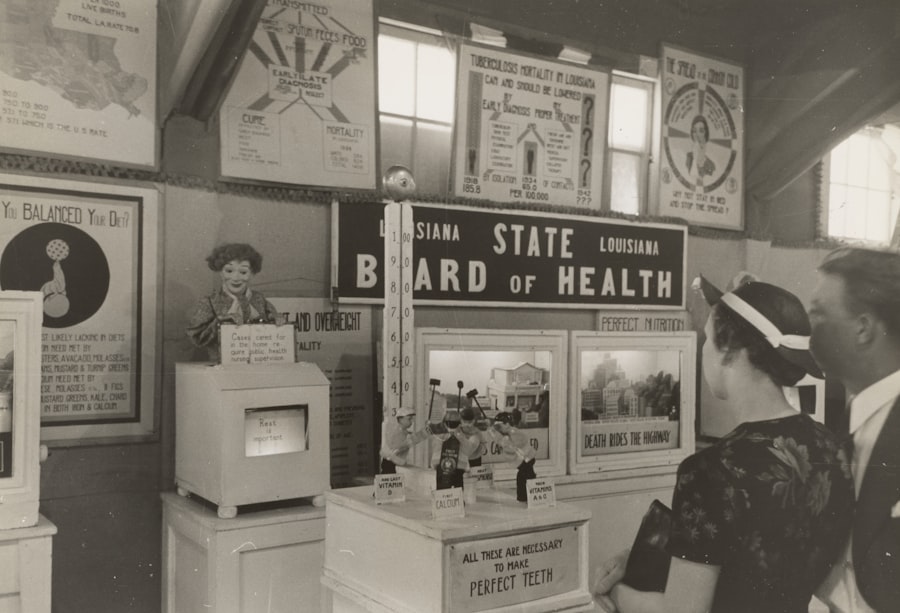
The impact of soaring healthcare costs on individuals and families is profound and multifaceted. You may find yourself grappling with the reality that even routine medical visits can lead to significant financial strain. High deductibles and copayments can deter you from seeking necessary care, leading to delayed treatments and worsening health conditions.
This cycle can create a sense of anxiety and uncertainty about your health and financial future. Moreover, families are often forced to make difficult choices when it comes to healthcare spending. You might have experienced situations where you had to prioritize one family member’s medical needs over another’s due to financial constraints.
This not only affects your family’s health but can also lead to emotional stress and strain relationships. The burden of rising healthcare costs can create a ripple effect that impacts every aspect of your life, from your physical well-being to your mental health.
The Burden on Employers and Businesses
As you consider the broader implications of rising healthcare costs, it’s essential to recognize the burden placed on employers and businesses. Many companies are grappling with the challenge of providing affordable health insurance to their employees while managing their own bottom lines. You may have noticed that some employers are shifting more costs onto employees through higher premiums or reduced coverage options.
This trend can lead to dissatisfaction among workers and may even affect employee retention. Additionally, small businesses often struggle more than larger corporations when it comes to providing health benefits. If you are part of a small business, you might feel the pressure of rising premiums and limited options for coverage.
This can hinder your ability to attract and retain talent, as potential employees weigh health benefits as a critical factor in their job search. The burden of rising healthcare costs extends beyond individual families; it affects the entire workforce and economy.
Government Policies and Regulations Affecting Healthcare Costs
| Year | Average Hospital Stay Cost Increase (%) | Average Physician Visit Cost Increase (%) | Prescription Drug Price Increase (%) | Overall Healthcare Inflation Rate (%) |
|---|---|---|---|---|
| 2018 | 4.5 | 3.2 | 5.1 | 3.9 |
| 2019 | 5.0 | 3.5 | 6.0 | 4.2 |
| 2020 | 6.2 | 4.0 | 7.3 | 4.8 |
| 2021 | 7.1 | 4.5 | 8.0 | 5.3 |
| 2022 | 8.0 | 5.0 | 9.2 | 5.9 |
| 2023 | 8.5 | 5.3 | 10.0 | 6.2 |
Government policies and regulations play a crucial role in shaping the landscape of healthcare costs. As you explore this topic, you may find that various legislative measures have been implemented in an attempt to control rising expenses. For instance, initiatives aimed at expanding access to insurance coverage have been introduced, but they often come with their own set of challenges and complexities.
You might also consider how regulations surrounding pharmaceutical pricing impact overall healthcare costs. The lack of transparency in drug pricing can leave you feeling frustrated as you navigate the complexities of insurance coverage and out-of-pocket expenses. Understanding how government policies influence these dynamics is essential for grasping the broader context of rising healthcare costs.
The Role of Pharmaceutical Companies in Healthcare Cost Inflation

Pharmaceutical companies play a significant role in the inflation of healthcare costs, and their practices can directly affect your wallet. You may have noticed that prescription drug prices have skyrocketed in recent years, leaving many individuals struggling to afford necessary medications. The high cost of research and development is often cited as a justification for these prices; however, it raises questions about accessibility and fairness.
You might find yourself bombarded with advertisements promoting new medications that promise miraculous results but come with exorbitant price tags. This marketing push can create a perception that these drugs are essential, further driving up demand and costs.
As you navigate your own healthcare journey, understanding the role of pharmaceutical companies in this equation is vital for making informed decisions about your health.
The Growing Demand for Healthcare Services and Its Effect on Costs
The growing demand for healthcare services is another critical factor influencing rising costs. As you reflect on your own experiences or those of your loved ones, you may recognize that more people are seeking medical attention than ever before.
As demand rises, so too does the pressure on healthcare providers to deliver services efficiently and effectively. You might find that longer wait times for appointments or limited availability of specialists become common experiences as providers struggle to keep up with patient needs. This increased demand can lead to higher operational costs for healthcare facilities, which are often passed down to patients in the form of higher fees and premiums.
The Need for Healthcare Cost Transparency and Accountability
In light of rising healthcare costs, there is an urgent need for transparency and accountability within the system. You may have experienced frustration when trying to understand the true cost of medical services or prescription drugs. Without clear information about pricing structures, it becomes challenging for you to make informed decisions about your healthcare options.
Transparency can empower you as a consumer by allowing you to compare prices and seek out more affordable alternatives. Additionally, accountability measures can help hold providers and pharmaceutical companies responsible for their pricing practices. As you advocate for greater transparency in healthcare costs, you contribute to a movement aimed at creating a more equitable system that prioritizes patient well-being over profit margins.
Strategies for Managing and Reducing Healthcare Costs
As you navigate the complexities of rising healthcare costs, it’s essential to explore strategies for managing and reducing these expenses effectively. One approach is to prioritize preventive care, which can help you avoid costly treatments down the line. Regular check-ups and screenings can catch potential health issues early, allowing for more manageable interventions before they escalate into more severe conditions.
Another strategy involves becoming an informed consumer by researching treatment options and comparing prices across different providers. You might consider utilizing telehealth services or community clinics that offer lower-cost alternatives for routine care. By taking proactive steps to manage your healthcare needs, you can mitigate some of the financial burdens associated with rising costs.
The Importance of Access to Affordable Healthcare for All
Access to affordable healthcare is a fundamental right that should be available to everyone, regardless of their financial situation. As you reflect on this issue, consider how disparities in access can lead to significant health inequities within communities. When individuals cannot afford necessary care, they may delay seeking treatment until conditions worsen, ultimately resulting in higher costs for both patients and the healthcare system.
Advocating for policies that promote equitable access to affordable healthcare is crucial for fostering healthier communities. You might find yourself supporting initiatives aimed at expanding coverage options or reducing prescription drug prices. By championing access for all, you contribute to a collective effort toward creating a more just and sustainable healthcare system.
Addressing the Growing Concern of Soaring Healthcare Costs
In conclusion, the rising cost of healthcare is a multifaceted issue that affects individuals, families, employers, and society as a whole. As you navigate this complex landscape, it’s essential to understand the various factors contributing to these escalating expenses and their far-reaching implications. By advocating for transparency, accountability, and equitable access to care, you can play an active role in addressing this growing concern.
The journey toward affordable healthcare requires collective action from all stakeholders involved—patients, providers, policymakers, and businesses alike. As you engage with this issue, remember that your voice matters in shaping a future where quality care is accessible to everyone without financial hardship. Together, we can work toward solutions that prioritize health over profit and ensure that affordable healthcare becomes a reality for all.
As healthcare prices continue to rise, many individuals are feeling the financial strain associated with medical expenses. A related article that delves into the factors contributing to these increasing costs can be found at How Wealth Grows. This resource provides valuable insights into the economic dynamics at play and offers potential strategies for managing healthcare expenses effectively.
FAQs
Why are healthcare prices rising?
Healthcare prices are rising due to a combination of factors including increased demand for medical services, higher costs of medical technology and prescription drugs, administrative expenses, and inflation. Additionally, an aging population and chronic disease prevalence contribute to higher utilization of healthcare resources.
How does the rising cost of healthcare affect patients?
Rising healthcare costs can lead to higher out-of-pocket expenses for patients, including increased insurance premiums, deductibles, and copayments. This can result in financial strain, delayed or foregone medical care, and increased medical debt for many individuals and families.
What role do insurance companies play in healthcare price increases?
Insurance companies negotiate prices with healthcare providers and pharmaceutical companies. While they can help control costs through these negotiations, administrative costs and profit margins can also contribute to overall healthcare price increases. Additionally, changes in insurance coverage and benefit design can impact patient costs.
Are prescription drug prices a significant factor in rising healthcare costs?
Yes, prescription drug prices are a major contributor to rising healthcare costs. The development of new, often expensive medications, patent protections, and limited competition in certain drug markets can lead to higher prices for both insurers and patients.
How do healthcare provider charges impact overall healthcare prices?
Healthcare providers, including hospitals and physicians, set charges for services based on factors such as operational costs, technology investments, and market competition. Variability in provider pricing and lack of price transparency can lead to higher overall healthcare costs.
What measures are being taken to control rising healthcare prices?
Efforts to control rising healthcare prices include policy initiatives to increase price transparency, promote value-based care, regulate drug prices, encourage competition, and improve efficiency in healthcare delivery. Some employers and insurers are also adopting alternative payment models to incentivize cost-effective care.
How does the aging population influence healthcare price trends?
An aging population typically requires more medical care, including management of chronic conditions and long-term care services. This increased demand for healthcare services contributes to rising overall healthcare expenditures and prices.
Is healthcare price inflation consistent across all services?
No, healthcare price inflation varies by service type. For example, prices for hospital services, outpatient care, and prescription drugs may rise at different rates due to varying factors such as technology adoption, regulatory changes, and market dynamics.
Can consumers do anything to mitigate the impact of rising healthcare prices?
Consumers can shop around for healthcare services when possible, use preventive care to avoid costly treatments, utilize health savings accounts (HSAs), and stay informed about their insurance benefits. Engaging in discussions with healthcare providers about treatment options and costs can also help manage expenses.
How does healthcare price transparency affect rising costs?
Increased price transparency can empower consumers to make informed decisions, encourage competition among providers, and potentially lower prices. However, the complexity of healthcare billing and variability in pricing can limit the effectiveness of transparency efforts without additional systemic reforms.