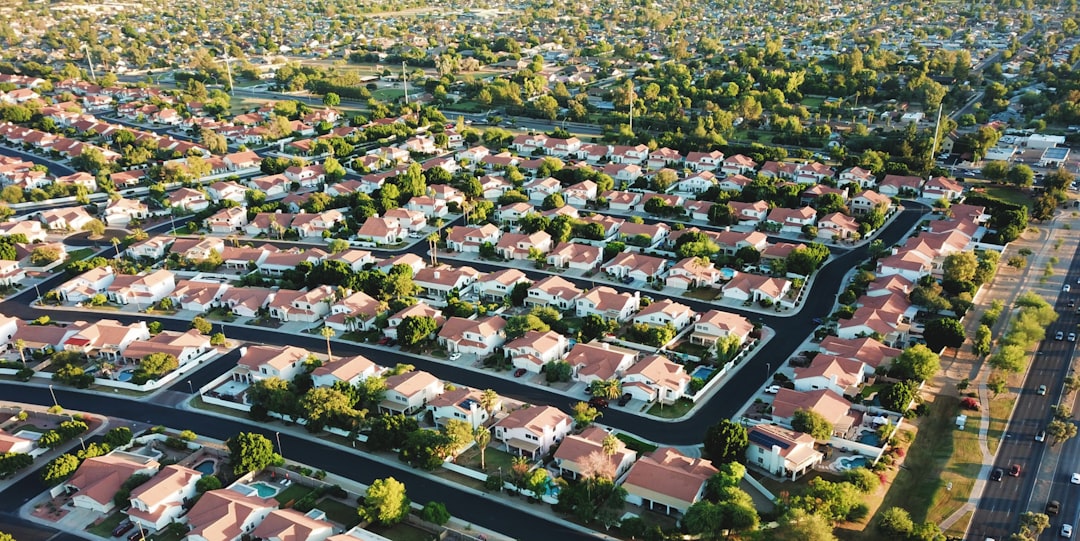
Market risk represents a fundamental challenge in real estate investment, defined as the potential for financial losses resulting from market fluctuations. These fluctuations stem from various factors including economic conditions, interest rate changes, and political developments. Market dynamics directly affect property values and investment returns.
Economic downturns typically reduce property demand, leading to decreased rental income and declining property values. Effective market risk management requires continuous monitoring of market trends and economic forecasts. Investors must analyze both local market conditions and broader economic indicators.
Key metrics include unemployment rates, consumer confidence indices, and regional economic performance data. Rising unemployment or declining consumer confidence often precede market downturns. Comprehensive market research and proactive analysis enable investors to make data-driven decisions that reduce exposure to market volatility and improve long-term investment outcomes.
Key Takeaways
- Comprehensive risk assessment in real estate includes market, property-specific, financial, legal, and environmental factors.
- Effective management of tenant, maintenance, and rental risks is crucial for property stability.
- Economic variables like interest rates, inflation, and currency fluctuations significantly impact investment outcomes.
- Preparing contingency plans for natural disasters helps mitigate unexpected losses.
- Consulting professionals enhances risk management strategies and supports informed decision-making.
Assessing Property-Specific Risks
Once you have a grasp on market risks, the next step is to assess property-specific risks. Each property comes with its own unique set of challenges and opportunities that can affect its performance. Factors such as location, property type, age, and condition all play a significant role in determining the risk associated with a particular investment.
For instance, a property located in a high-crime area may face higher vacancy rates and lower rental income, while a well-maintained property in a desirable neighborhood may attract more tenants and command higher rents. To effectively assess these risks, you should conduct a thorough due diligence process before making any investment decisions. This includes inspecting the property, reviewing its history, and analyzing comparable properties in the area.
Additionally, consider the potential for future developments or changes in the neighborhood that could impact your investment. By taking the time to evaluate these property-specific risks, you can make more informed choices that align with your investment strategy.
Evaluating Financial Risks

Financial risks are another critical aspect of real estate investing that you must consider. These risks can arise from various sources, including fluctuating interest rates, changes in lending standards, and unexpected expenses. For example, if interest rates rise after you secure financing for a property, your borrowing costs may increase significantly, impacting your cash flow and overall profitability.
Similarly, unforeseen expenses such as repairs or maintenance can quickly erode your expected returns. To mitigate financial risks, it is essential to create a comprehensive budget that accounts for both expected and unexpected costs. This budget should include not only your mortgage payments but also property taxes, insurance, maintenance costs, and reserves for emergencies.
Additionally, consider diversifying your investment portfolio to spread risk across different properties or asset classes. By taking these steps, you can better manage financial uncertainties and enhance your chances of achieving long-term success in real estate investing.
Managing Legal and Regulatory Risks
Navigating the legal landscape is another crucial aspect of real estate investing that you cannot afford to overlook. Legal and regulatory risks can arise from various sources, including zoning laws, tenant rights regulations, and environmental compliance requirements. Failing to adhere to these laws can result in costly fines or even legal action against you.
Therefore, it is vital to familiarize yourself with the legal framework governing real estate in your area. To effectively manage these risks, consider consulting with legal professionals who specialize in real estate law. They can provide valuable insights into local regulations and help you navigate complex legal issues.
Additionally, staying informed about changes in laws and regulations is essential for ensuring compliance and protecting your investment. By proactively addressing legal and regulatory risks, you can safeguard your assets and maintain a positive reputation as a landlord or investor.
Mitigating Environmental Risks
| Risk Type | Description | Potential Impact | Mitigation Strategies |
|---|---|---|---|
| Market Risk | Fluctuations in property values due to economic conditions | Loss of property value, reduced returns | Diversify portfolio, conduct thorough market research |
| Liquidity Risk | Difficulty in quickly selling property without loss | Inability to access cash when needed | Invest in properties with high demand, maintain cash reserves |
| Interest Rate Risk | Changes in interest rates affecting mortgage costs | Increased financing costs, reduced profitability | Lock in fixed-rate loans, monitor interest rate trends |
| Tenant Risk | Issues with tenant default or vacancy | Loss of rental income, increased expenses | Screen tenants carefully, maintain good property management |
| Legal/Regulatory Risk | Changes in laws or regulations impacting property use or ownership | Unexpected costs, restrictions on property use | Stay informed on legal changes, consult legal experts |
| Environmental Risk | Property affected by environmental hazards or contamination | Cleanup costs, reduced property value | Conduct environmental assessments, purchase insurance |
| Construction Risk | Delays or cost overruns in property development or renovation | Increased costs, delayed returns | Use reputable contractors, detailed project planning |
Environmental risks are increasingly becoming a focal point for real estate investors like yourself. These risks can stem from various sources, including pollution, natural disasters, and climate change impacts. Properties located in flood-prone areas or near hazardous waste sites may face significant challenges that could affect their value and desirability.
As an investor, it is crucial to assess these environmental factors before making any investment decisions. Conducting an environmental assessment is an essential step in mitigating these risks. This assessment should include evaluating the property’s history for any past contamination issues and understanding the potential impact of climate change on the area.
Additionally, consider investing in properties that incorporate sustainable practices or are located in environmentally resilient areas. By prioritizing environmental considerations in your investment strategy, you can reduce potential liabilities and enhance the long-term viability of your portfolio.
Addressing Maintenance and Repair Risks

Maintenance and repair risks are inherent in real estate investing and can significantly impact your bottom line if not managed properly. Properties require ongoing upkeep to remain attractive to tenants and maintain their value over time. Neglecting maintenance issues can lead to larger problems down the line, resulting in costly repairs and potential tenant turnover.
As an investor, it is essential to establish a proactive maintenance plan that addresses both routine upkeep and unexpected repairs. To effectively manage maintenance risks, consider hiring a reliable property management company that can oversee day-to-day operations and ensure timely repairs are made.
Regular inspections of your properties can also help identify potential problems before they escalate into more significant concerns. By prioritizing maintenance and repair strategies, you can enhance tenant satisfaction while protecting your investment’s value.
Dealing with Tenant and Rental Risks
Tenant-related risks are another critical consideration for real estate investors like yourself. The success of your investment often hinges on the quality of your tenants and their ability to pay rent consistently. Issues such as late payments, property damage, or even eviction proceedings can create significant challenges that impact your cash flow and overall profitability.
Therefore, it is essential to implement effective tenant screening processes to minimize these risks. Establishing clear rental agreements that outline expectations for both parties is also crucial in managing tenant-related risks. This includes specifying payment terms, maintenance responsibilities, and rules regarding property use.
Additionally, maintaining open lines of communication with your tenants can foster positive relationships and encourage timely rent payments. By proactively addressing tenant-related risks through thorough screening and clear communication, you can create a more stable rental environment that supports your investment goals.
Handling Economic and Interest Rate Risks
Economic conditions play a significant role in shaping the real estate landscape, making it essential for you to stay attuned to broader economic trends. Factors such as inflation rates, employment levels, and consumer spending habits can all influence demand for rental properties and overall market performance. Additionally, interest rate fluctuations can directly impact your financing costs and cash flow projections.
To effectively handle economic and interest rate risks, consider diversifying your investment portfolio across different markets or asset classes. This strategy can help mitigate the impact of localized economic downturns on your overall portfolio performance. Furthermore, locking in fixed-rate financing when interest rates are low can provide stability against future rate increases.
Contingency Planning for Natural Disasters
Natural disasters pose significant risks to real estate investments that require careful consideration and planning on your part. Events such as hurricanes, earthquakes, floods, or wildfires can cause extensive damage to properties and disrupt rental income streams. As an investor, it is crucial to have contingency plans in place to address these potential threats effectively.
One key aspect of contingency planning is ensuring that your properties are adequately insured against natural disasters. Review your insurance policies regularly to confirm that they provide sufficient coverage for potential risks specific to your location. Additionally, consider developing emergency response plans that outline steps to take in the event of a disaster, including evacuation procedures and communication strategies with tenants.
By proactively preparing for natural disasters, you can minimize their impact on your investments and ensure a quicker recovery.
Hedging Against Currency and Inflation Risks
In an increasingly globalized economy, currency fluctuations present unique challenges for real estate investors like yourself—especially if you’re considering international investments or dealing with foreign currency transactions. Currency risk arises from changes in exchange rates that can affect the value of your investments when converted back into your home currency. Similarly, inflation can erode purchasing power over time, impacting rental income and property values.
To hedge against currency risks, consider diversifying your investments across different currencies or regions to spread exposure. Additionally, utilizing financial instruments such as options or futures contracts can provide protection against adverse currency movements. To combat inflationary pressures on your investments, focus on properties with strong rental demand that can support rent increases over time.
By implementing these strategies, you can better safeguard your investments against currency fluctuations and inflationary trends.
Seeking Professional Advice and Support
Navigating the complexities of real estate investing requires expertise across various domains—making it essential for you to seek professional advice when needed. Engaging with real estate agents, financial advisors, attorneys specializing in real estate law, or property management companies can provide valuable insights that enhance your decision-making process. These professionals bring experience and knowledge that can help you identify potential risks while maximizing opportunities within the market.
Additionally, networking with other investors or joining local real estate investment groups can offer support and guidance as you navigate challenges in the industry. Sharing experiences with peers allows you to learn from their successes and mistakes while building relationships that may lead to future partnerships or collaborations. By surrounding yourself with knowledgeable professionals and like-minded individuals, you position yourself for greater success in your real estate endeavors while effectively managing associated risks.
In conclusion, understanding and managing various risks associated with real estate investing is crucial for achieving long-term success in this dynamic field. By taking proactive steps to assess market conditions, evaluate property-specific factors, manage financial uncertainties, navigate legal complexities, mitigate environmental concerns, address maintenance issues, deal with tenant-related challenges, handle economic fluctuations, prepare for natural disasters, hedge against currency risks, and seek professional support when necessary—you empower yourself to make informed decisions that align with your investment goals while minimizing potential pitfalls along the way.
When considering real estate investment, it’s crucial to understand the various risks involved, such as market fluctuations, property management challenges, and financing issues. For a deeper insight into these risks and how to navigate them, you can read the article on real estate investment risks at How Wealth Grows. This resource provides valuable information that can help investors make informed decisions and mitigate potential pitfalls in their investment journey.
FAQs
What are the common risks associated with real estate investment?
Common risks include market risk, liquidity risk, property damage, tenant default, interest rate fluctuations, and regulatory changes.
How does market risk affect real estate investments?
Market risk refers to the possibility that property values may decline due to economic downturns, changes in demand, or oversupply, impacting the investment’s profitability.
What is liquidity risk in real estate?
Liquidity risk is the difficulty of quickly selling a property without significantly reducing its price, as real estate is generally less liquid compared to other investments.
Can tenant default impact real estate investment returns?
Yes, if tenants fail to pay rent or vacate unexpectedly, it can lead to loss of income and increased costs for the property owner.
How do interest rate changes influence real estate investments?
Rising interest rates can increase borrowing costs, reduce property values, and affect the affordability for potential buyers or renters.
What role do regulatory changes play in real estate investment risk?
Changes in zoning laws, property taxes, rent control, or environmental regulations can affect property values and operating costs.
Is property damage a significant risk in real estate investment?
Yes, natural disasters, accidents, or neglect can cause property damage, leading to costly repairs and potential loss of rental income.
How can investors mitigate risks in real estate investment?
Investors can conduct thorough market research, diversify their portfolio, maintain adequate insurance, screen tenants carefully, and stay informed about regulatory changes.
Are real estate investments considered safe compared to other investment types?
While real estate can provide stable income and appreciation, it carries unique risks and is less liquid than stocks or bonds, so it is not inherently risk-free.
What is the impact of economic cycles on real estate investment?
Economic cycles influence demand for properties, rental rates, and property values, with downturns potentially leading to decreased returns or losses.