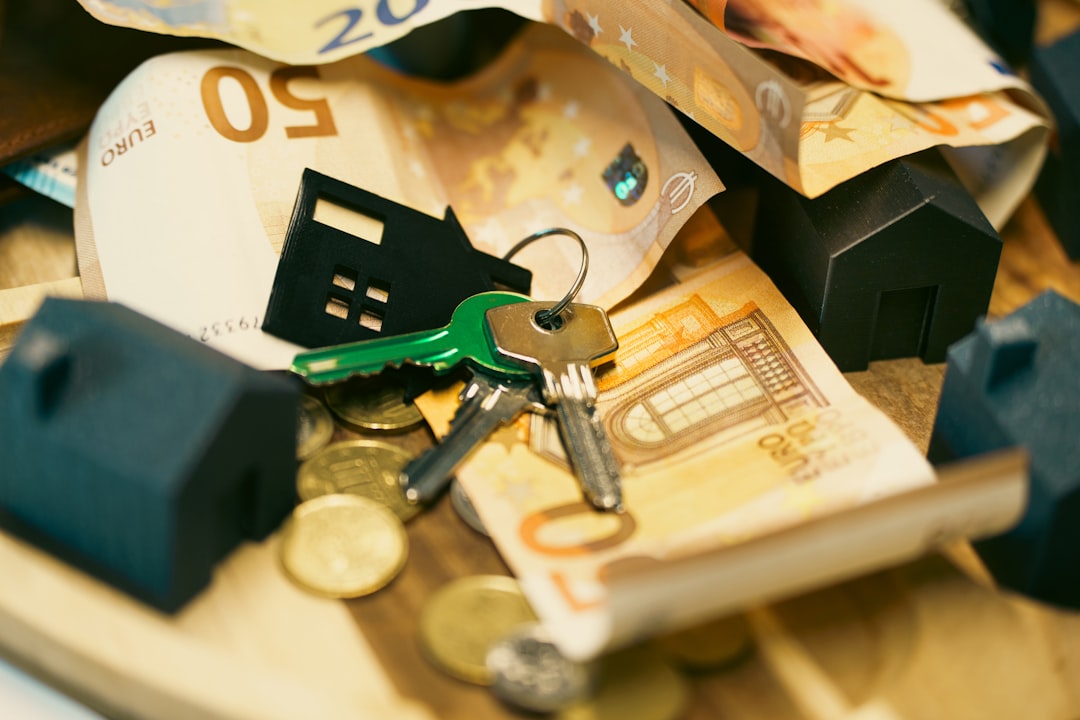
A down payment is the initial cash payment made when purchasing a home, typically ranging from 3% to 20% of the property’s purchase price. This upfront payment serves multiple functions in the home buying process and mortgage approval. The down payment reduces the lender’s financial risk by decreasing the loan-to-value ratio.
When borrowers contribute a substantial amount upfront, lenders view them as less likely to default on the loan. This reduced risk often translates to better loan terms, including lower interest rates and more flexible repayment options. The amount of the down payment directly impacts monthly mortgage payments.
A larger down payment reduces the principal loan amount, resulting in lower monthly payments over the life of the loan. Additionally, borrowers who make down payments of 20% or more typically avoid private mortgage insurance (PMI), which can add $100 to $300 or more to monthly housing costs. Most conventional loans require a minimum down payment of 3% to 5%, while government-backed loans such as FHA loans may accept as little as 3.5%.
VA loans for eligible veterans may require no down payment. However, making only the minimum down payment often results in higher monthly costs due to PMI requirements and larger loan amounts. The down payment amount also affects mortgage approval odds.
Lenders consider the down payment as evidence of the borrower’s financial stability and commitment to the investment, making approval more likely for those with larger down payments.
Key Takeaways
- A well-planned down payment is crucial for securing favorable mortgage terms and reducing loan costs.
- Setting achievable down payment goals and exploring assistance programs can make homeownership more accessible.
- Employing effective saving strategies and considering options like gifted funds or retirement accounts can boost your down payment.
- Understanding various mortgage loans and negotiating with sellers can provide additional down payment support.
- Avoiding common mistakes and seeking professional financial advice ensures a smoother down payment process.
Setting a Realistic Down Payment Goal
As you begin to consider purchasing a home, setting a realistic down payment goal is vital. This goal should be based on your financial situation, the housing market in your desired area, and your long-term objectives. Start by assessing how much you can afford to save without compromising your current lifestyle.
It’s essential to strike a balance between saving for your down payment and maintaining an emergency fund or other savings goals. A common recommendation is to aim for at least 20% of the home’s purchase price, but this may not be feasible for everyone. To create a realistic down payment goal, consider breaking it down into manageable steps.
Calculate how much you need to save each month to reach your target within a specific timeframe. This approach not only makes the goal feel more achievable but also allows you to track your progress along the way. Additionally, keep in mind that housing markets fluctuate; therefore, staying informed about market trends can help you adjust your goal as needed.
By setting a clear and attainable down payment goal, you position yourself for success in your home-buying journey.
Exploring Different Down Payment Assistance Programs

Navigating the world of home buying can be overwhelming, especially when it comes to financing your down payment. Fortunately, various down payment assistance programs are available to help first-time homebuyers and those with limited resources. These programs can come in the form of grants, low-interest loans, or even forgivable loans that do not require repayment if certain conditions are met.
Researching these options can significantly ease the financial burden of purchasing a home. Many state and local governments offer assistance programs tailored to specific demographics or regions. For instance, some programs are designed for low-income families or individuals in certain professions, such as teachers or healthcare workers.
Additionally, nonprofit organizations often provide resources and support for potential homeowners seeking assistance. By exploring these programs, you may discover opportunities that align with your financial situation and homeownership goals. Taking advantage of these resources can make a substantial difference in your ability to secure a home.
Saving Strategies to Reach Your Down Payment Goal
Once you’ve established a down payment goal, implementing effective saving strategies is crucial for reaching it. One of the most straightforward methods is to create a dedicated savings account specifically for your down payment. This account should be separate from your regular checking and savings accounts to help you avoid the temptation of dipping into those funds for other expenses.
Consider automating your savings by setting up regular transfers from your checking account to this dedicated account each month. In addition to setting up a dedicated account, look for ways to cut back on discretionary spending. Evaluate your monthly expenses and identify areas where you can reduce costs, such as dining out less frequently or canceling unused subscriptions.
Every little bit adds up, and redirecting those savings toward your down payment can accelerate your progress. You might also consider taking on a side job or freelance work to boost your income temporarily. By employing these strategies, you can create a robust savings plan that brings you closer to achieving your down payment goal.
Evaluating the Impact of a Larger Down Payment
| Down Payment Percentage | Description | Typical Loan Types | Impact on Monthly Payment |
|---|---|---|---|
| 3% | Minimum down payment for some conventional loans | Conventional 97, FHA (with mortgage insurance) | Higher monthly payments due to mortgage insurance |
| 5% | Common down payment amount for conventional loans | Conventional loans | Moderate monthly payments with possible mortgage insurance |
| 10% | Lower mortgage insurance premiums, better loan terms | Conventional loans | Lower monthly payments compared to 3-5% |
| 20% | Standard down payment to avoid private mortgage insurance (PMI) | Conventional loans | Lowest monthly payments, no PMI required |
As you contemplate how much to put down on your future home, it’s essential to evaluate the impact of making a larger down payment. While it may seem daunting to save up for a significant sum upfront, doing so can yield numerous benefits in the long run. A larger down payment often translates into lower monthly mortgage payments, which can ease financial strain and provide more flexibility in your budget for other expenses.
Additionally, putting more money down can help you avoid private mortgage insurance (PMI), which is typically required when your down payment is less than 20%. PMI can add hundreds of dollars to your monthly mortgage payment, so avoiding it can lead to substantial savings over time. Furthermore, lenders may view you as a lower-risk borrower with a larger down payment, potentially resulting in better interest rates and loan terms.
By carefully considering the advantages of a larger down payment, you can make an informed decision that aligns with your financial goals.
Considering the Option of a Gifted Down Payment
If saving for a down payment feels overwhelming, you might consider the option of receiving a gifted down payment from family members or friends. Many lenders allow this practice, recognizing that financial support from loved ones can help aspiring homeowners achieve their goals more quickly. However, it’s essential to understand the rules and regulations surrounding gifted funds before proceeding.
When accepting a gifted down payment, lenders typically require documentation that verifies the source of the funds. This may include a gift letter stating that the money is indeed a gift and not a loan that needs to be repaid. It’s crucial to communicate openly with both your lender and the person providing the gift to ensure all necessary paperwork is completed correctly.
By exploring this option, you may find that you can enter the housing market sooner than anticipated while still maintaining financial stability.
Avoiding Common Down Payment Mistakes
As you navigate the process of saving for and securing a down payment, it’s essential to be aware of common mistakes that could hinder your progress. One prevalent error is underestimating the total costs associated with purchasing a home. While focusing solely on the down payment is important, remember that there are additional expenses such as closing costs, inspections, and moving fees that can add up quickly.
Failing to account for these costs may leave you financially unprepared when it comes time to finalize your purchase. Another mistake is neglecting to shop around for mortgage options and interest rates. Many first-time buyers assume that they must go with their bank or credit union without exploring other lenders’ offerings.
Staying informed and proactive throughout this process will help you avoid pitfalls and make sound financial decisions as you work toward homeownership.
Exploring Different Types of Mortgage Loans and Their Down Payment Requirements
Understanding the various types of mortgage loans available is crucial when planning for your down payment. Different loan programs come with varying requirements regarding down payments, which can significantly impact your financial strategy. For instance, conventional loans typically require at least 3% to 20% down, while FHA loans are designed for first-time buyers and may allow as little as 3.5% down with lower credit score requirements.
Additionally, VA loans offer unique benefits for eligible veterans and active-duty service members by allowing them to purchase homes with no down payment at all. USDA loans also provide options for rural homebuyers with low-to-moderate incomes, often requiring no down payment as well. By familiarizing yourself with these different loan types and their respective down payment requirements, you can make informed decisions about which option best suits your financial situation and homeownership goals.
Negotiating with Sellers for Down Payment Assistance
In some cases, negotiating with sellers for down payment assistance can be an effective strategy when purchasing a home. While it may not be common practice in every market, some sellers may be willing to contribute toward your closing costs or offer other incentives that can alleviate some of the financial burden associated with buying a home. This approach requires open communication and negotiation skills but can lead to significant savings.
When considering this option, it’s essential to present yourself as a serious buyer who is genuinely interested in their property. Highlighting your financial readiness and commitment can make sellers more inclined to consider assisting with your down payment or closing costs. Additionally, working with an experienced real estate agent can provide valuable insights into local market conditions and help you navigate negotiations effectively.
Using Retirement Funds for a Down Payment
If you’re struggling to save enough for a down payment but have accumulated retirement savings, tapping into those funds may be an option worth considering. Many retirement accounts allow first-time homebuyers to withdraw funds without incurring penalties under certain conditions. For example, if you have a Roth IRA, you can withdraw contributions tax-free at any time; however, if you’re using earnings from the account, specific rules apply.
Before proceeding with this option, it’s crucial to weigh the pros and cons carefully. While accessing retirement funds may provide immediate relief in reaching your down payment goal, it could jeopardize your long-term financial security if not managed wisely. Consider consulting with a financial advisor who can help you evaluate whether this approach aligns with your overall financial plan and future goals.
Seeking Professional Financial Advice for Down Payment Planning
As you navigate the complexities of saving for and securing a down payment on a home, seeking professional financial advice can be invaluable. A financial advisor or mortgage specialist can provide personalized guidance tailored to your unique situation and goals. They can help you assess your current financial standing, explore various financing options, and develop a comprehensive plan for reaching your down payment target.
Additionally, professionals in this field stay updated on market trends and changes in lending practices that could impact your home-buying journey. By leveraging their expertise, you can make informed decisions that align with both your short-term needs and long-term aspirations. Ultimately, investing in professional advice can empower you on your path toward successful homeownership while ensuring that you’re making sound financial choices along the way.
For first-time home buyers, understanding the importance of a down payment is crucial in navigating the home buying process. A helpful resource that delves into various strategies and tips for saving for a down payment can be found in this article on wealth building: How Wealth Grows. This article provides valuable insights that can assist potential buyers in making informed financial decisions as they embark on their journey to homeownership.
FAQs
What is a down payment for a first-time home buyer?
A down payment is the initial upfront payment made by a buyer when purchasing a home. For first-time home buyers, it typically represents a percentage of the home’s purchase price and is paid at closing.
How much down payment is required for first-time home buyers?
The required down payment varies depending on the loan type and lender. Conventional loans often require 5% to 20%, while government-backed loans like FHA loans may require as little as 3.5%.
Are there any down payment assistance programs for first-time home buyers?
Yes, many states and local governments offer down payment assistance programs, including grants and low-interest loans, to help first-time buyers cover their down payment costs.
Can a first-time home buyer use gift money for the down payment?
Yes, many lenders allow first-time buyers to use gift money from family members or approved sources to cover part or all of the down payment, subject to documentation requirements.
Does a larger down payment benefit first-time home buyers?
A larger down payment can reduce monthly mortgage payments, lower interest rates, and may eliminate the need for private mortgage insurance (PMI), making homeownership more affordable over time.
What is the minimum credit score needed for a first-time home buyer down payment?
Credit score requirements vary by loan type and lender. FHA loans may accept scores as low as 580 with a 3.5% down payment, while conventional loans typically require higher scores.
Can first-time home buyers finance their down payment?
Generally, lenders require the down payment to come from the buyer’s own funds or approved sources. Financing the down payment through loans is usually not allowed, but some assistance programs may provide funds.
How does the down payment affect mortgage insurance for first-time buyers?
If the down payment is less than 20%, lenders often require private mortgage insurance (PMI) on conventional loans or mortgage insurance premiums (MIP) on FHA loans, which increases monthly payments.
Is it possible to buy a home with no down payment as a first-time buyer?
Some loan programs, such as VA loans for eligible veterans, offer zero down payment options. However, most first-time buyers will need to provide some down payment unless they qualify for specific programs.
When should a first-time home buyer start saving for a down payment?
It is advisable to start saving as early as possible, ideally several months to years before purchasing, to accumulate enough funds for the down payment, closing costs, and other expenses.