The Generational Wealth Gap: A Systemic Issue
The generational wealth gap represents a significant disparity in wealth accumulation between demographic groups, influenced by factors including race, ethnicity, and socioeconomic status. This gap is not primarily caused by individual financial decisions but stems from historical and systemic socioeconomic factors. The disparity directly impacts individuals’ access to resources, opportunities, and homeownership potential.
Understanding these structural inequalities is essential for addressing the barriers many face in achieving financial stability. Wealth transfer between generations plays a critical role in perpetuating this gap. Families with substantial assets can provide financial support to their children for education, home purchases, and investments, enhancing their economic prospects.
In contrast, families without such resources often struggle to escape poverty cycles, finding it increasingly difficult to build wealth over time. This pattern of inequality affects not only individual households but also has broader implications for community development and social cohesion.
Key Takeaways
- Generational wealth disparities significantly affect housing affordability and access.
- Historical discrimination and policies have contributed to persistent housing wealth gaps.
- Effective policy solutions include promoting homeownership and combating discriminatory practices.
- Increasing affordable housing and accessible financial resources can support disadvantaged communities.
- Education, intergenerational wealth transfer, and community collaboration are key to closing the gap.
Historical Factors Contributing to the Wealth Gap in Housing
To fully grasp the wealth gap in housing, it is essential to explore the historical factors that have contributed to this issue. One significant factor is the legacy of discriminatory practices such as redlining, which systematically denied mortgage loans and insurance to residents in predominantly minority neighborhoods. This practice not only hindered homeownership among marginalized communities but also devalued properties in those areas, creating a long-lasting impact on wealth accumulation.
As you reflect on this history, it becomes evident that these policies have had a ripple effect, contributing to the wealth gap that persists today. Additionally, you should consider the role of economic policies and labor market dynamics throughout history. The post-World War II era saw a boom in homeownership, largely benefiting white families through government-backed loans and subsidies.
However, many minority families were excluded from these opportunities due to systemic racism and discriminatory lending practices. This historical context is vital for understanding how wealth disparities have been entrenched over generations, making it increasingly challenging for disadvantaged communities to catch up in terms of homeownership and wealth accumulation.
Impact of the Wealth Gap on Housing Affordability
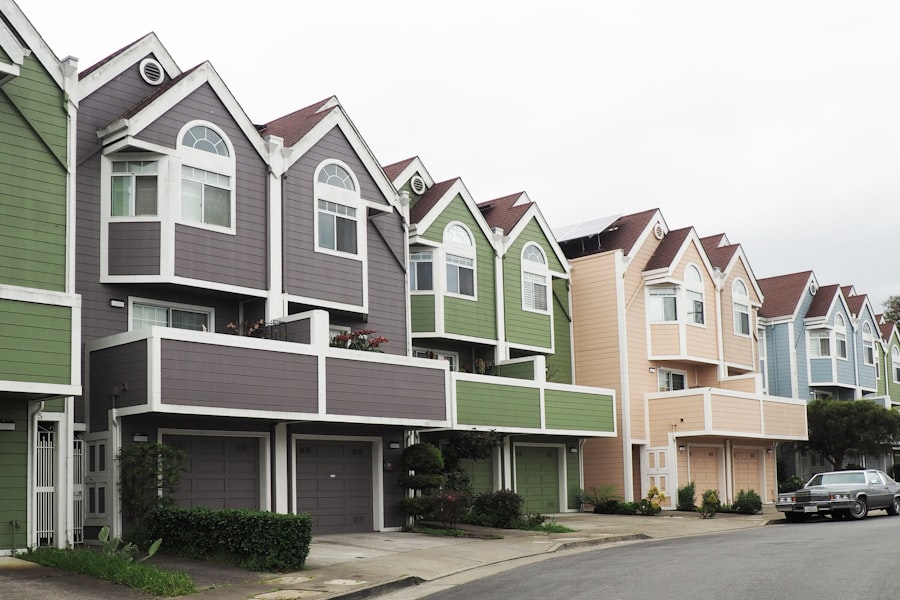
The wealth gap has profound implications for housing affordability, affecting your ability to secure a home that meets your needs without straining your finances. As housing prices continue to rise in many urban areas, those without inherited wealth or financial support find themselves at a significant disadvantage. You may notice that individuals from lower-income backgrounds often face higher barriers to entry in the housing market, including larger down payment requirements and higher interest rates on loans.
Moreover, the impact of the wealth gap extends beyond mere affordability; it also influences the quality of housing available to different demographic groups. You might observe that neighborhoods with lower property values often lack essential services and amenities, further entrenching socio-economic disparities.
The inability to access quality housing not only affects your living conditions but also has long-term consequences for health, education, and overall well-being. As you consider these factors, it becomes clear that addressing the wealth gap is crucial for improving housing affordability and ensuring equitable access to quality homes.
Policy Solutions to Address the Wealth Gap in Housing
To effectively tackle the wealth gap in housing, a multifaceted approach involving policy solutions is essential. One potential solution is the implementation of inclusive zoning laws that encourage affordable housing development in high-opportunity areas. By promoting mixed-income neighborhoods, you can help create environments where individuals from diverse backgrounds can thrive together.
Such policies can also incentivize developers to include affordable units in their projects, thereby increasing access for low- and moderate-income families. Another critical policy solution involves expanding access to financial education and resources for first-time homebuyers. You may find that many individuals are unaware of available programs or assistance that could facilitate their entry into homeownership.
By providing targeted outreach and education initiatives, policymakers can empower potential buyers with the knowledge they need to navigate the complex housing market successfully. This approach not only addresses immediate barriers but also fosters long-term financial literacy and stability within communities.
Promoting Homeownership Opportunities for Disadvantaged Communities
| Generation | Homeownership Rate (%) | Median Home Equity (Thousands) | Median Net Worth (Thousands) | Average Age of First-Time Homebuyer |
|---|---|---|---|---|
| Baby Boomers (1946-1964) | 78 | 200 | 1500 | 30 |
| Generation X (1965-1980) | 65 | 120 | 700 | 33 |
| Millennials (1981-1996) | 45 | 50 | 250 | 34 |
| Generation Z (1997-2012) | 20 | 15 | 50 | 28 |
Promoting homeownership opportunities for disadvantaged communities requires a concerted effort from various stakeholders, including government agencies, non-profit organizations, and private sector partners. You might consider initiatives such as down payment assistance programs specifically designed for low-income families or first-time buyers. These programs can alleviate some of the financial burdens associated with purchasing a home, making it more attainable for those who have historically been excluded from homeownership.
Additionally, community land trusts represent an innovative approach to promoting affordable homeownership. By allowing communities to collectively own land while providing individuals with the opportunity to purchase homes at reduced prices, you can help ensure long-term affordability and stability. This model not only empowers residents but also fosters a sense of community ownership and investment in local neighborhoods.
Addressing Discriminatory Practices in Housing

Addressing discriminatory practices in housing is paramount for closing the generational wealth gap. You may be aware that systemic racism has historically influenced housing policies and practices, leading to unequal treatment based on race or ethnicity. To combat this issue, it is essential to enforce fair housing laws rigorously and hold accountable those who engage in discriminatory practices.
This includes ensuring that all individuals have equal access to housing opportunities regardless of their background. Moreover, you might consider advocating for transparency in lending practices to prevent discrimination based on credit history or income level. By promoting equitable lending standards and requiring lenders to disclose their practices publicly, you can help create a more level playing field for all potential homebuyers.
Addressing these discriminatory practices is not only a moral imperative but also a necessary step toward achieving greater equity in housing.
Creating Accessible Financial Resources for Homebuyers
Creating accessible financial resources for homebuyers is crucial for bridging the wealth gap in housing. You may find that many potential buyers are unaware of various financing options available to them or feel intimidated by the mortgage application process. To address this issue, financial institutions can develop user-friendly resources that simplify the process and provide clear information about different loan products.
Additionally, you might consider advocating for programs that offer low-interest loans or grants specifically targeted at first-time homebuyers from disadvantaged backgrounds. By reducing the financial burden associated with purchasing a home, these resources can empower individuals to take steps toward homeownership without incurring crippling debt. Making financial resources more accessible is an essential component of fostering equitable opportunities in housing.
Investing in Affordable Housing Development
Investing in affordable housing development is a critical strategy for addressing the generational wealth gap in housing. You may recognize that without sufficient affordable housing options, low- and moderate-income families will continue to struggle with rising rents and limited access to homeownership opportunities. By prioritizing investments in affordable housing projects, governments and private developers can help create sustainable communities where individuals can thrive.
Moreover, you might consider supporting policies that incentivize developers to include affordable units in their projects through tax credits or grants. These incentives can encourage private investment in affordable housing while ensuring that new developments cater to diverse income levels. By fostering an environment where affordable housing is prioritized alongside market-rate developments, you can contribute to creating more equitable communities.
Supporting Intergenerational Wealth Transfer
Supporting intergenerational wealth transfer is another vital aspect of addressing the wealth gap in housing. You may understand that many families rely on inherited assets to build their financial futures; however, systemic barriers often prevent marginalized communities from benefiting from this practice. To promote equitable intergenerational wealth transfer, it is essential to create policies that facilitate asset building among disadvantaged families.
By encouraging parents to save and invest in their children’s futures, you can help break the cycle of poverty and promote upward mobility within communities. Supporting intergenerational wealth transfer not only benefits individual families but also contributes to broader economic stability and growth.
Educating and Empowering Future Generations on Financial Literacy
Educating and empowering future generations on financial literacy is crucial for closing the generational wealth gap in housing. You may recognize that many young people lack essential knowledge about budgeting, saving, and investing—skills necessary for navigating the complexities of homeownership. By integrating financial literacy programs into school curricula or community initiatives, you can equip young individuals with the tools they need to make informed financial decisions.
Moreover, mentorship programs that connect young people with experienced professionals in finance or real estate can provide invaluable guidance as they embark on their financial journeys. By fostering a culture of financial literacy within communities, you can help empower future generations to break free from cycles of poverty and build sustainable wealth through homeownership.
Collaborating with Community Organizations to Address the Wealth Gap in Housing
Collaboration with community organizations is essential for effectively addressing the wealth gap in housing. You may find that local non-profits play a crucial role in advocating for affordable housing initiatives and providing resources for potential homebuyers. By partnering with these organizations, you can amplify your efforts and create a more significant impact within your community.
Additionally, engaging with grassroots organizations allows you to better understand the unique challenges faced by marginalized communities regarding housing access and affordability. By listening to their needs and incorporating their feedback into policy initiatives or programs, you can ensure that your efforts are genuinely addressing the root causes of the wealth gap in housing. Collaborative approaches foster inclusivity and empower communities to take charge of their economic futures while working toward equitable solutions together.
In conclusion, addressing the generational wealth gap in housing requires a comprehensive understanding of its historical roots and current implications. By exploring policy solutions, promoting homeownership opportunities, addressing discriminatory practices, creating accessible financial resources, investing in affordable housing development, supporting intergenerational wealth transfer, educating future generations on financial literacy, and collaborating with community organizations, you can contribute significantly toward closing this gap and fostering equitable access to housing for all individuals.
The generational wealth gap in housing is a pressing issue that affects many families, as disparities in homeownership can perpetuate economic inequality. A related article that delves deeper into this topic is available at How Wealth Grows, where you can explore various factors contributing to the wealth gap and potential solutions to bridge it. Understanding these dynamics is crucial for fostering equitable opportunities in housing and wealth accumulation for future generations.
FAQs
What is the generational wealth gap?
The generational wealth gap refers to the disparity in accumulated assets and financial resources between different age groups, often highlighting how younger generations typically have less wealth compared to older generations.
How does the generational wealth gap affect housing?
The wealth gap impacts housing by influencing the ability of younger generations to afford homeownership. Older generations often have more equity and assets, making it easier for them to buy or maintain homes, while younger people may face higher debt, lower savings, and rising housing costs.
Why is homeownership important in building generational wealth?
Homeownership is a key factor in building generational wealth because it allows individuals to accumulate equity over time, which can be passed down to future generations, providing financial stability and opportunities for wealth growth.
What factors contribute to the generational wealth gap in housing?
Contributing factors include rising home prices, wage stagnation, student loan debt, differences in inheritance, economic recessions, and disparities in access to credit and financial education.
How has the housing market changed across generations?
Housing markets have seen significant price increases, making it more difficult for younger generations to afford homes. Additionally, changes in lending standards, urbanization, and shifts in housing supply have affected affordability and access.
Can government policies help reduce the generational wealth gap in housing?
Yes, policies such as affordable housing programs, down payment assistance, tax incentives for first-time buyers, and reforms in lending practices can help improve access to homeownership and reduce the wealth gap.
What role does inheritance play in the generational wealth gap?
Inheritance can significantly impact the wealth gap by providing younger generations with financial resources to purchase homes or invest, which can perpetuate or widen disparities depending on who receives such transfers.
Are there differences in the generational wealth gap across racial or ethnic groups?
Yes, racial and ethnic disparities exist within the generational wealth gap, often due to historical inequalities, discrimination in housing and lending, and differences in income and employment opportunities.
How can younger generations overcome challenges related to the wealth gap in housing?
Younger generations can focus on financial education, saving for down payments, improving credit scores, exploring alternative housing options, and advocating for supportive housing policies to improve their chances of homeownership.
What is the long-term impact of the generational wealth gap on society?
The wealth gap can lead to increased economic inequality, reduced social mobility, and challenges in wealth accumulation for younger generations, potentially affecting overall economic growth and social cohesion.