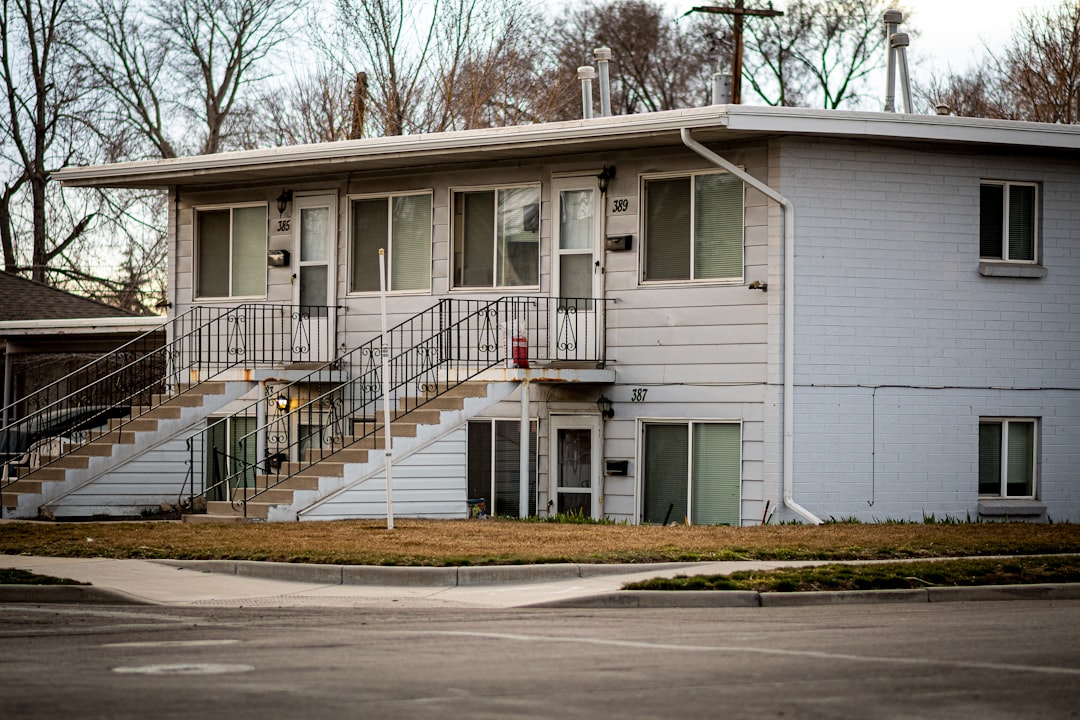
NIMBY, an acronym for “Not In My Backyard,” describes a pattern of local opposition to developments or projects that residents consider necessary but prefer to locate elsewhere. This phenomenon commonly occurs with affordable housing developments, homeless shelters, waste management facilities, and other infrastructure projects that communities view as essential but potentially disruptive to their immediate area. Research indicates that NIMBY attitudes arise from multiple factors, including concerns about property value impacts, alterations to neighborhood demographics and character, traffic increases, and perceived safety risks.
Studies have documented that these responses occur across various socioeconomic levels, though they tend to be more organized and effective in affluent communities with greater political influence and resources. NIMBY opposition typically manifests through public participation in zoning meetings, petition drives, legal challenges, and coordinated advocacy campaigns. These actions can significantly delay or prevent project implementation, creating measurable effects on regional housing supply, infrastructure development, and social service delivery.
Economic analyses have linked NIMBY practices to increased housing costs, geographic concentration of poverty, and reduced mobility opportunities for low-income populations. Understanding NIMBY dynamics is essential for urban planners, policymakers, and housing advocates working to address community development challenges and regional equity issues.
Key Takeaways
- NIMBY housing policies restrict new development, limiting housing supply and affordability.
- These policies contribute to increased homelessness by reducing available affordable housing options.
- NIMBYism can accelerate gentrification and reinforce racial and economic segregation.
- Environmental consequences include promoting urban sprawl and increased carbon emissions.
- Overcoming NIMBY challenges requires inclusive strategies that balance development, equity, and community concerns.
The Effects of NIMBY Policies on Housing Affordability
One of the most significant consequences of NIMBY policies is their detrimental impact on housing affordability. When communities resist the construction of new housing developments, particularly those aimed at low- and moderate-income families, they inadvertently exacerbate the housing crisis. You may notice that as demand for housing continues to rise, the limited supply drives prices up, making it increasingly difficult for individuals and families to find affordable options.
This situation creates a vicious cycle where the very communities that oppose new developments end up facing higher costs and reduced availability of housing. Moreover, NIMBY policies often lead to a concentration of wealth and resources in certain neighborhoods while pushing lower-income residents further away from urban centers. As you consider the implications of this trend, it becomes evident that the lack of affordable housing options can lead to increased commuting times and costs for those who are forced to live farther from their jobs.
This not only affects individual quality of life but also has broader economic repercussions, as it can hinder workforce mobility and productivity. The challenge lies in finding a balance between community concerns and the urgent need for affordable housing solutions.
The Impact of NIMBY Policies on Homelessness

NIMBY policies also play a significant role in exacerbating homelessness. When communities resist the establishment of shelters or supportive housing for individuals experiencing homelessness, they effectively push these vulnerable populations further into the margins. You might find it troubling that many cities face a growing homelessness crisis, yet local opposition often prevents the implementation of effective solutions.
This resistance can stem from fears about safety or property values, but it ultimately leads to a lack of resources for those who need them most. As you explore this issue further, consider how NIMBY attitudes can create a cycle of exclusion.
Furthermore, when communities refuse to accept responsibility for addressing homelessness within their borders, they contribute to a broader societal failure. It is essential to recognize that homelessness is not just a local issue; it is a reflection of systemic inequalities that require collective action and understanding.
NIMBY Policies and Gentrification
Gentrification is another complex issue intertwined with NIMBY policies. As neighborhoods undergo revitalization and attract new investments, long-time residents may find themselves displaced due to rising rents and property values. You may observe that while some residents welcome new developments as a sign of progress, others fear losing their homes and community ties.
NIMBY attitudes can complicate this dynamic, as they often prioritize the interests of existing homeowners over those of lower-income residents who may be at risk of displacement. The tension between development and preservation is palpable in many urban areas. As you consider the implications of gentrification fueled by NIMBY policies, it becomes clear that there is a need for inclusive planning processes that take into account the voices of all community members.
Balancing the desire for economic growth with the need for affordable housing is no small feat, but it is essential for fostering equitable communities where everyone can thrive.
NIMBY Policies and Segregation
| Metric | Effect of NIMBY Housing Policy | Data/Value | Source/Study |
|---|---|---|---|
| Housing Supply Growth | Reduced due to restrictive zoning and opposition | 5-15% lower growth compared to permissive areas | Urban Institute, 2022 |
| Housing Prices | Increased due to limited supply | 10-30% higher prices in NIMBY-affected regions | Harvard Joint Center for Housing Studies, 2021 |
| Rental Affordability | Decreased affordability for low and middle-income renters | Rent burden increased by 8-12% | National Low Income Housing Coalition, 2023 |
| New Housing Permits | Fewer permits issued in NIMBY zones | 20-40% fewer permits annually | U.S. Census Bureau, 2022 |
| Socioeconomic Segregation | Increased segregation due to exclusionary policies | Higher income inequality indices by 0.1-0.2 points | Brookings Institution, 2020 |
| Commute Times | Longer commutes as workers move farther out | Average commute increased by 10-15 minutes | American Community Survey, 2021 |
NIMBY policies can also contribute to patterns of segregation within communities. When certain neighborhoods resist affordable housing developments or social services aimed at marginalized populations, they inadvertently reinforce existing divides based on race and class. You may find it disheartening that these policies often perpetuate systemic inequalities, making it difficult for individuals from diverse backgrounds to access opportunities and resources.
As you reflect on this issue, consider how segregation impacts not only individual lives but also community cohesion. When neighborhoods become homogenous due to NIMBY attitudes, they miss out on the benefits of diversity—cultural exchange, innovation, and social resilience. Addressing segregation requires a concerted effort to challenge NIMBYism and promote inclusive policies that foster integration and equity across all sectors of society.
Environmental Impacts of NIMBY Housing Policies
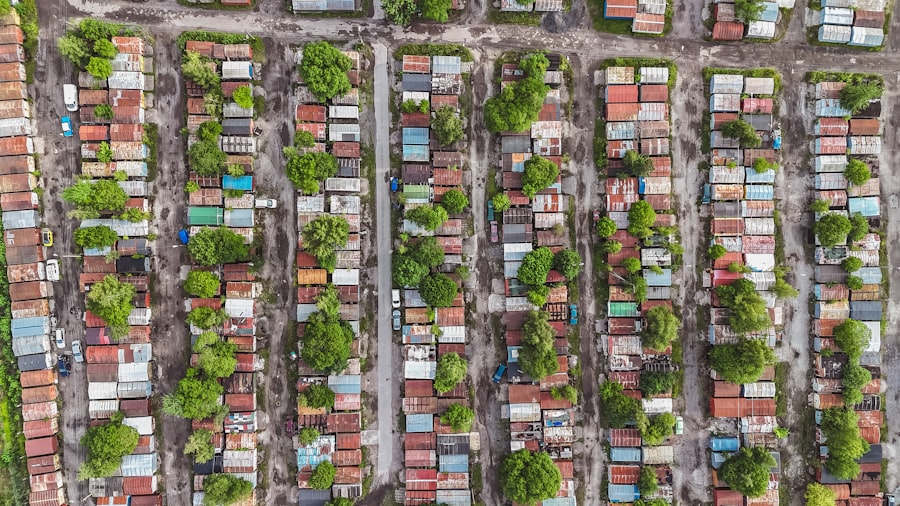
The environmental implications of NIMBY housing policies are often overlooked but are critical to consider. When communities resist new developments, they may inadvertently contribute to urban sprawl as people seek housing in more distant areas. You might recognize that this sprawl leads to increased reliance on automobiles, resulting in higher greenhouse gas emissions and greater traffic congestion.
The irony is that while some residents may oppose new developments out of concern for preserving their environment, their actions can have the opposite effect. Additionally, NIMBY policies can hinder efforts to create sustainable communities that prioritize green spaces and environmentally friendly infrastructure. As you think about the future of urban planning, it becomes clear that embracing responsible development is essential for addressing climate change and promoting environmental stewardship.
By fostering collaboration between communities and developers, it is possible to create solutions that benefit both residents and the planet.
The Role of NIMBY Policies in Urban Sprawl
Urban sprawl is a direct consequence of NIMBY policies that resist higher-density developments in established neighborhoods. When communities oppose new housing projects within their borders, they push potential residents further out into suburban or rural areas where land is more readily available. You may find this trend concerning as it leads to longer commutes, increased traffic congestion, and greater environmental degradation due to expanded infrastructure needs.
As you consider the implications of urban sprawl driven by NIMBYism, think about how it affects not only individual lifestyles but also community dynamics. Sprawling developments often lack the amenities and services found in more densely populated areas, leading to a decline in social cohesion and community engagement. Addressing urban sprawl requires a shift in mindset—one that embraces sustainable growth and recognizes the importance of creating vibrant, interconnected communities.
NIMBY Policies and Economic Development
NIMBY policies can stifle economic development by creating barriers to new businesses and job opportunities. When communities resist commercial developments or mixed-use projects that include affordable housing, they limit their potential for growth and innovation. You might notice that this resistance can lead to missed opportunities for local job creation and economic revitalization.
Moreover, when businesses perceive a community as unfriendly to development, they may choose to invest elsewhere, further exacerbating economic disparities. As you reflect on this issue, consider how fostering a more welcoming environment for development can lead to increased investment and job opportunities for all residents. Encouraging collaboration between local governments, businesses, and community members is essential for creating an economic landscape that benefits everyone.
NIMBY Policies and Social Equity
Social equity is deeply intertwined with the effects of NIMBY policies on housing and community development. When certain groups resist affordable housing initiatives or social services in their neighborhoods, they contribute to systemic inequalities that disproportionately affect marginalized populations. You may find it troubling that these policies often perpetuate cycles of poverty and exclusion while benefiting those who already have access to resources.
As you explore this topic further, consider how promoting social equity requires challenging NIMBY attitudes and fostering inclusive dialogue within communities. By prioritizing the needs of all residents—regardless of income level or background—you can help create environments where everyone has access to opportunities and resources necessary for success.
Challenges of Overcoming NIMBY Policies
Overcoming NIMBY policies presents numerous challenges for policymakers and advocates alike. One significant hurdle is changing public perception; many residents hold deeply ingrained beliefs about development that are difficult to shift. You might find it frustrating that even well-researched arguments highlighting the benefits of affordable housing or social services often fall on deaf ears due to fear or misinformation.
Additionally, navigating local political landscapes can be complex as elected officials may be hesitant to support initiatives that could alienate their constituents. As you consider these challenges, think about how building coalitions among diverse stakeholders—community members, developers, and local governments—can help create a more unified approach toward addressing NIMBYism.
Strategies for Addressing the Impact of NIMBY Housing Policies
To effectively address the impact of NIMBY housing policies, several strategies can be employed. First and foremost is fostering open dialogue within communities about the importance of affordable housing and inclusive development. You may find that hosting community forums or workshops can help dispel myths surrounding new developments while highlighting their potential benefits.
Another effective strategy involves engaging with local leaders and decision-makers to advocate for policy changes that promote equitable development practices. By working collaboratively with stakeholders across various sectors—such as non-profits focused on housing advocacy or businesses interested in economic growth—you can help create a more supportive environment for addressing NIMBYism. In conclusion, understanding the complexities surrounding NIMBY housing policies is crucial for anyone invested in creating equitable communities.
By recognizing their effects on affordability, homelessness, gentrification, segregation, environmental sustainability, urban sprawl, economic development, social equity—and by employing effective strategies—you can contribute positively toward overcoming these challenges and fostering inclusive growth in your community.
The effects of NIMBY (Not In My Backyard) housing policies can significantly impact local communities and housing availability. For a deeper understanding of how these policies shape economic landscapes and influence wealth distribution, you can read a related article on the topic at