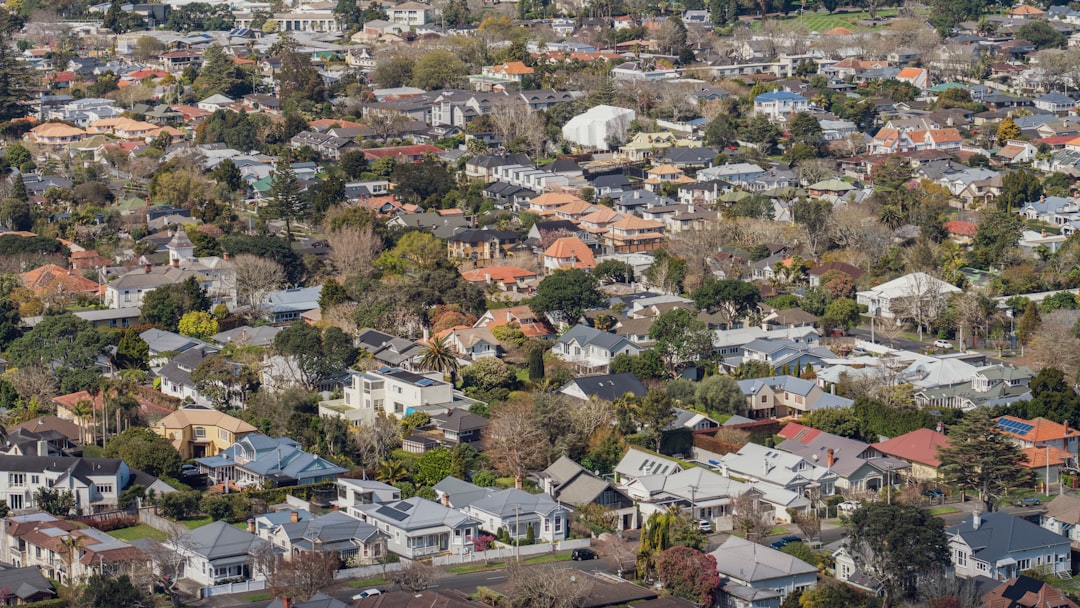
As modern life becomes increasingly complex, housing affordability has emerged as a significant challenge. The housing affordability crisis affects millions of individuals and families worldwide, manifesting through rapidly increasing home prices and rental rates that make stable, affordable housing difficult to secure. This issue requires thorough examination to understand its broad implications for society, economic systems, and personal wellbeing.
The housing affordability crisis stems from multiple interconnected economic, social, and political factors. A growing disparity exists between income levels and housing costs, creating financial pressure for many households. This crisis extends beyond economic concerns, impacting mental health, community stability, and quality of life.
Examining current trends, economic influences, and potential solutions provides essential context for understanding this critical issue.
Key Takeaways
- Housing affordability is worsening due to rising prices and rents outpacing income growth.
- Economic factors like inflation and interest rates significantly influence housing costs.
- Government policies and urbanization trends both shape the availability and affordability of housing.
- Demographic changes and climate impacts are creating new challenges for affordable housing access.
- Innovative solutions and proactive action are essential to prevent a housing affordability crisis.
Current Trends in Housing Prices and Rent
In recent years, you may have noticed a dramatic shift in housing prices and rental rates across many urban and suburban areas. The trend is alarming: home prices have surged to unprecedented levels, often outpacing wage growth and leaving many individuals priced out of the market. In some regions, bidding wars have become commonplace, with buyers offering significantly more than the asking price just to secure a home.
This phenomenon not only highlights the competitive nature of the housing market but also underscores the growing disparity between what people earn and what they must pay for shelter. Renting has not been immune to these trends either. You might find that rental prices have escalated at an alarming rate, making it increasingly difficult for renters to find affordable options.
Many cities are experiencing a rental crisis where average rents consume a substantial portion of household income, often exceeding the recommended 30% threshold. This situation forces many individuals to make difficult choices, such as sacrificing other essential needs or living in substandard conditions just to keep a roof over their heads. The current landscape of housing prices and rent is a clear indicator of the broader affordability crisis that demands urgent attention.
Impact of Economic Factors on Housing Affordability
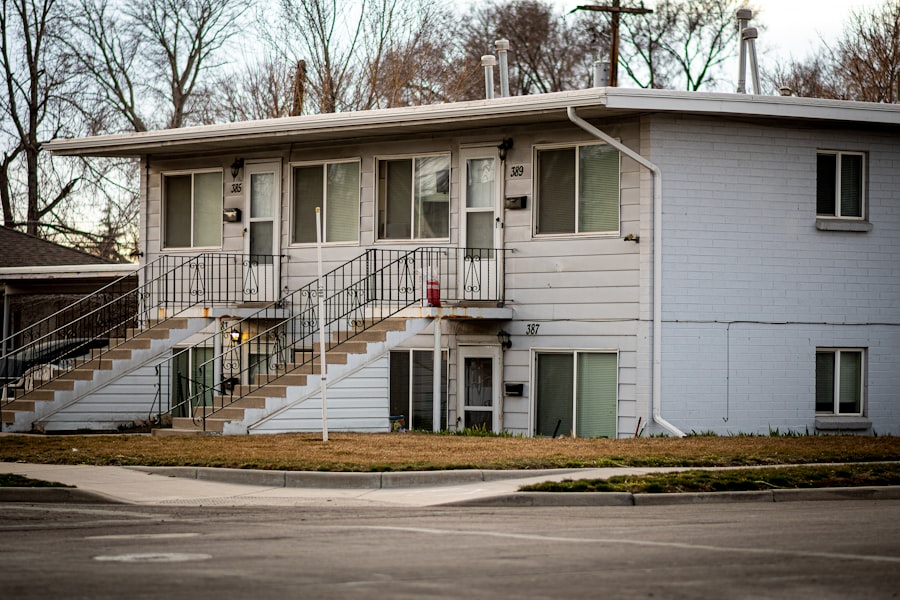
As you consider the economic factors influencing housing affordability, it becomes evident that various elements play a crucial role in shaping the market. Interest rates, for instance, have a significant impact on mortgage affordability. When interest rates rise, borrowing costs increase, making it more challenging for potential homeowners to enter the market.
Conversely, when rates are low, it can lead to increased demand for homes, further driving up prices. This cyclical nature of interest rates and housing demand creates a precarious balance that can easily tip into unaffordability. Additionally, inflation plays a pivotal role in exacerbating the housing affordability crisis.
As the cost of living rises, wages often fail to keep pace, leading to a widening gap between income and housing costs. You may find that even as your paycheck increases slightly, it does not translate into greater purchasing power when it comes to housing. This disconnect can lead to increased financial strain and a sense of hopelessness for many individuals trying to secure stable housing in an ever-changing economic landscape.
Government Policies and their Effect on Housing Affordability
Government policies significantly influence housing affordability, both positively and negatively. As you explore this aspect of the crisis, you may come across various initiatives aimed at increasing access to affordable housing. For instance, some governments have implemented zoning reforms to encourage the development of more affordable units or provided incentives for developers to include low-income housing in their projects.
These measures can help alleviate some pressure on the housing market by increasing supply. However, not all policies have had the desired effect. In some cases, restrictive zoning laws and regulations can stifle new construction and limit the availability of affordable housing options.
You might also encounter discussions around rent control measures that aim to protect tenants from exorbitant increases but can inadvertently discourage landlords from maintaining or investing in their properties. The interplay between government policies and housing affordability is complex and requires careful consideration to ensure that solutions are effective and sustainable.
The Role of Urbanization in the Housing Affordability Crisis
| Metric | Value (2025) | Change from 2020 | Notes |
|---|---|---|---|
| Median Home Price | 450,000 | +25% | Significant increase driven by demand outpacing supply |
| Median Household Income | 65,000 | +10% | Income growth slower than home price growth |
| Home Price to Income Ratio | 6.9 | +1.5 | Indicates worsening affordability |
| Percentage of Income Spent on Housing | 38% | +5% | Above the recommended 30% threshold |
| Rental Vacancy Rate | 3.2% | -1.1% | Lower vacancy rates increase rental costs |
| Number of Affordable Housing Units Needed | 1,200,000 | +20% | Gap in affordable housing supply |
| Homeownership Rate | 62% | -3% | Decline due to affordability challenges |
Urbanization is another critical factor contributing to the housing affordability crisis. As more people flock to cities in search of better job opportunities and amenities, demand for housing in urban areas has skyrocketed. You may have noticed that this influx often leads to increased competition for limited housing stock, driving prices higher and pushing lower-income residents further away from city centers.
This trend creates a cycle where those who can afford to live in urban areas often do so at the expense of those who cannot. Moreover, urbanization can lead to gentrification, where neighborhoods undergo transformation due to an influx of wealthier residents. While this can bring investment and improvements to an area, it often displaces long-time residents who can no longer afford rising rents or property taxes.
As you reflect on urbanization’s impact on housing affordability, it becomes clear that addressing this issue requires a nuanced approach that balances growth with inclusivity.
Demographic Shifts and Housing Affordability
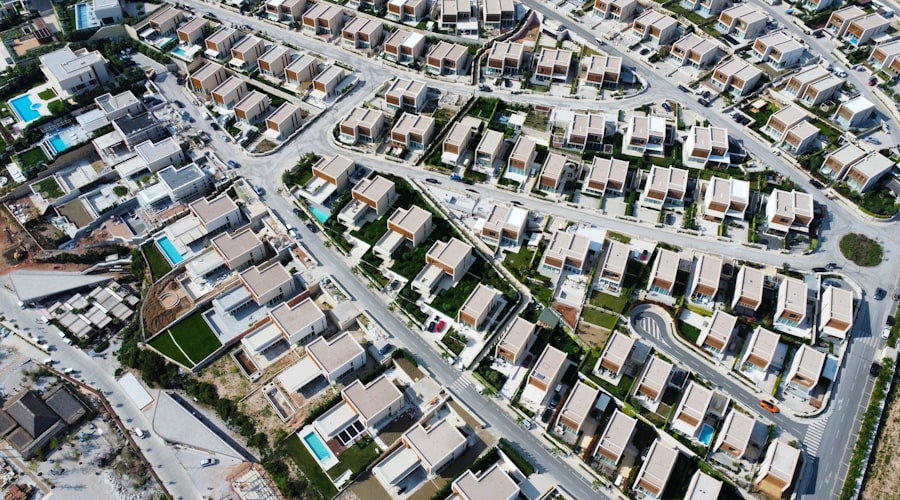
Demographic shifts also play a significant role in shaping housing affordability trends. As you observe changing population dynamics—such as aging populations, increasing diversity, and shifting family structures—you may notice how these factors influence housing demand and preferences. For instance, millennials are now entering the housing market in larger numbers but often face unique challenges such as student debt and stagnant wages that hinder their ability to purchase homes.
Additionally, as more individuals choose to live alone or in smaller households, there is an increased demand for smaller living spaces or multi-family units. This shift can create opportunities for innovative housing solutions but also poses challenges in terms of supply and affordability. Understanding these demographic trends is essential for developing effective strategies to address the housing affordability crisis while meeting the diverse needs of various populations.
The Rise of Non-Traditional Housing Options
In response to the growing affordability crisis, you may have noticed a rise in non-traditional housing options that aim to provide affordable alternatives for those struggling with high costs. Tiny homes, co-housing communities, and modular homes are gaining popularity as innovative solutions that challenge conventional notions of homeownership. These options often emphasize sustainability and community living while providing more accessible price points for potential homeowners.
These approaches not only address affordability but also foster a sense of community ownership and investment in local neighborhoods. As you explore these non-traditional options, it becomes clear that creativity and innovation are essential components in tackling the housing affordability crisis.
The Impact of Climate Change on Housing Affordability
Climate change is an increasingly pressing issue that intersects with housing affordability in profound ways. As you consider the implications of climate change on housing markets, you may recognize that extreme weather events and rising sea levels can significantly impact property values and insurance costs.
Moreover, as communities grapple with climate resilience efforts, you might find that investments in infrastructure and sustainability can drive up costs for new developments. These expenses can ultimately be passed on to consumers, further exacerbating affordability challenges. Addressing climate change’s impact on housing affordability requires a holistic approach that considers both environmental sustainability and economic accessibility.
The Future of Homeownership in the Face of Affordability Challenges
As you contemplate the future of homeownership amid ongoing affordability challenges, it becomes evident that traditional pathways to homeownership may need reevaluation. With rising prices and stagnant wages creating barriers for many aspiring homeowners, alternative models may emerge as viable solutions. You might envision a future where shared ownership arrangements or cooperative housing become more mainstream options for individuals seeking stability without overwhelming financial burdens.
Additionally, as technology continues to evolve, you may see innovations such as virtual reality home tours or blockchain-based property transactions streamline the buying process and reduce costs associated with homeownership. The future landscape of homeownership will likely be shaped by a combination of economic realities and creative solutions aimed at making housing more accessible for all.
Solutions for Addressing the Looming Housing Affordability Crisis
To effectively address the looming housing affordability crisis, a multifaceted approach is essential. You may find that collaboration among various stakeholders—government agencies, private developers, non-profit organizations, and community members—is crucial for developing comprehensive solutions. Initiatives such as increasing funding for affordable housing projects or implementing inclusionary zoning policies can help create more equitable access to housing.
Furthermore, investing in public transportation infrastructure can alleviate some pressure on urban housing markets by making suburban areas more accessible for commuters. You might also consider advocating for policies that promote sustainable development practices while ensuring that affordable options remain available within growing communities. By exploring diverse solutions and fostering collaboration among stakeholders, we can work towards mitigating the impacts of the housing affordability crisis.
Taking Action to Prevent a Housing Affordability Disaster
As you reflect on the complexities surrounding the housing affordability crisis, it becomes clear that immediate action is necessary to prevent further deterioration of this critical issue. The consequences of inaction extend beyond individual financial struggles; they threaten community cohesion and overall societal well-being. By understanding the various factors contributing to this crisis—from economic influences to demographic shifts—you are better equipped to engage in meaningful discussions about potential solutions.
Taking action requires not only awareness but also advocacy for policies that prioritize affordable housing access for all individuals regardless of income level or background. Whether through supporting local initiatives or engaging with policymakers at various levels of government, your voice can contribute to meaningful change in addressing this pressing issue. Together, we can work towards creating a future where safe and affordable housing is not just a dream but a reality for everyone.
The housing affordability crisis is expected to escalate by 2025, with rising costs and stagnant wages creating significant challenges for many families. A related article that delves into the factors contributing to this crisis and potential solutions can be found at How Wealth Grows. This resource provides valuable insights into the economic trends affecting housing markets and offers strategies for individuals seeking to navigate these turbulent times.
FAQs
What is the housing affordability crisis in 2025?
The housing affordability crisis in 2025 refers to the ongoing challenge where a significant portion of the population struggles to afford adequate housing due to rising home prices, increased rent, and stagnant wages.
What factors are contributing to the housing affordability crisis in 2025?
Key factors include limited housing supply, increased demand, rising construction costs, inflation, wage stagnation, and policy challenges that restrict new housing development.
Which groups are most affected by the housing affordability crisis?
Low- and middle-income families, young adults, renters, and marginalized communities are typically the most affected by housing affordability issues.
How does the housing affordability crisis impact the economy?
The crisis can lead to reduced consumer spending, increased homelessness, workforce shortages in certain areas, and greater economic inequality.
What measures are being taken to address the housing affordability crisis in 2025?
Measures include increasing affordable housing development, revising zoning laws, offering subsidies or tax incentives, expanding rental assistance programs, and promoting sustainable urban planning.
Is the housing affordability crisis a global issue?
Yes, many countries around the world face housing affordability challenges, though the severity and specific causes vary by region.
How can individuals cope with the housing affordability crisis?
Individuals may consider options such as shared housing, relocating to more affordable areas, seeking housing assistance programs, or exploring alternative financing options.
What role do governments play in the housing affordability crisis?
Governments influence housing affordability through policies, regulations, funding for affordable housing projects, and programs aimed at supporting renters and homebuyers.
Are housing prices expected to continue rising beyond 2025?
While trends vary by location, many experts anticipate that without significant policy changes and increased housing supply, housing prices and rents may continue to rise in many markets.
How does the housing affordability crisis affect homelessness rates?
Increased housing costs often contribute to higher rates of homelessness as more individuals and families are unable to secure stable and affordable housing.