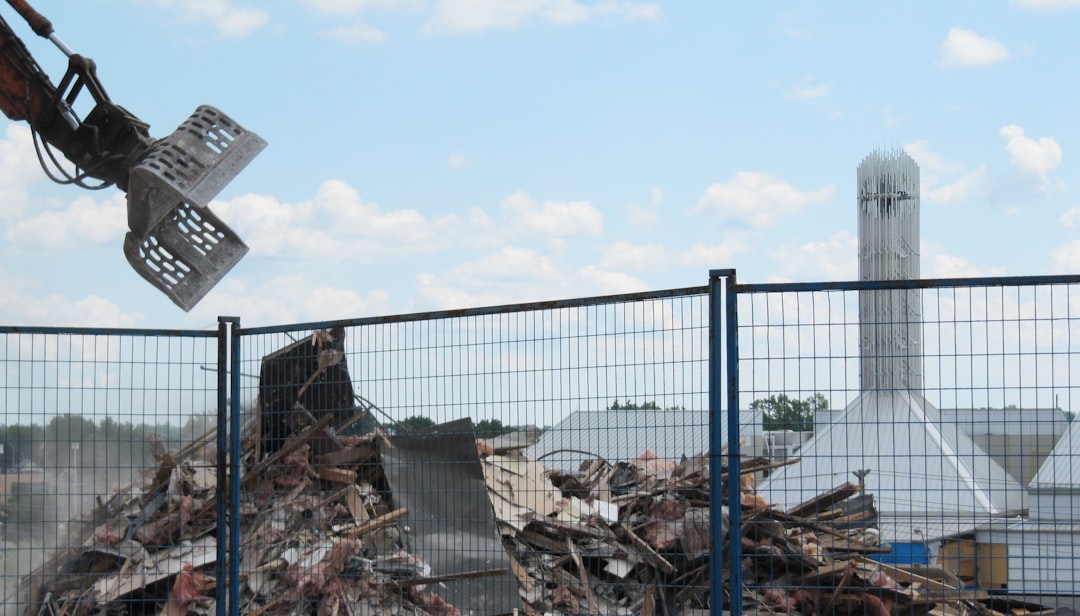
Gentrification is a multifaceted urban phenomenon characterized by the influx of more affluent residents into historically lower-income neighborhoods, leading to significant changes in the social fabric and economic landscape of these areas. This process often results in rising property values, which can be both a boon and a bane for existing residents. While gentrification can lead to improved infrastructure, increased investment, and enhanced amenities, it also raises critical questions about displacement, community identity, and housing affordability.
Understanding the dynamics of gentrification is essential for grasping its impact on property values and the broader implications for urban development. The relationship between gentrification and property values is complex and often contentious. On one hand, property values in gentrifying neighborhoods tend to rise as demand increases, driven by the desirability of the area among new residents.
On the other hand, this increase can lead to the displacement of long-term residents who can no longer afford rising rents or property taxes. The dual nature of gentrification—its potential to revitalize neighborhoods while simultaneously threatening the stability of existing communities—makes it a critical area of study for urban planners, policymakers, and community advocates alike.
Key Takeaways
- Gentrification typically leads to increased property values in affected neighborhoods.
- Various factors, including location and government policies, influence how property values change during gentrification.
- Rising property values often result in housing affordability challenges and displacement of long-term residents.
- Community responses and strategic actions by property owners can mitigate some negative impacts of gentrification.
- Understanding the complex dynamics of gentrification is essential for creating balanced policies that address both growth and equity.
The Process of Gentrification and its Effects on Property Values
Gentrification typically unfolds in several stages, beginning with the initial interest of more affluent individuals or families in a neighborhood that has been historically undervalued. This interest often stems from a combination of factors, including the search for affordable housing in proximity to urban centers, the appeal of unique cultural or historical characteristics of the area, and the desire for a sense of community that may be lacking in more affluent suburbs. As these new residents move in, they often invest in renovations and improvements, which can significantly enhance the aesthetic appeal and functionality of properties.
As property values begin to rise, so too do property taxes and rents. This escalation can create a ripple effect throughout the neighborhood, as landlords may seek to capitalize on increased demand by raising rents or selling properties at higher prices.
The effects on property values are not uniform; while some areas may experience rapid appreciation, others may see more gradual increases or even stagnation due to various local factors.
Case Studies of Gentrified Neighborhoods and Property Value Changes
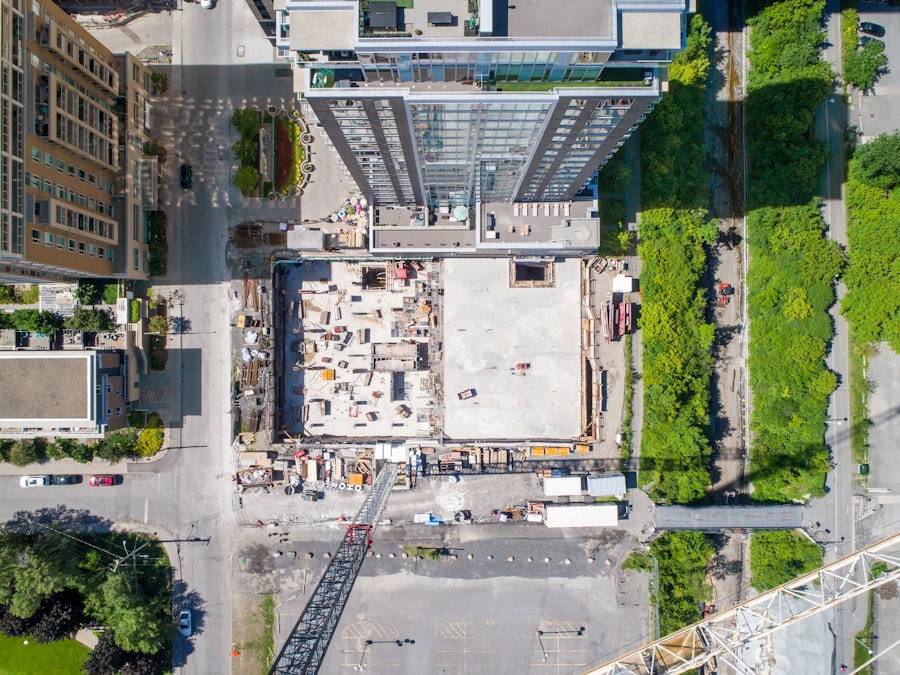
Examining specific neighborhoods that have undergone gentrification provides valuable insights into the relationship between gentrification and property values. One notable example is Brooklyn’s Williamsburg neighborhood in New York City. Once a predominantly industrial area with a significant working-class population, Williamsburg began attracting artists and young professionals in the early 2000s.
As new residents moved in, property values skyrocketed; between 2000 and 2015, the median home price increased by over 300%. This dramatic rise was accompanied by a wave of new businesses catering to affluent consumers, further transforming the neighborhood’s landscape. Another illustrative case is the transformation of the Mission District in San Francisco.
Historically a vibrant Latino community, the Mission has seen an influx of tech workers and young professionals drawn by its proximity to Silicon Valley. As property values surged—median home prices increased by nearly 200% from 2000 to 2018—long-time residents faced significant challenges. Many were forced to relocate due to rising rents and property taxes, leading to protests and calls for policy interventions aimed at preserving affordable housing in the area.
Factors That Influence Property Value Changes in Gentrified Areas
Several factors contribute to the fluctuations in property values within gentrifying neighborhoods. One primary driver is the availability of amenities such as parks, restaurants, and cultural institutions. As these amenities proliferate, they enhance the desirability of an area, attracting higher-income residents who are willing to pay a premium for access to such features.
Additionally, improvements in public transportation can significantly influence property values; neighborhoods that become more accessible via transit options often see an uptick in demand. Another critical factor is the role of real estate speculation.
This speculative behavior can lead to rapid price escalations that outpace local income growth, exacerbating affordability issues for existing residents. Furthermore, demographic shifts—such as an influx of younger professionals or families—can alter the demand for housing types within a neighborhood, influencing both rental prices and home sales.
The Role of Government Policies in Gentrification and Property Values
| Neighborhood | Year | Median Property Value | Percentage Increase in Property Value (5 years) | Gentrification Index | Average Household Income | Population Change (%) |
|---|---|---|---|---|---|---|
| Maplewood | 2023 | 350,000 | 25% | 7.8 | 65,000 | 12% |
| Riverside | 2023 | 420,000 | 30% | 8.5 | 72,000 | 15% |
| Old Town | 2023 | 280,000 | 18% | 6.2 | 55,000 | 8% |
| Greenfield | 2023 | 310,000 | 22% | 7.0 | 60,000 | 10% |
| Eastwood | 2023 | 390,000 | 28% | 8.1 | 68,000 | 14% |
Government policies play a pivotal role in shaping the trajectory of gentrification and its impact on property values. Zoning laws, tax incentives for developers, and urban renewal initiatives can all facilitate or hinder gentrification processes. For instance, policies that encourage mixed-use development can attract new businesses and residents while simultaneously increasing property values.
However, such policies may also lead to displacement if not accompanied by measures to protect existing residents. In some cities, local governments have implemented rent control measures or inclusionary zoning policies aimed at maintaining affordable housing amidst rising property values. These policies can help mitigate some negative effects of gentrification by ensuring that a portion of new developments remains accessible to lower-income residents.
However, their effectiveness often depends on enforcement mechanisms and the political will to prioritize affordable housing amidst competing interests from developers and investors.
The Impact of Gentrification on Housing Affordability
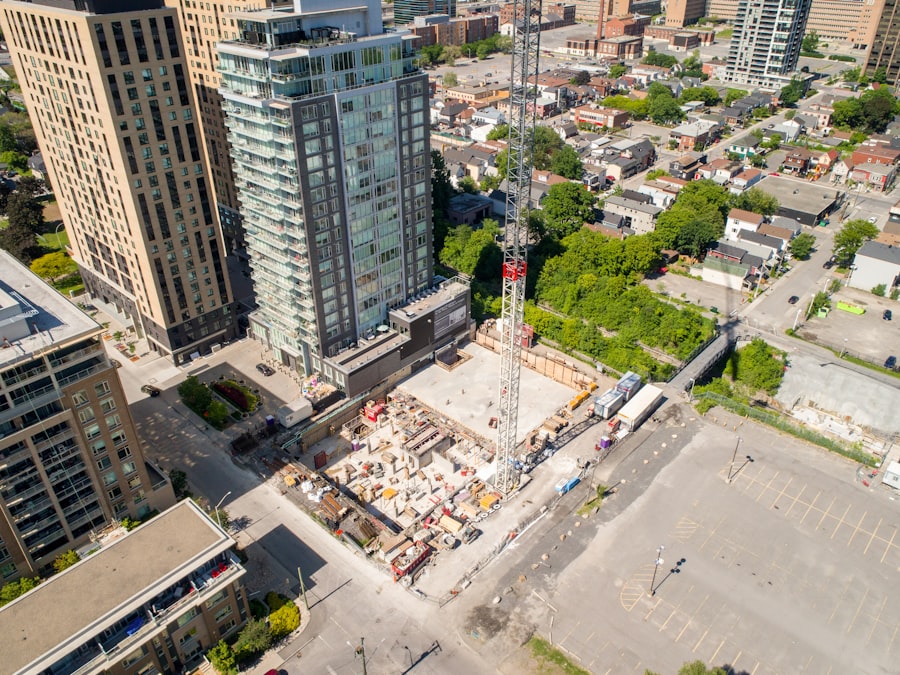
One of the most pressing concerns associated with gentrification is its impact on housing affordability. As property values rise due to increased demand from wealthier residents, long-standing community members often find themselves facing escalating rents and property taxes that they cannot afford. This phenomenon can lead to significant displacement, as families are forced to move further away from their established communities in search of more affordable housing options.
The affordability crisis is particularly acute in cities experiencing rapid gentrification. For example, in cities like Seattle and San Francisco, where tech industries have driven up demand for housing, many low- and middle-income families have been pushed out entirely. The loss of affordable housing not only affects individual families but also erodes community ties and cultural heritage that have developed over decades.
As neighborhoods become homogenized with higher-income residents, unique local identities may be lost.
Gentrification and Property Value Displacement
Property value displacement refers to the phenomenon where existing residents are forced out due to rising costs associated with gentrification. This displacement can occur through direct means—such as landlords raising rents or selling properties at inflated prices—or indirectly through increased property taxes that long-term homeowners may struggle to pay. The consequences are profound; families who have lived in their homes for generations may find themselves uprooted from their communities.
The impact of property value displacement extends beyond individual households; it can alter the demographic makeup of neighborhoods and disrupt social networks that have developed over time. For instance, when lower-income families are displaced from gentrifying areas, they often relocate to less desirable neighborhoods with fewer resources and opportunities. This cycle perpetuates inequality and can lead to broader societal issues related to access to education, employment, and healthcare.
Community Responses to Gentrification and Property Value Changes
In response to the challenges posed by gentrification and rising property values, many communities have mobilized to advocate for their rights and protect their neighborhoods from displacement. Grassroots organizations often emerge to raise awareness about the impacts of gentrification and push for policies that prioritize affordable housing and community preservation. These groups may organize protests, engage in community planning efforts, or lobby local governments for protective measures.
Community land trusts (CLTs) represent one innovative approach to counteracting displacement caused by gentrification. CLTs are nonprofit organizations that acquire land with the goal of maintaining long-term affordability for local residents. By removing land from the speculative market, CLTs can ensure that housing remains accessible even as surrounding property values rise.
This model has been successfully implemented in various cities across the United States as a means of preserving community identity while allowing for some degree of development.
Strategies for Property Owners to Navigate Gentrification
For property owners in gentrifying neighborhoods, navigating the complexities of rising property values requires strategic planning and foresight. One approach is to engage in proactive property management practices that enhance the value of their investments while remaining sensitive to community needs. This might include making improvements that attract higher-paying tenants without displacing existing ones or exploring partnerships with local organizations focused on affordable housing.
Additionally, property owners can consider diversifying their portfolios by investing in mixed-income developments or participating in community land trusts. By aligning their interests with those of existing residents and advocating for policies that promote equitable development, property owners can contribute positively to their neighborhoods while also safeguarding their investments against potential backlash from community members concerned about displacement.
The Future of Gentrification and Property Values
Looking ahead, the future of gentrification and its impact on property values will likely be shaped by several interrelated factors including economic trends, demographic shifts, and evolving government policies. As urban areas continue to attract diverse populations seeking employment opportunities and vibrant communities, gentrification may persist as a defining characteristic of urban development. However, growing awareness about the negative consequences of unchecked gentrification has led many cities to explore more equitable approaches to urban planning.
Initiatives aimed at preserving affordable housing stock, promoting inclusive development practices, and engaging communities in decision-making processes are gaining traction as cities grapple with balancing growth with social equity.
Addressing the Complex Relationship Between Gentrification and Property Values
The intricate relationship between gentrification and property values presents both opportunities and challenges for urban communities. While rising property values can signal economic revitalization and investment potential, they also raise critical concerns about displacement and housing affordability for long-standing residents. Addressing these complexities requires collaborative efforts among policymakers, community organizations, property owners, and residents themselves to create sustainable solutions that honor both economic growth and social equity within our cities.
Neighborhood gentrification often leads to significant changes in property values, impacting both long-time residents and new investors. For a deeper understanding of how these dynamics play out in urban areas, you can read the article on wealth accumulation and its effects on communities at How Wealth Grows. This resource provides valuable insights into the economic factors driving gentrification and the resulting shifts in property markets.
FAQs
What is neighborhood gentrification?
Neighborhood gentrification is the process by which a previously lower-income urban area experiences an influx of more affluent residents, leading to increased property values, changes in the local culture, and often the displacement of long-term, lower-income residents.
How does gentrification affect property values?
Gentrification typically leads to an increase in property values as demand for housing in the neighborhood rises. This can result from improvements in local amenities, infrastructure, and the overall desirability of the area.
Can gentrification lead to displacement of residents?
Yes, as property values and rents increase, lower-income residents may be priced out of their homes and neighborhoods, leading to displacement and changes in the community’s demographic makeup.
Are there any positive effects of gentrification on neighborhoods?
Gentrification can bring investment in local businesses, improved public services, reduced crime rates, and better-maintained properties, which may enhance the overall quality of life in the neighborhood.
What are some common indicators of gentrification?
Common indicators include rising property values and rents, increased home renovations, demographic shifts toward higher-income residents, new businesses catering to wealthier clientele, and changes in local schools and public services.
How do property values change during different stages of gentrification?
Property values often start to rise slowly during early gentrification as initial investments are made, then increase more rapidly as the neighborhood becomes more desirable, sometimes leading to a peak before stabilizing or continuing to grow depending on market conditions.
Is gentrification a uniform process across all cities?
No, gentrification varies widely depending on local economic conditions, housing policies, cultural factors, and the specific characteristics of each neighborhood.
What role do local governments play in gentrification?
Local governments can influence gentrification through zoning laws, housing policies, tax incentives, and urban development projects, which can either encourage or mitigate the effects of gentrification.
Can gentrification be managed to reduce negative impacts?
Yes, strategies such as affordable housing initiatives, rent control, community land trusts, and inclusive zoning can help manage gentrification to balance neighborhood improvement with the needs of existing residents.
How does gentrification impact rental markets?
Gentrification often leads to increased rental prices, which can make it difficult for lower-income renters to afford housing in the neighborhood, potentially leading to displacement or changes in the rental market composition.