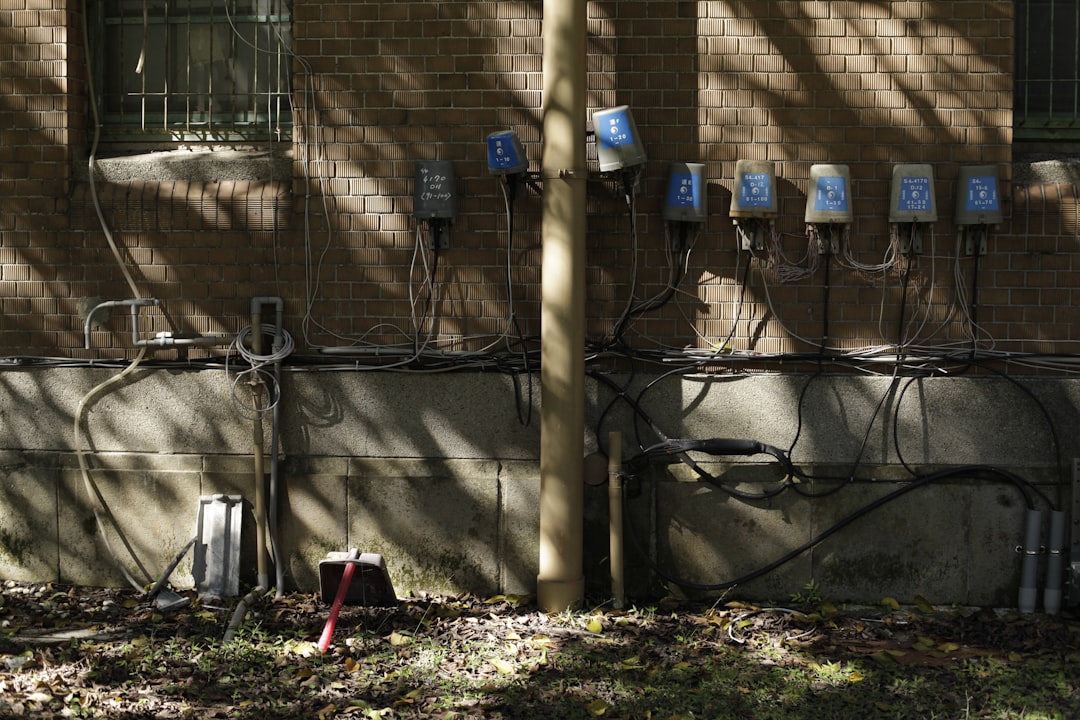
Renter utility pass-through fees are additional charges that landlords impose on tenants to cover utility expenses including water, gas, electricity, and internet services. Under this billing structure, landlords transfer utility costs directly to renters rather than incorporating these expenses into the base rent amount. This fee system operates on the principle that tenants pay for their actual utility consumption rather than a fixed rate.
Landlords typically receive utility bills from service providers and then allocate these costs to individual rental units based on usage, square footage, or other predetermined methods. Utility pass-through fee structures vary significantly across properties and landlords. Some property owners include all utility costs within the monthly rent, while others implement separate billing for utilities.
The calculation methods, fee amounts, and included services differ based on individual lease agreements and local regulations. Tenants should review lease agreements carefully to understand which utilities are subject to pass-through fees, how these fees are calculated, and when payments are due. This information enables renters to accurately budget for housing costs and compare total expenses across different rental properties when making housing decisions.
Key Takeaways
- Utility pass through fees are charges landlords pass on to renters for shared utility costs.
- These fees can include water, gas, electricity, and trash services.
- Landlords calculate fees based on usage, square footage, or a flat rate.
- Renters can negotiate fees and should understand legal protections.
- Monitoring usage and using energy-efficient practices can help reduce these fees.
Types of Utility Pass Through Fees
Utility pass-through fees can take several forms, each with its own implications for renters. One common type is the flat-rate fee, where landlords charge a set amount each month for utilities, regardless of actual usage. This approach can simplify budgeting for tenants but may lead to overpayment if their consumption is lower than the flat rate.
Another prevalent type is the variable fee, which fluctuates based on actual utility usage. This method can be more equitable, as it aligns costs with consumption, but it may also introduce unpredictability in monthly expenses. Additionally, some landlords may implement a combination of both flat-rate and variable fees, creating a hybrid model that attempts to balance predictability with fairness.
In some cases, landlords might also charge administrative fees related to utility management, which can further complicate the billing process. Understanding these different types of utility pass-through fees is essential for renters, as it allows them to anticipate their monthly expenses and assess the overall affordability of their housing situation.
How Landlords Calculate Utility Pass Through Fees
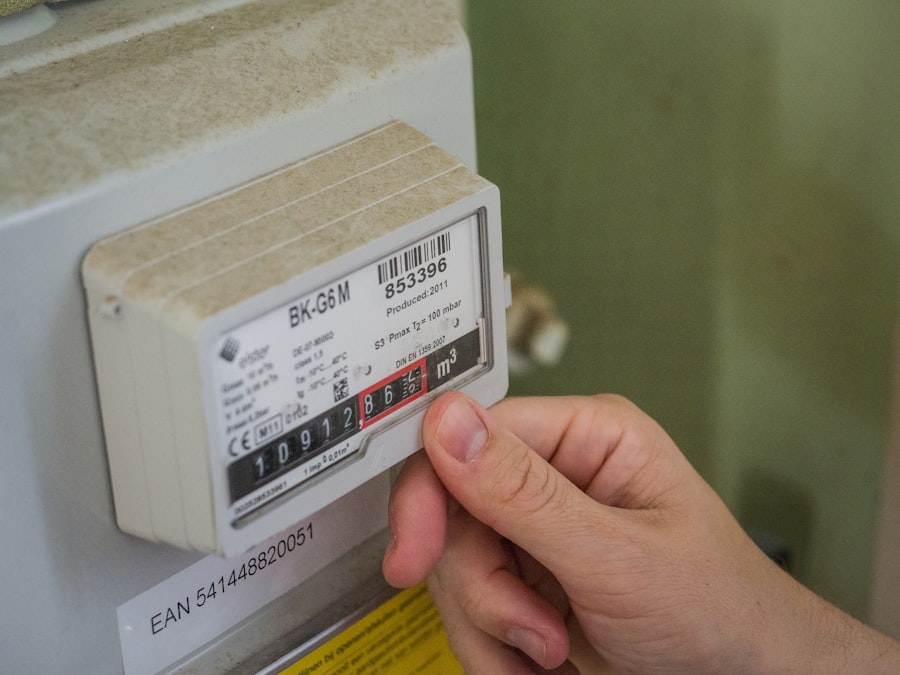
The calculation of utility pass-through fees can vary significantly from one landlord to another, influenced by factors such as property size, number of tenants, and local utility rates. Typically, landlords will assess the total utility costs for a given period and then determine how to allocate those costs among tenants. For instance, in multi-unit buildings, landlords may divide the total utility bill by the number of units or use a formula that considers the square footage of each unit.
This method aims to ensure that each tenant pays a fair share based on their usage or occupancy. In some cases, landlords may also factor in additional costs associated with managing utilities, such as maintenance or administrative expenses. These added costs can lead to higher pass-through fees than what might be expected based solely on utility consumption.
Renters should be aware of how their landlord calculates these fees and request transparency regarding the methodology used. Understanding this process can empower tenants to challenge any discrepancies or negotiate more favorable terms if they feel the fees are unjustified.
Negotiating Utility Pass Through Fees with Landlords
Negotiating utility pass-through fees can be a daunting task for many renters, but it is often a necessary step in ensuring fair treatment and affordability. When approaching a landlord about these fees, it is essential for tenants to come prepared with information and a clear understanding of their rights. Researching local laws and regulations regarding utility billing can provide valuable leverage during negotiations.
Additionally, gathering data on comparable rental properties in the area can help tenants make a case for lower fees or more equitable billing practices. Effective communication is key when negotiating with landlords. Renters should express their concerns clearly and respectfully while also being open to compromise.
For instance, if a tenant believes that their flat-rate fee is too high compared to their actual usage, they might propose switching to a variable fee structure or request a reduction based on documented consumption patterns. By fostering a collaborative dialogue, renters can often reach an agreement that satisfies both parties and leads to a more manageable financial arrangement.
Legal Considerations for Renter Utility Pass Through Fees
| City | Average Monthly Rent (USD) | Average Utility Pass Through Fee (USD) | Percentage of Rent | Common Utilities Included |
|---|---|---|---|---|
| New York | 3200 | 150 | 4.7% | Water, Heat, Electricity |
| Los Angeles | 2500 | 120 | 4.8% | Electricity, Gas |
| Chicago | 1800 | 100 | 5.6% | Water, Gas |
| Houston | 1400 | 90 | 6.4% | Electricity, Water |
| Miami | 2000 | 130 | 6.5% | Electricity, Water, Gas |
Legal considerations surrounding renter utility pass-through fees are crucial for both tenants and landlords.
For example, some areas require landlords to provide detailed breakdowns of utility costs and how they are calculated before imposing any pass-through fees.
Moreover, tenants should be aware of their rights regarding disputes over utility charges. If a renter believes that they have been unfairly charged or that the fees are not justified based on actual usage, they may have legal recourse available to them.
This could involve filing a complaint with local housing authorities or seeking mediation services. Familiarity with local tenant laws can empower renters to advocate for themselves effectively and navigate any challenges related to utility pass-through fees.
Ways to Lower Utility Pass Through Fees

Lowering utility pass-through fees is a goal for many renters seeking to manage their housing costs effectively. One practical approach is to engage in energy-saving practices within the rental unit. Simple actions such as using energy-efficient appliances, turning off lights when not in use, and being mindful of water consumption can lead to reduced utility bills over time.
By demonstrating responsible usage patterns, tenants may also have grounds to negotiate lower fees with their landlords. Another strategy involves exploring options for shared utilities among roommates or neighbors. In multi-tenant situations, pooling resources for utilities can lead to cost savings for everyone involved.
Additionally, renters should consider discussing potential bulk purchasing agreements with their landlords or property management companies. By advocating for collective agreements with utility providers, tenants may be able to secure lower rates that benefit all residents in the building.
Tips for Monitoring and Managing Utility Pass Through Fees
Monitoring and managing utility pass-through fees requires diligence and organization on the part of renters. One effective strategy is to keep detailed records of all utility bills received and payments made over time. This documentation can serve as a valuable reference point when assessing whether charges are consistent with actual usage or if discrepancies arise.
Renters should also consider tracking their consumption patterns through apps or tools designed for monitoring energy and water usage. Engaging in regular communication with landlords about utility charges is equally important. Tenants should not hesitate to ask questions or request clarifications regarding any unexpected increases in fees.
Establishing an open line of communication can foster a more transparent relationship between renters and landlords, making it easier to address concerns as they arise. By staying proactive in monitoring these fees, renters can better manage their budgets and avoid unpleasant surprises at the end of each month.
The Impact of Utility Pass Through Fees on Renters
Utility pass-through fees can have a profound impact on renters’ financial situations and overall quality of life. For many individuals and families, these additional charges can strain budgets that are already stretched thin by rising rent prices and other living expenses. As such, understanding how these fees work and what they entail becomes essential for maintaining financial stability in an increasingly competitive rental market.
Moreover, the unpredictability associated with variable utility pass-through fees can create stress for renters who may struggle to anticipate their monthly expenses accurately. This uncertainty can lead to difficulties in budgeting and planning for future financial commitments. As such, it is vital for tenants to seek clarity regarding these charges and advocate for fair billing practices that align with their actual usage patterns.
Resources for Renter Utility Pass Through Fee Assistance
Renters seeking assistance with utility pass-through fees have access to various resources designed to help them navigate this complex landscape. Local housing authorities often provide information about tenant rights and responsibilities related to utility billing practices. Additionally, nonprofit organizations focused on housing advocacy may offer guidance on negotiating with landlords or understanding legal protections available to tenants.
Online platforms dedicated to tenant education can also serve as valuable resources for renters looking to learn more about utility pass-through fees and how to manage them effectively. These platforms often feature articles, forums, and tools that empower tenants with knowledge about their rights and options when dealing with utility charges.
Common Misconceptions about Utility Pass Through Fees
Several misconceptions surround utility pass-through fees that can lead to confusion among renters. One common myth is that all landlords are required by law to include utilities in rent or provide detailed breakdowns of charges. In reality, regulations vary significantly by location, and many landlords retain the right to impose separate utility charges as long as they comply with local laws.
Another misconception is that all utility pass-through fees are inherently unfair or excessive. While some landlords may impose unreasonable charges, many strive to create equitable billing practices based on actual usage or fair allocation methods. By understanding the nuances of these fees and recognizing that not all landlords operate under the same principles, renters can approach discussions about utility charges with a more informed perspective.
Future Trends in Renter Utility Pass Through Fees
As the rental market continues to evolve, several trends are emerging regarding renter utility pass-through fees that could shape the future landscape for tenants and landlords alike. One notable trend is the increasing adoption of technology in managing utilities within rental properties. Smart home devices that monitor energy consumption are becoming more prevalent, allowing both landlords and tenants to track usage patterns more accurately and potentially leading to more equitable billing practices.
Additionally, there is a growing emphasis on sustainability within the housing sector, prompting many landlords to invest in energy-efficient upgrades that could ultimately reduce overall utility costs for tenants. As awareness around environmental issues increases, renters may find themselves benefiting from lower utility bills as properties become more energy-efficient over time. In conclusion, understanding renter utility pass-through fees is essential for navigating the complexities of modern renting experiences.
By being informed about types of fees, calculation methods, negotiation strategies, legal considerations, and ways to manage costs effectively, renters can take control of their financial obligations while fostering positive relationships with their landlords.
Renter utility pass-through fees can significantly impact a tenant’s monthly expenses, making it essential for renters to understand their rights and responsibilities. For more insights on this topic, you can read a related article that discusses various aspects of rental agreements and utility costs. Check it out here: Understanding Renter Utility Pass-Through Fees.
FAQs
What are renter utility pass through fees?
Renter utility pass through fees are charges that landlords or property managers pass on to tenants to cover the cost of utilities such as water, gas, electricity, or trash services. These fees are typically separate from the base rent.
How are utility pass through fees calculated?
Utility pass through fees can be calculated based on actual usage, a flat fee, or a proportionate share of the total utility bill for the property. The method depends on the lease agreement and local regulations.
Are utility pass through fees legal?
Yes, utility pass through fees are legal in most jurisdictions, but they must comply with local laws and regulations. Landlords are usually required to disclose these fees clearly in the lease agreement.
Can landlords charge utility pass through fees without meters?
In some cases, landlords can charge pass through fees without individual meters by dividing the total utility cost among tenants based on factors like unit size or number of occupants. However, this practice is subject to local laws.
Do utility pass through fees include taxes and service charges?
Utility pass through fees often include the full utility bill amount, which may encompass taxes, service charges, and other fees billed by the utility provider.
Are utility pass through fees refundable?
Utility pass through fees are generally non-refundable as they cover actual utility costs incurred during the rental period. However, any overcharges due to billing errors should be corrected.
How can tenants verify utility pass through fees?
Tenants can request copies of utility bills or statements from the landlord to verify the accuracy of pass through fees. Some leases require landlords to provide such documentation upon request.
Can utility pass through fees change during the lease term?
Utility pass through fees may fluctuate based on actual utility usage or rate changes by providers. Lease agreements should specify how and when these fees can be adjusted.
Are utility pass through fees included in rent?
Utility pass through fees are typically separate from the base rent, but some leases may include utilities in the rent amount. It is important to review the lease terms carefully.
What should tenants do if they believe utility pass through fees are incorrect?
Tenants should first discuss concerns with the landlord or property manager and request documentation. If unresolved, they may seek assistance from local tenant rights organizations or regulatory agencies.