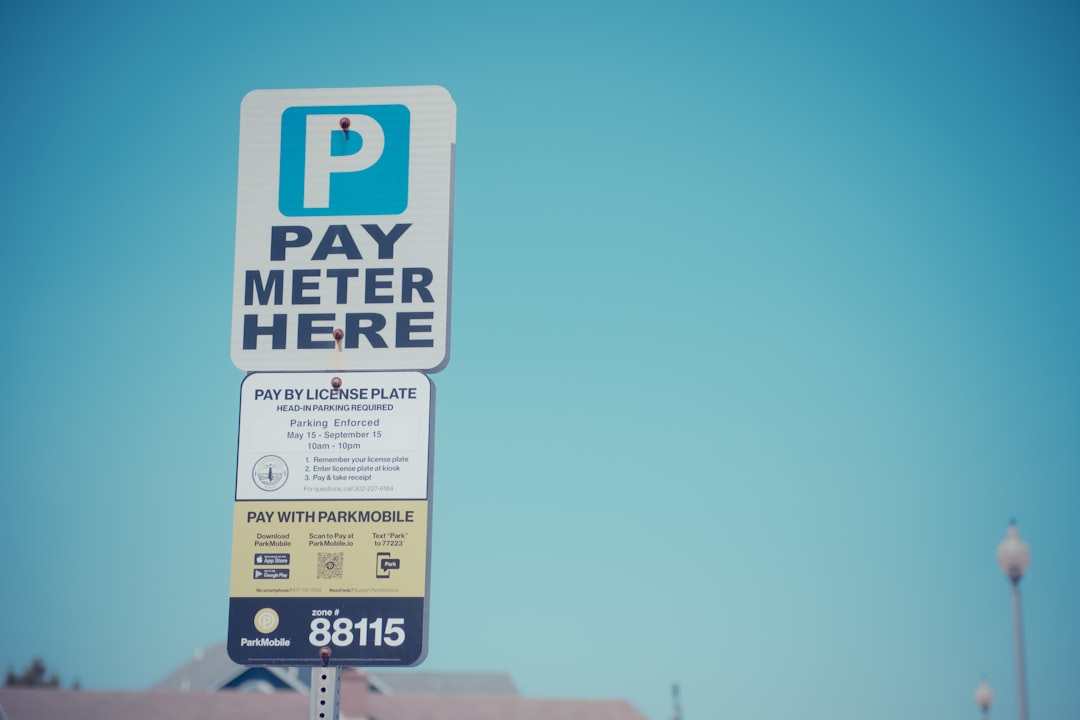
In recent years, the gig economy has revolutionized work arrangements, providing flexibility and autonomy not typically found in traditional employment. Gig workers can determine their own schedules and workplaces, but this independence introduces specific financial challenges. Parking expenses represent one of the most substantial yet frequently underestimated costs for gig workers.
Those engaged in food delivery, rideshare driving, or service provision regularly encounter parking fees that can substantially reduce their net earnings. Parking costs constitute a significant financial consideration rather than a minor inconvenience. Operating in dense urban centers or at busy venues necessitates accessible parking, yet affordable options are increasingly scarce.
These expenses often function as an invisible reduction to income. For gig workers to maintain financial stability, it is crucial to recognize the connection between their work and associated parking expenditures, enabling more effective financial planning and strategic work decisions.
Key Takeaways
- Gig workers face significant challenges with parking expenses that impact their overall earnings.
- Finding affordable and convenient parking is a major hurdle for gig workers, often leading to increased costs.
- Parking expenses contribute to financial strain and emotional stress among gig workers.
- Technology and strategic approaches can help reduce parking costs but employer support is largely lacking.
- Ignoring parking expenses can have serious long-term financial and environmental consequences for gig workers.
The Impact of Gig Work on Parking Costs
As a gig worker, your income is often tied to the number of jobs you complete in a given timeframe. This means that every minute spent searching for parking is time taken away from earning money. The impact of parking costs on your earnings can be substantial.
For instance, if you spend an extra 15 minutes looking for a spot or paying for parking, that’s time you could have spent completing another job. This inefficiency can lead to frustration and decreased productivity, ultimately affecting your overall income. Moreover, the nature of gig work often requires you to operate in high-demand areas where parking is not only scarce but also expensive.
In metropolitan areas, parking fees can range from a few dollars to exorbitant rates during peak hours. You may find yourself paying for metered parking or using parking garages that charge premium rates. These costs can accumulate quickly, leading to a significant portion of your earnings being siphoned off before you even account for other expenses like fuel and vehicle maintenance.
The Challenges of Finding Affordable Parking for Gig Workers
Finding affordable parking is a challenge that many gig workers face daily. The competition for limited parking spaces can be fierce, especially in busy urban centers where demand far exceeds supply. You may find yourself circling blocks in search of a spot, only to discover that the available options are either too far away or too costly.
This not only wastes your time but also adds stress to your workday. Additionally, the unpredictability of parking availability can make it difficult for you to plan your work schedule effectively. You might have a tight window to complete a job, but if you can’t find parking quickly, it could lead to delays and missed opportunities.
This uncertainty can be particularly frustrating when you are trying to maximize your earnings during peak hours or special events when demand is high.
The Financial Burden of Parking Expenses for Gig Workers
The financial burden of parking expenses can be overwhelming for gig workers like yourself. With fluctuating income and variable expenses, every dollar counts.
You may find yourself in a position where you are working harder but taking home less money due to unavoidable parking costs. Moreover, the financial strain doesn’t end with just parking fees. If you frequently park in high-cost areas, you may also face additional expenses such as tolls or fuel costs associated with driving longer distances to find cheaper parking options.
This cumulative effect can lead to a precarious financial situation where you are constantly juggling expenses and trying to make ends meet while still fulfilling your gig work obligations.
The Environmental Impact of Gig Workers’ Parking Habits
| City | Average Parking Cost per Hour | Daily Parking Cost for Gig Workers | Monthly Parking Cost Estimate | Impact on Gig Worker Earnings (%) |
|---|---|---|---|---|
| New York | 7.50 | 60 | 1200 | 15 |
| San Francisco | 6.00 | 48 | 960 | 12 |
| Chicago | 3.50 | 28 | 560 | 8 |
| Los Angeles | 4.00 | 32 | 640 | 10 |
| Houston | 2.00 | 16 | 320 | 5 |
The environmental impact of gig workers’ parking habits is another critical aspect to consider. As you drive around searching for parking, you contribute to increased traffic congestion and carbon emissions. The time spent idling in traffic or circling blocks not only affects your earnings but also has broader implications for air quality and urban sustainability.
The more time you spend on the road looking for a place to park, the greater your carbon footprint becomes. Additionally, the reliance on personal vehicles for gig work contributes to a culture of car dependency that can have long-term environmental consequences. As cities become more congested and pollution levels rise, it becomes increasingly important for gig workers like yourself to consider alternative transportation methods or strategies that minimize your environmental impact while still allowing you to fulfill your work obligations.
Strategies for Minimizing Parking Expenses for Gig Workers

To mitigate the financial burden of parking expenses, there are several strategies you can employ as a gig worker. First and foremost, consider planning your routes carefully to minimize the time spent searching for parking. By using navigation apps that provide real-time information about available parking spaces, you can save both time and money.
Additionally, familiarizing yourself with local parking regulations and options can help you avoid costly fines and penalties. Another effective strategy is to explore alternative modes of transportation when feasible. Depending on the nature of your gig work, using public transportation or ridesharing services may be more cost-effective than driving your own vehicle.
This not only reduces your parking expenses but also lessens your environmental impact. Furthermore, consider carpooling with other gig workers or sharing rides when possible to cut down on costs associated with fuel and parking.
The Role of Technology in Addressing Parking Costs for Gig Workers
Technology plays a crucial role in addressing the challenges associated with parking costs for gig workers like yourself. Numerous apps and platforms have emerged that aim to simplify the parking process by providing real-time information about available spaces, pricing, and payment options. These tools can help you locate affordable parking quickly and efficiently, allowing you to focus more on your work rather than wasting time searching for a spot.
Moreover, advancements in technology have led to innovations such as mobile payment systems that allow you to pay for parking directly from your smartphone. This convenience not only saves time but also helps you keep track of your expenses more effectively. By leveraging technology, you can streamline your parking experience and reduce the financial strain associated with it.
The Lack of Employer Support for Gig Workers’ Parking Expenses
One of the most significant challenges facing gig workers is the lack of employer support when it comes to covering parking expenses. Unlike traditional employees who may receive reimbursements or allowances for work-related costs, gig workers often bear these expenses entirely on their own. This lack of support can exacerbate the financial burden associated with parking and contribute to feelings of isolation and frustration within the gig economy.
As a gig worker, it’s essential to advocate for yourself and seek out resources that may help alleviate some of these costs. While it may be challenging to find employers willing to provide support for parking expenses, exploring community resources or local initiatives aimed at assisting gig workers could provide some relief.
The Mental and Emotional Toll of Dealing with Parking Expenses as a Gig Worker
The mental and emotional toll of dealing with parking expenses cannot be underestimated. The constant pressure to find affordable parking while managing tight schedules can lead to heightened stress levels and anxiety. You may find yourself feeling overwhelmed by the financial implications of these expenses, which can affect not only your work performance but also your overall well-being.
Additionally, the frustration of dealing with parking issues can lead to feelings of helplessness and burnout. As a gig worker striving for financial stability, navigating these challenges can take a toll on your mental health. It’s crucial to recognize these feelings and seek support when needed—whether through peer networks or mental health resources—to help manage the emotional burden associated with gig work.
The Long-Term Financial Consequences of Ignoring Parking Expenses as a Gig Worker
Ignoring parking expenses as a gig worker can have long-term financial consequences that extend beyond immediate costs. Over time, these seemingly small expenses can accumulate into significant amounts that impact your overall financial health. If left unaddressed, they could hinder your ability to save for future goals or invest in opportunities that could enhance your career.
Moreover, consistently overlooking these costs may lead to poor financial habits that could affect other areas of your life. Developing a comprehensive understanding of all expenses related to your gig work—including parking—will empower you to make informed decisions about budgeting and spending in the long run.
Addressing the Hidden Cost of Parking for Gig Workers
In conclusion, addressing the hidden cost of parking is essential for gig workers like yourself who seek financial stability in an ever-evolving economy. By understanding the impact of parking expenses on your earnings and implementing strategies to minimize these costs, you can take control of your financial future.
As the gig economy continues to grow, it’s vital that both workers and policymakers recognize the unique challenges faced by gig workers regarding parking expenses. By fostering awareness and seeking solutions together, we can create a more sustainable environment that supports gig workers in their pursuit of success while minimizing the burdens associated with their work-related costs.
Parking costs can significantly impact gig workers, especially those who rely on their vehicles for ridesharing or delivery services. A recent article discusses the financial challenges faced by gig workers, including the burden of parking fees in urban areas. For more insights on how these costs affect gig work and potential strategies for managing them, you can read the full article [here](https://www.howwealthgrows.com/sample-page/).
FAQs
What is gig work?
Gig work refers to short-term, flexible jobs often facilitated through digital platforms, such as ride-sharing, food delivery, and freelance tasks.
How do parking costs affect gig workers?
Parking costs can significantly impact gig workers by reducing their overall earnings, as they often need to park their vehicles while waiting for or completing jobs.
Are parking fees a common expense for gig workers?
Yes, many gig workers incur parking fees, especially in urban areas where free parking is limited or unavailable.
Can parking costs be deducted from taxes for gig workers?
In many regions, gig workers can deduct parking expenses related to their work as business expenses when filing taxes, but it is important to keep detailed records and consult tax guidelines.
Do gig platforms provide any support for parking costs?
Most gig platforms do not directly cover parking costs, but some may offer tips or incentives that can help offset expenses.
How can gig workers minimize parking costs?
Gig workers can minimize parking costs by using free or low-cost parking areas, timing their work to avoid peak parking fees, or using alternative transportation methods when possible.
Is parking availability a factor in choosing gig work locations?
Yes, parking availability and cost often influence where gig workers choose to operate, as convenient and affordable parking can improve efficiency and profitability.
Are there any regulations affecting parking costs for gig workers?
Parking regulations vary by city and can affect costs and availability for gig workers. Some cities have specific rules or designated areas for gig economy vehicles.