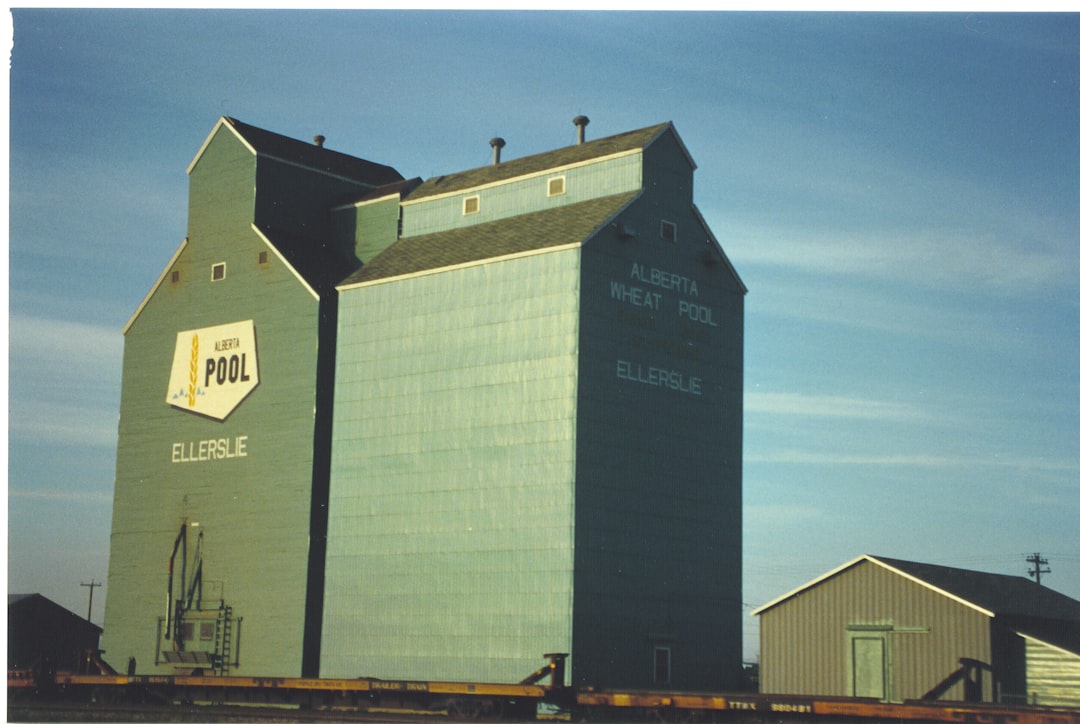
In recent decades, the grain industry has undergone significant transformation marked by the emergence and dominance of large agricultural corporations, commonly known as “Big Ag.” These companies have consolidated market power through strategic mergers and acquisitions, resulting in a concentrated industry where a small number of firms control substantial portions of grain production and distribution networks. This consolidation stems from multiple factors including technological advancement, rising global food demand, and market globalization. Large corporations utilize economies of scale to achieve more efficient production processes and reduced per-unit costs compared to smaller agricultural operations.
This industry consolidation has fundamentally altered the broader agricultural sector. Major agricultural corporations allocate significant capital to research and development initiatives, developing genetically modified organisms (GMOs) and other agricultural technologies designed to increase crop yields. However, this emphasis on production efficiency often conflicts with biodiversity preservation and traditional farming methodologies.
The rise of these corporations has created substantial impacts across multiple stakeholder groups, including independent farmers, consumers, and environmental systems.
Key Takeaways
- Big agricultural companies dominate the grain industry, creating monopolistic market conditions.
- Grain monopolies negatively impact farmers by limiting their bargaining power and income.
- Consumer prices are influenced by monopolies, often leading to higher costs for grain-based products.
- Government regulation plays a crucial role in addressing and potentially curbing monopoly power.
- Environmental concerns arise from large-scale grain production practices driven by monopolistic companies.
The Impact of Grain Monopolies on Farmers
As you explore the impact of grain monopolies on farmers, it becomes clear that the landscape is fraught with challenges. Many farmers find themselves at the mercy of these large corporations, which dictate prices and terms of sale. With fewer buyers in the market, farmers often have limited options when it comes to selling their crops.
This lack of competition can lead to lower prices for their grain, squeezing their profit margins and making it increasingly difficult for them to sustain their livelihoods. Moreover, you may notice that the influence of Big Ag extends beyond pricing. These companies often require farmers to adhere to specific practices and use proprietary seeds, which can lead to increased costs and dependency on these corporations.
As a result, many farmers find themselves trapped in a cycle of debt, struggling to keep up with the demands imposed by their corporate overlords. This dynamic not only threatens the financial stability of individual farmers but also raises concerns about food security and the future of agriculture as a whole.
How Grain Monopolies Affect Consumer Prices
When you consider how grain monopolies affect consumer prices, it becomes evident that the implications extend beyond just farmers. The consolidation of power within a few large companies can lead to higher prices for consumers as well. With limited competition in the market, these corporations can set prices without fear of losing customers to rival producers.
This lack of competition can result in inflated prices for grain-based products, which ultimately trickles down to consumers at the grocery store. Additionally, you might find it concerning that the quality of grain products can also be impacted by monopolistic practices. With a focus on maximizing profits, Big Ag companies may prioritize quantity over quality, leading to products that are less nutritious or less flavorful.
As you navigate the aisles of your local supermarket, you may begin to question whether the convenience and affordability of these products are worth the potential trade-offs in quality and health.
The Role of Government Regulation in Grain Monopolies
As you examine the role of government regulation in addressing grain monopolies, it becomes clear that this is a complex and often contentious issue. Governments around the world have implemented various regulations aimed at promoting competition and preventing monopolistic practices.
In some cases, regulatory bodies may lack the resources or political will to enforce existing laws effectively. You may also notice that lobbying efforts by Big Ag companies can further complicate the regulatory landscape. These corporations often invest heavily in political campaigns and lobbying efforts to influence policy decisions in their favor.
As a result, regulations that could benefit small-scale farmers or promote fair competition may be weakened or ignored altogether. This dynamic raises important questions about the balance between corporate interests and public welfare in the agricultural sector.
Environmental Impact of Grain Monopolies
| Company Name | Country | Market Share (%) | Annual Grain Volume (Million Tons) | Year Established | Primary Grain Types |
|---|---|---|---|---|---|
| Archer Daniels Midland (ADM) | USA | 25 | 85 | 1902 | Corn, Wheat, Soybeans |
| Bunge Limited | USA | 20 | 70 | 1818 | Corn, Wheat, Soybeans |
| Cargill | USA | 30 | 100 | 1865 | Corn, Wheat, Soybeans, Barley |
| Louis Dreyfus Company | France | 15 | 60 | 1851 | Wheat, Corn, Rice |
| COFCO Corporation | China | 10 | 50 | 1949 | Wheat, Corn, Rice |
The environmental impact of grain monopolies is another critical aspect worth exploring. As you consider the practices employed by large agricultural companies, you may become increasingly aware of their contribution to environmental degradation. The intensive farming methods often used by Big Ag—such as monocropping and heavy reliance on chemical fertilizers and pesticides—can lead to soil depletion, water pollution, and loss of biodiversity.
Large-scale grain production is a significant contributor to greenhouse gas emissions, particularly through deforestation and land-use changes associated with expanding agricultural land. As you reflect on these issues, it becomes clear that addressing the environmental consequences of grain monopolies is essential for ensuring a sustainable future for both agriculture and the planet.
The Influence of Grain Monopolies on Global Trade
As you delve into the influence of grain monopolies on global trade, you’ll discover that their reach extends far beyond national borders. These corporations play a significant role in shaping international trade policies and agreements that favor their interests. By leveraging their economic power, they can influence trade negotiations to secure favorable terms for themselves while sidelining smaller producers and developing countries.
You may also notice that this dominance can lead to imbalances in global food systems. For instance, when Big Ag companies control significant portions of grain exports, they can dictate prices on the international market, impacting food security in countries that rely heavily on imported grains. As you consider these dynamics, it becomes evident that addressing the influence of grain monopolies is crucial for promoting equitable global trade practices.
Challenges Faced by Small-scale Grain Producers
As you explore the challenges faced by small-scale grain producers in an increasingly monopolized market, you’ll find that they encounter numerous obstacles that threaten their viability. Limited access to resources such as capital, technology, and distribution networks makes it difficult for these farmers to compete with larger corporations. Additionally, small-scale producers often lack bargaining power when negotiating prices for their crops, leaving them vulnerable to exploitation.
You might also discover that many small-scale farmers are committed to sustainable practices and preserving traditional farming methods. However, the pressure to conform to industrialized agriculture standards can be overwhelming. As you reflect on their struggles, it becomes clear that supporting small-scale producers is essential for fostering diversity in agriculture and ensuring food sovereignty.
Strategies for Breaking the Monopoly Power of Big Ag Companies
In light of the challenges posed by grain monopolies, you may be interested in exploring strategies for breaking their power. One approach involves fostering cooperative models among small-scale farmers, allowing them to pool resources and share knowledge while increasing their bargaining power in the marketplace. By working together, these producers can create alternative supply chains that prioritize local economies over corporate interests.
Another strategy worth considering is advocating for stronger government regulations aimed at promoting competition within the grain industry. You might find it encouraging that grassroots movements are emerging across various regions, pushing for policies that support small-scale agriculture and challenge monopolistic practices. By raising awareness and mobilizing communities around these issues, you can contribute to efforts aimed at dismantling the stranglehold of Big Ag on the grain market.
The Role of Technology in the Grain Industry Monopolies
As you examine the role of technology in grain industry monopolies, you’ll find that advancements have both positive and negative implications. On one hand, technology has enabled large agricultural companies to increase efficiency and productivity through precision farming techniques and data analytics. These innovations allow them to optimize crop yields while minimizing resource use.
However, you may also recognize that this technological advancement often exacerbates existing inequalities within the industry. Small-scale farmers may struggle to access or afford these technologies, further entrenching their disadvantage in a market dominated by Big Ag. As you consider these dynamics, it becomes clear that equitable access to technology is essential for leveling the playing field in agriculture.
The Future of Grain Monopolies: Trends and Projections
Looking ahead at the future of grain monopolies, you might wonder what trends will shape this landscape in the coming years. One possibility is an increasing push for sustainability within agriculture as consumers become more conscious of environmental issues. This shift could create opportunities for small-scale producers who prioritize sustainable practices and local food systems.
Additionally, advancements in technology may continue to play a significant role in shaping market dynamics. You may observe a growing interest in alternative protein sources and plant-based diets, which could disrupt traditional grain markets dominated by Big Ag companies. As consumer preferences evolve, it will be interesting to see how these changes impact the power dynamics within the grain industry.
The Social and Economic Implications of Grain Monopolies
Finally, as you reflect on the social and economic implications of grain monopolies, you’ll recognize that their influence extends far beyond mere market dynamics. The concentration of power within a few corporations can lead to social inequities as small-scale farmers struggle to survive while larger entities thrive. This disparity can contribute to rural depopulation as young people leave farming communities in search of better opportunities elsewhere.
Moreover, you may find it concerning that grain monopolies can undermine local food systems and cultural practices associated with agriculture. As traditional farming methods are replaced by industrialized practices driven by corporate interests, communities risk losing their connection to food production and cultural heritage. By understanding these implications, you can appreciate the importance of advocating for a more equitable and sustainable agricultural system that prioritizes both people and the planet.
In recent discussions about the impact of grain monopoly companies on the agricultural market, it’s essential to consider the broader implications of wealth concentration in various sectors. A related article that delves into this topic can be found at How Wealth Grows, where it explores how monopolistic practices can affect not only farmers but also consumers and the economy as a whole.
WATCH THIS 🛑 Your Grocery Bill Has a Secret Charge (And Nobody Talks About It)
FAQs
What are grain monopoly companies?
Grain monopoly companies are businesses or corporations that dominate the production, processing, distribution, or sale of grain products within a particular market or region, often limiting competition.
How do grain monopoly companies impact the agricultural market?
These companies can influence grain prices, control supply chains, and affect the bargaining power of farmers and consumers. Their dominance may lead to reduced competition and potentially higher prices.
Why do grain monopoly companies form?
Monopolies in the grain industry can form due to factors such as economies of scale, control over key infrastructure, mergers and acquisitions, and regulatory environments that favor large corporations.
Are grain monopoly companies regulated?
Yes, many countries have antitrust and competition laws designed to prevent monopolistic practices and promote fair competition in the grain market. Regulatory agencies monitor and sometimes intervene in cases of market abuse.
What are the potential risks of grain monopolies?
Risks include reduced market competition, price manipulation, limited choices for farmers and consumers, and potential negative impacts on food security and rural economies.
Can grain monopoly companies affect global food prices?
Yes, since some grain monopoly companies operate internationally, their control over supply and pricing can influence global grain markets and food prices.
How can farmers protect themselves from grain monopolies?
Farmers can form cooperatives, seek alternative buyers, advocate for fair trade policies, and support regulations that promote market competition.
What role do governments play in managing grain monopolies?
Governments may enforce antitrust laws, regulate market practices, support small and medium-sized producers, and promote transparency to prevent monopolistic dominance in the grain sector.