
In recent years, housing affordability has emerged as a pressing concern for many communities across the globe. “The Squeeze,” a documentary examining this crisis, illuminates the multifaceted challenges individuals and families face in securing stable and affordable housing. The film explores the complex factors contributing to rising housing costs and their significant impact on people’s lives.
The documentary presents both statistical data and expert analysis while humanizing the crisis through personal narratives of affected individuals. “The Squeeze” reveals the stark realities of housing systems that often prioritize economic returns over social welfare. The film demonstrates the widening gap between income levels and housing costs, highlighting the urgent need for policy solutions.
By documenting the experiences of those affected by housing insecurity, the documentary provides viewers with insight into how affordability challenges reshape communities and individual lives.
Key Takeaways
- The documentary highlights the severe housing affordability crisis affecting many communities today.
- Rising housing costs and gentrification are major factors displacing long-term residents.
- Government policies and big developers significantly influence housing availability and affordability.
- The crisis disproportionately impacts marginalized groups, intertwining issues of race and class.
- Addressing the crisis requires comprehensive solutions and community-driven action to ensure affordable housing for all.
The Impact of Rising Housing Costs on Communities
Rising housing costs have far-reaching implications for communities, affecting not only individuals but also the social fabric that binds neighborhoods together. As you observe in “The Squeeze,” when housing becomes unaffordable, families are often forced to make difficult choices, such as relocating to less desirable areas or sacrificing essential needs like healthcare and education. This displacement can lead to a breakdown of community ties, as long-standing residents are pushed out in favor of wealthier newcomers who can afford higher rents or home prices.
Moreover, the documentary illustrates how rising housing costs exacerbate existing inequalities within communities. You may notice that marginalized groups, including low-income families and people of color, are disproportionately affected by these trends. As housing prices soar, these individuals often find themselves trapped in a cycle of poverty, unable to access stable housing or build wealth through homeownership.
The film poignantly captures the emotional toll this takes on families, highlighting stories of resilience amidst adversity while also revealing the systemic barriers that perpetuate these challenges.
The Role of Gentrification in the Housing Affordability Crisis
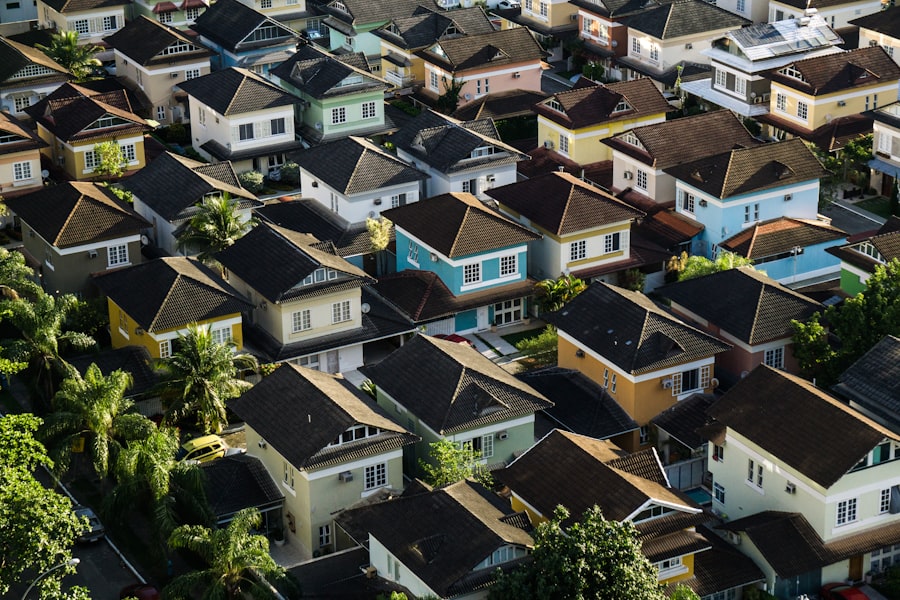
Gentrification is a significant factor contributing to the housing affordability crisis, and “The Squeeze” provides a compelling examination of its effects on urban neighborhoods. As you watch, you will see how revitalization efforts aimed at improving communities can inadvertently lead to the displacement of long-time residents. Gentrification often brings an influx of wealthier individuals who seek to capitalize on lower property values, driving up rents and property taxes in the process.
This transformation can alter the character of neighborhoods, pushing out those who have lived there for generations. The documentary also highlights the complexities surrounding gentrification, illustrating that while some may view it as a positive development, it often comes at a steep cost to vulnerable populations. You may find yourself grappling with the ethical implications of urban development and questioning whether progress can truly be achieved without displacing those who have historically called these neighborhoods home.
“The Squeeze” challenges you to consider how gentrification can be managed in a way that fosters inclusivity rather than exclusion, prompting a deeper discussion about equitable urban planning.
Interviews with Individuals Affected by the Housing Affordability Crisis
One of the most powerful aspects of “The Squeeze” is its focus on personal narratives that bring the statistics to life. Through interviews with individuals directly impacted by the housing affordability crisis, you gain insight into their struggles and triumphs. These stories serve as poignant reminders that behind every statistic is a human being facing real challenges.
You will hear from families who have been forced to move multiple times due to rising rents, as well as individuals who have had to choose between paying for housing and meeting other basic needs. As you listen to these firsthand accounts, you may find yourself feeling a deep sense of empathy for those affected by this crisis. The documentary captures not only the hardships faced by these individuals but also their resilience and determination to advocate for change.
Their voices resonate with urgency, urging viewers like you to recognize the importance of affordable housing as a fundamental right rather than a privilege. By sharing these personal stories, “The Squeeze” effectively humanizes the issue and compels you to consider your role in addressing this pressing social challenge.
Government Policies and Their Impact on Housing Affordability
| Metric | Value | Description |
|---|---|---|
| Median Rent Increase (Last 5 Years) | 35% | Average percentage increase in rent prices in major cities |
| Homeownership Rate | 64% | Percentage of households owning their homes nationally |
| Percentage of Income Spent on Housing | 45% | Average portion of income spent by renters on housing costs |
| Number of Homeless Individuals | 580,000 | Estimated homeless population in urban areas |
| Affordable Housing Units Built (Annual) | 120,000 | Number of new affordable housing units constructed per year |
| Waiting List for Public Housing | 1.2 million | Number of households on waiting lists for subsidized housing |
Government policies play a crucial role in shaping housing markets and influencing affordability. In “The Squeeze,” you will learn about various policies that have been implemented—or neglected—that directly impact housing availability and costs. From zoning laws to tax incentives for developers, these regulations can either alleviate or exacerbate the housing crisis.
The documentary critically examines how certain policies have favored developers over residents, leading to a lack of affordable housing options for low- and middle-income families. As you delve deeper into this topic, you may find yourself questioning the effectiveness of current government interventions. Are they truly addressing the needs of those most affected by rising housing costs?
“The Squeeze” encourages you to consider alternative approaches that prioritize affordable housing development and tenant protections. By highlighting successful initiatives from various regions, the documentary inspires hope that meaningful change is possible through thoughtful policy reform.
Solutions and Strategies for Addressing the Housing Affordability Crisis

While “The Squeeze” paints a sobering picture of the housing affordability crisis, it also offers glimpses of hope through innovative solutions and strategies being implemented across different communities. As you watch, you will discover various approaches that aim to tackle this issue head-on, from community land trusts to inclusionary zoning policies. These strategies seek to create sustainable models for affordable housing that prioritize long-term stability for residents.
You may find yourself inspired by grassroots movements advocating for change at local levels. The documentary showcases how community members are coming together to demand action from policymakers and hold developers accountable for their role in exacerbating the crisis. By highlighting these efforts, “The Squeeze” emphasizes that collective action can lead to meaningful progress in addressing housing affordability.
It invites you to consider how you can contribute to these movements in your own community.
The Intersection of Race, Class, and Housing Affordability
“The Squeeze” delves into the intersectionality of race, class, and housing affordability, revealing how systemic inequalities shape access to housing opportunities. As you engage with this aspect of the documentary, you will see how historical injustices—such as redlining and discriminatory lending practices—continue to impact marginalized communities today. The film underscores that housing affordability is not just an economic issue; it is deeply intertwined with social justice.
You may find yourself reflecting on how race and class dynamics influence your own community’s housing landscape. The documentary challenges viewers like you to confront uncomfortable truths about privilege and access while advocating for policies that promote equity in housing. By amplifying voices from diverse backgrounds, “The Squeeze” fosters a deeper understanding of how collective action can address these disparities and create more inclusive communities.
The Role of Big Developers in Exacerbating the Housing Affordability Crisis
Big developers play a significant role in shaping housing markets, often prioritizing profit over community needs. In “The Squeeze,” you will witness how large-scale development projects can lead to increased rents and displacement of existing residents. The documentary critically examines the motivations behind these developments and questions whether they truly serve the interests of local communities or simply cater to affluent buyers seeking luxury amenities.
As you watch, you may feel a growing concern about the influence of corporate interests on housing policy and urban planning. The film encourages you to consider alternative models that prioritize community input and sustainable development practices over short-term profits. By highlighting successful examples of community-led initiatives, “The Squeeze” inspires hope that it is possible to create equitable housing solutions that benefit all residents rather than just a select few.
The Emotional Toll of the Housing Affordability Crisis on Families and Individuals
Beyond the financial implications, “The Squeeze” poignantly captures the emotional toll that the housing affordability crisis takes on families and individuals. As you hear personal stories from those affected, you may find yourself moved by their struggles with anxiety, uncertainty, and fear about their living situations. The documentary illustrates how constant worry about housing stability can impact mental health and overall well-being.
You may resonate with the feelings of isolation experienced by many families facing eviction or displacement.
By sharing these emotional narratives, “The Squeeze” underscores the urgent need for compassionate solutions that prioritize not only physical shelter but also emotional support for those navigating this crisis.
The Importance of Affordable Housing in Creating Thriving Communities
Affordable housing is essential for fostering thriving communities where individuals can flourish economically and socially. In “The Squeeze,” you will see how access to stable housing contributes to better educational outcomes, improved health, and stronger community ties. The documentary makes a compelling case for why investing in affordable housing should be viewed as an investment in community well-being rather than merely a financial burden.
As you reflect on this message, consider how affordable housing can create opportunities for upward mobility and economic stability for families across generations. The film highlights successful models where affordable housing initiatives have revitalized neighborhoods while preserving their unique character and diversity. By showcasing these examples, “The Squeeze” inspires hope that prioritizing affordable housing can lead to more vibrant and inclusive communities.
The Call to Action After Watching The Squeeze
After watching “The Squeeze,” you are left with a profound sense of urgency regarding the housing affordability crisis. The documentary serves as both an eye-opener and a call to action, urging viewers like you to engage with this critical issue in your own communities. It challenges you to reflect on your role in advocating for affordable housing solutions and supporting policies that prioritize equity and inclusivity.
As you contemplate what steps you can take moving forward, remember that change begins at the grassroots level. Whether it’s joining local advocacy groups, attending town hall meetings, or simply raising awareness among your peers, every action counts in addressing this pressing social challenge. “The Squeeze” empowers you to be part of the solution—because when it comes to housing affordability, everyone deserves a place they can call home.
The housing affordability crisis has become a pressing issue in many urban areas, prompting the release of various documentaries that explore its causes and effects. One such documentary highlights the struggles faced by low-income families in securing affordable housing. For further insights into the broader implications of wealth distribution and its impact on housing, you can read a related article on this topic at How Wealth Grows. This article delves into the systemic issues contributing to the housing crisis and offers potential solutions for creating a more equitable housing market.
WATCH THIS! They’re Hiding This From You About Your Rent 🏢
FAQs
What is the housing affordability crisis?
The housing affordability crisis refers to the growing difficulty many individuals and families face in finding and affording adequate housing due to rising home prices, rent increases, and stagnant wages.
What causes the housing affordability crisis?
Key causes include limited housing supply, increased demand, rising construction costs, zoning and land-use regulations, income inequality, and economic factors such as inflation and wage stagnation.
What is the purpose of a housing affordability crisis documentary?
Such documentaries aim to raise awareness about the challenges of housing affordability, explore the root causes, highlight personal stories, and discuss potential solutions to the crisis.
Who typically features in housing affordability crisis documentaries?
These documentaries often include interviews with affected residents, housing experts, policymakers, economists, urban planners, and advocates working on housing issues.
What solutions are commonly proposed to address the housing affordability crisis?
Proposed solutions include increasing affordable housing supply, reforming zoning laws, implementing rent control policies, providing housing subsidies, and encouraging sustainable urban development.
How can watching a housing affordability crisis documentary be helpful?
Viewers can gain a deeper understanding of the complexities of the crisis, become informed about policy debates, and be motivated to support or advocate for effective housing solutions.
Where can I watch housing affordability crisis documentaries?
These documentaries are often available on streaming platforms, public broadcasting channels, educational websites, and sometimes through community or advocacy group screenings.
Is the housing affordability crisis a global issue?
Yes, many countries around the world face housing affordability challenges, though the severity and specific causes can vary by region and local economic conditions.