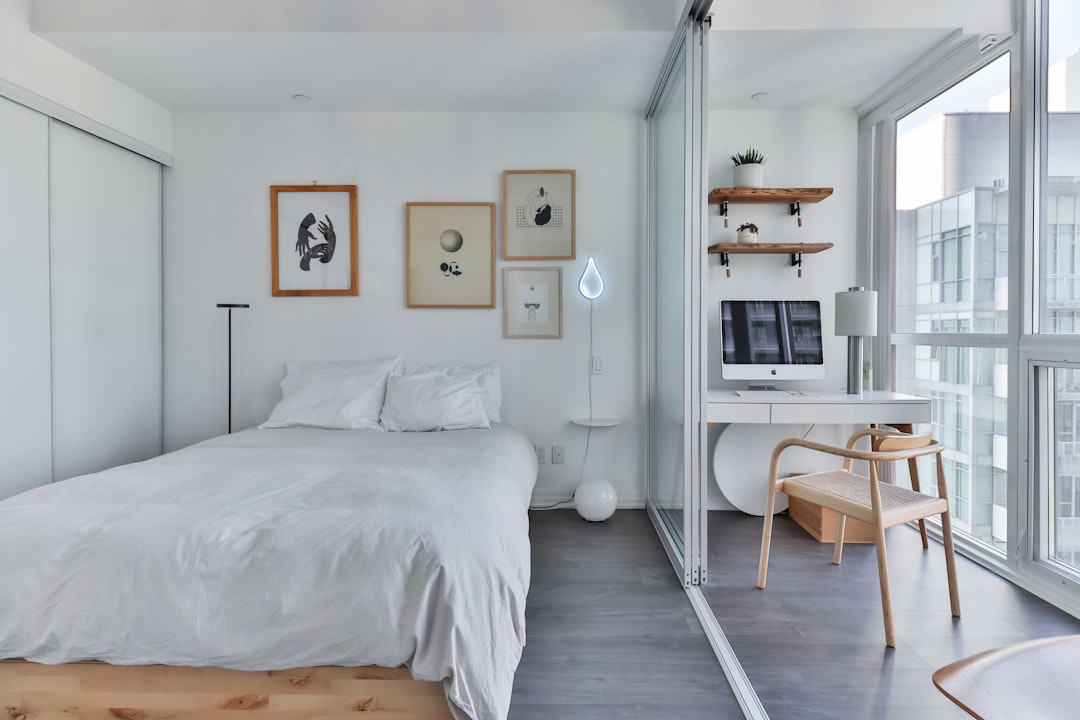
The real estate market has experienced a notable transformation in recent years, marked by the substantial growth of luxury apartment developments. These premium residential properties target consumers seeking elevated living standards that emphasize comfort, sophistication, and exclusivity beyond basic housing needs. Several key factors drive the expansion of luxury apartments, including accelerated urbanization, demographic shifts, and evolving consumer preferences regarding desirable living environments.
Urban expansion and increasing population diversity have generated heightened demand for upscale housing options, resulting in widespread development of luxury apartment complexes. This market trend extends beyond major metropolitan centers to encompass smaller cities and suburban areas, where developers identify opportunities for substantial investment returns. The appeal of luxury living has expanded across diverse market segments, attracting young professionals, empty nesters, and families pursuing enhanced quality of life.
This broader accessibility to luxury residential options has fundamentally altered real estate market dynamics, creating a significant sector that requires comprehensive understanding of its underlying economic and social drivers.
Key Takeaways
- Luxury apartments have surged in popularity, driven by high demand and premium amenities.
- The real estate bubble significantly affects luxury apartment prices and market stability.
- Location and amenities play crucial roles in determining the value of luxury apartments.
- Developers are key players in shaping the luxury apartment market through innovative projects.
- Careful due diligence and strategic planning are essential for successful investment in luxury apartments.
The Impact of the Real Estate Bubble
As you delve deeper into the world of luxury apartments, it’s crucial to consider the broader context of the real estate market, particularly the impact of the real estate bubble. The bubble, characterized by inflated property values and speculative investments, has left an indelible mark on the luxury apartment sector. When prices soar beyond sustainable levels, it creates an environment ripe for correction, leading to potential financial instability for both investors and homeowners alike.
You may recall the housing crisis of 2008, which serves as a stark reminder of how quickly fortunes can change in the real estate market. The repercussions of a real estate bubble extend beyond mere price fluctuations; they can also influence consumer confidence and investment strategies. As you navigate the luxury apartment market, it’s essential to remain vigilant about market trends and economic indicators that could signal a potential downturn.
Navigating the Luxury Apartment Market
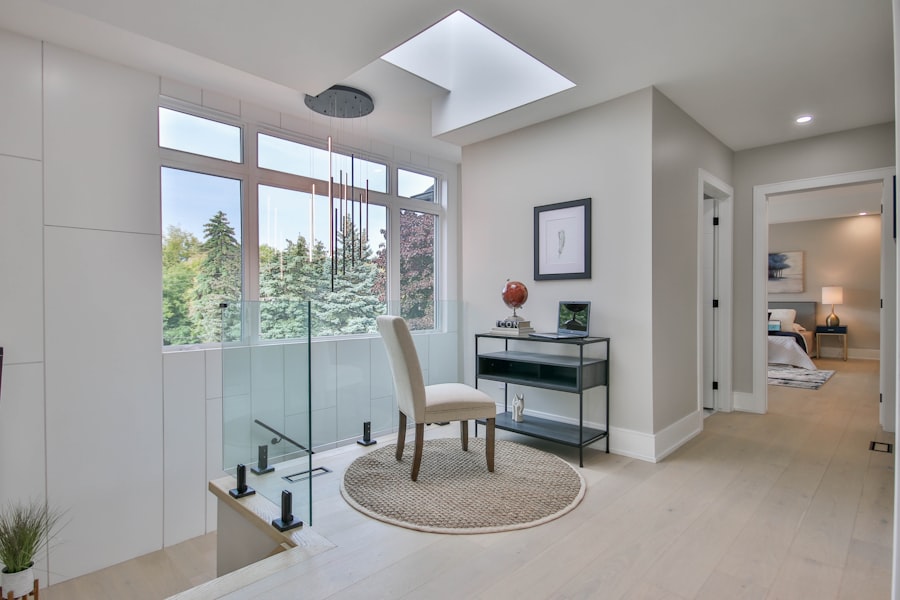
Navigating the luxury apartment market requires a keen understanding of its unique characteristics and challenges. As you explore available options, you’ll encounter a diverse array of properties, each with its own set of features and price points. It’s essential to identify your priorities and preferences before embarking on your search.
Are you looking for a penthouse with breathtaking views or a spacious unit with state-of-the-art amenities? By clarifying your needs, you can streamline your search and focus on properties that align with your vision of luxury living. Additionally, working with a knowledgeable real estate agent who specializes in luxury apartments can be invaluable.
They can provide insights into market trends, help you identify emerging neighborhoods, and guide you through the complexities of negotiations. As you engage with professionals in the field, don’t hesitate to ask questions and seek advice; their expertise can empower you to make informed decisions that align with your financial goals and lifestyle aspirations.
Understanding the Demand for Luxury Living
The demand for luxury living is driven by various factors that reflect changing societal values and economic conditions. As you consider investing in luxury apartments, it’s essential to understand what motivates individuals to seek out these upscale living spaces. One significant driver is the desire for convenience and accessibility.
Many luxury apartment complexes are strategically located near urban centers, offering residents easy access to work, entertainment, and cultural amenities. This proximity enhances the overall quality of life and makes luxury living an attractive option for busy professionals. Moreover, the rise of remote work has shifted priorities for many individuals.
You may find that people are increasingly valuing their living environments as they spend more time at home. This trend has led to a heightened interest in properties that offer not only aesthetic appeal but also functional spaces for work and leisure. As you explore the luxury apartment market, consider how these evolving preferences shape demand and influence property values.
The Role of Developers in the Luxury Apartment Boom
| Metric | Value | Notes |
|---|---|---|
| Average Price per Square Foot | 1,200 | Indicative of luxury market pricing |
| Price Growth Rate (Year-over-Year) | 15% | Rapid increase suggesting bubble conditions |
| Inventory Turnover Rate | 3 months | Time taken to sell luxury apartments |
| Mortgage Default Rate | 1.2% | Higher than average, signaling risk |
| Luxury Apartment Vacancy Rate | 8% | Elevated vacancy indicating oversupply |
| Average Rental Yield | 3.5% | Lower yields compared to price growth |
| Speculative Purchase Percentage | 25% | Share of buyers purchasing for investment |
Developers play a pivotal role in shaping the landscape of luxury apartments. As you observe new projects emerging in various neighborhoods, it’s essential to recognize the strategies employed by developers to attract buyers and renters alike. Many developers are focusing on creating unique experiences within their properties, incorporating innovative designs and high-quality materials that set their projects apart from competitors.
This emphasis on craftsmanship and attention to detail is crucial in appealing to discerning clients who expect nothing less than excellence. Furthermore, developers are increasingly prioritizing sustainability and eco-friendly practices in their projects. As you consider investing in luxury apartments, take note of how developers are integrating green technologies and sustainable materials into their designs.
By understanding the motivations and strategies of developers, you can better assess potential investments in the luxury apartment market.
The Influence of Location on Luxury Apartment Prices
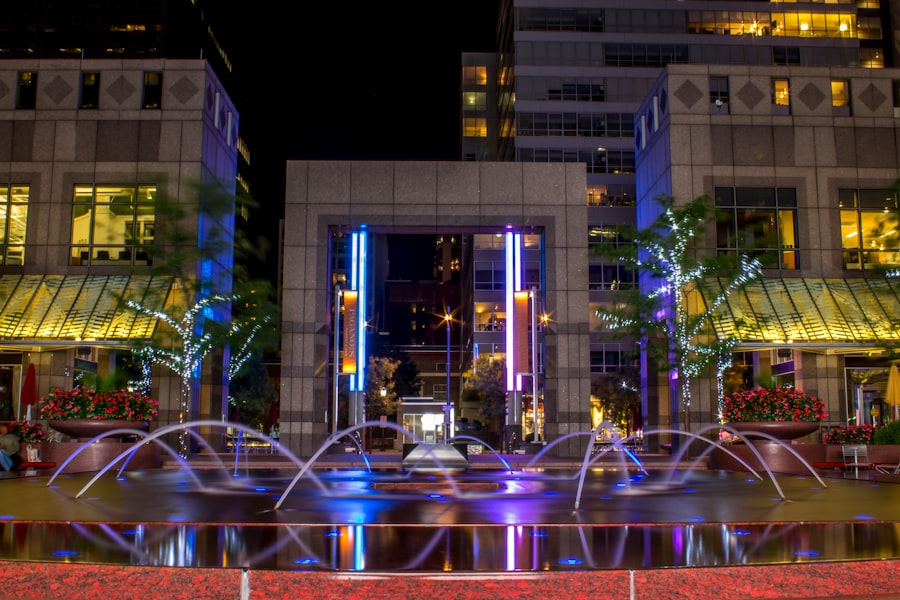
Location is often touted as one of the most critical factors influencing real estate prices, and this holds particularly true in the luxury apartment market. As you evaluate potential investments, consider how location impacts property values and desirability. Prime locations—those situated near vibrant cultural hubs, top-rated schools, and essential amenities—tend to command higher prices due to their appeal to affluent buyers and renters.
You may find that properties in sought-after neighborhoods not only offer immediate access to conveniences but also promise long-term appreciation potential. However, it’s essential to recognize that location is not solely about prestige; it also encompasses factors such as safety, accessibility, and future development plans. As you research neighborhoods, pay attention to upcoming infrastructure projects or zoning changes that could influence property values over time.
By understanding how location affects luxury apartment prices, you can make more informed decisions about where to invest your resources.
The Effect of Amenities on Luxury Apartment Value
Amenities play a significant role in determining the value of luxury apartments. As you explore various properties, you’ll likely encounter an array of features designed to enhance residents’ lifestyles. From rooftop pools and fitness centers to concierge services and pet-friendly spaces, these amenities contribute to the overall appeal of a property.
You may find that certain amenities resonate more with specific demographics; for instance, young professionals might prioritize co-working spaces while families may seek out playgrounds or family-friendly facilities. When evaluating amenities, consider how they align with your target market’s preferences and lifestyle needs. Properties that offer unique or high-demand amenities can command premium prices and attract a steady stream of tenants or buyers.
Additionally, as you assess potential investments, think about how amenity offerings can differentiate a property from its competitors in a crowded market.
The Challenges of Investing in Luxury Apartments
While investing in luxury apartments can be lucrative, it is not without its challenges. As you navigate this competitive landscape, be prepared to face obstacles such as high entry costs and fluctuating market conditions. The initial investment required for luxury properties can be substantial, which may limit your options if you’re working with a tight budget.
Additionally, as you’ve seen in previous market cycles, economic downturns can lead to decreased demand for high-end rentals or sales, impacting your return on investment. Moreover, managing luxury properties often requires a different approach than traditional rentals. You may need to invest more time and resources into property management to maintain high standards and meet tenant expectations.
This could involve hiring specialized staff or implementing advanced technology solutions to streamline operations. By acknowledging these challenges upfront and developing strategies to address them, you can position yourself for success in the luxury apartment market.
The Future of the Luxury Apartment Market
As you look ahead to the future of the luxury apartment market, several trends are likely to shape its trajectory. One notable trend is the increasing integration of technology into residential living spaces. Smart home features—such as automated lighting systems, security cameras, and energy-efficient appliances—are becoming standard expectations among luxury buyers and renters alike.
You may find that properties equipped with cutting-edge technology not only enhance convenience but also appeal to tech-savvy consumers seeking modern living experiences. Additionally, as sustainability continues to gain traction across various industries, expect developers to prioritize eco-friendly practices in their projects further. From energy-efficient designs to sustainable building materials, environmentally conscious features will likely become integral components of luxury apartments moving forward.
By staying attuned to these trends and adapting your investment strategies accordingly, you can position yourself advantageously within this evolving market.
Strategies for Surviving the Real Estate Bubble
Surviving a real estate bubble requires strategic planning and foresight. As you navigate potential investments in luxury apartments during uncertain times, consider diversifying your portfolio to mitigate risks associated with market fluctuations. By spreading your investments across different property types or geographic locations, you can reduce your exposure to any single market downturn.
Additionally, maintaining a strong financial foundation is crucial during periods of volatility. Ensure that you have adequate reserves set aside for unexpected expenses or vacancies that may arise during economic downturns. By prioritizing financial stability and adopting a proactive approach to risk management, you can weather potential storms in the real estate market while positioning yourself for future growth.
The Importance of Due Diligence in Luxury Apartment Investments
Finally, conducting thorough due diligence is paramount when investing in luxury apartments. As you evaluate potential properties, take the time to research market trends, property histories, and neighborhood dynamics comprehensively. Engaging professionals—such as real estate agents, appraisers, or legal advisors—can provide valuable insights that inform your decision-making process.
Additionally, consider conducting property inspections to assess condition and identify any potential issues that could impact your investment’s value over time. By prioritizing due diligence throughout your investment journey, you’ll be better equipped to make informed decisions that align with your financial goals while minimizing risks associated with luxury apartment investments. In conclusion, navigating the world of luxury apartments presents both opportunities and challenges for investors like yourself.
By understanding market dynamics, recognizing key trends, and conducting thorough research, you can position yourself for success in this competitive landscape while enjoying the benefits that come with investing in high-end living spaces.
As the luxury apartment market continues to experience fluctuations, many investors are concerned about the potential for a real estate bubble. A recent article discusses the implications of rising prices and the sustainability of luxury living in urban areas. For more insights on this topic, you can read the full article [here](https://www.howwealthgrows.com/sample-page/).
WATCH THIS! They’re Hiding This From You About Your Rent 🏢
FAQs
What is a real estate bubble?
A real estate bubble occurs when property prices rise rapidly to levels that are unsustainable, often driven by speculation, demand, and easy credit. Eventually, the bubble bursts, leading to a sharp decline in property values.
How do luxury apartments relate to a real estate bubble?
Luxury apartments can be a significant part of a real estate bubble if their prices increase disproportionately compared to average income levels and market fundamentals. High demand and speculative investment in luxury properties can inflate prices beyond sustainable levels.
What factors contribute to a real estate bubble in luxury apartments?
Key factors include excessive speculation, low interest rates, high demand from wealthy buyers or investors, limited supply, and economic conditions that encourage borrowing and investment in high-end properties.
What are the risks of investing in luxury apartments during a real estate bubble?
Investors risk significant financial loss if the bubble bursts and property values decline sharply. Luxury apartments may also face longer selling times and reduced rental demand during market corrections.
How can one identify if the luxury apartment market is in a bubble?
Indicators include rapid price increases without corresponding growth in income or rental yields, high levels of speculative buying, oversupply of luxury units, and economic conditions that may not support sustained price growth.
What happens when a real estate bubble bursts?
When a bubble bursts, property prices fall rapidly, leading to decreased market liquidity, potential foreclosures, reduced construction activity, and financial losses for investors and homeowners.
Are luxury apartments more vulnerable to bubbles than other real estate segments?
Luxury apartments can be more vulnerable due to their reliance on high-net-worth buyers and investors, who may be more sensitive to economic shifts and market sentiment, causing sharper price fluctuations.
How can buyers protect themselves from a real estate bubble in luxury apartments?
Buyers should conduct thorough market research, avoid overpaying, consider long-term value and rental potential, and be cautious of speculative trends. Consulting real estate professionals and financial advisors is also advisable.
What role do government policies play in real estate bubbles?
Government policies on interest rates, lending standards, taxation, and housing supply can influence real estate markets. Loose credit conditions and tax incentives may contribute to bubble formation, while regulations can help stabilize markets.
Can real estate bubbles be predicted or prevented?
While exact timing is difficult to predict, monitoring market indicators and economic conditions can provide warnings. Preventing bubbles requires coordinated efforts from policymakers, lenders, and market participants to ensure sustainable growth.