
Zoning codes are regulatory frameworks that determine land use patterns in urban areas, specifying what types of structures can be built in designated locations. These regulations establish separate zones for residential, commercial, and industrial development, creating organized urban environments where different land uses can function without conflict. Zoning codes directly impact housing supply and costs by controlling the density, type, and location of residential development.
Research demonstrates that restrictive zoning regulations contribute to housing shortages and increased costs in many metropolitan areas. When zoning laws limit building heights, require large minimum lot sizes, or restrict multi-family housing development, they constrain the overall housing supply. This reduced supply, combined with steady or growing demand, results in higher housing prices that disproportionately affect low- and moderate-income households.
The relationship between zoning and housing affordability presents a policy challenge for municipalities. While zoning serves important functions such as preventing incompatible land uses and protecting neighborhood character, overly restrictive regulations can exacerbate housing affordability problems. Cities are increasingly examining zoning reform strategies, including allowing accessory dwelling units, reducing minimum lot sizes, and permitting higher-density development near transit corridors, to address housing supply constraints while maintaining community planning objectives.
Key Takeaways
- Zoning codes significantly influence housing affordability by regulating land use and development density.
- Restrictive zoning often limits affordable housing supply, contributing to higher housing costs and displacement.
- Reforming zoning codes can help mitigate gentrification and promote inclusive, affordable communities.
- Successful cities combine zoning reforms with community engagement to ensure equitable housing solutions.
- Government policies play a crucial role in overcoming challenges and implementing effective zoning code changes.
Understanding Zoning Codes and their Impact on Housing Affordability
To grasp the impact of zoning codes on housing affordability, it is essential to understand what these codes entail. Zoning laws are legal frameworks established by local governments to regulate land use and development. They dictate various aspects of property use, including building height, density, and the types of activities permitted in specific areas.
As you consider these regulations, it becomes clear that they can either promote or restrict the development of affordable housing units. When zoning codes are overly restrictive, they can limit the types of housing that can be built in certain areas. For instance, if a neighborhood is zoned exclusively for single-family homes, developers may be unable to construct multi-family units or affordable housing complexes.
This limitation can exacerbate housing shortages and drive up prices, making it increasingly difficult for individuals and families to secure affordable living spaces. Conversely, more flexible zoning regulations can encourage diverse housing options, allowing for a greater variety of income levels to coexist within a community.
The Relationship Between Zoning Codes and Housing Costs
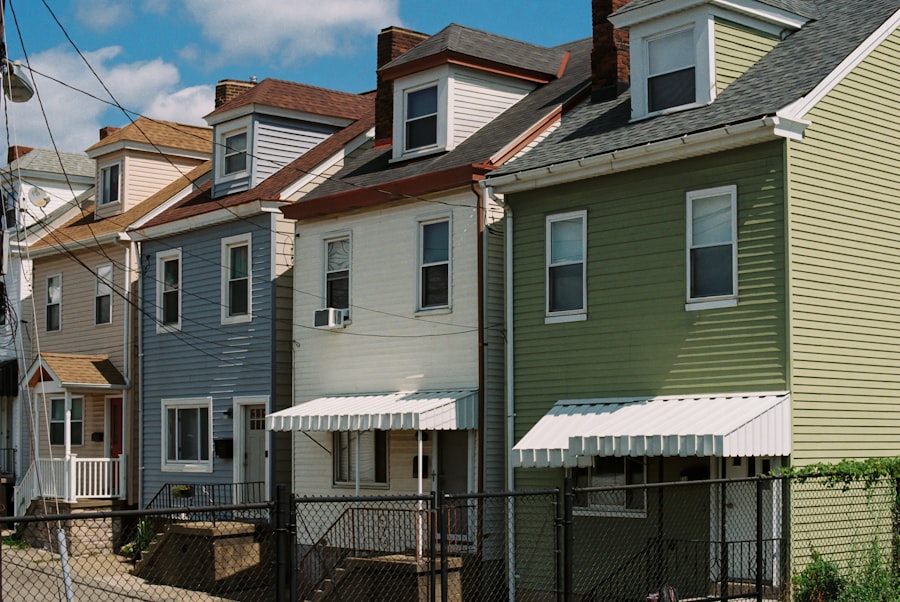
The relationship between zoning codes and housing costs is complex and multifaceted. As you explore this connection, you will find that zoning regulations can directly influence the supply of housing available in a given area. When zoning laws restrict the types of developments that can occur, they inadvertently contribute to a limited housing supply.
This scarcity often leads to increased competition among potential renters and buyers, driving prices higher.
For example, if a city imposes stringent regulations on building materials or design aesthetics, developers may face increased costs that are ultimately passed on to consumers.
As you consider these factors, it becomes evident that zoning codes are not merely bureaucratic hurdles; they are powerful tools that shape the economic landscape of housing markets. By understanding this relationship, you can better appreciate the need for thoughtful reform in zoning practices to promote affordability.
How Zoning Codes Contribute to the Lack of Affordable Housing
The lack of affordable housing in many urban areas can often be traced back to restrictive zoning codes. As you examine this issue, you may notice that many cities have adopted policies that prioritize single-family homes over multi-family or mixed-use developments. This preference not only limits the availability of affordable units but also perpetuates socioeconomic segregation within communities.
Additionally, zoning codes often impose minimum lot sizes and setback requirements that can make it financially unfeasible for developers to build affordable housing projects. These regulations can create barriers that disproportionately affect low-income families and individuals seeking affordable options. As you reflect on these challenges, it becomes clear that reforming zoning codes is essential for addressing the growing crisis of affordable housing in urban areas.
The Role of Zoning Codes in Gentrification and Displacement
| City | Zoning Code Type | Average Housing Cost (per month) | Maximum Building Height (feet) | Minimum Lot Size (sq ft) | Allowed Housing Density (units per acre) |
|---|---|---|---|---|---|
| San Francisco | Mixed-Use | 3500 | 40 | 2000 | 30 |
| Seattle | Residential Low-Density | 2800 | 35 | 5000 | 8 |
| Denver | Residential Medium-Density | 2200 | 45 | 3000 | 15 |
| Austin | Residential High-Density | 1800 | 60 | 1500 | 40 |
| Boston | Mixed-Use | 3200 | 50 | 2500 | 25 |
Gentrification is another critical issue closely tied to zoning codes and their impact on housing affordability. As neighborhoods undergo revitalization, often driven by new investments and developments, long-time residents may find themselves priced out of their homes due to rising rents and property values. You may observe that zoning regulations can exacerbate this phenomenon by favoring high-end developments over affordable housing options.
When cities prioritize luxury apartments or upscale retail spaces through their zoning codes, they inadvertently contribute to the displacement of lower-income residents. This process not only disrupts established communities but also erodes cultural diversity and social cohesion. As you consider the implications of gentrification, it becomes evident that thoughtful zoning reforms are necessary to protect vulnerable populations from being pushed out of their neighborhoods.
Strategies for Addressing Zoning Codes to Improve Housing Affordability

To tackle the challenges posed by restrictive zoning codes, various strategies can be employed to promote affordable housing development. One effective approach is to advocate for inclusionary zoning policies that require developers to allocate a percentage of new units for low- and moderate-income households. By implementing such policies, cities can ensure that new developments contribute to the overall affordability of the housing market.
By permitting multi-family units or mixed-use developments in previously restricted zones, cities can increase the supply of affordable housing options while also promoting walkability and reducing reliance on cars. As you explore these strategies, you will find that collaboration between local governments, community organizations, and developers is essential for creating effective solutions that address the pressing need for affordable housing.
Case Studies of Cities Successfully Addressing Zoning Codes to Increase Affordable Housing
Several cities across the United States have successfully implemented zoning reforms aimed at increasing affordable housing availability. For instance, Minneapolis made headlines when it became one of the first major cities to eliminate single-family zoning altogether. This bold move allowed for greater density and diversity in housing options, ultimately leading to an increase in affordable units within the city.
Similarly, Portland has adopted an inclusionary zoning policy that requires developers to set aside a portion of new units for low-income residents. This approach has not only helped create more affordable housing but has also fostered a sense of community by ensuring that diverse income levels can coexist within neighborhoods. As you examine these case studies, you will see that innovative zoning reforms can lead to tangible improvements in housing affordability.
The Importance of Community Engagement in Zoning Code Reform
Community engagement is a vital component of any successful zoning code reform initiative. As you consider the complexities of urban development, it becomes clear that involving residents in the decision-making process is essential for creating policies that reflect their needs and priorities. Engaging with community members allows local governments to gain valuable insights into the specific challenges faced by residents regarding housing affordability.
Moreover, fostering open dialogue between stakeholders can help build trust and support for proposed reforms. When residents feel heard and valued in discussions about zoning changes, they are more likely to embrace new policies aimed at improving housing affordability. As you reflect on this importance, remember that community engagement is not just a checkbox; it is a fundamental aspect of creating equitable and effective zoning reforms.
Potential Challenges and Opposition to Zoning Code Reforms
While there is a growing recognition of the need for zoning code reforms to address housing affordability, potential challenges and opposition often arise during the process. You may encounter resistance from various stakeholders who fear that changes could negatively impact property values or alter the character of their neighborhoods. These concerns are valid but must be balanced against the pressing need for affordable housing solutions.
Additionally, navigating the political landscape surrounding zoning reforms can be complex. Local governments may face pushback from influential interest groups or constituents who oppose changes that could affect their communities. As you consider these challenges, it becomes clear that effective communication and education about the benefits of reform are essential for overcoming opposition and fostering support for necessary changes.
The Role of Government and Policy in Addressing Zoning Codes and Housing Affordability
Government policy plays a pivotal role in shaping zoning codes and addressing housing affordability issues. As you explore this relationship, you will find that local governments have the power to implement policies that promote inclusive development while also protecting vulnerable populations from displacement. By prioritizing affordable housing initiatives within their planning agendas, local leaders can create a more equitable urban landscape.
Moreover, state-level policies can also influence local zoning practices by providing funding or incentives for affordable housing development. For instance, some states have enacted legislation that encourages municipalities to adopt inclusionary zoning policies or streamline permitting processes for affordable projects. As you reflect on these dynamics, it becomes evident that a coordinated approach between various levels of government is essential for effectively addressing zoning codes and promoting affordable housing solutions.
Moving Forward to Create More Affordable Housing through Zoning Code Reform
In conclusion, addressing the challenges posed by restrictive zoning codes is essential for creating more affordable housing options in urban areas. As you have explored throughout this article, understanding the intricate relationship between zoning regulations and housing costs is crucial for advocating meaningful reform. By implementing strategies such as inclusionary zoning policies and promoting community engagement, cities can work towards fostering diverse and inclusive neighborhoods.
As you look ahead, remember that successful zoning code reform requires collaboration among local governments, community members, and developers alike. By prioritizing affordable housing initiatives within urban planning agendas and addressing potential challenges head-on, we can move towards a future where everyone has access to safe and affordable living spaces. The journey may be complex, but with commitment and innovation, it is possible to create vibrant communities where all residents can thrive.
Zoning codes play a crucial role in shaping housing costs and availability in urban areas. For a deeper understanding of how these regulations impact the housing market, you can read the article on this topic at this link. It provides valuable insights into the relationship between zoning laws and the affordability of housing, highlighting the challenges and opportunities that arise from these regulations.
WATCH THIS! They’re Hiding This From You About Your Rent 🏢
FAQs
What are zoning codes?
Zoning codes are local regulations that dictate how land and properties in specific geographic zones can be used. They control aspects such as building types, densities, heights, and land uses to organize urban development and land use.
How do zoning codes affect housing costs?
Zoning codes can influence housing costs by limiting the supply and types of housing that can be built. Restrictive zoning, such as limits on building height or density, can reduce housing availability, leading to higher prices. Conversely, more flexible zoning can encourage development and increase housing supply, potentially lowering costs.
What types of zoning restrictions impact housing affordability?
Common zoning restrictions that impact affordability include minimum lot sizes, single-family-only zones, limits on multi-family housing, height restrictions, and parking requirements. These rules can restrict the number of housing units built and increase construction costs.
Can changing zoning codes help reduce housing costs?
Yes, revising zoning codes to allow higher density, mixed-use developments, and diverse housing types can increase housing supply and variety, which may help reduce housing costs over time.
Are zoning codes the only factor influencing housing costs?
No, housing costs are influenced by multiple factors including land prices, construction costs, demand, economic conditions, and government policies beyond zoning, such as taxes and subsidies.
Who sets zoning codes?
Zoning codes are typically established and enforced by local governments, such as city or county planning departments, through ordinances and planning commissions.
Do zoning codes vary by location?
Yes, zoning codes vary widely between cities, counties, and states, reflecting local priorities, geography, and development goals.
What is the relationship between zoning codes and housing supply?
Zoning codes directly affect housing supply by regulating the type and amount of housing that can be built. Restrictive zoning can limit supply, while permissive zoning can encourage more housing development.
How do zoning codes impact different types of housing?
Zoning codes can favor certain housing types, such as single-family homes, over others like apartments or accessory dwelling units, influencing the diversity and affordability of available housing options.
Are there efforts to reform zoning codes to address housing affordability?
Yes, many cities and states are exploring or implementing zoning reforms aimed at increasing housing density, allowing multi-family units, and reducing regulatory barriers to improve housing affordability.