
In recent decades, urban skylines have undergone significant transformation with the construction of luxury residential towers. These structures, characterized by glass facades and extensive amenities, initially represented economic prosperity and urban development. The construction phase generated considerable interest as developers marketed an exclusive lifestyle to potential buyers.
These properties attracted wealthy investors seeking both residential spaces and status symbols. The buildings featured premium facilities including rooftop pools, private fitness centers, and panoramic city views. Subsequently, economic volatility and demographic shifts affected the market demand for high-end residential properties.
Many luxury towers experienced declining occupancy rates. The premium pricing and exclusive nature that initially attracted buyers later became obstacles to market absorption. As market conditions evolved, these developments faced challenges in maintaining their projected value and occupancy levels.
The trajectory of luxury towers illustrates the complex relationship between real estate development, market dynamics, and urban planning, resulting in numerous high-value properties with lower-than-expected utilization rates.
Key Takeaways
- Luxury towers often rise quickly but can fall into abandonment due to economic shifts and market changes.
- Empty luxury towers create eerie, ghostly urban landscapes marked by dark, unlit windows.
- These abandoned structures have significant economic, social, and environmental impacts on their communities.
- Repurposing luxury towers poses complex challenges involving architecture, ethics, and sustainability.
- The phenomenon of empty luxury towers is global, reflecting broader issues of wealth disparity and urban planning.
The Ghostly Presence of Abandoned Opulence
As you stroll through neighborhoods once dominated by luxury towers, you may encounter the ghostly presence of abandoned opulence. These towering structures, once filled with life and laughter, now stand as silent sentinels of a bygone era.
You can almost hear the echoes of conversations that once filled the air, replaced now by an unsettling silence that envelops these buildings. The grandeur that once defined them has faded into a haunting reminder of what was. The interiors of these abandoned towers tell a story of neglect and decay.
You might find yourself peering through dusty windows to catch a glimpse of what remains—a forgotten gym filled with rusting equipment, an empty pool reflecting the dim light, or lavish lobbies that have lost their luster. Each corner holds remnants of luxury that now feel out of place in their desolation. The juxtaposition of opulence and abandonment creates an eerie beauty that captivates your imagination, leaving you to ponder the lives that once thrived within these walls.
The Economic and Social Impact of Empty Luxury Towers
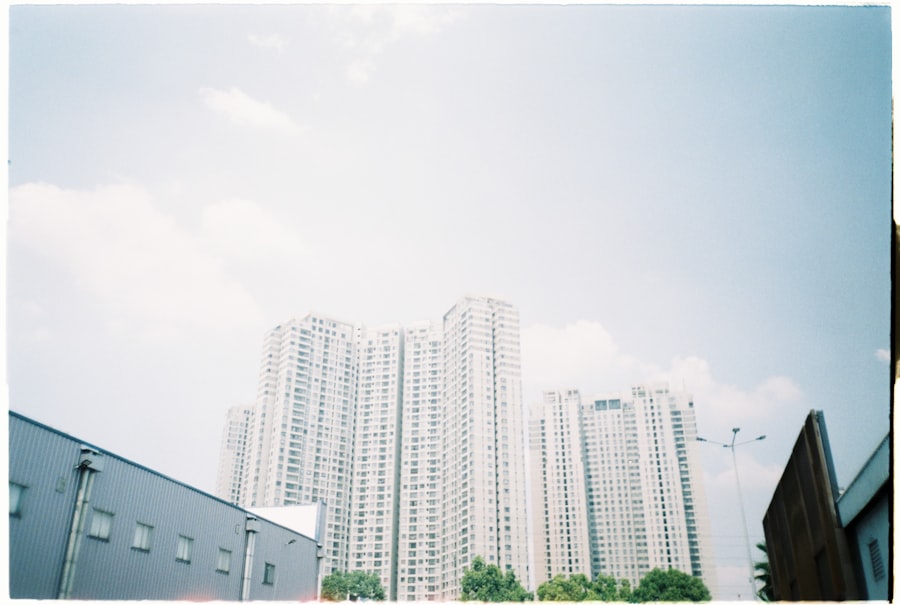
The proliferation of empty luxury towers has far-reaching economic and social implications that extend beyond their physical presence. As you consider the financial landscape, it becomes evident that these abandoned structures represent not just lost investments but also a significant drain on local economies. Property taxes go unpaid, and maintenance costs accumulate, placing a burden on municipalities already grappling with budget constraints.
You may wonder how many resources are tied up in these empty edifices, diverting funds from essential services like education and infrastructure. Socially, the impact is equally profound. The presence of vacant luxury towers can alter the character of neighborhoods, creating a sense of desolation where there was once vibrancy.
You might notice how these empty buildings contribute to a feeling of insecurity among residents, as they become targets for vandalism and crime. The stark contrast between affluent neighborhoods and the reality of abandoned properties can exacerbate social divides, leading to tensions between different socioeconomic groups. As you reflect on this phenomenon, it becomes clear that the consequences extend far beyond the walls of these towers; they ripple through communities, affecting lives in ways that are often overlooked.
The Haunting Beauty of Dark Windows
The darkened windows of empty luxury towers possess a haunting beauty that captivates your attention. As you gaze upon these structures at dusk, their silhouettes against the fading light evoke a sense of mystery and intrigue. Each darkened pane tells a story—a story of dreams unfulfilled and aspirations left behind.
You may find yourself drawn to the contrast between the sleek architecture and the emptiness within, creating an aesthetic that is both alluring and melancholic. This haunting beauty invites contemplation about what lies behind those dark windows. You might imagine the lives that once filled these spaces with laughter and joy, now replaced by silence and solitude.
The allure of luxury living has given way to an unsettling stillness that permeates the air. As you walk past these towers, you may feel a sense of loss for the vibrant communities that could have thrived in their shadow. The beauty of these structures lies not only in their design but also in the stories they hold—stories that linger like ghosts in the night.
The Challenge of Repurposing Abandoned Luxury Towers
| Metric | Description | Value | Unit |
|---|---|---|---|
| Occupancy Rate | Percentage of units currently occupied | 12 | % |
| Number of Floors | Total floors in the luxury tower | 45 | floors |
| Number of Units | Total residential units in the tower | 300 | units |
| Window Transparency | Percentage of windows with dark tinting | 85 | % |
| Average Monthly Maintenance Cost | Cost to maintain empty units | 1500 | per unit |
| Energy Consumption | Average energy use per empty unit | 350 | kWh/month |
| Security Incidents | Number of reported incidents in last year | 5 | incidents |
Repurposing abandoned luxury towers presents a formidable challenge for urban planners and developers alike. As you consider the potential for revitalization, you may recognize that transforming these structures into functional spaces requires innovative thinking and significant investment. The very features that made them desirable—high ceilings, expansive layouts, and luxurious finishes—can also complicate their conversion into more practical uses such as affordable housing or community centers.
You might also encounter resistance from local communities who view these towers as symbols of excess rather than opportunity. The challenge lies not only in reimagining their purpose but also in addressing the concerns of residents who may feel disconnected from the vision for their revitalization. As you delve deeper into this issue, it becomes clear that successful repurposing requires collaboration between developers, city officials, and community members to create spaces that serve the needs of all stakeholders involved.
The Global Phenomenon of Empty Luxury Towers
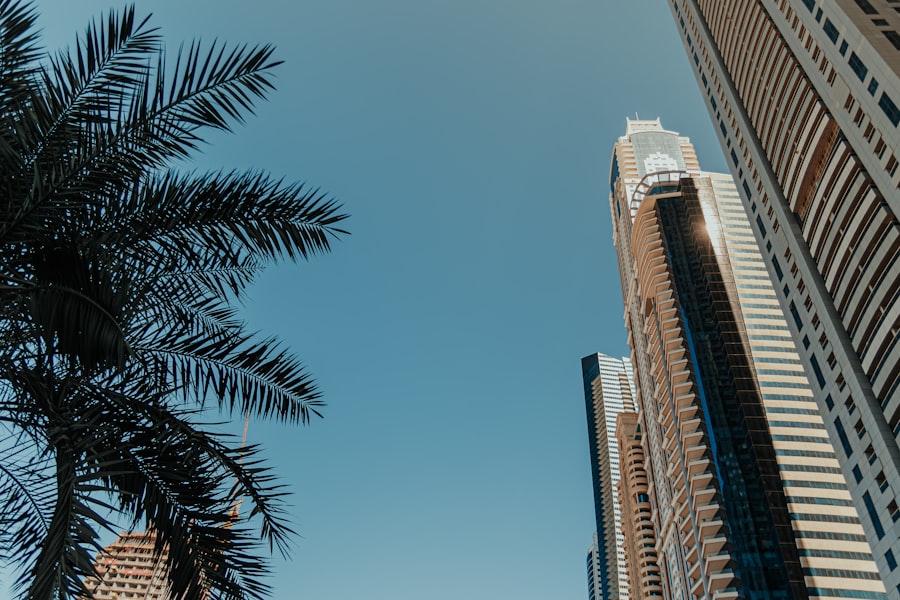
The phenomenon of empty luxury towers is not confined to one city or country; it is a global issue that reflects broader economic trends and societal shifts. As you explore urban landscapes around the world, you may find striking similarities in how luxury developments have risen and fallen in tandem with economic cycles. From New York to Dubai, cities have witnessed the construction of extravagant towers that promised wealth and prestige, only to face similar fates as markets fluctuated.
This global trend raises questions about the sustainability of luxury real estate as an investment strategy. You might ponder whether developers will continue to pursue high-end projects in light of increasing vacancy rates and changing consumer preferences. As urban populations evolve and demand for affordable housing grows, it becomes evident that the future of luxury towers may hinge on their ability to adapt to new realities.
The international nature of this issue underscores the need for innovative solutions that transcend borders and address the challenges posed by empty luxury towers on a global scale.
The Environmental Consequences of Abandoned Opulence
The environmental consequences of abandoned luxury towers extend far beyond their physical structures; they encompass issues related to sustainability and resource management. As you consider the energy consumption associated with maintaining these empty buildings, it becomes clear that they represent a significant waste of resources. Heating, cooling, and lighting systems continue to operate even when no one is present, contributing to unnecessary carbon emissions and environmental degradation.
Moreover, the materials used in constructing these towers often have long-lasting impacts on the environment. You might reflect on how the extraction and production processes for high-end materials contribute to ecological harm, while their abandonment leads to further waste as buildings deteriorate over time. The challenge lies in finding ways to mitigate these environmental impacts while addressing the pressing need for sustainable urban development.
As you contemplate this issue, it becomes evident that repurposing or demolishing abandoned luxury towers must be approached with an eye toward minimizing harm to our planet.
The Forgotten Stories of Empty Luxury Towers
Behind every empty luxury tower lies a tapestry of forgotten stories waiting to be uncovered. As you explore these structures, you may find remnants of lives once lived—personal belongings left behind, photographs tucked away in corners, or even notes scrawled on walls by former residents. Each item serves as a testament to the dreams and aspirations that once filled these spaces with life.
You might also consider the broader narratives surrounding these buildings—the stories of developers who envisioned grandeur but faced unforeseen challenges or residents who invested their hopes in a lifestyle that ultimately eluded them. These forgotten stories remind us that behind every abandoned structure is a human experience marked by ambition, disappointment, and resilience. As you reflect on these narratives, it becomes clear that acknowledging the past is essential for understanding how we can move forward in addressing the challenges posed by empty luxury towers.
The Future of Abandoned Luxury Towers
The future of abandoned luxury towers remains uncertain as cities grapple with how best to address this growing issue. You may envision various possibilities—some towers could be repurposed into affordable housing or community spaces, while others may face demolition as cities seek to reclaim valuable land for new developments. The key lies in finding innovative solutions that balance economic viability with social responsibility.
This vision requires collaboration among stakeholders at all levels—government officials, community members, and private investors—to create a shared understanding of what these spaces can become. Ultimately, the future of abandoned luxury towers will depend on our collective ability to reimagine their purpose in a way that benefits society as a whole.
The Intriguing Architecture of Empty Luxury Towers
The architecture of empty luxury towers often captivates your imagination with its bold designs and innovative features. As you admire their sleek lines and striking facades, it becomes evident that these structures were crafted with an eye toward making a statement—both aesthetically and culturally. You might find yourself drawn to their unique architectural elements—grand entrances, expansive balconies, or intricate detailing—that speak to a level of craftsmanship rarely seen in contemporary construction.
However, this intriguing architecture also raises questions about functionality and sustainability. You may wonder whether such grand designs are truly practical in today’s urban landscape or if they contribute to the very issues we face with vacancy rates and abandonment. As you explore this tension between form and function, it becomes clear that future architectural endeavors must prioritize not only visual appeal but also adaptability and community engagement.
The Ethical Dilemma of Empty Luxury Towers
The existence of empty luxury towers presents an ethical dilemma that challenges our values as a society. As you consider the stark contrast between opulence and abandonment, you may grapple with questions about wealth distribution and social responsibility. How can we justify constructing lavish buildings while so many people struggle to find affordable housing?
This ethical quandary forces us to confront uncomfortable truths about our priorities as individuals and communities. Moreover, you might reflect on the role developers play in perpetuating this cycle—are they responsible for ensuring their projects contribute positively to society? As you engage with these questions, it becomes evident that addressing the issue of empty luxury towers requires not only innovative solutions but also a commitment to ethical practices in urban development.
By fostering dialogue around these dilemmas, we can work toward creating spaces that reflect our shared values rather than exacerbating existing inequalities. In conclusion, as you navigate through the complexities surrounding empty luxury towers, it becomes clear that they represent more than just vacant buildings; they embody stories of ambition, loss, and potential for renewal. By acknowledging their past while envisioning a more equitable future, we can begin to transform these haunting structures into vibrant spaces that serve our communities for generations to come.
The phenomenon of empty luxury towers with dark windows has sparked significant discussion about urban development and housing affordability. A related article that delves into the implications of these vacant properties can be found at this link. It explores how these empty spaces reflect broader economic trends and the challenges faced by cities in balancing luxury real estate with the needs of their residents.
WATCH THIS! They’re Hiding This From You About Your Rent 🏢
FAQs
What are empty luxury towers with dark windows?
Empty luxury towers with dark windows refer to high-end residential or commercial buildings that remain largely unoccupied. The dark windows often indicate that the units inside are not in use, with lights turned off and minimal activity.
Why do some luxury towers remain empty?
Luxury towers may remain empty due to various reasons, including speculative real estate investment, high property prices that limit occupancy, economic downturns, or delays in development and sales. Some units are purchased as investments and left vacant.
What causes the windows of these towers to appear dark?
The windows appear dark because the units inside are unoccupied and have no lights turned on. This lack of illumination, especially at night, gives the building a dark and empty appearance.
Are empty luxury towers a common phenomenon?
Yes, empty luxury towers are observed in several major cities around the world, particularly in markets with high real estate prices and significant foreign investment. They are often associated with “ghost buildings” or “ghost towers.”
What impact do empty luxury towers have on local communities?
Empty luxury towers can affect local communities by reducing neighborhood vibrancy, limiting economic activity, and sometimes contributing to urban blight. They may also distort housing markets by reducing available housing stock for residents.
How do developers and governments address the issue of empty luxury towers?
Developers and governments may implement policies such as vacancy taxes, incentives for occupancy, or regulations to encourage affordable housing. Some cities track and report vacancy rates to better manage the issue.
Can empty luxury towers be repurposed?
Yes, empty luxury towers can sometimes be repurposed for other uses, such as affordable housing, office space, or community facilities, depending on zoning laws and market demand.
Is the presence of empty luxury towers an indicator of economic problems?
While not always, a high number of empty luxury towers can indicate economic issues such as real estate bubbles, overbuilding, or lack of affordable housing. However, it can also reflect investment patterns and market dynamics.