
Luxury apartment vacancy rates measure the percentage of unoccupied units in high-end residential complexes at a specific point in time. This metric serves as a key indicator for property owners, investors, and real estate professionals to assess market conditions and demand for premium housing in a given area. Vacancy rates provide direct insight into market dynamics.
High vacancy rates typically indicate either an oversupply of luxury units or reduced demand from potential tenants. Low vacancy rates suggest strong market conditions where tenant demand exceeds available supply. These metrics play a fundamental role in investment decision-making within the luxury real estate sector.
High vacancy rates may require adjustments to pricing strategies or enhanced marketing approaches to attract tenants. Low vacancy rates often indicate robust rental markets with favorable conditions for property owners and investors.
Monitoring vacancy trends enables stakeholders to make data-driven decisions regarding property acquisition, pricing, and management strategies.
Key Takeaways
- Luxury apartment vacancy rates are influenced by economic conditions, location, and available amenities.
- Economic downturns typically increase vacancy rates, while strong economies reduce them.
- Location plays a critical role in attracting luxury renters and maintaining low vacancy rates.
- Amenities and rental pricing strategies significantly impact the occupancy levels of luxury apartments.
- Understanding renter demographics and market trends helps predict and manage future vacancy rates effectively.
Factors Affecting Luxury Apartment Vacancy Rates
Several factors influence luxury apartment vacancy rates, and understanding these can help you navigate the market more effectively. One of the most significant factors is the overall economic climate. When the economy is thriving, people are more likely to seek out luxury living options, leading to lower vacancy rates.
Conversely, during economic downturns, individuals may prioritize affordability over luxury, resulting in higher vacancy rates for upscale apartments. Additionally, employment rates and income levels play a crucial role; when people have stable jobs and disposable income, they are more inclined to rent luxury apartments.
Properties situated in desirable neighborhoods with access to amenities such as shopping, dining, and entertainment tend to experience lower vacancy rates. If you are considering renting or investing in a luxury apartment, pay attention to the surrounding area and its appeal to potential tenants. Furthermore, competition among luxury properties can also impact vacancy rates.
If multiple high-end developments are launched simultaneously in the same area, it may lead to an oversupply of units, driving up vacancy rates as landlords compete for tenants.
Impact of Economic Conditions on Luxury Apartment Vacancy Rates
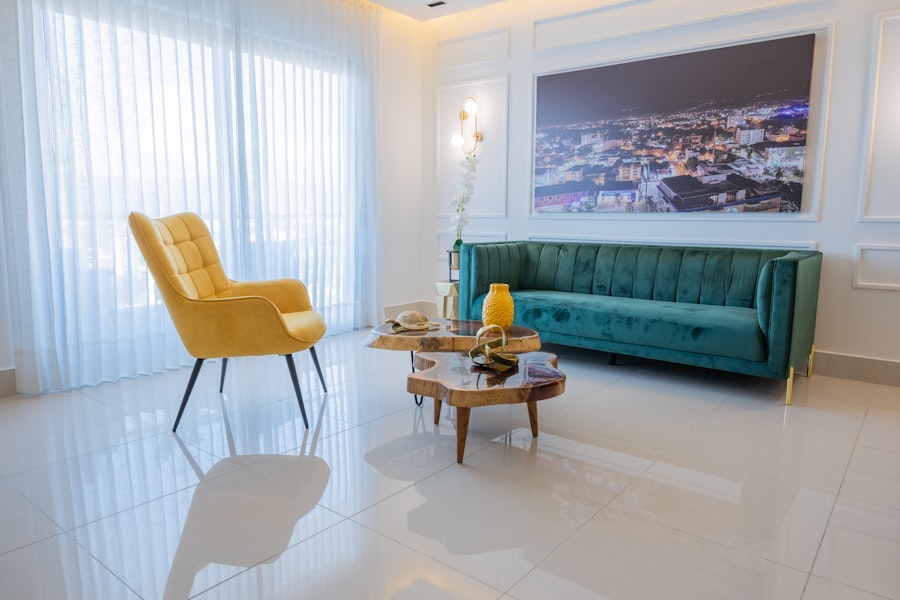
Economic conditions have a profound impact on luxury apartment vacancy rates. During periods of economic growth, consumer confidence typically rises, leading to increased demand for luxury rentals. People are more willing to spend on high-end living spaces when they feel secure in their jobs and financial situations.
This heightened demand often results in lower vacancy rates as tenants flock to secure desirable units before they are taken off the market. On the other hand, during economic downturns or recessions, the opposite occurs. You may find that individuals prioritize their financial stability over luxury living, leading to an increase in vacancy rates for upscale apartments.
In such times, landlords may need to adjust their rental prices or offer incentives to attract tenants. Understanding these economic cycles can help you make informed decisions about when to invest in luxury properties or when to hold off until conditions improve.
Trends in Luxury Apartment Vacancy Rates
As you delve deeper into the world of luxury apartments, you’ll notice that trends in vacancy rates can vary significantly from one market to another. In recent years, many urban areas have experienced a surge in luxury apartment construction, leading to increased competition among property owners. This influx of new units can temporarily drive up vacancy rates as supply outpaces demand.
However, as cities continue to grow and attract new residents, these rates often stabilize over time. Another trend worth noting is the shift in tenant preferences. Many renters are now seeking more than just a luxurious living space; they desire a lifestyle that includes access to amenities such as fitness centers, rooftop gardens, and co-working spaces.
As a result, properties that fail to adapt to these changing preferences may experience higher vacancy rates. Keeping an eye on these trends can help you identify opportunities for investment or improvement within your own properties.
Strategies for Managing Luxury Apartment Vacancy Rates
| Metric | Description | Typical Range | Impact on Market |
|---|---|---|---|
| Vacancy Rate (%) | Percentage of luxury apartments unoccupied and available for rent | 5% – 15% | Higher rates indicate oversupply or reduced demand |
| Average Rent Price | Mean monthly rent charged for luxury apartments | Varies by city and unit size | Rents tend to decrease when vacancy rates rise |
| New Supply Additions | Number of new luxury units entering the market annually | Depends on development activity | Increased supply can raise vacancy rates if demand is steady |
| Absorption Rate | Rate at which new luxury apartments are leased | High absorption: >80% within 6 months | High absorption lowers vacancy rates |
| Economic Factors | Employment rates, income levels affecting demand | Varies by region and time | Strong economy reduces vacancy rates |
| Seasonality | Fluctuations in vacancy due to seasonal demand changes | Vacancy may rise in winter months | Temporary impact on vacancy rates |
Managing luxury apartment vacancy rates requires a proactive approach and a keen understanding of market dynamics. One effective strategy is to enhance your marketing efforts by utilizing digital platforms and social media to reach potential tenants. High-quality photographs and virtual tours can showcase the unique features of your property and attract interest from prospective renters.
Additionally, offering flexible leasing options or incentives such as reduced rent for the first month can entice tenants to choose your property over others. Another strategy involves maintaining strong relationships with current tenants. Satisfied renters are more likely to renew their leases and recommend your property to friends or colleagues.
Regular communication and addressing maintenance issues promptly can foster a sense of community within your building, reducing turnover rates and ultimately lowering vacancy rates. By focusing on tenant satisfaction and effective marketing strategies, you can create a thriving environment that minimizes vacancies.
Importance of Location in Luxury Apartment Vacancy Rates
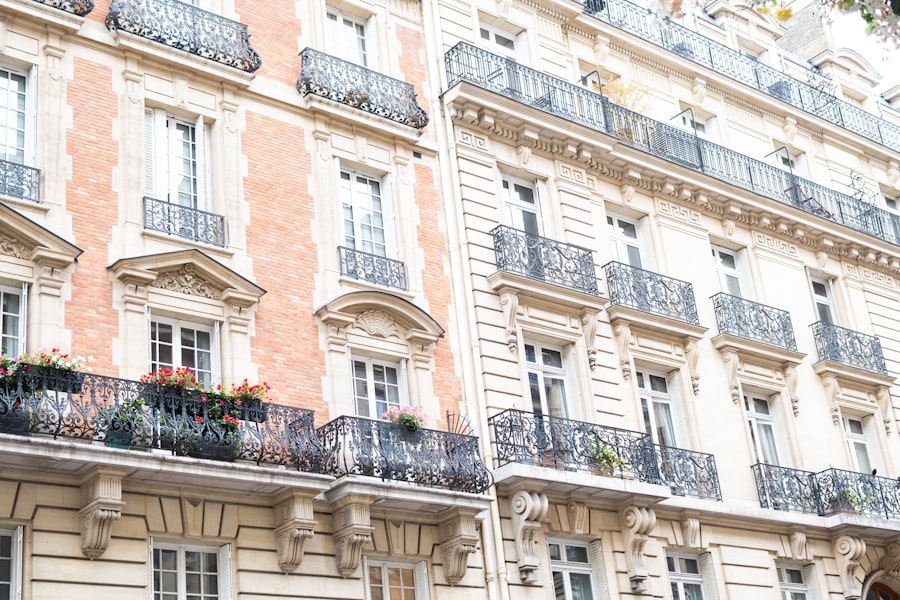
Location is perhaps one of the most critical factors influencing luxury apartment vacancy rates. When you consider renting or investing in a luxury property, think about how the location aligns with tenant preferences and lifestyle needs. Properties situated in vibrant neighborhoods with easy access to public transportation, shopping districts, and recreational areas tend to attract more interest from potential renters.
A prime location not only enhances the appeal of your property but also contributes significantly to lower vacancy rates. Moreover, emerging neighborhoods can present unique opportunities for investors looking to capitalize on future growth. As urban areas evolve and develop, previously overlooked locations may become highly sought after due to new infrastructure projects or revitalization efforts.
By identifying these up-and-coming areas early on, you can position yourself advantageously within the market and potentially enjoy lower vacancy rates as demand increases.
Comparing Luxury Apartment Vacancy Rates to Standard Apartment Vacancy Rates
When analyzing the real estate market, it’s essential to differentiate between luxury apartment vacancy rates and standard apartment vacancy rates. Generally speaking, luxury apartments tend to have lower vacancy rates compared to standard units due to their unique appeal and higher price points. However, this is not always the case; fluctuations in economic conditions or shifts in tenant preferences can impact both segments differently.
For instance, during economic downturns, standard apartments may see an increase in demand as renters seek more affordable options. In contrast, luxury apartments might experience higher vacancy rates as individuals prioritize cost over luxury living. Understanding these dynamics can help you make informed decisions about where to invest your resources and how to position your properties within the broader market context.
Understanding the Demographics of Luxury Apartment Renters
To effectively manage luxury apartment vacancy rates, it’s crucial to understand the demographics of potential renters. Typically, luxury apartment renters are professionals with higher income levels who prioritize convenience and quality of life. They often seek properties that offer modern amenities and are located in desirable neighborhoods close to their workplaces or social hubs.
Additionally, younger generations such as millennials and Gen Z are increasingly entering the luxury rental market. These demographics value experiences over material possessions and are drawn to properties that offer unique features such as communal spaces or eco-friendly designs. By tailoring your marketing strategies and property offerings to meet the preferences of these demographics, you can attract more potential tenants and reduce vacancy rates.
The Role of Amenities in Luxury Apartment Vacancy Rates
Amenities play a significant role in determining luxury apartment vacancy rates. As a prospective renter or investor, consider how amenities can enhance the appeal of your property. High-end features such as swimming pools, fitness centers, concierge services, and rooftop lounges can set your property apart from competitors and attract tenants willing to pay a premium for these conveniences.
Moreover, as tenant preferences evolve, so too should your offerings. Many renters now prioritize wellness amenities such as yoga studios or outdoor spaces that promote relaxation and social interaction. By staying attuned to these trends and investing in desirable amenities, you can create an attractive living environment that minimizes vacancies and fosters tenant satisfaction.
Analyzing the Relationship Between Rental Prices and Luxury Apartment Vacancy Rates
The relationship between rental prices and luxury apartment vacancy rates is complex yet crucial for understanding market dynamics. Generally speaking, when rental prices are set too high relative to market demand, you may see an increase in vacancy rates as potential tenants opt for more affordable options elsewhere. Conversely, competitive pricing can lead to lower vacancy rates as renters perceive value in your offering.
To strike the right balance between rental prices and occupancy levels, conduct thorough market research to understand prevailing rental trends in your area. Consider factors such as comparable properties’ pricing and tenant demographics when setting your rental rates. By aligning your pricing strategy with market expectations while still reflecting the value of your luxury offerings, you can effectively manage vacancy rates.
Predicting Future Luxury Apartment Vacancy Rates
Predicting future luxury apartment vacancy rates requires careful analysis of various factors influencing the real estate market. Economic indicators such as employment growth, wage increases, and consumer confidence levels can provide valuable insights into potential demand for luxury rentals. Additionally, monitoring trends in construction activity can help you anticipate shifts in supply that may impact vacancy rates.
As you look ahead, consider how changing demographics and lifestyle preferences will shape the future landscape of luxury rentals. The rise of remote work has led many individuals to reevaluate their living situations; some may seek larger spaces outside urban centers while others may prioritize proximity to work hubs with flexible leasing options. By staying informed about these trends and adapting your strategies accordingly, you can position yourself for success in managing future luxury apartment vacancy rates effectively.
In conclusion, understanding luxury apartment vacancy rates is essential for anyone involved in the real estate market—whether you’re a renter seeking a new home or an investor looking for opportunities. By considering factors such as economic conditions, location importance, tenant demographics, amenities offered, pricing strategies, and future trends, you can navigate this complex landscape with confidence and make informed decisions that lead to success in managing vacancies effectively.
In exploring the dynamics of luxury apartment vacancy rates, it’s essential to consider various economic factors that influence the real estate market. For a deeper understanding of how wealth accumulation can impact housing trends, you can read more in the article available at this link. This resource provides valuable insights into the relationship between wealth growth and real estate demand, shedding light on the factors that contribute to fluctuations in luxury apartment vacancies.
WATCH THIS! They’re Hiding This From You About Your Rent 🏢
FAQs
What are luxury apartment vacancy rates?
Luxury apartment vacancy rates refer to the percentage of high-end residential units that are unoccupied or available for rent within a specific market or area at a given time.
Why are vacancy rates important in the luxury apartment market?
Vacancy rates help gauge the supply and demand balance in the luxury apartment sector. High vacancy rates may indicate oversupply or decreased demand, while low rates suggest strong demand and limited availability.
How are luxury apartment vacancy rates calculated?
Vacancy rates are calculated by dividing the number of vacant luxury apartment units by the total number of luxury units in the market, then multiplying by 100 to get a percentage.
What factors influence luxury apartment vacancy rates?
Factors include economic conditions, local job growth, rental prices, new construction, location desirability, and changes in consumer preferences.
How do vacancy rates affect rental prices for luxury apartments?
Generally, higher vacancy rates can lead to lower rental prices as landlords compete for tenants, while lower vacancy rates often allow landlords to increase rents due to higher demand.
Are luxury apartment vacancy rates different from general apartment vacancy rates?
Yes, luxury apartment vacancy rates can differ from overall apartment vacancy rates because they cater to a different market segment with distinct demand drivers and price points.
How often are luxury apartment vacancy rates reported?
Vacancy rates are typically reported quarterly or annually by real estate research firms, property management companies, and government housing agencies.
Can vacancy rates predict future trends in the luxury apartment market?
Vacancy rates can provide insights into market trends, such as potential rent changes or new construction activity, but should be considered alongside other economic and demographic data for accurate forecasting.
What impact do luxury apartment vacancy rates have on investors?
Vacancy rates influence investment decisions by indicating the potential for rental income stability and property value appreciation in the luxury apartment sector.
Where can I find reliable data on luxury apartment vacancy rates?
Reliable data can be found through real estate market reports, government housing statistics, industry publications, and specialized real estate analytics firms.