
The housing market has experienced substantial changes in recent years, with demand for affordable housing increasing significantly. This trend stems from multiple factors including economic conditions, demographic shifts, and evolving social requirements. Rising living expenses combined with relatively stable wage levels have created challenges for individuals and families seeking affordable housing options.
The affordable housing shortage affects a broader demographic than traditionally assumed. Young professionals, retirees, and middle-class households now face difficulties securing reasonably priced housing alongside lower-income populations. In urban areas experiencing increased desirability, competition for available housing units has intensified, resulting in residents either accepting suboptimal living conditions or relocating to areas with fewer amenities and opportunities.
These market dynamics demonstrate the need for comprehensive housing solutions that address the requirements of diverse population segments.
Key Takeaways
- Rising real estate prices intensify the need for affordable housing solutions.
- Government policies and nonprofit efforts are crucial in promoting affordable housing development.
- Funding challenges and zoning restrictions remain significant barriers to affordable housing projects.
- Community engagement and addressing stigma are essential for successful affordable housing initiatives.
- Sustainable, inclusive, and innovative approaches are key to the future of affordable housing development.
The Impact of Rising Real Estate Prices on Affordable Housing
The escalating prices in the real estate market have far-reaching implications for affordable housing. As you observe the landscape of your community, you may notice that many neighborhoods once considered affordable are now out of reach for average earners. This phenomenon is not merely a local issue; it is a national crisis that affects urban and rural areas alike.
The rising costs of land, construction materials, and labor have all contributed to the increasing price tags associated with new housing developments, making it challenging for developers to create affordable options. You may also recognize that this trend exacerbates existing inequalities within society. As housing prices soar, those with lower incomes are often pushed further away from job centers and essential services, leading to longer commutes and increased transportation costs.
The impact of rising real estate prices is not just an economic issue; it is a social one that requires immediate attention and action.
Government Policies and Initiatives to Promote Affordable Housing Development
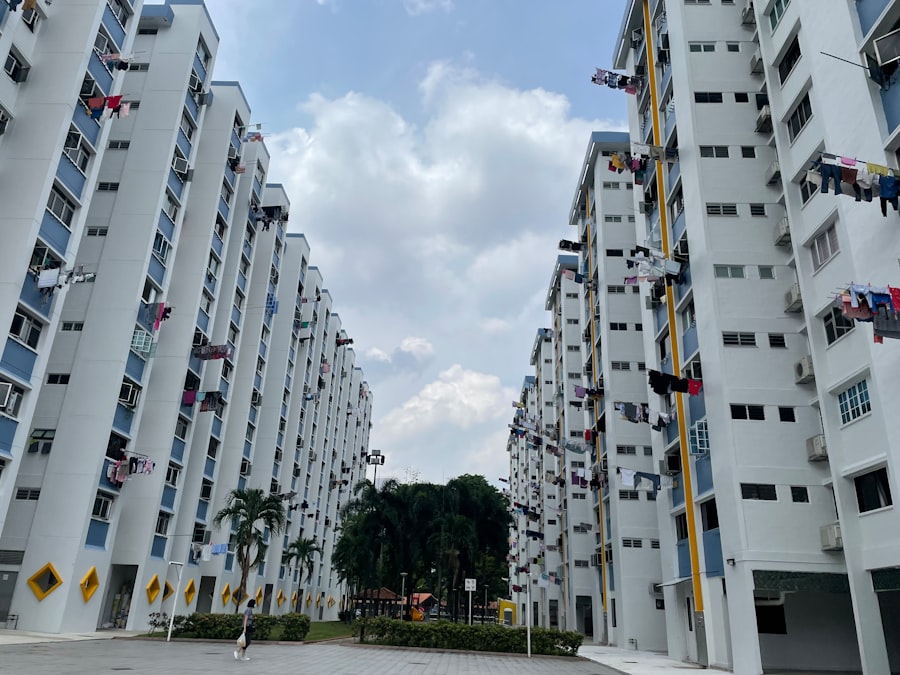
In response to the growing crisis of affordable housing, various government policies and initiatives have emerged aimed at promoting development in this sector. You may have heard about programs designed to incentivize developers to include affordable units in their projects or provide tax credits for low-income housing.
However, you might also be aware that government efforts alone are not enough to solve the problem. The effectiveness of these policies often hinges on local implementation and community support. As you consider the role of government in affordable housing development, it becomes clear that collaboration between public agencies, private developers, and community organizations is essential for creating sustainable solutions that truly meet the needs of residents.
The Role of Nonprofit Organizations in Affordable Housing Development
Nonprofit organizations play a vital role in the landscape of affordable housing development. As you explore this sector, you may find that these organizations often fill gaps left by the private market and government initiatives. They work tirelessly to create, preserve, and manage affordable housing options for those in need.
By leveraging grants, donations, and volunteer efforts, nonprofits can often provide housing solutions that are more accessible and tailored to the specific needs of their communities. You might also appreciate how nonprofits often prioritize community engagement in their projects. Unlike traditional developers who may focus solely on profit margins, these organizations tend to emphasize social impact and long-term sustainability.
By involving residents in the planning process, nonprofits can ensure that new developments reflect the desires and needs of the community, fostering a sense of ownership and pride among residents.
Challenges in Securing Funding for Affordable Housing Projects
| Factor | Description | Impact on Affordable Housing Development | Example Metric |
|---|---|---|---|
| Land Costs | High prices for land in urban areas | Increases overall project cost, reducing feasibility | Average land price per acre: 500,000 |
| Construction Costs | Rising costs of materials and labor | Raises development expenses, limiting affordable units | Cost per square foot: 200 |
| Zoning Regulations | Restrictive zoning laws limiting density | Reduces number of units that can be built | Max units per acre: 20 |
| Permitting Delays | Lengthy approval processes | Increases holding costs and project timelines | Average permit approval time: 12 months |
| Financing Challenges | Difficulty securing loans for low-profit projects | Limits capital availability for affordable housing | Loan approval rate for affordable projects: 40% |
| Profit Margins | Lower returns compared to luxury developments | Discourages developers from pursuing affordable projects | Profit margin on affordable units: 5% |
| Community Opposition | Local resistance to affordable housing projects | Can delay or block developments | Percentage of projects delayed by opposition: 30% |
Despite the critical need for affordable housing, securing funding for these projects remains a significant challenge. As you delve into this issue, you may discover that traditional financing methods often fall short when it comes to covering the costs associated with developing affordable units. Many lenders view these projects as high-risk investments due to lower potential returns compared to market-rate developments, which can deter much-needed capital from flowing into this sector.
You might also recognize that navigating the complex landscape of funding sources can be daunting for developers and nonprofit organizations alike. From federal grants to state-level programs and private investments, the array of options can be overwhelming. Additionally, competition for limited resources can lead to delays in project timelines or even cause promising initiatives to stall altogether.
Addressing these funding challenges is crucial for ensuring that affordable housing projects can move forward and meet the growing demand.
The Importance of Community Engagement in Affordable Housing Development
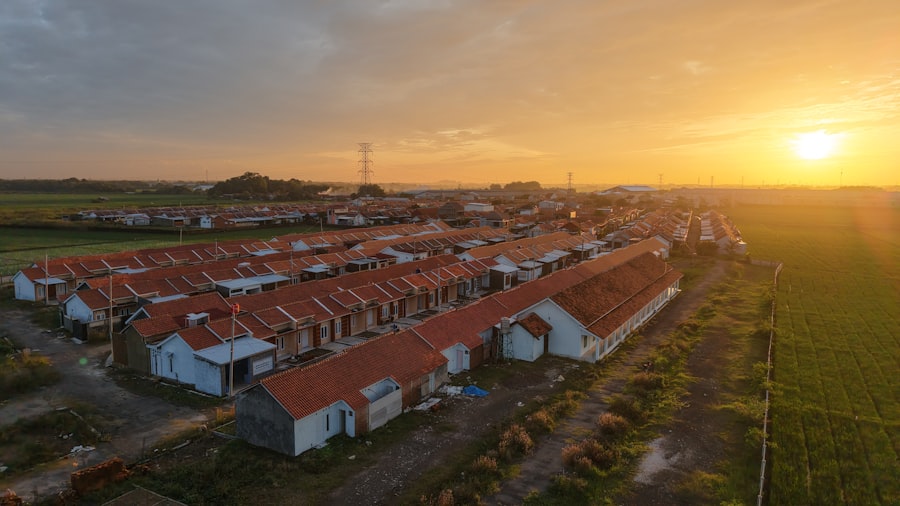
Community engagement is a cornerstone of successful affordable housing development. As you consider the various stakeholders involved in these projects, it becomes evident that involving residents in the decision-making process is essential for creating solutions that truly address their needs. When communities are engaged from the outset, they can provide valuable insights into local preferences, cultural considerations, and specific challenges they face regarding housing.
You may also find that fostering strong relationships between developers and community members can lead to greater support for new projects. When residents feel heard and valued, they are more likely to embrace new developments rather than resist them. This collaborative approach not only enhances project outcomes but also builds trust within the community, paving the way for future initiatives aimed at improving local living conditions.
Overcoming Zoning and Land Use Restrictions for Affordable Housing
Zoning and land use regulations can pose significant barriers to affordable housing development. As you explore this aspect of the issue, you may realize that many municipalities have strict zoning laws that limit where affordable housing can be built or impose high density requirements that make such projects financially unfeasible. These regulations often reflect long-standing attitudes toward land use and development, which can hinder progress toward creating more inclusive communities.
You might also consider how advocacy efforts can play a crucial role in overcoming these challenges. By raising awareness about the importance of affordable housing and advocating for policy changes at local levels, community members can help reshape zoning laws to better accommodate diverse housing options. Engaging with local government officials and participating in public forums can empower residents to influence decisions that directly impact their neighborhoods.
Strategies for Building Sustainable and Energy-Efficient Affordable Housing
As you think about the future of affordable housing development, sustainability emerges as a key consideration. Building energy-efficient homes not only reduces utility costs for residents but also contributes to environmental conservation efforts. You may find it encouraging that many developers are now incorporating green building practices into their projects, utilizing sustainable materials and energy-efficient technologies to create homes that are both affordable and environmentally friendly.
Moreover, you might appreciate how sustainable design principles can enhance the overall quality of life for residents. Features such as natural lighting, proper insulation, and efficient heating systems can create healthier living environments while reducing long-term maintenance costs. By prioritizing sustainability in affordable housing development, communities can foster resilience against climate change while ensuring that residents enjoy comfortable and cost-effective living spaces.
Addressing the Stigma and NIMBYism Surrounding Affordable Housing
The stigma surrounding affordable housing often manifests itself through NIMBYism (Not In My Backyard), where community members oppose new developments due to misconceptions or fears about their impact on property values or neighborhood character. As you reflect on this issue, you may recognize that addressing these concerns is crucial for fostering acceptance of affordable housing initiatives within communities. You might find it helpful to engage in open dialogues with residents who harbor reservations about affordable housing projects.
By providing accurate information about the benefits of such developments—such as increased economic diversity and improved local services—developers and advocates can help dispel myths and build support among community members. Creating opportunities for residents to meet future neighbors and learn about project plans can also foster a sense of connection and understanding.
The Need for Equitable and Inclusive Affordable Housing Development
Equitable and inclusive approaches to affordable housing development are essential for addressing systemic inequalities within society. As you consider this aspect of the issue, you may realize that simply building more units is not enough; it is equally important to ensure that these developments serve diverse populations across various income levels, backgrounds, and family structures. You might also appreciate how inclusive design principles can enhance community cohesion by creating spaces where individuals from different walks of life can interact and thrive together.
By prioritizing equity in affordable housing initiatives, communities can work toward dismantling barriers that have historically marginalized certain groups while fostering environments where everyone has access to safe and stable housing.
The Future of Affordable Housing Development and Innovative Solutions
Looking ahead, the future of affordable housing development holds promise through innovative solutions that leverage technology, community collaboration, and creative financing models. As you explore emerging trends in this field, you may find inspiration in examples such as modular construction techniques or co-housing arrangements that prioritize shared resources among residents. Moreover, you might consider how advancements in technology can streamline processes related to project planning, funding applications, and resident engagement.
By harnessing these tools effectively, stakeholders can work together more efficiently to address the pressing need for affordable housing while creating vibrant communities where everyone has a place to call home. The journey toward equitable and sustainable affordable housing is ongoing; however, with collective effort and innovative thinking, positive change is within reach.
The issue of why developers often shy away from building affordable housing is complex and multifaceted, involving factors such as zoning laws, high construction costs, and market demand. For a deeper understanding of the economic dynamics at play, you can explore a related article that discusses the broader implications of wealth distribution and housing markets. Check it out here: Why Don’t Developers Build Affordable Housing?.
WATCH THIS! They’re Hiding This From You About Your Rent 🏢
FAQs
Why is affordable housing important?
Affordable housing is crucial because it provides safe, stable, and reasonably priced living options for low- and moderate-income individuals and families. It helps reduce homelessness, supports economic diversity, and promotes community stability.
What are the main barriers developers face when building affordable housing?
Developers often encounter financial challenges such as high land costs, expensive construction materials, and limited access to subsidies or tax incentives. Regulatory hurdles, lengthy approval processes, and community opposition (NIMBYism) also contribute to the difficulty.
How do zoning laws affect the construction of affordable housing?
Zoning laws can restrict the types and densities of housing that can be built in certain areas. Strict zoning regulations may limit multi-family units or require large lot sizes, making affordable housing projects less feasible or more expensive.
What role do government incentives play in affordable housing development?
Government incentives like tax credits, grants, and low-interest loans can make affordable housing projects financially viable. Programs such as the Low-Income Housing Tax Credit (LIHTC) are critical in encouraging developers to build affordable units.
Why might developers prefer building market-rate housing over affordable housing?
Market-rate housing typically offers higher profit margins and fewer regulatory restrictions. Affordable housing projects often require additional compliance, lower returns, and reliance on subsidies, which can deter some developers.
How does community opposition impact affordable housing projects?
Community opposition, often referred to as NIMBYism (“Not In My Backyard”), can delay or block affordable housing developments. Concerns about property values, increased traffic, or changes in neighborhood character can lead to resistance from local residents.
Are there successful models or strategies to encourage more affordable housing development?
Yes, successful strategies include public-private partnerships, inclusionary zoning policies that require affordable units in new developments, streamlined permitting processes, and increased funding for affordable housing programs.
What is the impact of construction costs on affordable housing?
Rising construction costs, including labor, materials, and land, significantly increase the overall expense of building affordable housing. This can limit the number of units developers are willing or able to build within budget constraints.
Can changes in policy help increase affordable housing development?
Policy changes such as relaxing zoning restrictions, increasing funding for affordable housing, offering more incentives, and reducing bureaucratic delays can encourage developers to build more affordable units.
How does affordable housing benefit the broader community?
Affordable housing supports economic diversity, reduces homelessness, improves public health outcomes, and can stimulate local economies by providing stable housing for workers and families.