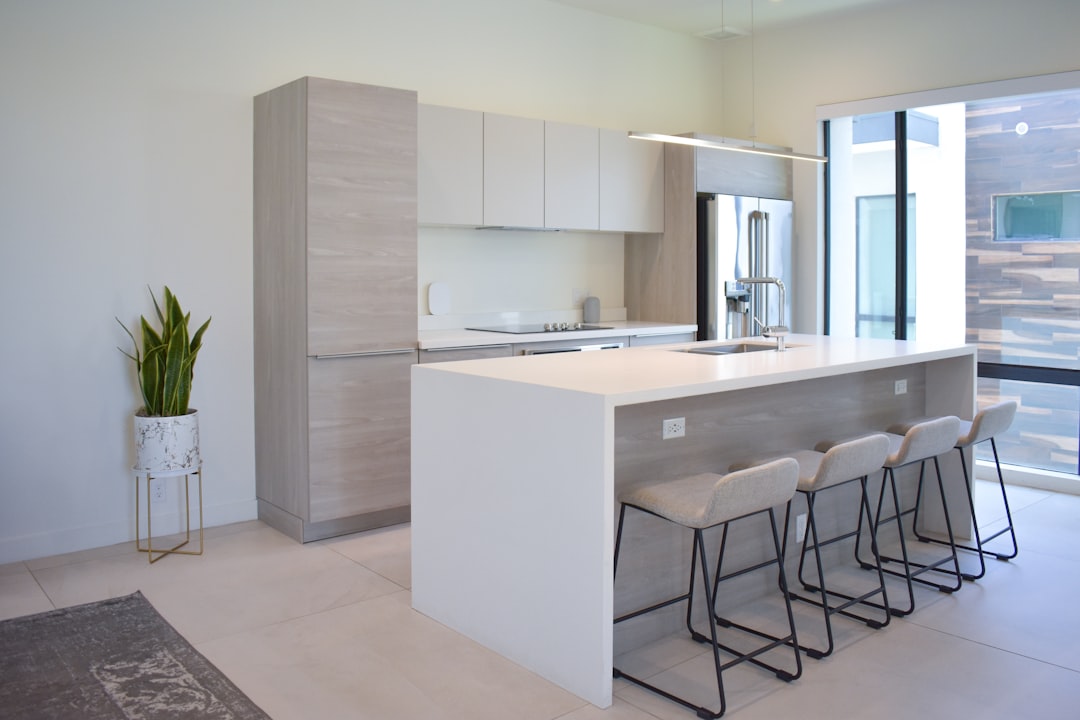
The luxury apartment market has experienced substantial price increases in recent years, driven by multiple economic and demographic factors. This trend represents a shift from luxury housing being a specialized market segment to becoming more widely sought after by diverse consumer groups. The increased demand for high-end residential properties with premium amenities and desirable locations has resulted in significant price appreciation across major metropolitan areas.
Luxury apartments are characterized by superior construction quality, premium materials, and extensive amenities. These properties typically include spacious floor plans, high-end appliances, and concierge services designed for affluent residents. The rising costs in this market segment stem from several key factors including limited supply in prime locations, increased construction costs, and growing demand from high-income demographics.
Understanding these market dynamics is crucial for prospective buyers and renters evaluating luxury apartment options.
Key Takeaways
- Luxury apartment prices are rising due to multiple interconnected factors.
- Location and premium amenities significantly drive up apartment costs.
- Market demand, supply constraints, and real estate development influence pricing trends.
- Economic conditions, construction costs, and government regulations add to expenses.
- Effective property management and maintenance also contribute to the overall high costs.
Factors Contributing to Expensive Apartment Prices
Several factors converge to create the perfect storm for rising apartment prices. One of the most significant contributors is the increasing demand for urban living. As more people flock to cities for job opportunities and lifestyle benefits, the competition for housing intensifies.
This influx of residents drives up prices, particularly in desirable neighborhoods where luxury apartments are often located. You may find that the appeal of urban living—complete with cultural amenities, dining options, and entertainment—makes these areas highly sought after. Another critical factor is the quality of construction and design that goes into luxury apartments.
Developers are investing heavily in creating unique living spaces that stand out in a crowded market. This investment in quality materials and innovative designs inevitably raises construction costs, which are then passed on to consumers. As you explore various options in the luxury apartment market, you may notice that these high-quality features often justify the elevated price tags.
Location, Location, Location: How Location Affects Apartment Prices
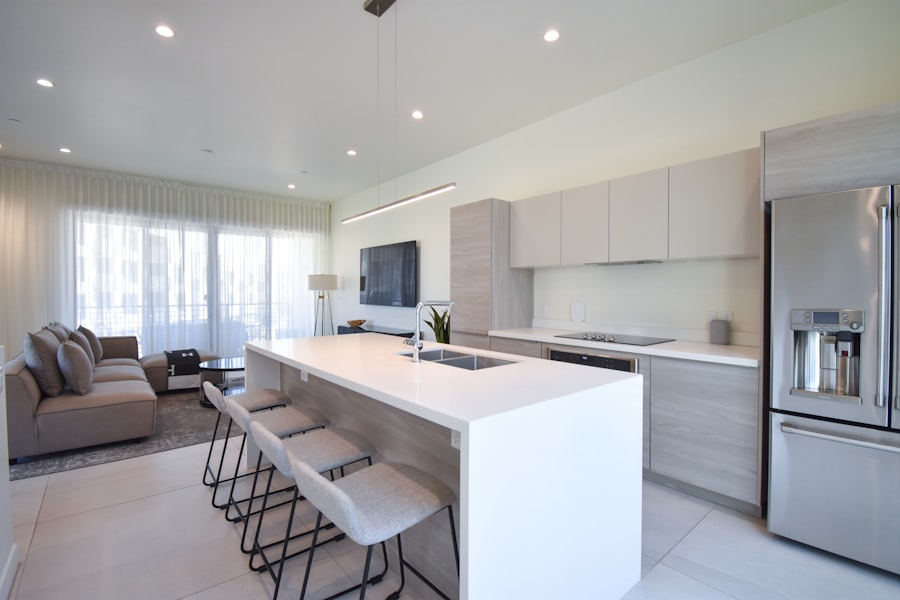
When it comes to real estate, location is paramount. You’ve likely heard the phrase “location, location, location” countless times, and it holds true in the luxury apartment market as well. The desirability of a neighborhood can significantly influence apartment prices.
Areas with excellent schools, low crime rates, and proximity to public transportation tend to command higher prices. If you’re considering moving into a luxury apartment, you’ll want to weigh the benefits of living in a prime location against your budget. Moreover, urban centers often experience a phenomenon known as gentrification, where previously undervalued neighborhoods undergo revitalization.
This process can lead to increased property values and rental prices as new businesses and amenities move in. As you evaluate potential apartments, keep in mind that while a luxury apartment in a gentrifying area may seem like a good investment now, it could become even more expensive as the neighborhood continues to develop.
Amenities and Services: The Impact on Apartment Costs
Luxury apartments are not just about square footage; they also offer an array of amenities and services that enhance your living experience. From state-of-the-art fitness centers and rooftop pools to concierge services and on-site dining options, these features can significantly impact the overall cost of an apartment. As you consider your options, think about which amenities are essential for your lifestyle and how much you’re willing to pay for them.
The presence of high-end amenities can also create a sense of exclusivity that appeals to many renters and buyers. You may find that some luxury apartments offer unique features like private gardens or smart home technology that set them apart from standard offerings. However, it’s essential to remember that while these amenities can enhance your living experience, they also contribute to higher rental or purchase prices.
Balancing your desire for luxury with your budget will be crucial as you navigate this competitive market.
Demand and Supply: How Market Conditions Affect Apartment Prices
| Factor | Description | Impact on Price |
|---|---|---|
| Location | Luxury apartments are often situated in prime urban areas with high demand and limited supply. | High |
| Quality of Materials | Use of premium construction materials and finishes such as marble, hardwood, and high-end appliances. | High |
| Amenities | Exclusive features like gyms, pools, concierge services, and private parking increase value. | Medium to High |
| Design and Architecture | Custom or renowned architectural designs that enhance aesthetic appeal and functionality. | Medium |
| Security | Advanced security systems and personnel provide safety and privacy for residents. | Medium |
| Market Demand | High demand from affluent buyers and investors drives prices upward. | High |
| Maintenance and Management | Professional management and upkeep of common areas and facilities add to ongoing costs. | Medium |
| Exclusivity | Limited number of units and exclusivity create scarcity, increasing desirability and price. | High |
The dynamics of supply and demand play a pivotal role in determining apartment prices.
You may notice this trend in cities experiencing rapid population growth or economic expansion.
As more people seek luxury living options, developers may struggle to keep pace with demand, leading to increased competition for available units. Conversely, if there is an oversupply of luxury apartments—perhaps due to overzealous development or economic downturns—you might see prices stabilize or even decrease. Understanding these market conditions can help you make informed decisions about when to enter the luxury apartment market.
Keeping an eye on local real estate trends will empower you to seize opportunities when they arise.
The Role of Real Estate Development in Expensive Apartments
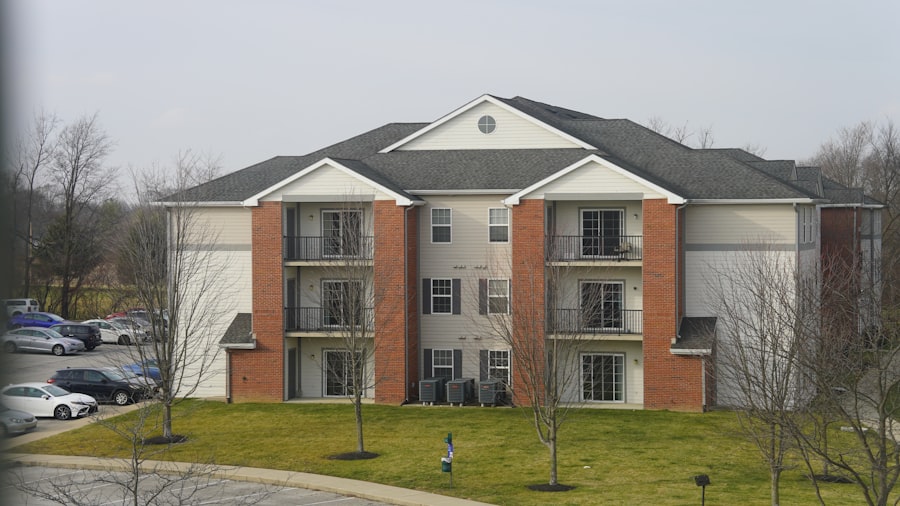
Real estate development is a driving force behind the rising costs of luxury apartments. Developers are constantly seeking ways to maximize their investments by creating high-end properties that attract affluent buyers and renters. You may find that many new developments incorporate cutting-edge design elements and sustainable building practices to appeal to environmentally conscious consumers.
However, this focus on luxury can also lead to inflated prices. As developers aim for higher profit margins, they may prioritize upscale features over affordability. This trend can create a disconnect between what consumers want and what is available on the market.
As you explore your options, consider how much value you place on new developments versus established properties that may offer more competitive pricing.
The Influence of Economic Factors on Luxury Apartment Prices
Economic conditions have a profound impact on the luxury apartment market. Factors such as interest rates, employment rates, and overall economic growth can influence both demand and pricing. For instance, when interest rates are low, borrowing becomes more affordable, allowing more people to enter the housing market.
This influx can drive up demand for luxury apartments, leading to higher prices. Conversely, during economic downturns or periods of uncertainty, you might see a decrease in demand as potential buyers become more cautious about their financial commitments. Understanding these economic indicators can help you gauge when it might be advantageous to invest in a luxury apartment or when it’s best to hold off until conditions improve.
The Impact of Land and Construction Costs on Apartment Prices
The cost of land and construction plays a crucial role in determining the price of luxury apartments. As urban areas become more developed, available land becomes scarcer and more expensive. You may find that prime locations command premium prices simply due to their desirability and limited availability.
This scarcity can lead developers to pass on these costs to consumers. Additionally, rising construction costs—driven by factors such as labor shortages and increased material prices—can further inflate apartment prices. As you consider your options in the luxury market, it’s essential to be aware of these underlying costs that contribute to the overall price tag of an apartment.
Government Regulations and Taxes: How They Contribute to Expensive Apartments
Government regulations and taxes can also play a significant role in shaping the landscape of luxury apartment pricing. Zoning laws, building codes, and other regulations can impact how developers approach new projects. You may find that stringent regulations can limit the number of new developments in desirable areas, contributing to scarcity and higher prices.
Moreover, property taxes can affect both developers and consumers alike. High property taxes may lead developers to increase rental or sale prices to maintain profitability. As you navigate the luxury apartment market, it’s important to consider how local regulations and tax structures might influence your potential investment.
The Role of Property Management and Maintenance in Expensive Apartments
Property management plays an essential role in maintaining the value of luxury apartments. High-quality property management ensures that amenities are well-maintained and that residents receive top-notch service. You may find that well-managed properties command higher prices due to their reputation for quality living experiences.
However, effective property management comes at a cost. The expenses associated with maintaining high standards can contribute to elevated rental or purchase prices. As you evaluate potential apartments, consider how much value you place on property management services and whether they justify the associated costs.
Navigating the Expensive Apartment Market
Navigating the expensive apartment market requires careful consideration of various factors influencing pricing trends. From location and amenities to economic conditions and government regulations, understanding these elements will empower you as you search for your ideal luxury apartment. While rising costs can be daunting, being informed about market dynamics will help you make strategic decisions that align with your lifestyle and budget.
As you embark on this journey into luxury living, remember that patience is key. The right opportunity may take time to find, but with diligence and awareness of market trends, you can successfully navigate this competitive landscape and secure a home that meets your needs without breaking the bank.
Luxury apartments are often seen as a symbol of status and comfort, but their high prices can be attributed to various factors such as location, amenities, and market demand. For a deeper understanding of the financial dynamics behind luxury real estate, you can explore the article on wealth accumulation and investment strategies at How Wealth Grows. This resource provides insights into how luxury properties fit into broader economic trends and personal finance strategies.
WATCH THIS! They’re Hiding This From You About Your Rent 🏢
FAQs
What factors contribute to the high cost of luxury apartments?
Luxury apartments are expensive due to a combination of prime location, high-quality construction materials, advanced amenities, and exclusive services. Additionally, the cost of land, architectural design, and interior finishes also play significant roles.
How does location affect the price of luxury apartments?
Location is a major determinant of price. Luxury apartments situated in desirable urban centers, near business districts, cultural attractions, or scenic views tend to have higher prices due to demand and convenience.
Do amenities impact the cost of luxury apartments?
Yes, luxury apartments often include premium amenities such as fitness centers, swimming pools, concierge services, security systems, and smart home technology, which increase both construction and maintenance costs, thereby raising the overall price.
Why are construction and materials more expensive for luxury apartments?
Luxury apartments use high-end materials like marble, hardwood flooring, and custom cabinetry, along with superior craftsmanship. These materials and finishes are costlier than standard options, contributing to higher prices.
How do market demand and exclusivity influence luxury apartment prices?
High demand for limited luxury units creates exclusivity, allowing developers to charge premium prices. The perception of status and prestige associated with luxury living also drives up demand and costs.
Are maintenance and management fees higher for luxury apartments?
Typically, yes. Luxury apartments require more extensive maintenance and management services to uphold their quality and amenities, resulting in higher monthly fees for residents.
Do luxury apartments offer better investment potential?
Often, luxury apartments in prime locations can appreciate in value more significantly than standard properties, making them attractive investments despite their higher initial cost.
How do economic factors influence the pricing of luxury apartments?
Economic conditions such as interest rates, inflation, and the overall real estate market impact construction costs and buyer purchasing power, which in turn affect luxury apartment prices.