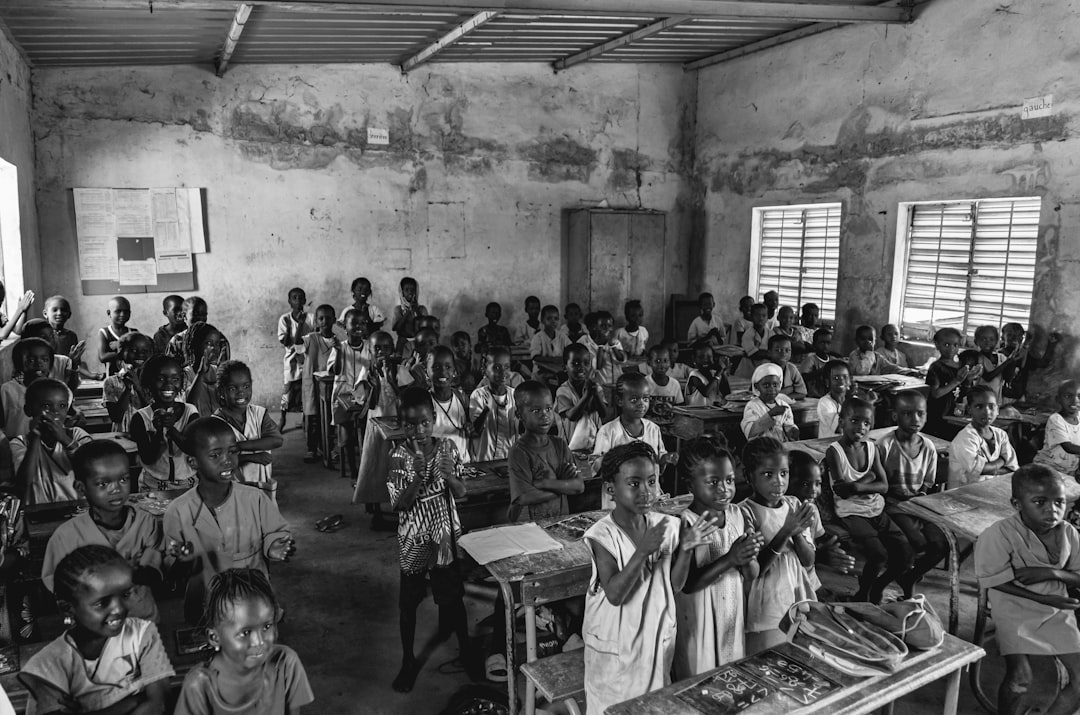
The education budget crisis represents a significant societal challenge affecting millions of students nationwide. Schools face severe financial constraints that limit their ability to provide essential resources, maintain adequate facilities, and employ qualified educators. This funding shortage directly impacts student learning outcomes and educational quality.
Many educational institutions operate with budgets insufficient to meet basic operational requirements. This problem has been intensified by economic downturns, changing political priorities, and the inequitable system of funding schools primarily through local property taxes. This funding model creates substantial disparities between schools in affluent communities and those in lower-income areas.
The resulting educational inequality means students’ opportunities are often determined by their geographic location rather than their abilities or potential. This systematic disparity perpetuates cycles of advantage and disadvantage across different communities, undermining the principle of equal educational opportunity for all students.
Key Takeaways
- Underfunded schools negatively affect student learning and development.
- Government funding plays a crucial role in maintaining quality education.
- Teachers, students, and parents share firsthand experiences of budget shortfalls.
- Adequate education funding is essential to prevent long-term societal consequences.
- Community involvement and advocacy are key to addressing the education budget crisis.
The Impact of Underfunded Schools on Students
When you consider the direct consequences of underfunded schools, it becomes clear that students are bearing the brunt of this crisis. Inadequate funding translates into larger class sizes, outdated textbooks, and limited access to technology. You might imagine a classroom where a teacher struggles to engage thirty students with only a handful of resources at their disposal.
This environment stifles creativity and hinders personalized learning, leaving many students feeling lost and disengaged. Moreover, the emotional toll on students cannot be overlooked. You may have seen firsthand how stress and anxiety can affect young minds, and underfunded schools often exacerbate these issues.
Students may feel demoralized when they see their peers in better-funded districts enjoying advanced courses, extracurricular activities, and modern facilities. This sense of inequity can lead to a lack of motivation and diminished self-esteem, ultimately affecting their academic performance and future opportunities.
The Role of Government Funding in Education

Government funding plays a pivotal role in shaping the educational landscape. As you explore this topic, you will discover that federal, state, and local governments all have a stake in ensuring that schools are adequately funded. Federal programs like Title I aim to provide additional resources to schools serving low-income students, but these initiatives often fall short of what is needed.
You may find it disheartening that despite the well-intentioned policies, the allocation of funds frequently fails to address the root causes of educational inequity. State funding formulas also contribute significantly to the disparities in education. You might be surprised to learn that many states rely heavily on local property taxes to fund their schools, which creates a system where wealthier communities can invest more in their education systems than poorer ones.
This reliance on local funding perpetuates a cycle of inequality that leaves many students without access to quality education. As you reflect on these dynamics, it becomes clear that a comprehensive approach to government funding is essential for leveling the playing field and ensuring that every student has access to a high-quality education.
The Challenges Faced by Underfunded Schools
Underfunded schools face a myriad of challenges that extend beyond mere financial constraints. As you consider these obstacles, you may recognize that inadequate funding often leads to crumbling infrastructure and unsafe learning environments. Imagine walking into a school where the walls are peeling, the heating system is malfunctioning, and classrooms lack basic supplies.
Such conditions not only hinder learning but also send a message to students that their education is not valued. Additionally, underfunded schools struggle to attract and retain qualified teachers. You might be aware that teacher salaries are often tied to school budgets, and when funds are tight, educators may seek opportunities elsewhere.
This turnover can disrupt the continuity of education for students and create an unstable learning environment. The lack of experienced teachers can further exacerbate educational disparities, as students miss out on the guidance and mentorship that seasoned educators provide.
The Importance of Adequate Funding for Education
| Metric | Value | Details |
|---|---|---|
| Annual Education Budget Cut | 15% | Average reduction in state education funding over the past 5 years |
| Number of Schools Closed | 120 | Public schools closed nationwide due to budget constraints in the last 3 years |
| Teacher Layoffs | 8,500 | Number of teachers laid off or furloughed in the last fiscal year |
| Student-Teacher Ratio Increase | 25% | Increase in average student-teacher ratio since budget cuts began |
| Impact on Student Performance | 10% Drop | Decrease in standardized test scores in affected districts |
| Funding Gap | 4 Billion | Estimated annual shortfall in education funding nationwide |
Adequate funding for education is not just a matter of balancing budgets; it is an investment in the future of society as a whole. When you think about the long-term benefits of well-funded schools, you may realize that they extend far beyond individual students. A strong education system fosters informed citizens who contribute positively to their communities and economies.
By ensuring that every student has access to quality education, you are helping to build a more equitable society. Moreover, adequate funding allows for innovative programs and resources that can enhance the learning experience. You might envision classrooms equipped with modern technology, libraries stocked with diverse literature, and extracurricular activities that nurture students’ talents and interests.
These elements are crucial for developing well-rounded individuals who are prepared for the challenges of the future. Investing in education today means reaping the rewards tomorrow—both for individuals and for society as a whole.
The Stories of Underfunded Schools in the Documentary
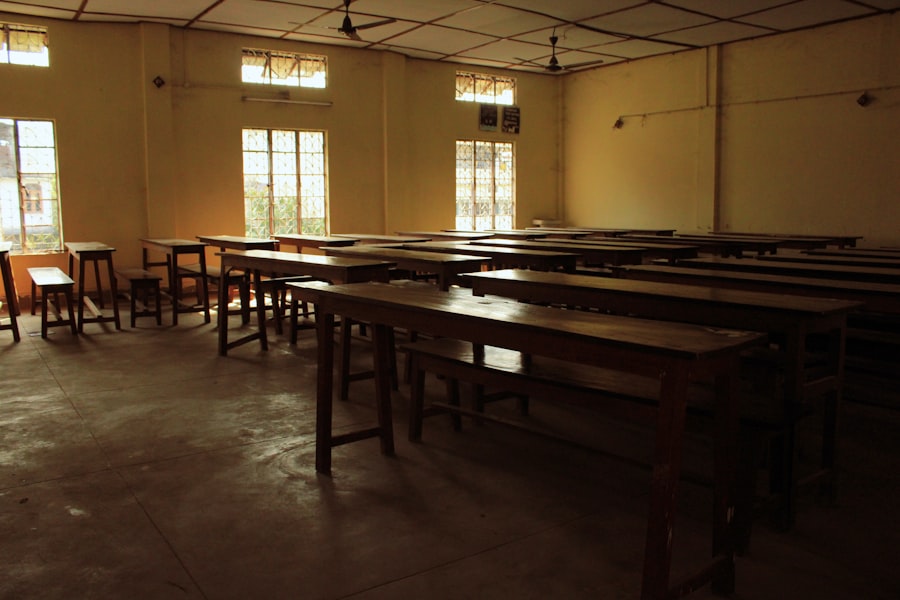
In exploring the documentary that highlights underfunded schools, you will encounter powerful stories that bring this issue to life. Each narrative serves as a poignant reminder of the real people affected by budget cuts and financial mismanagement. You may find yourself moved by the experiences of students who dream of pursuing higher education but face insurmountable obstacles due to their school’s lack of resources.
The documentary also sheds light on dedicated teachers who go above and beyond despite limited support. You might be inspired by their resilience and commitment to their students’ success, even when they are forced to make personal sacrifices. These stories illustrate not only the challenges faced by underfunded schools but also the unwavering spirit of those who strive to make a difference in their communities.
The Efforts to Address the Education Budget Crisis
As you examine the various efforts being made to address the education budget crisis, you will discover a range of initiatives aimed at reforming funding structures and advocating for equitable resources. Grassroots movements have emerged across the country, with parents, teachers, and community members coming together to demand change. You may find it encouraging to see how collective action can lead to meaningful reforms at both local and state levels.
Additionally, some organizations are working tirelessly to raise awareness about the importance of education funding. You might come across campaigns that highlight success stories from well-funded schools while drawing attention to those struggling under financial constraints. These efforts aim not only to inform but also to mobilize support for policy changes that prioritize education funding as a critical issue.
The Voices of Teachers, Students, and Parents in the Documentary
The documentary amplifies the voices of those most affected by underfunding: teachers, students, and parents.
Teachers share their frustrations over limited resources while expressing their unwavering dedication to their students’ success.
You may find their passion inspiring as they advocate for better conditions not just for themselves but for future generations. Students also share their perspectives on how inadequate funding impacts their educational experiences. You might hear from young individuals who feel disheartened by outdated materials or lack of extracurricular opportunities.
Their voices serve as a powerful reminder that behind every statistic lies a human story—one that deserves attention and action. Parents express their concerns about their children’s futures and advocate for change in a system that should be nurturing rather than stifling.
The Long-Term Consequences of Underfunded Education
The long-term consequences of underfunded education extend far beyond immediate academic performance; they shape the very fabric of society. As you reflect on this issue, consider how inadequate schooling can lead to higher dropout rates and lower college enrollment figures among students from underfunded schools. This cycle perpetuates poverty and limits opportunities for upward mobility, creating generational disparities that are difficult to overcome.
Moreover, you may recognize that underfunded education has broader implications for economic growth and social stability. A poorly educated workforce can hinder innovation and productivity, ultimately affecting national competitiveness in an increasingly globalized economy. By investing in education today, you are not only improving individual lives but also contributing to a stronger economy and healthier society in the long run.
The Call to Action: How You Can Help
As you consider your role in addressing the education budget crisis, it is essential to recognize that every action counts. You can start by educating yourself about local school funding issues and advocating for policies that prioritize equitable resources for all students. Engaging with your community through town hall meetings or school board discussions can amplify your voice and help drive change.
Additionally, consider supporting organizations dedicated to improving education funding through donations or volunteer work. You might also explore ways to mentor students or provide tutoring services in underfunded schools—your time and expertise can make a significant difference in their lives. By taking action now, you contribute to a collective effort aimed at ensuring every child has access to quality education.
The Future of Education Funding
As you reflect on the future of education funding, it becomes clear that change is both necessary and possible. The stories shared in documentaries and grassroots movements highlight the urgent need for reform while showcasing the resilience of those affected by underfunding. You have seen how adequate funding can transform educational experiences and open doors for countless students.
The path forward requires collaboration among policymakers, educators, parents, and community members who share a vision for equitable education. By advocating for change and supporting initiatives aimed at addressing funding disparities, you play an essential role in shaping a brighter future for all students. Together, we can work towards an education system where every child has access to the resources they need to thrive—because every student deserves an opportunity to succeed.
The education budget crisis has become a pressing issue, impacting schools and students across the nation. A related article that delves into the financial challenges faced by educational institutions can be found at How Wealth Grows. This resource provides insights into the broader implications of budget cuts and explores potential solutions to ensure that quality education remains accessible to all.
📌WATCH THIS! They Sold Your School Building—Then Made You Rent It Back
FAQs
What is the education budget crisis?
The education budget crisis refers to a situation where funding for schools and educational programs is insufficient to meet the needs of students, teachers, and institutions. This can lead to cuts in resources, staff layoffs, larger class sizes, and reduced educational quality.
What causes an education budget crisis?
Common causes include economic downturns, decreased government revenue, shifting political priorities, rising costs of education, and inadequate funding formulas. Sometimes, unexpected expenses or policy changes can also contribute to budget shortfalls.
How does an education budget crisis affect students?
Students may experience larger class sizes, fewer extracurricular activities, outdated learning materials, reduced access to technology, and limited support services. These factors can negatively impact academic performance and overall student well-being.
Who is typically featured in an education budget crisis documentary?
Such documentaries often include interviews with educators, students, parents, policymakers, and experts in education finance. They may also showcase real-life examples of schools and communities affected by budget cuts.
What is the purpose of an education budget crisis documentary?
The goal is to raise awareness about the challenges facing education funding, highlight the consequences of budget cuts, and encourage public dialogue and policy action to address the crisis.
How can communities respond to an education budget crisis?
Communities can advocate for increased funding, support local schools through fundraising and volunteering, engage with policymakers, and promote policies that prioritize education investment.
Are education budget crises a global issue?
Yes, many countries face challenges in adequately funding education, though the severity and causes vary. Economic conditions, government priorities, and social factors influence how education budgets are managed worldwide.
Where can I watch an education budget crisis documentary?
These documentaries may be available on streaming platforms, educational websites, public broadcasting channels, or through organizations focused on education advocacy. Checking local libraries or educational institutions can also be helpful.