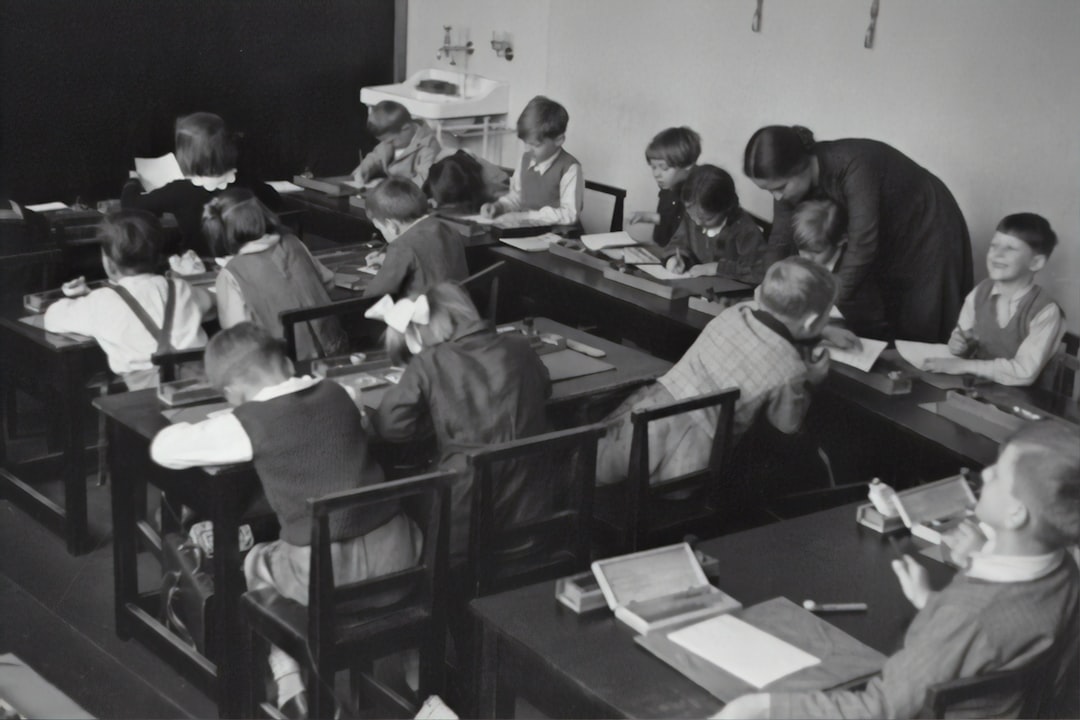
This documentary examines the contemporary education system through multiple perspectives, presenting data and testimonials from students, teachers, and administrators. The film analyzes current challenges within educational institutions, including resource allocation, policy implementation, and academic performance outcomes. Through structured interviews and case studies, it documents both successful initiatives and systemic problems affecting learning environments.
The documentary features students from diverse backgrounds navigating various educational obstacles, including funding shortages, overcrowded classrooms, and achievement gaps. It presents statistical evidence alongside personal accounts to illustrate how educational policies translate into real-world outcomes. Expert commentary from education researchers, policy makers, and practitioners provides context for understanding the complexities of modern schooling systems.
The film documents specific examples of educational innovation and reform efforts, examining their effectiveness and scalability. It presents comparative analysis of different educational approaches and their measurable impacts on student achievement. The documentary serves as a comprehensive overview of current educational challenges and potential solutions, providing viewers with factual information to better understand the state of education today.
Key Takeaways
- The documentary highlights significant challenges in the current education system, including inequality and the overemphasis on standardized testing.
- Teachers and administrators play a crucial role but often face limitations due to funding and resource disparities.
- Mental health and well-being are critical factors that impact student success and need greater attention.
- Encouraging critical thinking, creativity, and integrating technology are essential for modernizing education.
- The film calls for comprehensive reforms and collective action to create a more equitable and effective education system.
The Current State of the Education System
As you delve into the current state of the education system, you may notice a landscape marked by both innovation and stagnation. Schools across the nation are grappling with outdated curricula, insufficient resources, and an ever-growing demand for accountability. You might find it alarming that many institutions are still relying on traditional teaching methods that fail to engage students in meaningful ways.
The documentary highlights these issues, showcasing classrooms where creativity is stifled and critical thinking is often sidelined in favor of rote memorization. Moreover, you will see how the pressures of standardized testing have created a culture of anxiety among students and educators alike. The focus on test scores can overshadow the true purpose of education: fostering a love for learning and preparing individuals for life beyond school.
As you absorb these insights, you may begin to question whether the current system truly serves the needs of all students or merely perpetuates a cycle of mediocrity.
The Impact of Standardized Testing
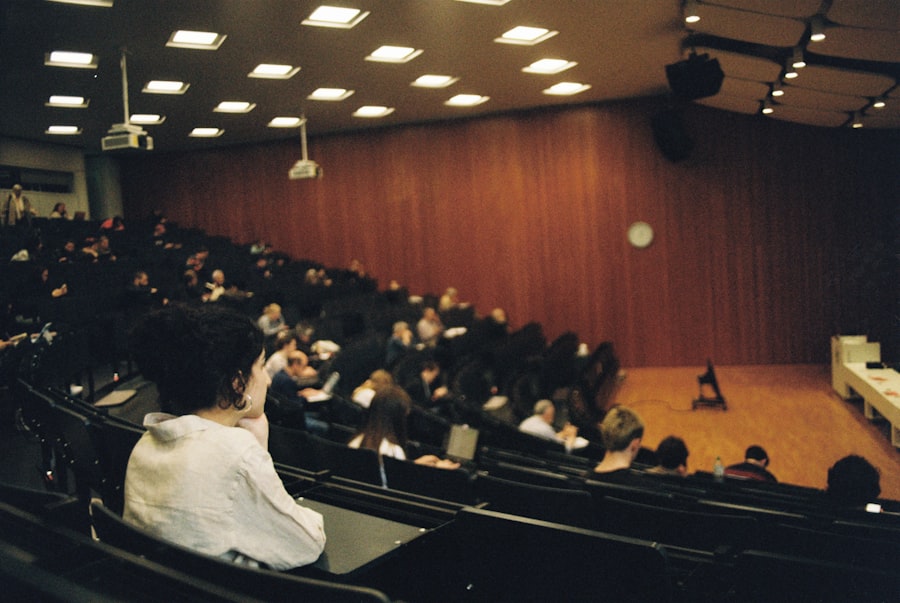
In your exploration of standardized testing, you will uncover a contentious debate that has significant implications for students’ educational experiences. The documentary presents compelling evidence that these assessments often fail to capture a student’s true abilities or potential. Instead, they can create an environment where teaching to the test becomes the norm, limiting educators’ ability to inspire and engage their students.
You may find it disheartening to learn that many teachers feel compelled to prioritize test preparation over creative lesson planning. As you reflect on this issue, consider how standardized testing disproportionately affects marginalized communities. The documentary illustrates how students from lower socioeconomic backgrounds often face additional barriers that hinder their performance on these assessments.
This reality raises critical questions about equity in education and whether standardized tests truly measure what they claim to assess. You may find yourself pondering alternative methods of evaluation that could provide a more holistic view of student learning.
Inequality in Education
Inequality in education is a pervasive issue that resonates throughout the documentary, revealing stark disparities in access to quality learning opportunities. As you watch, you will witness firsthand accounts from students who attend underfunded schools with limited resources, inadequate facilities, and overcrowded classrooms. These narratives serve as a poignant reminder that not all students have equal access to the tools necessary for success.
You may feel a sense of urgency as you recognize that these inequalities can have lifelong consequences for individuals and communities. The documentary also sheds light on systemic factors that contribute to educational inequity, such as housing segregation and funding disparities between affluent and low-income districts. You might find it troubling to learn that many schools rely heavily on local property taxes for funding, perpetuating a cycle where wealthier areas can invest in their schools while poorer neighborhoods struggle to provide basic necessities.
This stark contrast raises important questions about how society values education and whether we are doing enough to ensure that every child has an equal chance to thrive.
The Role of Teachers and Administrators
| Metric | Description | Value |
|---|---|---|
| Average Student-Teacher Ratio | Number of students per teacher in public schools | 16:1 |
| High School Graduation Rate | Percentage of students graduating within 4 years | 85% |
| Literacy Rate | Percentage of population aged 15+ who can read and write | 99% |
| Average Years of Schooling | Mean number of years completed by students aged 25+ | 12.4 years |
| Public Education Spending | Percentage of GDP allocated to public education | 5.2% |
| Student Performance (PISA Score) | Average score in reading, math, and science for 15-year-olds | 490 |
| Access to Early Childhood Education | Percentage of children aged 3-5 enrolled in pre-primary education | 68% |
As you delve into the roles of teachers and administrators, you will gain insight into the challenges they face in navigating an increasingly complex educational landscape. The documentary highlights the dedication and passion that many educators bring to their work, often going above and beyond to support their students despite systemic obstacles. You may find yourself inspired by stories of teachers who innovate within their classrooms, finding creative ways to engage students and foster a love for learning.
However, you will also witness the toll that bureaucracy and administrative pressures can take on educators. The documentary reveals how teachers often feel overwhelmed by mandates and expectations that leave little room for professional autonomy. As you reflect on these challenges, consider how empowering educators could lead to more effective teaching practices and ultimately benefit students.
You may begin to envision a future where teachers are valued as essential contributors to educational reform rather than mere implementers of policy.
The Effects of Funding and Resources

In your examination of funding and resources, you will uncover a critical aspect of educational inequality that cannot be overlooked. The documentary illustrates how disparities in funding directly impact the quality of education that students receive. You may find it shocking to learn that many schools lack basic supplies, technology, and extracurricular programs that enrich the learning experience.
As you absorb these realities, it becomes clear that adequate funding is essential for creating an environment where all students can thrive. Moreover, you will see how resource allocation often reflects broader societal inequities. The documentary highlights instances where schools in affluent areas receive significantly more funding than those in low-income neighborhoods, perpetuating cycles of disadvantage.
This stark contrast raises important questions about our collective responsibility to ensure equitable access to quality education for all students. As you contemplate these issues, you may feel compelled to advocate for policies that prioritize equitable funding models and support under-resourced schools.
Addressing Mental Health and Well-being
As you navigate through discussions on mental health and well-being in education, you will come to understand the profound impact that emotional support has on student success. The documentary emphasizes that mental health is an integral component of learning; without it, students may struggle to reach their full potential. You may find it eye-opening to learn about the increasing prevalence of anxiety, depression, and other mental health challenges among students today.
The film also highlights innovative programs aimed at addressing these issues within schools. You might be inspired by stories of schools implementing social-emotional learning initiatives or providing access to mental health professionals on campus. As you reflect on these efforts, consider how prioritizing mental health can create a more supportive educational environment where students feel safe and valued.
You may begin to envision a future where mental well-being is recognized as essential to academic success.
The Importance of Critical Thinking and Creativity
In your exploration of critical thinking and creativity within education, you will discover their vital roles in preparing students for an ever-changing world. The documentary argues that fostering these skills is essential for developing adaptable learners who can navigate complex challenges. You may find it refreshing to see examples of classrooms where inquiry-based learning encourages students to ask questions, think critically, and collaborate with their peers.
However, as you watch, you will also recognize the tension between standardized testing and creative learning approaches. The film illustrates how an overemphasis on test scores can stifle innovation in teaching methods, leaving little room for exploration or experimentation. As you reflect on this dynamic, consider how educational reform could prioritize critical thinking and creativity as core components of curricula.
You may feel inspired to advocate for an educational system that values diverse ways of knowing and encourages students to think outside the box.
The Role of Technology in Education
As you delve into the role of technology in education, you will encounter both its potential benefits and challenges. The documentary showcases innovative uses of technology that enhance learning experiences, such as interactive platforms that engage students in new ways or online resources that provide access to information beyond traditional textbooks. You may find it exciting to see how technology can facilitate personalized learning experiences tailored to individual student needs.
However, you will also confront the digital divide that exists within education—a gap between those who have access to technology and those who do not.
As you reflect on these issues, consider how equitable access to technology is essential for leveling the playing field in education.
You may feel compelled to advocate for initiatives that bridge this gap and ensure all students can benefit from technological advancements.
Solutions and Potential Reforms
In your quest for solutions and potential reforms within education, you will encounter a range of ideas aimed at addressing systemic issues highlighted throughout the documentary. From advocating for equitable funding models to promoting teacher autonomy in curriculum design, there are numerous pathways toward creating a more just educational system. You may find it encouraging to see examples of successful reforms implemented in various districts or states that have led to positive outcomes for students.
Moreover, the documentary emphasizes the importance of community involvement in driving change. You might be inspired by stories of parents, educators, and community members coming together to advocate for policies that prioritize student well-being and equitable access to resources. As you contemplate these solutions, consider how your voice can contribute to this movement for change.
You may feel empowered to engage with local initiatives or support organizations working toward educational reform.
Conclusion and Call to Action
As your journey through this documentary comes to an end, you are left with a profound understanding of the complexities surrounding education today. The stories you’ve encountered serve as a powerful reminder that change is not only necessary but possible.
In conclusion, consider this your call to action: engage with your community, advocate for equitable policies, support local schools, and amplify the voices of those who are often unheard in discussions about education reform. Together, we can work toward creating an educational system that truly serves all students—one that fosters creativity, critical thinking, mental well-being, and equal opportunities for success. Your involvement can make a difference; now is the time to act.
In exploring the complexities of the education system, one can gain further insights by examining related articles that delve into the intersection of education and economic factors. A particularly relevant piece can be found at How Wealth Grows, which discusses how financial literacy and economic disparities impact educational opportunities and outcomes. This article complements the themes presented in the education system documentary, highlighting the importance of addressing these issues to foster a more equitable learning environment for all students.
📌WATCH THIS! They Sold Your School Building—Then Made You Rent It Back
FAQs
What is an education system documentary?
An education system documentary is a film or video that explores various aspects of educational systems, including teaching methods, policies, challenges, and successes in different regions or countries.
What topics are commonly covered in education system documentaries?
These documentaries often cover topics such as curriculum design, student performance, teacher training, educational inequality, funding, technology in classrooms, and reforms aimed at improving education quality.
Why are education system documentaries important?
They provide insight into how education systems function, highlight issues and disparities, inspire reforms, and raise public awareness about the importance of education in society.
Who typically produces education system documentaries?
They are produced by filmmakers, educational organizations, non-profits, government agencies, and sometimes academic institutions interested in promoting educational awareness and reform.
How can education system documentaries be used?
They can be used as educational tools in schools and universities, resources for policymakers, discussion starters in community forums, and materials for teacher training programs.
Are education system documentaries available for free?
Many education system documentaries are available for free on platforms like YouTube, educational websites, and public broadcasting services, while others may require purchase or subscription.
Can education system documentaries influence policy changes?
Yes, by highlighting challenges and successful practices, these documentaries can influence public opinion and encourage policymakers to implement educational reforms.
What should viewers look for when watching an education system documentary?
Viewers should consider the credibility of the sources, the balance of perspectives presented, the relevance to their own educational context, and the evidence supporting the documentary’s claims.