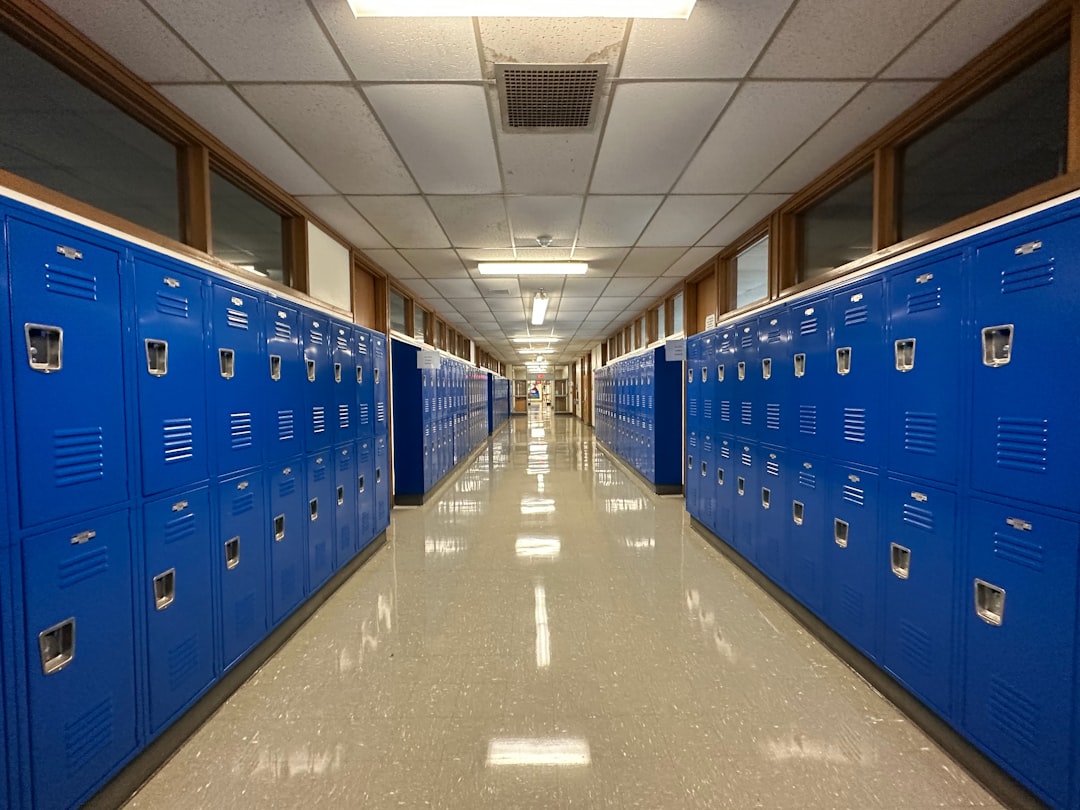
Securing funding for charter school facilities presents significant challenges. Charter schools typically have restricted access to traditional funding sources compared to public schools, receiving less government financial support. This funding disparity creates obstacles in acquiring suitable facilities, which can affect educational quality.
The funding landscape is highly competitive, with many charter schools seeking limited available resources. This competition creates time pressure that may affect strategic planning. Additionally, newer charter schools often lack established credit histories, making lenders reluctant to provide financing without proven financial performance.
Understanding these fundamental challenges is essential when developing strategies to secure adequate funding for charter school facilities.
Key Takeaways
- Securing funding for charter school facilities involves navigating complex challenges including legal, financial, and regulatory hurdles.
- Multiple funding sources exist such as government grants, private donations, tax credits, and partnerships with real estate developers.
- A strong financial and business plan is essential to attract investors and successfully apply for grants and incentives.
- Effective negotiation of lease agreements and financing options can optimize facility costs and funding opportunities.
- Overcoming common obstacles requires strategic planning, leveraging diverse funding streams, and understanding compliance requirements.
Exploring Different Funding Options for Charter School Facilities
As you delve into the world of funding options for charter school facilities, it’s essential to explore a diverse array of avenues. One of the most common sources is government grants, which can provide substantial financial support. These grants are often designed to assist educational institutions in acquiring or renovating facilities, making them a valuable resource for your charter school.
However, competition for these grants can be intense, so it’s vital to thoroughly research eligibility requirements and application processes. In addition to government grants, you should also consider private funding options. Philanthropic organizations and foundations often have specific initiatives aimed at supporting educational institutions, including charter schools.
By identifying potential donors who align with your school’s mission and values, you can create compelling proposals that resonate with their philanthropic goals. Furthermore, crowdfunding platforms have gained popularity in recent years, allowing you to tap into community support and raise funds directly from individuals who believe in your vision.
Navigating the Process of Applying for Government Grants for Charter School Facilities

Applying for government grants can be a daunting task, but with careful planning and organization, you can streamline the process. Start by identifying grants that are specifically tailored to charter schools and their unique needs. Familiarize yourself with the application guidelines and deadlines to ensure that you don’t miss out on potential funding opportunities.
It’s also beneficial to attend workshops or informational sessions hosted by grant agencies, as these can provide valuable insights into what reviewers are looking for in a successful application. Once you’ve identified suitable grants, focus on crafting a compelling narrative that highlights your charter school’s mission, goals, and the specific needs of your facility. Be sure to include data and evidence that demonstrate the impact your school has on the community and its students.
Additionally, consider collaborating with other stakeholders, such as local businesses or community organizations, to strengthen your application. By showcasing a united front and demonstrating community support, you can enhance your chances of securing government funding for your charter school facilities.
Leveraging Private Donations and Fundraising Efforts for Charter School Facilities
Private donations can play a pivotal role in securing funding for your charter school facilities. To effectively leverage these contributions, it’s essential to cultivate relationships with potential donors who share your vision for education. Start by creating a comprehensive donor engagement strategy that outlines how you will reach out to individuals and organizations within your community.
This could involve hosting events, sending personalized communications, or utilizing social media platforms to raise awareness about your school’s mission. Fundraising efforts can also take various forms beyond traditional donations. Consider organizing community events such as auctions, fun runs, or benefit concerts that not only raise funds but also foster a sense of community around your charter school.
Engaging students, parents, and local businesses in these initiatives can create a shared sense of ownership and pride in your school’s success. By diversifying your fundraising efforts and actively involving stakeholders, you can build a robust financial foundation for your charter school facilities.
Partnering with Real Estate Developers and Investors for Charter School Facilities
| Metric | Description | Typical Range/Value | Notes |
|---|---|---|---|
| Average Facility Cost per Student | Cost to build or renovate charter school facilities per enrolled student | 10,000 – 30,000 | Varies by region and building type |
| Percentage of Charter Schools Owning Facilities | Proportion of charter schools that own their school buildings | 30% – 40% | Majority lease or rent facilities |
| Average Lease Cost per Square Foot | Annual lease cost for charter school facilities per square foot | 15 – 35 | Depends on location and building condition |
| Facility Financing Sources | Common sources of funding for charter school facilities | Bank loans, bonds, grants, philanthropy | Often a mix of public and private funds |
| Percentage of Facilities Funded by Public Bonds | Share of charter school facilities financed through public bond measures | 10% – 20% | Varies by state and local policies |
| Average Loan Term for Facility Financing | Typical duration of loans used to finance charter school facilities | 10 – 25 years | Longer terms reduce annual payments |
| Facility Maintenance Cost per Student | Annual maintenance and operations cost per student | 500 – 1,500 | Includes utilities, repairs, custodial services |
Forming partnerships with real estate developers and investors can be a strategic move in securing funding for your charter school facilities. These partnerships can provide access to capital and expertise that may be otherwise unavailable to you. When approaching potential partners, it’s important to clearly articulate your vision and how it aligns with their interests.
Highlighting the potential benefits of investing in educational facilities can make your proposal more appealing. Additionally, consider exploring joint ventures where both parties share risks and rewards. This collaborative approach can lead to innovative solutions for facility development while minimizing financial burdens on your charter school.
By fostering strong relationships with real estate professionals who understand the unique challenges faced by charter schools, you can create opportunities that benefit both parties and ultimately enhance the educational environment for your students.
Utilizing Tax Credits and Incentives for Charter School Facility Development

Tax credits and incentives can significantly alleviate the financial burden associated with developing charter school facilities. Familiarizing yourself with available programs at both the federal and state levels is crucial in maximizing these benefits. For instance, the New Markets Tax Credit program offers incentives for investments in low-income communities, which may include areas where your charter school is located.
In addition to federal programs, many states offer their own tax incentives aimed at supporting educational institutions. Researching these options can uncover valuable resources that may not be widely known. By strategically incorporating tax credits into your financial planning, you can reduce overall costs and allocate more funds toward enhancing educational programs and resources within your charter school.
Negotiating Lease Agreements and Financing Options for Charter School Facilities
When it comes to securing a facility for your charter school, negotiating lease agreements is a critical step that requires careful consideration. You’ll want to ensure that the terms of the lease align with your school’s long-term goals while also providing flexibility as your institution grows. Engaging legal counsel experienced in educational real estate can help you navigate this process effectively.
In addition to lease agreements, exploring various financing options is essential in securing the necessary funds for facility development. Traditional loans may be an option; however, consider alternative financing methods such as revenue bonds or public-private partnerships that may offer more favorable terms. By being proactive in negotiations and exploring diverse financing avenues, you can position your charter school for success while minimizing financial strain.
Establishing a Strong Financial Plan for Charter School Facility Development
A robust financial plan is the backbone of any successful charter school facility development project.
This analysis will help you identify gaps and opportunities for improvement as you move forward with facility development.
Once you have a clear understanding of your financial landscape, outline a detailed budget that encompasses all aspects of facility development—from construction costs to ongoing maintenance expenses. Additionally, consider incorporating contingency plans to address unforeseen challenges that may arise during the development process. By establishing a strong financial plan, you’ll not only enhance your chances of securing funding but also ensure the long-term sustainability of your charter school facilities.
Addressing Legal and Regulatory Considerations in Securing Funding for Charter School Facilities
Navigating the legal and regulatory landscape is an essential component of securing funding for charter school facilities. Familiarize yourself with local zoning laws and regulations that may impact your ability to acquire or develop property. Engaging legal experts who specialize in education law can provide invaluable guidance as you work through these complexities.
Additionally, understanding compliance requirements related to funding sources is crucial. Many grants and financing options come with specific stipulations regarding how funds can be used or reported. Ensuring that you remain compliant with these regulations will not only protect your funding but also enhance your credibility as an educational institution committed to transparency and accountability.
Creating a Comprehensive Business Plan to Attract Investors for Charter School Facilities
A well-crafted business plan serves as a powerful tool in attracting investors for your charter school facilities. Your plan should clearly outline your school’s mission, vision, and goals while providing detailed information about the proposed facility development project. Include market analysis data that demonstrates demand for educational services in your area and how your charter school meets those needs.
In addition to outlining financial projections and funding strategies, consider incorporating testimonials from parents, students, and community members who support your vision. This personal touch can resonate with potential investors and illustrate the positive impact your charter school has on its community. By presenting a comprehensive business plan that showcases both the educational value and financial viability of your project, you’ll be better positioned to attract investment.
Overcoming Common Obstacles in Securing Funding for Charter School Facilities
As you navigate the complex landscape of securing funding for charter school facilities, it’s important to anticipate common obstacles that may arise along the way. One significant challenge is overcoming skepticism from potential funders who may question the sustainability of charter schools compared to traditional public schools. To address this concern, focus on building a strong track record of academic success and community engagement that demonstrates the effectiveness of your institution.
Another common obstacle is managing limited resources while pursuing multiple funding avenues simultaneously. It’s essential to prioritize efforts based on potential impact and feasibility while maintaining clear communication with stakeholders involved in each initiative. By staying organized and adaptable in your approach, you’ll be better equipped to overcome challenges and secure the necessary funding for your charter school facilities.
In conclusion, securing funding for charter school facilities is undoubtedly a multifaceted endeavor fraught with challenges; however, by understanding these obstacles and exploring diverse funding options, you can pave the way toward successful facility development. Through strategic planning, collaboration with stakeholders, and a commitment to transparency and accountability, you will not only enhance the physical environment of your charter school but also enrich the educational experiences of students within your community.
Charter school facilities financing is a critical aspect of ensuring that these educational institutions have the necessary infrastructure to support their students and programs. For a deeper understanding of the financial mechanisms available for charter schools, you can explore the article on wealth growth strategies at howwealthgrows.
com/’>How Wealth Grows. This resource provides valuable insights into various funding options and financial planning that can benefit charter schools in their quest for sustainable facilities.
📌WATCH THIS! They Sold Your School Building—Then Made You Rent It Back
FAQs
What is charter school facilities financing?
Charter school facilities financing refers to the methods and resources used to fund the construction, renovation, or leasing of buildings and physical spaces where charter schools operate.
Why is facilities financing important for charter schools?
Facilities financing is crucial because charter schools often do not receive the same level of funding for buildings as traditional public schools, making it necessary to find alternative funding sources to secure safe and adequate learning environments.
What are common sources of financing for charter school facilities?
Common sources include public funding programs, private loans, grants, bonds, philanthropic contributions, and partnerships with developers or community organizations.
Do charter schools receive government funding for facilities?
In some states, charter schools may receive state or local government funds specifically allocated for facilities, but this varies widely depending on local laws and policies.
Can charter schools use federal funds for facilities?
Federal funds for charter school facilities are limited but may be available through specific programs such as the Charter Schools Program (CSP) grants, which can be used for facilities-related expenses.
What challenges do charter schools face in financing facilities?
Challenges include limited access to public funding, higher borrowing costs, competition for private capital, and the need to balance facility costs with operational expenses.
Are there specialized financing programs for charter school facilities?
Yes, some states and nonprofit organizations offer specialized loan programs, grants, and bond financing options designed to support charter school facility needs.
How do charter schools typically acquire their facilities?
Charter schools may lease existing buildings, purchase properties, or construct new facilities, depending on their financial resources and long-term plans.
What role do public-private partnerships play in charter school facilities financing?
Public-private partnerships can provide charter schools with access to capital, expertise, and development resources, helping to reduce costs and improve facility quality.
Can charter schools refinance their facilities debt?
Yes, charter schools can refinance existing debt to take advantage of lower interest rates or better terms, subject to lender approval and financial viability.