
Stranded costs are financial expenditures that institutions cannot recover when investments become obsolete or underutilized due to market changes, regulatory modifications, or operational transitions. In educational settings, these costs typically occur when schools invest in infrastructure, academic programs, or technological resources that subsequently lose their value or relevance. For example, an institution may purchase expensive educational technology or develop specialized curricula that become outdated when educational standards change or student demographics shift, rendering the initial investment unrecoverable.
The financial impact of stranded costs on educational institutions can be substantial, affecting both operational budgets and long-term strategic planning. When significant portions of institutional resources remain tied to obsolete investments, schools face reduced flexibility in funding new programs, upgrading facilities, or adapting to emerging educational needs. This constraint can limit an institution’s capacity to maintain competitive academic offerings and may compromise student learning outcomes.
Educational administrators must therefore develop strategies to identify potential stranded costs early and implement risk mitigation measures to preserve institutional financial stability and educational effectiveness.
Key Takeaways
- Stranded costs in education refer to expenses that remain despite changes or reductions in usage or demand.
- These costs significantly impact educational budgets, limiting resources for new initiatives and improvements.
- Technology offers promising solutions to reduce and manage stranded costs effectively.
- Accountability and strategic planning are crucial for successfully addressing stranded costs in educational institutions.
- Case studies demonstrate that proactive management can mitigate stranded costs and support sustainable education funding.
The Impact of Stranded Costs on Education
The impact of stranded costs on education can be profound and multifaceted. When schools find themselves burdened by these unrecoupable expenses, they often face budgetary constraints that limit their ability to innovate or respond to changing educational demands. This can lead to a stagnation in program development and a failure to adopt new teaching methodologies or technologies that could enhance learning experiences.
Consequently, students may miss out on opportunities that could better prepare them for the future. Moreover, stranded costs can create a ripple effect throughout the educational ecosystem. As institutions grapple with financial limitations, they may be forced to make difficult decisions regarding staffing, program offerings, and resource allocation.
This can lead to larger class sizes, reduced extracurricular activities, and diminished support services for students. The long-term implications of these decisions can hinder not only individual student success but also the overall quality of education within the community.
Examples of Stranded Costs in Education
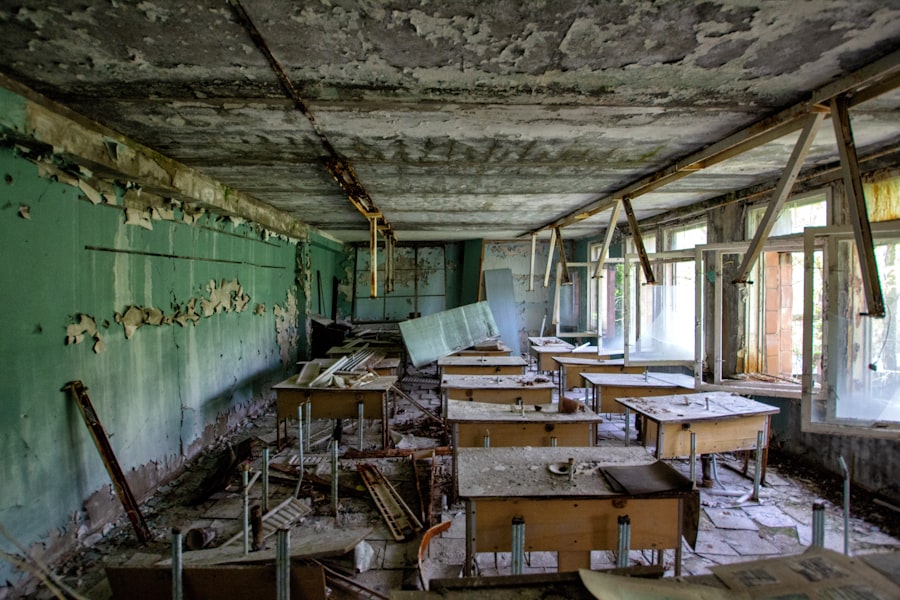
There are numerous examples of stranded costs in education that illustrate the challenges faced by institutions. One common scenario involves the adoption of new technologies that quickly become outdated. For instance, a school may invest heavily in a specific software platform for teaching and learning, only to find that it is no longer supported or relevant within a few years.
The financial resources spent on licenses, training, and infrastructure become stranded as the institution must pivot to newer solutions. Another example can be found in curriculum development. Schools often invest significant time and money into creating specialized programs or courses that align with current educational standards.
However, if those standards change or if student interests shift dramatically, the resources allocated to those programs may become stranded. This not only represents a financial loss but also reflects a missed opportunity for students who could benefit from more relevant and engaging educational experiences.
Factors Contributing to Stranded Costs in Education
Several factors contribute to the emergence of stranded costs in education. One primary factor is the rapid pace of technological advancement. As new tools and platforms are developed, educational institutions may feel pressured to adopt them quickly, often without fully understanding their long-term viability or alignment with institutional goals.
This haste can lead to investments that become obsolete before they can be fully utilized. Additionally, changes in educational policy and standards can create an environment ripe for stranded costs. When regulations shift or new mandates are introduced, schools may find themselves needing to overhaul their programs or resources to remain compliant.
This can result in previously allocated funds becoming stranded as institutions scramble to adapt to new requirements. The interplay between technology and policy creates a complex landscape where stranded costs can proliferate if not carefully managed.
The Challenges of Addressing Stranded Costs
| Metric | Description | Value | Unit | Notes |
|---|---|---|---|---|
| Unrecoverable Infrastructure Costs | Costs related to outdated or unused school buildings and facilities | 1,200 | Million | Estimated nationwide |
| Teacher Pension Liabilities | Obligations for retired teachers’ pensions not covered by current funding | 850 | Million | State-level average |
| Technology Obsolescence Costs | Costs to replace or upgrade outdated educational technology | 300 | Million | Estimated for public schools |
| Contractual Severance Costs | Costs incurred from layoffs or contract terminations due to school closures | 150 | Million | Includes severance pay and benefits |
| Debt Service on Education Bonds | Ongoing payments on bonds issued for school construction no longer in use | 400 | Million | Annual cost |
Addressing stranded costs in education presents several challenges for institutions. One significant hurdle is the lack of clear visibility into where these costs are occurring. Many schools may not have robust financial tracking systems in place to identify and analyze stranded costs effectively.
Without this data, it becomes challenging to make informed decisions about resource allocation and investment strategies. Furthermore, there is often resistance to change within educational institutions. Stakeholders may be hesitant to abandon established programs or technologies, even when they are no longer effective or relevant.
This reluctance can perpetuate the cycle of stranded costs, as institutions continue to invest in outdated resources rather than reallocating funds toward more innovative solutions. Overcoming this resistance requires strong leadership and a commitment to fostering a culture of adaptability and continuous improvement.
Strategies for Managing Stranded Costs in Education

To effectively manage stranded costs in education, institutions must adopt proactive strategies that prioritize flexibility and adaptability. One approach is to implement regular financial audits that assess resource allocation and identify areas where funds may be stranded. By maintaining a clear understanding of financial health, schools can make informed decisions about future investments and avoid repeating past mistakes.
Another strategy involves fostering collaboration among educators, administrators, and stakeholders when evaluating new programs or technologies. By involving diverse perspectives in the decision-making process, institutions can better assess the long-term viability of investments and ensure alignment with institutional goals. This collaborative approach not only helps mitigate the risk of stranded costs but also promotes a culture of shared responsibility for resource management.
The Role of Technology in Addressing Stranded Costs
Technology plays a dual role in the context of stranded costs in education; it can both contribute to their emergence and offer solutions for their management. On one hand, rapid technological advancements can lead schools to invest in tools that quickly become outdated or irrelevant. However, on the other hand, technology also provides innovative solutions for tracking expenditures and optimizing resource allocation.
For instance, data analytics tools can help educational institutions gain insights into spending patterns and identify areas where funds may be wasted or stranded. By leveraging technology for financial management, schools can make more informed decisions about future investments and prioritize initiatives that align with current educational needs. Additionally, technology can facilitate ongoing professional development for educators, ensuring they remain equipped to adapt to changing trends and avoid investing in obsolete resources.
The Importance of Accountability in Managing Stranded Costs
Accountability is a critical component of effectively managing stranded costs in education.
Establishing clear accountability measures ensures that decisions are made with careful consideration of their long-term implications.
Moreover, accountability encourages open communication among educators, administrators, and community members about financial challenges and opportunities. By fostering an environment where stakeholders feel empowered to voice concerns and propose solutions, institutions can collaboratively address stranded costs and work toward more sustainable financial practices. This collective approach not only enhances accountability but also strengthens the overall educational community.
The Future of Stranded Costs in Education
As educational landscapes continue to evolve, the future of stranded costs will likely be shaped by ongoing technological advancements and shifting policy frameworks. Institutions that prioritize adaptability and proactive financial management will be better positioned to navigate these changes effectively. Embracing innovation while remaining vigilant about potential pitfalls will be essential for minimizing stranded costs moving forward.
Additionally, as educational funding models evolve—particularly with the rise of online learning and alternative education pathways—schools will need to reassess their resource allocation strategies continually. By staying attuned to emerging trends and being willing to pivot when necessary, institutions can mitigate the risk of stranded costs while enhancing their ability to provide high-quality education.
Case Studies of Successful Management of Stranded Costs
Examining case studies of institutions that have successfully managed stranded costs can provide valuable insights for others facing similar challenges. For example, one school district implemented a comprehensive financial tracking system that allowed them to identify underutilized resources quickly. By reallocating funds from these stranded investments into more effective programs, they were able to enhance student outcomes significantly.
Another institution adopted a collaborative approach by forming cross-departmental teams tasked with evaluating new technology investments before implementation. This strategy not only reduced the incidence of stranded costs but also fostered a culture of shared responsibility among stakeholders. By learning from these successful examples, other educational institutions can develop tailored strategies for managing their own stranded costs effectively.
Moving Forward with Stranded Costs in Education
In conclusion, addressing stranded costs in education is an ongoing challenge that requires vigilance, adaptability, and collaboration among all stakeholders involved. By understanding what stranded costs are and recognizing their impact on educational institutions, you can take proactive steps toward managing them effectively. Implementing strategies such as regular financial audits, fostering collaboration among stakeholders, leveraging technology for data analysis, and promoting accountability will empower you to navigate this complex landscape successfully.
As you move forward, remember that the future of education depends on your ability to adapt to changing circumstances while remaining committed to providing quality learning experiences for students. By prioritizing effective management of stranded costs today, you can help ensure a brighter future for both your institution and the students you serve.
Stranded costs in the education system can significantly impact funding and resource allocation, making it essential to understand their implications. For a deeper insight into how financial dynamics affect educational institutions, you can read the article on wealth growth strategies at How Wealth Grows. This resource provides valuable information that can help educators and policymakers navigate the complexities of funding in the current educational landscape.
📌WATCH THIS! They Sold Your School Building—Then Made You Rent It Back
FAQs
What are stranded costs in the education system?
Stranded costs in the education system refer to expenses that have been incurred but cannot be recovered due to changes such as policy shifts, school closures, or technological advancements. These costs often include investments in infrastructure, equipment, or programs that become obsolete or underutilized.
Why do stranded costs occur in education?
Stranded costs occur when educational institutions face unexpected changes like budget cuts, curriculum reforms, or the adoption of new technologies that render previous investments ineffective or unnecessary. For example, closing a school building leaves the associated maintenance and capital costs stranded.
How do stranded costs impact educational institutions?
Stranded costs can strain the financial resources of schools and districts, limiting their ability to invest in new initiatives or maintain existing programs. They may lead to increased debt, reduced operational budgets, or the need for additional funding to cover unrecoverable expenses.
Can stranded costs affect students and teachers?
Yes, stranded costs can indirectly affect students and teachers by reducing available resources for educational materials, staff salaries, and program development. Financial constraints caused by stranded costs may lead to larger class sizes, fewer extracurricular activities, or delayed facility upgrades.
Are there strategies to manage or reduce stranded costs in education?
Educational institutions can manage stranded costs by conducting thorough cost-benefit analyses before major investments, implementing flexible infrastructure designs, and regularly reviewing programs for efficiency. Additionally, repurposing facilities and equipment or seeking alternative funding sources can help mitigate stranded costs.
Is the concept of stranded costs unique to education?
No, stranded costs are a common financial issue across various sectors, including utilities, transportation, and telecommunications. However, the specific causes and implications of stranded costs can vary depending on the industry and context.
How do policymakers address stranded costs in the education system?
Policymakers may address stranded costs by providing transition funding, restructuring debt, or offering grants to support affected institutions. They also develop long-term planning frameworks to minimize future stranded costs through strategic investments and policy adjustments.