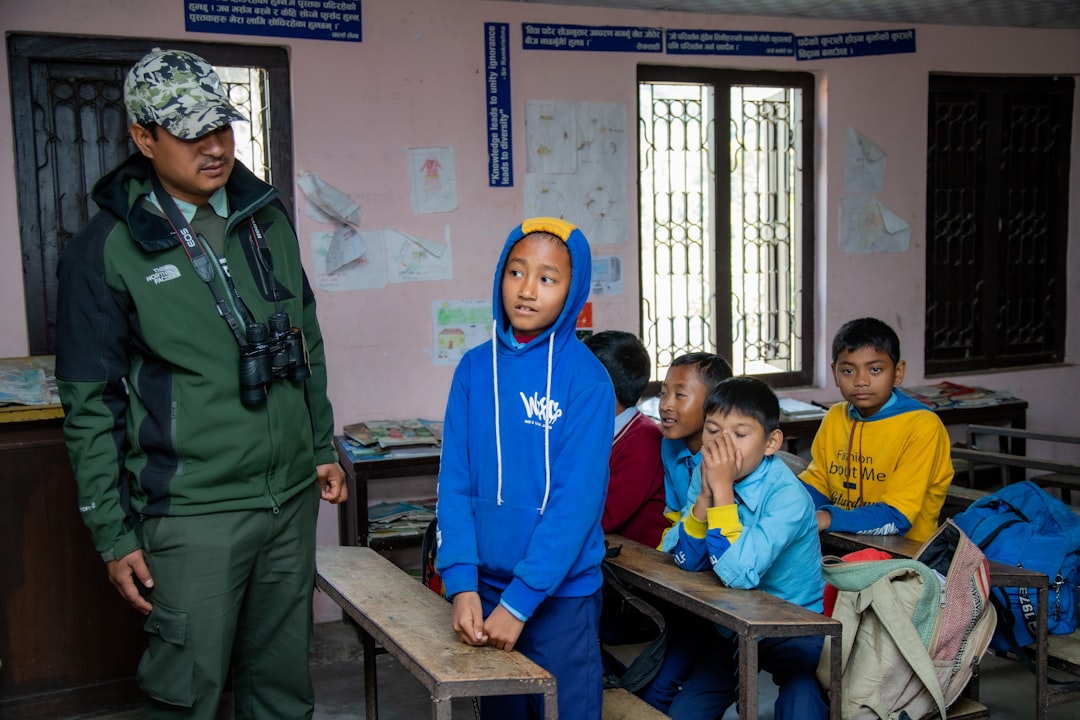
Educational systems face significant challenges due to insufficient funding and resource allocation. Schools nationwide operate under constrained budgets that limit their capacity to deliver comprehensive educational services. Many institutions cannot maintain adequate facilities or invest in modern technology and extracurricular programming.
These financial constraints result in overcrowded classrooms, outdated educational materials, and limited access to essential learning resources, which negatively impacts the overall educational experience. Funding disparities between affluent and economically disadvantaged districts create substantial inequalities in educational quality. Well-funded schools typically offer advanced coursework, experienced faculty, and extensive extracurricular opportunities.
Conversely, schools in lower-income areas often lack fundamental resources, perpetuating cycles of economic disadvantage and restricting pathways to academic and professional advancement. These inequities affect individual student outcomes and have broader societal implications by limiting human potential and reducing social mobility.
Key Takeaways
- Education systems face significant challenges due to lack of funding and unequal access to quality learning.
- Overreliance on standardized testing and grades limits holistic student development.
- Curriculums and teaching methods are often outdated, neglecting critical thinking and problem-solving skills.
- Support for special needs, gifted students, and teacher well-being is insufficient.
- There is a disconnect between education content and real-world applications, with inadequate focus on diversity, inclusion, and practical life skills.
Inequality in Access to Quality Education
Inequality in access to quality education is another critical issue that you may have encountered. The educational landscape is often marked by stark contrasts, where students from different socioeconomic backgrounds experience vastly different levels of support and opportunity. If you come from a privileged background, you might have attended well-resourced schools with experienced teachers and a plethora of extracurricular options.
Conversely, students from lower-income families may find themselves in underfunded schools with limited resources and fewer opportunities for enrichment. This inequality can have long-lasting effects on students’ academic performance and future prospects. You may have noticed that students who attend schools with fewer resources often struggle to keep up with their peers.
This gap in educational quality can lead to lower graduation rates and diminished opportunities for higher education or employment. As a society, we must recognize that every student deserves access to a high-quality education, regardless of their background. Addressing this inequality is essential for fostering a more equitable society where all individuals have the chance to succeed.
Standardized Testing and its Limitations

Standardized testing has become a cornerstone of the educational system, but its limitations are becoming increasingly apparent. If you’ve ever taken a standardized test, you might have felt the pressure to perform well, often at the expense of genuine learning. These tests are designed to measure knowledge and skills in a uniform manner, but they often fail to capture the full range of a student’s abilities.
You may have noticed that these assessments can encourage rote memorization rather than critical thinking or creativity. Furthermore, standardized tests can disproportionately affect students from marginalized backgrounds. If you come from a background where test preparation resources are scarce, you may find yourself at a disadvantage compared to your peers who have access to tutoring and other support.
This reliance on standardized testing can perpetuate existing inequalities and create an environment where students are judged solely on their test scores rather than their overall potential. As we move forward, it is crucial to explore alternative assessment methods that provide a more comprehensive view of student learning and growth.
Overemphasis on Grades and Performance
In today’s educational environment, there is often an overemphasis on grades and performance that can create undue stress for students like you. The pressure to achieve high marks can overshadow the true purpose of education: fostering a love for learning and personal growth. You may find yourself caught in a cycle of striving for perfect grades rather than engaging deeply with the material or exploring your interests.
This focus on performance can lead to anxiety and burnout, detracting from the joy of learning. Moreover, this obsession with grades can create an unhealthy competitive atmosphere among students. If you’re constantly comparing your performance to that of your peers, it can be challenging to appreciate your unique strengths and talents.
This competition can stifle collaboration and discourage students from helping one another, ultimately undermining the sense of community that is essential for a positive learning environment. To create a more balanced approach to education, it is vital to shift the focus from grades to holistic development, encouraging students to pursue their passions and cultivate their skills without the weight of constant evaluation.
Outdated Curriculum and Teaching Methods
| Structural Problem | Description | Impact on Education | Example Metrics |
|---|---|---|---|
| Unequal Funding | Disparities in financial resources allocated to schools based on region or socioeconomic status. | Leads to resource gaps, affecting quality of education and student outcomes. | Per-student funding variance (%), % of schools underfunded |
| Teacher Shortages | Insufficient number of qualified teachers to meet student demand. | Increased class sizes, reduced individual attention, and lower teaching quality. | Student-teacher ratio, % of unfilled teaching positions |
| Curriculum Rigidity | Inflexible curricula that do not adapt to diverse student needs or modern skills. | Limits student engagement and fails to prepare students for current job markets. | Curriculum update frequency (years), % of schools using outdated curricula |
| Infrastructure Deficiencies | Poor physical conditions of school buildings and lack of essential facilities. | Impacts student health, attendance, and learning environment quality. | % of schools lacking basic facilities, average classroom size |
| Access Inequality | Barriers to education for marginalized groups due to geography, gender, or disability. | Lower enrollment and completion rates among disadvantaged populations. | Enrollment rate disparities (%), dropout rates by demographic |
As you navigate your educational journey, you may have noticed that many curricula and teaching methods feel outdated or irrelevant to today’s world. The rapid pace of technological advancement and societal change demands an educational approach that evolves alongside these developments. However, many schools continue to rely on traditional teaching methods that prioritize memorization over critical thinking and creativity.
You might find yourself disengaged in classes that do not resonate with your interests or fail to connect with real-world applications. Additionally, an outdated curriculum can leave students ill-prepared for the challenges they will face in the workforce or higher education. If you’re learning skills that are no longer relevant or applicable, it can be frustrating and disheartening.
The need for an updated curriculum that emphasizes interdisciplinary learning, technology integration, and real-world problem-solving is more pressing than ever. By embracing innovative teaching methods and relevant content, educators can better equip students like you for success in an ever-changing world.
Lack of Emphasis on Critical Thinking and Problem-Solving Skills

In an age where information is readily available at our fingertips, the ability to think critically and solve problems is more important than ever. However, many educational systems still prioritize rote memorization over these essential skills. If you’ve ever felt unchallenged by your coursework or frustrated by a lack of opportunities to engage in meaningful discussions, you’re not alone.
The emphasis on standardized testing often sidelines critical thinking in favor of regurgitating facts. Moreover, without opportunities to develop problem-solving skills, you may find yourself ill-equipped to tackle real-world challenges. In today’s complex society, employers increasingly seek individuals who can think critically and approach problems creatively.
If your education does not prioritize these skills, you may struggle to stand out in a competitive job market. To foster a generation of innovative thinkers and problem solvers, it is crucial for educators to integrate critical thinking into their curricula and encourage students like you to explore diverse perspectives.
Inadequate Support for Special Needs and Gifted Students
The educational system often falls short when it comes to providing adequate support for both special needs and gifted students. If you have special needs or know someone who does, you may have experienced firsthand the challenges posed by a lack of resources or individualized attention. Many schools struggle to accommodate diverse learning styles and needs due to limited funding or training for educators.
This can lead to frustration for both students and teachers alike. On the other end of the spectrum, gifted students may also feel underserved in traditional classrooms that do not challenge them adequately. If you’re someone who excels academically but finds the standard curriculum unengaging, you might feel stifled by an environment that does not cater to your advanced abilities.
It is essential for educational institutions to recognize the unique needs of all students—both those who require additional support and those who thrive on challenge—and create inclusive environments that foster growth for everyone.
Teacher Burnout and High Turnover Rates
The challenges faced by educators today are immense, leading to high levels of burnout and turnover rates within the profession. If you’ve had teachers who seemed overwhelmed or disengaged, it may be a reflection of the pressures they face daily. Many educators are tasked with managing large classrooms while navigating administrative demands and limited resources.
This can lead to feelings of frustration and exhaustion, ultimately impacting their ability to provide quality instruction. As teachers leave the profession at alarming rates, students like you may experience instability in your learning environment. Frequent changes in educators can disrupt continuity in instruction and hinder relationships built over time.
To address this issue, it is crucial for schools to prioritize teacher well-being by providing adequate support, professional development opportunities, and manageable workloads. By investing in educators’ mental health and job satisfaction, we can create a more stable and effective learning environment for all students.
Lack of Diversity and Inclusion in Education
Diversity and inclusion are vital components of a well-rounded education; however, many schools still struggle to create environments that reflect these values. If you’ve ever felt marginalized or underrepresented in your classroom discussions or curriculum materials, you understand how important it is for all voices to be heard. A lack of diversity in teaching staff and course content can perpetuate stereotypes and limit students’ understanding of different cultures and perspectives.
Moreover, when students do not see themselves represented in their education, it can lead to feelings of alienation or disengagement from the learning process. If you’re part of a minority group or come from a unique background, it is essential for your experiences to be acknowledged within the curriculum. By fostering an inclusive environment that celebrates diversity, educators can help all students feel valued and empowered while promoting empathy and understanding among peers.
Insufficient Focus on Life Skills and Practical Knowledge
While academic knowledge is undoubtedly important, many educational systems fall short when it comes to teaching essential life skills and practical knowledge. If you’ve ever wondered how what you’re learning will apply outside the classroom, you’re not alone. Many students graduate without having been taught crucial skills such as financial literacy, communication techniques, or time management strategies—skills that are vital for success in adulthood.
This gap in practical knowledge can leave you feeling unprepared for real-world challenges after graduation. As you transition into adulthood, you’ll encounter situations that require more than just academic knowledge; you’ll need practical skills that enable you to navigate everyday life effectively. By incorporating life skills into the curriculum alongside traditional subjects, educators can better prepare students like you for success beyond the classroom.
Disconnect between Education and the Real World
Finally, one of the most significant challenges facing education today is the disconnect between what is taught in schools and the realities of the world outside those walls. If you’ve ever felt that your education lacks relevance or fails to address current issues facing society, you’re not alone.
This disconnect can lead to disillusionment among students who question the value of their education when it does not align with their aspirations or interests. To bridge this gap, educators must strive to create curricula that reflect real-world challenges while incorporating hands-on experiences such as internships or community service projects. By connecting classroom learning with practical applications in society, we can inspire students like you to engage meaningfully with their education while preparing them for future success.
In conclusion, addressing these multifaceted issues within education requires collective effort from educators, policymakers, parents, and communities alike. By recognizing the challenges faced by students today—ranging from funding disparities to outdated curricula—we can work together toward creating an educational system that truly serves all learners equitably while preparing them for success in an ever-evolving world.
The education system faces numerous structural problems that hinder its effectiveness and accessibility. One insightful article that delves into these issues is available at howwealthgrows.
com/’>How Wealth Grows, where it discusses the impact of socioeconomic factors on educational outcomes and the need for systemic reform. This resource provides a comprehensive overview of the challenges and potential solutions within the current educational framework.
📌WATCH THIS! They Sold Your School Building—Then Made You Rent It Back
FAQs
What are common structural problems in education systems?
Common structural problems in education systems include inadequate funding, outdated curricula, teacher shortages, unequal access to quality education, overcrowded classrooms, and lack of infrastructure and resources.
How does funding impact the education system?
Funding directly affects the quality of education by influencing teacher salaries, availability of learning materials, school facilities, and access to technology. Insufficient funding often leads to resource shortages and lower educational outcomes.
Why is unequal access to education a structural problem?
Unequal access arises from socioeconomic disparities, geographic location, and social barriers, leading to significant differences in educational opportunities and outcomes among students from different backgrounds.
What role do teachers play in structural problems of education?
Teacher shortages, inadequate training, low salaries, and lack of professional development contribute to poor teaching quality, which is a key structural issue affecting student learning and overall education system performance.
How does curriculum design contribute to structural problems?
Outdated or irrelevant curricula can fail to meet the needs of modern society and the job market, limiting students’ skills and knowledge. This misalignment is a structural challenge that affects education effectiveness.
What impact do infrastructure and resources have on education systems?
Poor infrastructure, such as inadequate classrooms, lack of sanitation, and insufficient learning materials, hampers the learning environment and student engagement, representing a significant structural problem.
Can policy and governance issues affect education system structure?
Yes, ineffective policies, lack of accountability, and poor governance can lead to mismanagement of resources, inconsistent standards, and failure to address systemic issues within education systems.
How do socioeconomic factors influence structural problems in education?
Socioeconomic factors like poverty, family background, and community support affect students’ ability to access and succeed in education, contributing to systemic inequalities and structural challenges.
What are potential solutions to structural problems in education systems?
Solutions include increased and equitable funding, curriculum reform, teacher training and support, infrastructure development, policy improvements, and targeted programs to reduce disparities and improve access.
Why is addressing structural problems in education important?
Addressing these problems is crucial for ensuring equitable access to quality education, improving student outcomes, fostering social mobility, and supporting economic development and societal progress.