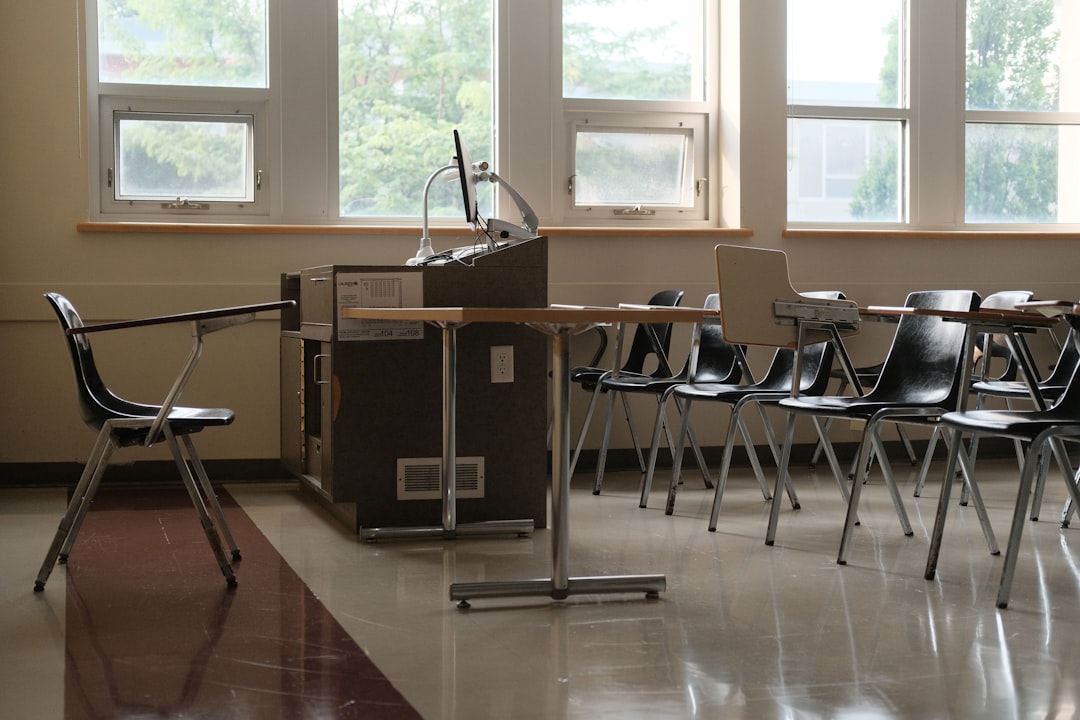
School funding ballot measures represent a direct democratic mechanism through which communities determine the financial resources allocated to their local educational institutions. These measures enable voters to influence school district budgets and educational priorities within their communities. Revenue generated from approved ballot measures typically addresses specific educational needs, including teacher recruitment and retention, facility improvements, technology upgrades, and program expansion.
School funding ballot measures reflect community priorities regarding educational investment. Voter participation in these measures constitutes engagement in local governance that directly affects educational quality and resource allocation. The results of these ballot measures can significantly impact curriculum offerings, extracurricular programs, student support services, and overall educational infrastructure.
These funding decisions have long-term consequences for educational outcomes and community development, making informed participation in the ballot measure process important for stakeholders in local education systems.
Key Takeaways
- School funding ballot measures are crucial for securing necessary resources to improve education quality.
- Community involvement plays a key role in the success and implementation of these funding measures.
- Increased funding from ballot measures positively affects student success and supports special education programs.
- Challenges in passing these measures often include voter approval and balancing budget priorities.
- Long-term investments through ballot measures enhance teacher salaries, school infrastructure, and overall educational outcomes.
How School Funding Ballot Measures Impact Education
The impact of school funding ballot measures on education is profound and multifaceted. When you support these measures, you are directly contributing to the enhancement of educational resources available to students. Increased funding can lead to smaller class sizes, which research has shown can improve student learning outcomes.
With more individualized attention from teachers, students are more likely to thrive academically and socially. This is particularly important in early education, where foundational skills are developed. Additionally, funding from successful ballot measures can facilitate the introduction of innovative programs and technologies that enrich the learning experience.
Imagine classrooms equipped with the latest educational technology, providing students with access to a wealth of information and interactive learning opportunities. This not only engages students but also prepares them for a technology-driven world. By investing in education through these measures, you are helping to create an environment where students can explore their interests and develop critical thinking skills essential for their future success.
The Process of Implementing School Funding Ballot Measures

Implementing school funding ballot measures is a complex process that requires careful planning and community engagement. Initially, school districts must assess their financial needs and identify specific areas where funding is required. This could range from infrastructure improvements to hiring additional staff or expanding programs.
Once these needs are identified, school officials often work with community stakeholders to draft a proposal that outlines the intended use of the funds. After drafting the proposal, the next step involves gathering support from the community. This is where your involvement becomes crucial.
School districts typically hold informational meetings and forums to educate the public about the proposed measure and its potential benefits. Engaging with your neighbors and discussing the importance of adequate funding can help build momentum for the initiative. Once sufficient support is garnered, the measure is placed on the ballot for voters to decide during an election.
This democratic process ensures that the community has a say in how educational resources are allocated.
The Role of Community Involvement in School Funding Ballot Measures
Community involvement plays a pivotal role in the success of school funding ballot measures. When you actively participate in discussions about education funding, you contribute to a collective understanding of what is at stake for your local schools. Engaging with fellow community members allows for diverse perspectives to be shared, fostering a sense of unity around common goals.
This collaboration can lead to increased awareness about the challenges facing schools and the importance of adequate funding. Moreover, grassroots campaigns often emerge from community involvement, mobilizing residents to advocate for educational funding. You might find yourself attending rallies, writing letters to local officials, or even canvassing neighborhoods to spread awareness about the ballot measure.
Such efforts not only amplify the message but also create a sense of ownership among community members regarding their schools’ futures. When people come together with a shared purpose, they can significantly influence the outcome of funding measures, ultimately benefiting students and educators alike.
The Effect of School Funding Ballot Measures on Student Success
| Year | State | Measure Name | Funding Amount (Millions) | Purpose | Approval Rate (%) |
|---|---|---|---|---|---|
| 2023 | California | Prop 15 | 12,000 | School infrastructure improvements | 62 |
| 2022 | Washington | Initiative 135 | 3,500 | Teacher salary increases | 58 |
| 2023 | Florida | Amendment 8 | 4,200 | Technology upgrades in schools | 65 |
| 2024 | Texas | Proposition B | 7,800 | New school construction | 70 |
| 2024 | New York | Measure 22 | 5,600 | Special education funding | 60 |
The correlation between school funding ballot measures and student success is well-documented. When schools receive adequate funding through successful ballot initiatives, they can provide a more enriching educational experience for students.
With better resources at their disposal, educators can implement more effective teaching strategies that cater to diverse learning styles. Furthermore, increased funding often translates into enhanced support services for students. This could mean more counselors available to address mental health needs or additional tutoring programs for those struggling academically.
As a result, students are more likely to feel supported in their educational journey, leading to higher graduation rates and improved overall performance. By voting in favor of school funding ballot measures, you are directly contributing to an environment where students can thrive and reach their full potential.
The Long-Term Benefits of Investing in Education through Ballot Measures

Investing in education through school funding ballot measures yields long-term benefits that extend far beyond immediate financial gains. When you support these measures, you are essentially investing in the future workforce of your community. A well-funded education system produces graduates who are better prepared for higher education and skilled careers, ultimately contributing to economic growth and stability.
Additionally, communities that prioritize education through funding initiatives often experience lower crime rates and improved public health outcomes. Education is a powerful tool for breaking cycles of poverty and inequality; by ensuring that all students have access to quality education, you are fostering a more equitable society. The ripple effects of such investments can be felt across generations, as educated individuals contribute positively to their communities in various ways.
The Challenges of Passing School Funding Ballot Measures
Despite the clear benefits of school funding ballot measures, passing them can be fraught with challenges. One significant hurdle is public perception; some community members may be hesitant to support tax increases or additional funding initiatives due to concerns about fiscal responsibility or mismanagement of funds. As a voter, it’s essential to engage in discussions that address these concerns and highlight the positive impact that adequate funding can have on local schools.
Another challenge lies in mobilizing community support. Even if there is a general consensus on the need for increased funding, translating that into action can be difficult. You may find yourself facing apathy or indifference from some members of your community who do not see how education funding directly affects them or their families.
Overcoming this barrier requires persistent outreach efforts and effective communication strategies that emphasize the importance of education for everyone’s future.
The Relationship Between School Funding Ballot Measures and Teacher Salaries
One critical aspect of school funding ballot measures is their direct relationship with teacher salaries. When you vote in favor of these measures, you are not only supporting better resources for students but also advocating for fair compensation for educators. Adequate funding allows school districts to offer competitive salaries that attract and retain talented teachers who are essential for student success.
Moreover, higher teacher salaries can lead to improved job satisfaction and morale among educators. When teachers feel valued and fairly compensated for their work, they are more likely to invest themselves fully in their students’ education. This creates a positive feedback loop: as teacher satisfaction increases, so does student engagement and achievement.
By supporting school funding ballot measures, you are contributing to an ecosystem where both educators and students can thrive.
The Connection Between School Funding Ballot Measures and School Infrastructure
School infrastructure is another critical area impacted by school funding ballot measures. Many schools across the country face challenges related to aging facilities that hinder effective teaching and learning environments. When you support funding initiatives aimed at improving infrastructure, you are advocating for safe, modern spaces where students can learn without distractions or hazards.
Investments in infrastructure can lead to enhanced learning environments equipped with updated technology and resources that facilitate innovative teaching methods. For instance, modern science labs or art studios can inspire creativity and critical thinking among students. Additionally, improved facilities often foster a sense of pride within the community, encouraging greater involvement from parents and local organizations in supporting educational initiatives.
The Impact of School Funding Ballot Measures on Special Education Programs
Special education programs are often among the most affected by school funding ballot measures. Adequate funding is essential for providing specialized services tailored to meet the unique needs of students with disabilities. When you vote in favor of these measures, you are helping ensure that all students receive the support they require to succeed academically and socially.
Increased funding allows schools to hire trained professionals who can develop individualized education plans (IEPs) and provide necessary accommodations within the classroom setting. This not only benefits students with disabilities but also fosters an inclusive environment where all learners can thrive together. By supporting school funding initiatives, you play a vital role in promoting equity within education and ensuring that every child has access to quality learning opportunities.
The Future of Education Funding and Ballot Measures
As we look toward the future of education funding, it is clear that school funding ballot measures will continue to play a crucial role in shaping educational landscapes across communities. With ongoing debates about educational equity and resource allocation, your participation in these measures will be more important than ever. Engaging with local leaders and advocating for transparent discussions about funding priorities will help ensure that education remains a top priority.
Moreover, as technology continues to evolve and reshape how we approach education, there will be new opportunities for innovative funding solutions through ballot measures. Communities may explore creative approaches such as public-private partnerships or targeted initiatives aimed at addressing specific educational challenges. By staying informed and involved in these discussions, you can help pave the way for a brighter future in education—one where every student has access to quality resources and opportunities for success.
In conclusion, your role as an informed voter in school funding ballot measures cannot be overstated. By understanding their importance and impact on education, you contribute significantly to shaping a better future for students and communities alike.
A related article that delves into these themes can be found at How Wealth Grows, which explores how financial disparities affect various sectors, including education. Understanding these dynamics can provide valuable insights into the ongoing debates surrounding school funding initiatives.
📌WATCH THIS! They Sold Your School Building—Then Made You Rent It Back
FAQs
What are school funding ballot measures?
School funding ballot measures are proposals put to voters that seek approval for raising funds to support public education. These measures often involve increasing taxes or reallocating existing funds to improve school facilities, resources, and programs.
How do school funding ballot measures impact local schools?
When approved, these measures provide additional financial resources to local schools, which can be used for hiring teachers, updating technology, repairing buildings, and expanding educational programs. The increased funding aims to enhance the quality of education for students.
Who decides on school funding ballot measures?
School boards, local governments, or state legislatures typically propose school funding ballot measures. Voters in the affected district or area then decide whether to approve or reject the measure during elections.
What types of taxes are commonly used in school funding ballot measures?
Common taxes used include property taxes, sales taxes, and sometimes income taxes. The specific type depends on the measure and the jurisdiction proposing it.
Are school funding ballot measures temporary or permanent?
They can be either. Some measures are temporary, lasting for a set number of years, while others are permanent until repealed or modified by future votes.
How often do school funding ballot measures appear on ballots?
The frequency varies by location and need. Some districts may propose measures every few years to address ongoing funding needs, while others may do so less frequently.
What happens if a school funding ballot measure fails?
If a measure fails, the proposed funding increase does not take effect, which may limit the school district’s ability to improve facilities or programs. The district may seek alternative funding sources or propose a revised measure in the future.
Can school funding ballot measures affect taxpayers?
Yes, if approved, these measures often result in higher taxes for residents within the district or area. The additional revenue is intended to support public education improvements.
Are there legal requirements for school funding ballot measures?
Yes, each state has specific laws governing how school funding measures are proposed, approved, and implemented. These laws dictate the types of measures allowed, voting procedures, and how funds must be used.
How can voters learn more about a school funding ballot measure?
Voters can review official voter guides, attend public meetings, consult school district websites, and follow local news coverage to understand the details and implications of a school funding ballot measure before voting.