
Understanding Your Options for Dependent Care Savings
When you’re balancing work and family, the costs associated with caring for your dependents can add up quickly. Fortunately, Uncle Sam offers a couple of ways to ease that financial burden: the Dependent Care Flexible Spending Account (FSA) and the Child and Dependent Care Tax Credit. You might be wondering which one is best for you, or if you can even use both. Let’s dive into the key differences so you can make the most informed decision for your situation. Understanding these nuances is crucial to maximizing your savings and ensuring you’re taking advantage of the most beneficial tax breaks available. It’s not a one-size-fits-all scenario, and what works wonders for your neighbor might not be the ideal solution for you. We’ll break down each option, explore how they interact, and help you navigate the complexities.
When considering the best options for managing childcare expenses, it’s essential to understand the differences between a Dependent Care Flexible Spending Account (FSA) and the Child and Dependent Care Credit. For a deeper dive into this topic, you can refer to a related article that outlines the benefits and limitations of each choice, helping you make an informed decision. To learn more, visit this article.
The Dependent Care FSA: Pre-Tax Dollars at Work
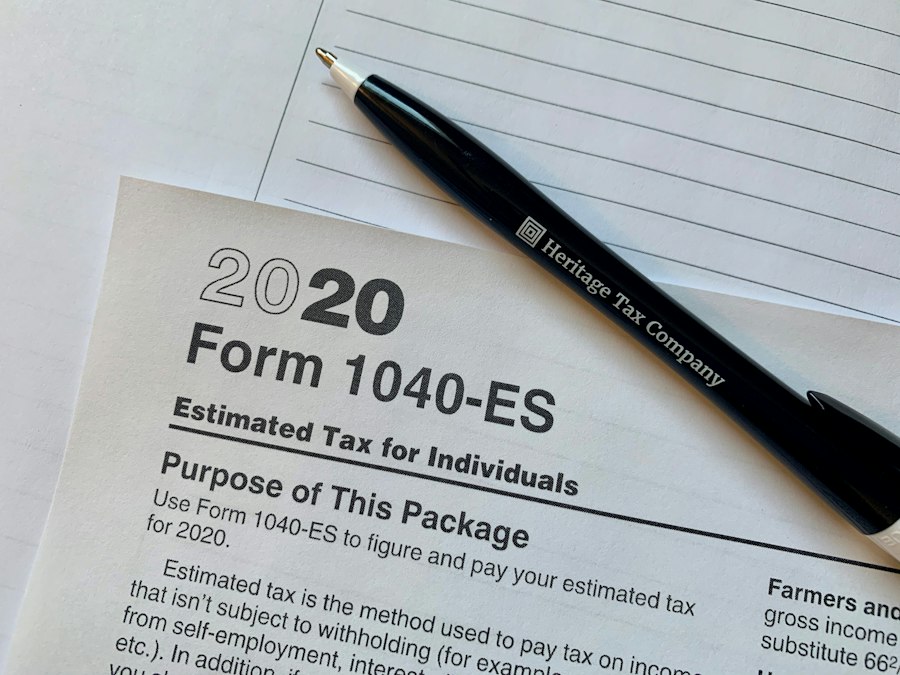
The Dependent Care FSA is an employer-sponsored benefit that allows you to set aside money from your paycheck on a pre-tax basis to pay for eligible dependent care services. Think of it as a special savings account for expenses that enable you and your spouse (if married) to work or look for work. This means that the money you contribute isn’t subject to federal and state income taxes, or Social Security and Medicare taxes. This can lead to significant savings over the course of a year.
How the Dependent Care FSA Works
Each pay period, a portion of your gross income is deducted and placed into your Dependent Care FSA. You then use this money to reimburse yourself for eligible expenses. You’ll typically need to submit claims with receipts to your employer’s FSA administrator. The key here is that you must incur the expense and submit the claim within the plan year.
Eligibility for Dependent Care FSA
To be eligible for a Dependent Care FSA, you generally must have a qualifying dependent. This typically includes:
- Your dependent child who is under age 13 when the care was provided. This age limit is important to note. If your child turns 13 during the year, the care expenses incurred after their 13th birthday are not eligible for the FSA.
- Your spouse or other qualifying relative who is physically or mentally incapable of self-care and lives with you for more than half the year. This opens up the FSA to individuals caring for elderly parents or other adult dependents with special needs, provided they meet the residency and incapacity criteria.
You and your spouse (if filing jointly) must also be employed (or actively seeking employment) during the period the care is provided. This is the “work-related” requirement – the care is necessary so you can work. This means if one spouse stays home to care for the children, you generally won’t be able to utilize the Dependent Care FSA.
Eligible Expenses for Dependent Care FSA
The types of expenses that qualify for reimbursement through a Dependent Care FSA are generally those that allow you and your spouse to work or look for work. These include:
- Daycare or nursery school fees. This is a very common use for the FSA.
- Before- and after-school programs. Many parents rely on these programs to bridge the gap between school dismissal and their own work ending.
- Nannies or au pairs. If you employ someone to care for your children in your home while you are at work, these costs can be eligible.
- Summer day camp. This is a popular option for working parents during school breaks.
- Care for an incapacitated spouse or other dependent. As mentioned, if an adult dependent requires care that enables you to work, those costs can be covered.
It’s crucial to remember that the care must be provided so that you (and your spouse, if married) can work or look for work. This means expenses for activities that are primarily for the child’s enrichment or education, such as sports lessons, tutoring, or overnight camps, are generally not eligible unless they are a necessary part of a broader childcare arrangement that allows you to work.
Contribution Limits and “Use It or Lose It”
Dependent Care FSAs have annual contribution limits set by the IRS. For 2023, the maximum you can contribute is \$5,000 per household, or \$2,500 if you are married and filing separately. This limit applies to the combined contributions of both spouses if they are both covered by separate FSAs through their employers.
A significant characteristic of FSAs, including the Dependent Care FSA, is the “use it or lose it” rule. Generally, any money remaining in your FSA at the end of the plan year is forfeited. Some employers offer a grace period of up to 2.5 months into the next year to incur expenses or allow a carryover of a limited amount of funds into the next year, but these are employer-specific benefits, not IRS mandates. You need to be diligent in estimating your expenses to avoid losing out on your hard-earned pre-tax dollars.
The Child and Dependent Care Tax Credit: A Dollar-for-Dollar Reduction

The Child and Dependent Care Tax Credit is a non-refundable tax credit that you can claim on your federal income tax return. Unlike a deduction, which reduces your taxable income, a credit directly reduces the amount of tax you owe. This means that for every dollar of credit you receive, your tax bill goes down by a dollar.
How the Child and Dependent Care Tax Credit Works
To claim this credit, you’ll typically fill out IRS Form 2441, Child and Dependent Care Expenses, and attach it to your Form 1040. The credit is calculated as a percentage of your eligible care expenses, up to a certain limit. The percentage you can claim depends on your adjusted gross income (AGI).
Eligibility for the Child and Dependent Care Tax Credit
Similar to the Dependent Care FSA, eligibility for the Child and Dependent Care Tax Credit requires you to have a qualifying individual. This includes:
- Your dependent child who was under age 13 when the care was provided and for whom you can claim an exemption on your tax return.
- Your spouse or other qualifying relative who is physically or mentally incapable of self-care and lives with you for more than half the year.
You and your spouse (if married) must also have earned income during the year. If you are married, you generally must file jointly. There are exceptions for certain situations, such as if you are legally separated or have been abandoned by your spouse. The expenses must be work-related, meaning they were incurred so you (and your spouse, if married) could work or look for work.
Eligible Expenses for the Child and Dependent Care Tax Credit
The types of expenses that qualify for the Child and Dependent Care Tax Credit are largely the same as those for the Dependent Care FSA. This includes:
- Daycare or nursery school fees.
- Before- and after-school programs.
- Nannies or au pairs.
- Summer day camp.
- Care for an incapacitated spouse or other dependent.
Again, the crucial element is that these expenses must be incurred to allow you to work or look for work.
Calculating the Child and Dependent Care Tax Credit
The amount of the credit is determined by the amount of care expenses you paid, up to a maximum amount, and a percentage based on your AGI.
- Maximum Expenses: For 2023, the maximum amount of expenses you can use to calculate the credit is \$3,000 for one qualifying individual and \$6,000 for two or more qualifying individuals.
- Credit Percentage: The percentage of your expenses that you can claim as a credit ranges from 20% to 35%, depending on your AGI. The highest percentage (35%) applies to those with AGIs of \$15,000 or less. As your AGI increases, the credit percentage decreases. For example, if your AGI is over \$43,000, the credit percentage is 20%.
It’s important to note that this credit is non-refundable. This means that if the credit amount exceeds your tax liability, you won’t receive the excess as a refund. However, it will reduce your tax liability to \$0.
Key Differences and When to Choose Which
Now that you have a solid understanding of each option, let’s highlight the most significant differences to help you decide which is best for your financial situation. The choice often boils down to your income level, your spending habits, and your employer’s offerings.
Pre-Tax vs. Tax Credit Impact
The most fundamental difference lies in how each option provides tax relief.
- Dependent Care FSA: Provides tax savings by reducing your taxable income. The dollars you contribute are removed from your gross income before taxes are calculated. This can be particularly beneficial if you are in a higher tax bracket, as the tax savings are more substantial.
- Child and Dependent Care Tax Credit: Provides a direct dollar-for-dollar reduction in your tax liability. This is essentially a refund on taxes you would otherwise owe.
Consider this: If you contribute \$5,000 to a Dependent Care FSA and are in the 22% federal tax bracket (plus state taxes), you’re saving more than just the 22%. You’re also saving on Social Security and Medicare taxes, which are typically around 7.65%. The credit, on the other hand, directly reduces your tax bill.
Contribution Limits and Expense Maximums
The limits associated with each option are a major differentiating factor.
- Dependent Care FSA: Has a maximum contribution limit of \$5,000 per household. This is a hard cap on how much you can put into the account pre-tax.
- Child and Dependent Care Tax Credit: Allows you to use up to \$3,000 for one qualifying person and \$6,000 for two or more. However, the credit itself is a percentage of these expenses, so the actual tax savings might be less than the maximum expense amount.
If your annual dependent care expenses exceed \$5,000, the FSA may not be sufficient to cover all your costs on a pre-tax basis. In such cases, the tax credit becomes more valuable for the expenses above the FSA limit.
“Use It or Lose It” vs. Tax Liability Impact
The “use it or lose it” nature of the FSA is a critical consideration.
- Dependent Care FSA: Requires careful planning and accurate expense forecasting. If you overestimate your needs or your circumstances change, you risk forfeiting unused funds.
- Child and Dependent Care Tax Credit: You only claim what you spent, and if you don’t spend all the eligible amounts, you don’t “lose” anything beyond the potential tax savings on unused expenses. The credit is claimed when you file your taxes, so you have until the tax filing deadline to accurately report your expenses.
This makes the tax credit more flexible for those whose expenses might fluctuate or are harder to predict.
When considering the best options for managing childcare expenses, many families find themselves weighing the benefits of a Dependent Care Flexible Spending Account (FSA) against the Child and Dependent Care Credit. For a deeper understanding of these financial tools and how they can impact your tax situation, you can explore a related article that provides valuable insights. This resource can help you make an informed decision about which option might be more advantageous for your family’s needs. To learn more, visit this helpful article.
Can You Use Both? Understanding the Interaction
| Feature | Dependent Care FSA | Child and Dependent Care Credit |
|---|---|---|
| Purpose | Pre-tax contributions to pay for dependent care expenses | Tax credit for a percentage of qualifying dependent care expenses |
| Contribution Limit | Up to 5000 per year (2500 if married filing separately) | No direct contribution limit; credit based on expenses up to 3000 for one child, 6000 for two or more |
| Tax Benefit Type | Reduces taxable income | Reduces tax liability dollar-for-dollar |
| Eligible Expenses | Child care, before/after school care, daycare for dependents under 13 or disabled dependents | Similar eligible expenses as FSA, including daycare and babysitting |
| Income Limits | No income limit for participation, but tax benefit depends on tax bracket | Credit percentage decreases as income increases; phases out at higher incomes |
| Use It or Lose It | Yes, funds must be used within the plan year or grace period | No, credit is claimed on tax return based on actual expenses |
| Claiming Both | Can be used together but expenses claimed cannot overlap | Expenses claimed for credit must be reduced by amount reimbursed by FSA |
| Tax Filing Requirement | Must file Form 2441 with tax return | Must file Form 2441 with tax return |
The good news is that you can, under certain circumstances, utilize both the Dependent Care FSA and the Child and Dependent Care Tax Credit. However, there’s a crucial rule you must follow: you cannot claim the same expenses for both.
The Rule of Double Dipping
The IRS prohibits you from using the same dependent care expenses to reduce your taxable income through an FSA and to receive a tax credit. This is to prevent you from getting a double tax benefit on the same dollars.
How to Maximize Both Options
The most common and effective strategy is to use the Dependent Care FSA for as much as you can, up to the annual limit of \$5,000 per household, on a pre-tax basis. Then, for any eligible dependent care expenses that exceed the \$5,000 FSA limit, you can use those additional expenses to claim the Child and Dependent Care Tax Credit on your tax return.
Let’s illustrate with an example:
Suppose your annual dependent care expenses are \$8,000.
- Dependent Care FSA: You contribute \$5,000 to your FSA on a pre-tax basis. This \$5,000 is removed from your taxable income, saving you taxes.
- Child and Dependent Care Tax Credit: You have \$3,000 in remaining eligible expenses (\$8,000 total expenses – \$5,000 used in FSA). You can then use these \$3,000 of expenses to calculate your Child and Dependent Care Tax Credit. If your AGI qualifies you for the maximum 35% credit, you would receive a credit of \$1,050 (\$3,000 x 0.35). If your AGI is higher and qualifies you for the minimum 20% credit, you would receive \$600 (\$3,000 x 0.20).
By strategically using the FSA first, you maximize your pre-tax savings, and then leverage the tax credit for any remaining eligible expenses. This integrated approach generally provides the most significant overall tax relief.
Making the Right Choice for Your Family
Deciding between, or combining, the Dependent Care FSA and the Child and Dependent Care Tax Credit requires careful consideration of your personal financial situation. There’s no single answer that fits everyone, but by understanding the intricacies of each, you can make a well-informed decision.
Factors to Consider for FSA Enrollment
When the open enrollment period for your employer’s benefits comes around, ask yourself these questions regarding the Dependent Care FSA:
- Do you have predictable and consistent dependent care expenses? The “use it or lose it” rule means you need to be confident in your estimates.
- Is your employer offering a Dependent Care FSA? This is a prerequisite to using this benefit.
- What is your marginal tax bracket? The higher your tax bracket, the more valuable the pre-tax savings of an FSA become.
- Are your expenses likely to exceed \$5,000? If so, you’ll want to plan how to utilize the credit for the excess.
If your expenses are relatively stable throughout the year and you’re comfortable estimating them, the FSA is a powerful tool for immediate tax savings.
Factors to Consider for Tax Credit Maximization
When it comes time to file your taxes, or when planning your year, consider the Child and Dependent Care Tax Credit:
- Do you have eligible dependent care expenses? This is the foundation for claiming the credit.
- What is your adjusted gross income (AGI)? This will determine the percentage of your expenses you can claim as a credit.
- Have you already utilized a Dependent Care FSA? Remember, you cannot claim the same expenses for both.
- Are your expenses higher than the FSA limit? This is where the credit becomes essential.
The tax credit offers more flexibility and is available to a broader range of taxpayers, even if they don’t have access to an employer-sponsored FSA.
Seeking Professional Advice
If you find yourself overwhelmed by the choices or have a complex financial situation, it’s always a wise decision to consult with a qualified tax professional or financial advisor. They can analyze your specific circumstances, run the numbers for different scenarios, and help you determine the optimal strategy for saving money on your dependent care costs. They can also ensure you’re meeting all IRS requirements for both the FSA and the tax credit. Remember, the goal is to reduce your overall tax burden and keep more of your hard-earned money to support your family’s needs. By carefully evaluating your options and planning ahead, you can navigate these benefits effectively and achieve significant financial relief.

The $7,500 Childcare FSA Mistake to Avoid in 2026
FAQs
What is a Dependent Care FSA?
A Dependent Care Flexible Spending Account (FSA) is a pre-tax benefit account that can be used to pay for eligible dependent care services, such as daycare, preschool, summer day camp, and before or after school programs.
How does a Dependent Care FSA differ from the Child and Dependent Care Credit?
A Dependent Care FSA allows you to set aside pre-tax dollars from your paycheck to pay for eligible dependent care expenses, while the Child and Dependent Care Credit is a tax credit that can be claimed on your federal income tax return for qualifying dependent care expenses.
Can I use both a Dependent Care FSA and the Child and Dependent Care Credit?
No, you cannot use both a Dependent Care FSA and the Child and Dependent Care Credit for the same expenses. You must choose one method to claim your dependent care expenses.
What are the advantages of using a Dependent Care FSA?
One advantage of using a Dependent Care FSA is that the contributions are made on a pre-tax basis, which can lower your taxable income and potentially save you money on taxes. Additionally, you can use the funds throughout the year as you incur eligible expenses.
Who is eligible to contribute to a Dependent Care FSA?
Generally, employees who are working and have dependent care expenses for a child under the age of 13 or a disabled spouse or dependent are eligible to contribute to a Dependent Care FSA. Employers may have specific eligibility requirements, so it’s important to check with your employer’s benefits department.