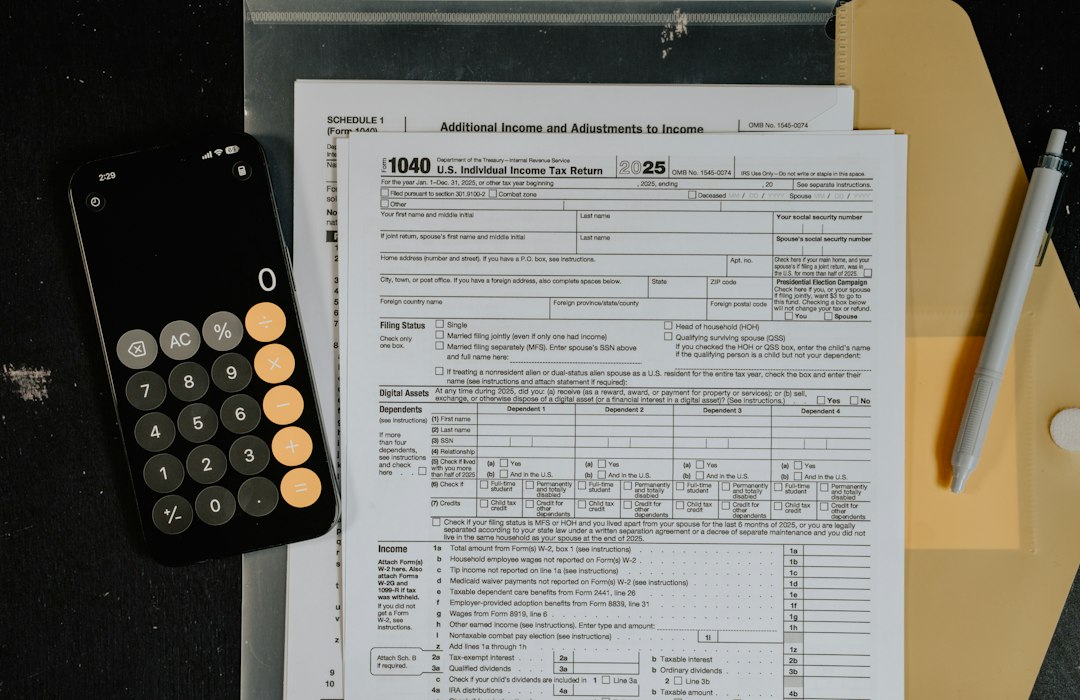
Understanding Your FSA and Daycare Expenses
You’re probably here because you’re looking to get the most out of your Flexible Spending Account (FSA) for dependent care expenses, and that’s a smart move. FSAs are fantastic tools designed to help you save money on everyday costs that might otherwise eat into your taxable income. When it comes to daycare, this means you can set aside pre-tax dollars to pay for qualified care services for your child or qualifying dependent while you (and your spouse, if filing jointly) are working, looking for work, or attending school full-time. This can lead to significant savings on your annual tax bill.
However, to successfully claim these expenses and avoid any headaches with your FSA administrator or the IRS, you need proper documentation. The cornerstone of this documentation, and the focus of our discussion, is the daycare provider’s Tax Identification Number (TIN). Without a valid TIN, your claim will likely be rejected, leaving you out of pocket for expenses you’d hoped to cover tax-free. So, understanding why this number is so crucial and how to easily verify it is paramount to a smooth FSA reimbursement process. It’s not just about submitting a receipt; it’s about providing the complete picture that satisfies the requirements of the program. This article will guide you through the process, making it as straightforward as possible, so you can confidently manage your FSA funds for your childcare needs.
If you’re looking to verify a daycare provider’s tax ID for your Flexible Spending Account (FSA) claims, it’s essential to ensure that the information is accurate to avoid any complications with reimbursements. A helpful resource on this topic can be found in the article titled “How to Verify Daycare Provider Tax ID for FSA,” which provides step-by-step guidance on the verification process. For more detailed information, you can visit the article here: How to Verify Daycare Provider Tax ID for FSA.
The Importance of the Provider’s Tax ID for FSA Claims
Your FSA administrator, much like the IRS, needs to ensure that the expenses you’re claiming are legitimate and that the provider you’re paying is a real entity operating within legal and tax frameworks. The Tax Identification Number serves as that crucial piece of verification. It’s a unique identifier assigned by the IRS to businesses and other entities for tax purposes. When you’re submitting a claim for dependent care services, you’re essentially declaring that you paid a specific amount to a specific provider for a specific service that meets the IRS’s criteria for a dependent care FSA. The TIN on your claim form connects that payment to a verifiable entity.
Why the IRS Requires a Provider TIN
The Internal Revenue Service mandates the collection of dependent care provider information, including their TIN, to prevent fraud and ensure that the tax benefits associated with these expenses are not being misused. Think of it as a way to track the flow of money and ensure accountability. When you report your dependent care expenses on your tax return (using Form 2441, Child and Dependent Care Expenses, if applicable), you are required to provide the name, address, and TIN of the care provider. Your FSA administrator is essentially following the same principles when processing your claims. They need this information to comply with IRS regulations and to maintain accurate records.
How Your FSA Administrator Uses the TIN
Your FSA administrator acts as an intermediary. They disburse funds from your pre-tax contributions to you or directly to your provider. To do this responsibly and in compliance with regulations, they need to verify the legitimacy of the service provider. The TIN is their primary tool for this verification. When you submit a claim, the administrator will cross-reference the TIN you provide with their internal records and, if necessary, with external databases to confirm it’s a valid number associated with a real business or individual providing childcare services. A missing or incorrect TIN can lead to delays, requests for additional documentation, or outright denial of your claim, meaning you’ll have to pay for the care out-of-pocket and then seek reimbursement from your FSA.
Consequences of Not Having a Valid TIN
The consequences of not having a valid TIN for your daycare provider can range from minor inconveniences to more significant financial repercussions. At best, your FSA administrator will likely reject your claim and ask you to resubmit it with the correct information. This can cause a delay in getting reimbursed, which might impact your household budget. At worst, if you repeatedly fail to provide the correct information or if there’s suspicion of fraudulent claims, your FSA could be suspended, or you might face scrutiny from the IRS. It’s crucial to get this right from the start to ensure you can access your FSA funds without issue.
Identifying Your Daycare Provider’s Tax ID

So, how do you actually get this elusive Tax ID number from your daycare provider? It’s usually not something they’re secretive about, but you need to know where to ask and what to look for. The TIN can come in a couple of forms, depending on whether the provider is an individual or a business entity. Understanding these distinctions will help you effectively request and understand the information they provide.
Different Types of Tax Identification Numbers
The most common types of TINs you’ll encounter in this context are the Social Security Number (SSN) and the Employer Identification Number (EIN).
- Social Security Number (SSN): If your daycare provider is an individual operating as a sole proprietor or an independent contractor (e.g., a home-based daycare provider who is not incorporated), they will typically use their SSN as their TIN.
- Employer Identification Number (EIN): If the daycare is a business entity, such as a corporation, partnership, or LLC, it will have its own EIN, which is like an SSN for businesses. This is generally preferred as it doesn’t require you to have the individual’s personal SSN.
Where to Find the TIN on Provider Documents
The best place to find the TIN is directly on the documents provided by your daycare provider. Reputable providers will readily supply this information.
- Invoices and Billing Statements: Most daycare centers and professional home-based providers will include their TIN on their invoices or billing statements. Look for a field labeled “TIN,” “Tax ID,” “EIN,” or “SSN.” This is usually at the top of the invoice, along with their business name and address.
- Enrollment Forms and Contracts: When you initially enroll your child, the daycare provider will likely have you fill out various forms. Their TIN should be included on these enrollment agreements, contracts, or provider information sheets. Review these documents carefully.
- Provider Information Sheet: Some providers maintain a separate information sheet that details their services, rates, and necessary tax identification details for reimbursement purposes.
How to Politely Request the TIN
If the TIN isn’t immediately apparent on the documents you’ve received, don’t hesitate to ask. A direct and polite request is usually all it takes.
- When Enrolling: When you’re signing up or during the initial onboarding process, ask for their Tax ID number for FSA reimbursement purposes. This is a common request, so they should be prepared to provide it.
- During the Billing Cycle: If you haven’t received it on invoices, simply call or email the daycare administrator or the owner and explain that you need their Tax ID for your FSA claim. You can say something like, “Hello, I’m looking to submit a claim for my child’s daycare expenses through my Flexible Spending Account. Could you please provide me with your Tax ID number so I can complete my reimbursement request?”
Verifying the Daycare Provider’s TIN Easily
Once you have the Tax ID number, the next crucial step is to verify its validity. This might sound daunting, but there are straightforward ways to do it, and your FSA administrator will likely do some of this verification themselves. However, proactively checking can save you time and prevent future issues.
The FSA Administrator’s Role in Verification
Your FSA administrator is your first line of defense in ensuring the TIN is valid. When you submit a claim, they will typically perform a check to see if the TIN provided is active and associated with a legitimate entity. This might involve cross-referencing with IRS databases or using third-party verification services. If they find an issue, they will notify you. However, it’s wise to have some understanding of how to do this yourself, as their verification process might not catch every nuance, or you might want to confirm before submitting.
How to Verify an EIN Online (IRS Website)
The IRS provides a way to check the validity of an EIN.
- Navigate to the IRS EIN Verification Page: While the IRS doesn’t offer a public lookup tool to confirm a specific EIN belongs to a specific entity (due to privacy reasons), they do have information on how EINs are issued and the types of entities that receive them. You can also find resources that explain what to do if you suspect an EIN is fraudulent. For direct verification, you’ll often rely on the information provided by your provider and your FSA administrator’s checks. However, if you have doubts, you can contact the IRS directly with specific concerns, though this is usually a last resort.
- What to Look For: When you’re given an EIN, it should be a nine-digit number formatted as XX-XXXXXXX. If the number you’re given doesn’t fit this format, it’s likely incorrect.
How to Verify an SSN (Limited Public Options)
Verifying an individual’s SSN is much more restricted due to privacy laws. You generally cannot publicly verify an SSN online.
- Reliance on Provider Disclosure: In this situation, you are largely relying on the provider to give you their correct SSN and for your FSA administrator to perform their due diligence.
- What to Look For: An SSN is a nine-digit number formatted as XXX-XX-XXXX. If the number provided doesn’t match this format, it’s incorrect.
- Red Flags: Be wary if a provider is reluctant to provide their SSN or seems unsure about it, especially if they are operating as an individual.
Using the Provider’s Business Information for Cross-Referencing
Beyond the TIN itself, you can use other information the provider gives you to cross-reference and build confidence in their legitimacy.
- Business Name and Address: Does the business name and address on the invoice or contract match what the provider gives you for their TIN? Inconsistencies here are a major red flag.
- Licensing and Accreditation: For licensed daycare centers or registered home-based providers, you can often verify their license status with your state or local child care licensing agency. While not a direct TIN verification, it confirms the legitimacy of the business itself. Many states have online databases for this.
When navigating the complexities of Flexible Spending Accounts (FSAs), it’s essential to ensure that your daycare provider’s tax ID is verified to maximize your benefits. For a comprehensive guide on this topic, you can refer to a related article that outlines the steps involved in the verification process. This resource can help you understand the necessary documentation and provide clarity on how to properly submit your claims. To explore more about this topic, visit this informative article on verifying daycare provider tax IDs.
Streamlining the Daycare Provider TIN Process for FSA Claims
| Step | Action | Details | Resources |
|---|---|---|---|
| 1 | Obtain Provider’s Tax ID | Request the daycare provider’s Employer Identification Number (EIN) or Social Security Number (SSN) used for tax purposes. | Provider’s W-9 form or invoice |
| 2 | Verify Tax ID Format | Ensure the Tax ID follows the correct format: EIN (XX-XXXXXXX) or SSN (XXX-XX-XXXX). | IRS guidelines on Tax ID formats |
| 3 | Cross-Check with IRS | Use IRS TIN Matching Program or contact IRS to verify the Tax ID matches the provider’s name. | IRS TIN Matching Program (for authorized users) |
| 4 | Confirm Eligibility for FSA | Verify that the provider is a legitimate daycare facility eligible for FSA dependent care expenses. | FSA plan documents, IRS Publication 503 |
| 5 | Request Documentation | Obtain receipts or statements from the provider including their Tax ID for FSA reimbursement claims. | Provider invoices, receipts |
| 6 | Submit for FSA Reimbursement | Include verified Tax ID on FSA claim forms to ensure proper processing. | FSA claim submission portal or forms |
Making the process of obtaining and verifying the Tax ID number as smooth as possible is key to hassle-free FSA claims. A little preparation and clear communication can save you a lot of time and effort down the line. Think of this as setting yourself up for success from the outset of your childcare arrangement.
Best Practices When Engaging a New Daycare Provider
When you’re first looking for childcare, integrating the Tax ID inquiry into your selection process is the most efficient approach.
- Inquire Early in the Selection Process: Before you commit to a daycare, ask about their Tax ID number. This is a standard piece of information you should be requesting, alongside their rates, hours, and safety protocols. A provider who is unwilling or unable to provide this information should be a significant red flag.
- Request a W-9 Form: For tax purposes, a provider who is an individual operating as a sole proprietor or independent contractor may be asked to fill out a W-9 form (Request for Taxpayer Identification Number and Certification). This form is specifically designed to collect your TIN (either SSN or EIN) and other identifying information. Asking for a W-9 can preemptively ensure you get the correct documentation. However, note that formal daycare centers or larger organizations typically won’t provide W-9s as they have their own EINs and reporting mechanisms. They will provide their EIN on invoices or other official documents.
- Confirm TIN Format and Completeness: Once you receive the TIN, take a moment to ensure it’s in the correct format (SSN or EIN) and that all digits are present. A quick glance can prevent an immediate rejection of your claim.
Maintaining Records for FSA Reimbursement
Good record-keeping is fundamental to any FSA claim. This extends to ensuring you have all the necessary documentation for your daycare expenses, including the TIN.
- Create a Dedicated FSA Folder: Keep a physical or digital folder specifically for your FSA documentation. This should include copies of all invoices, receipts, and any forms related to your dependent care expenses.
- Organize by Month or Service Period: Within your folder, organize your documents chronologically, usually by month or by the period the service was rendered. This makes it easier to locate specific invoices when you need to submit a claim.
- Digital Scans and Photos: If you’re going digital, take clear scans or photos of all your documents. Ensure the provider’s name, date of service, amount paid, and the Tax ID number are all legible in the image. Many FSA administrators have mobile apps that allow you to upload these documents directly.
When to Seek Help from Your FSA Administrator
Don’t hesitate to reach out to your FSA administrator if you encounter any difficulties. They are there to help you navigate the claims process.
- Uncertainty About TIN Validity: If you have doubts about the validity of a TIN, or if your claim is rejected due to a TIN issue, contact your administrator immediately. They can often provide guidance on how to resolve the problem.
- Specific Documentation Requirements: Each FSA administrator might have slightly different documentation requirements. If you’re unsure about what specific information they need, ask them directly. They can clarify whether an invoice is sufficient or if they require additional proof.
- Questions About Qualified Expenses: While this article focuses on the TIN, remember that the underlying expense must be qualified. If you’re unsure whether your specific childcare arrangement qualifies, your administrator can help clarify this as well.
Navigating Potential TIN-Related Challenges with Your FSA
Despite your best efforts, you might occasionally run into challenges related to the daycare provider’s Tax ID. Understanding these potential hurdles and how to address them can save you a great deal of stress. It’s about being prepared and knowing your recourse.
Common Reasons for TIN Rejection
Several common issues can lead to your FSA claim being rejected due to TIN problems.
- Incorrectly Entered TIN: This is perhaps the most frequent reason. A simple typo when entering the number into your claim form can cause it to be flagged. Double-check and triple-check the digits.
- Outdated or Invalid TIN: The provider might have an old TIN, or in rare cases, the TIN might have been invalidated by the IRS. This is more likely with smaller, independent providers who may not keep up with their tax obligations as diligently as larger institutions.
- Missing TIN: Forgetting to include the TIN altogether is an obvious reason for rejection.
- Inconsistent Information: The TIN provided might not match the name or address of the provider listed on the invoice or other documentation.
What to Do If Your Claim is Rejected Due to a TIN Issue
If your claim is rejected, don’t panic. Follow these steps to rectify the situation.
- Review the Rejection Notice Carefully: Understand exactly why your claim was rejected. The notice from your FSA administrator should specify the issue, often stating “Missing or Invalid Tax ID” or something similar.
- Contact Your Daycare Provider Immediately: Reach out to your daycare provider and explain that your FSA claim was rejected due to their Tax ID. Ask them to confirm the correct TIN and provide you with an updated invoice or a separate statement with the correct information. Emphasize the urgency.
- Correct and Resubmit Your Claim: Once you have the correct TIN and updated documentation, correct your claim form and resubmit it. Make sure to include any additional documentation requested by your administrator.
- Document All Communication: Keep records of all emails and phone calls with your daycare provider and your FSA administrator regarding the issue. This documentation can be helpful if further disputes arise.
Proactive Steps to Minimize Future TIN Issues
While you can’t control everything, you can implement strategies to minimize the likelihood of encountering TIN-related problems in the future.
- Annual TIN Confirmation: Make it a practice to confirm your daycare provider’s Tax ID number at least once a year, perhaps at the beginning of each tax year or when you re-enroll your child. This ensures you’re working with the most current information.
- Build a Strong Relationship with Your Provider: A good working relationship with your daycare provider makes communication easier, especially when you need specific documentation. They are more likely to assist you promptly if you’ve been a consistent and cooperative client.
- Understand Your FSA’s Specific Rules: Familiarize yourself with your FSA’s specific rules and regulations regarding documentation. Some FSAs might have slightly different requirements or preferred methods of verification. Your FSA plan documents or administrator’s website are good resources for this.
By following these guidelines, you can confidently manage your dependent care FSA claims, ensuring you receive the maximum benefit with minimal administrative hassle. The key is diligence, clear communication, and proactive record-keeping.

The $7,500 Childcare FSA Mistake to Avoid in 2026
FAQs
1. How can I verify a daycare provider’s tax ID for FSA purposes?
To verify a daycare provider’s tax ID for FSA (Flexible Spending Account) purposes, you can request the provider’s Employer Identification Number (EIN) directly from them. You can also check any official documents or forms provided by the daycare, such as invoices or receipts, where the EIN may be listed.
2. Is it necessary to verify a daycare provider’s tax ID for FSA reimbursement?
Yes, it is important to verify a daycare provider’s tax ID for FSA reimbursement to ensure that the expenses are eligible for reimbursement under the FSA guidelines. Providing the correct tax ID helps in accurately processing the reimbursement and complying with IRS regulations.
3. Can I verify a daycare provider’s tax ID online?
While some online resources may provide information on verifying tax IDs, the most reliable way to verify a daycare provider’s tax ID for FSA purposes is to directly request the information from the provider. This ensures that you have the most accurate and up-to-date information for your FSA reimbursement.
4. What should I do if a daycare provider refuses to provide their tax ID for FSA verification?
If a daycare provider refuses to provide their tax ID for FSA verification, you may need to consider alternative daycare options that are willing to comply with the FSA reimbursement process. It is important to have the necessary documentation to support your FSA claims and ensure compliance with IRS regulations.
5. Are there any consequences for using an incorrect tax ID for FSA reimbursement?
Using an incorrect tax ID for FSA reimbursement can lead to delays in processing your reimbursement or even result in the denial of your claim. It is essential to verify the accuracy of the tax ID provided by the daycare provider to avoid any potential issues with your FSA reimbursement.