
You’re staring at your investment portfolio, and the numbers are red. Not just a little red, but deeply, alarmingly red. The market is plummeting, and your carefully cultivated nest egg seems to be shrinking by the minute. In moments like these, the urge to act – to sell everything, to salvage what you can, to escape the perceived doom – can be overwhelming. This is the siren song of panic. But as an investor, your greatest asset isn’t just your capital; it’s your composure. Making rash decisions during market downturns is one of the surest ways to sabotage your long-term financial goals. This article will guide you through understanding why panic is your enemy, how to build a resilient investment strategy that weathers storms, and the practical steps you can take to avoid impulsive portfolio changes when the market feels like it’s collapsing.
Understanding the Psychology of Panic Investing
It’s natural to feel fear when your financial future appears threatened. The human brain is wired for survival, and when faced with perceived danger, our fight-or-flight instincts kick in. In the context of investing, this often translates to “flight” – selling off assets to escape the perceived immediate threat. However, the stock market, while volatile, operates on different principles than a predator in the wild.
The Fight-or-Flight Response and Your Portfolio
When you see your investments decline, your amygdala, the part of your brain responsible for processing emotions like fear, becomes highly active. This triggers a cascade of physiological and psychological responses. Your heart rate increases, you might feel a sense of dread, and your cognitive abilities can become impaired. You’re no longer thinking rationally about long-term growth; you’re reacting to a perceived immediate threat. This emotional hijacking can lead you to believe that selling now is the only way to prevent total financial ruin, even if historical data suggests otherwise.
The Illusion of Control
During a market downturn, you might feel a desperate need to regain control. Selling your investments offers a tangible, albeit often detrimental, sense of control. You’re making a decision, taking action, and physically removing yourself from the source of your anxiety. However, this is an illusion. By selling low, you’re locking in losses and forfeiting the opportunity for recovery. True control in investing comes from having a well-defined strategy, understanding market cycles, and sticking to your plan, even when it’s uncomfortable.
The Herd Mentality
Another powerful psychological driver during market declines is the herd mentality. When you see friends, family, or news reports filled with stories of people selling, it can feel like the only sensible thing to do. You don’t want to be the last one holding the bag, after all. This social proof, however, can amplify panic. The collective fear can lead to a downward spiral, where selling begets more selling, pushing prices even lower. Remember that successful investing often requires thinking independently and resisting the urge to follow the crowd.
When navigating the turbulent waters of stock market declines, it’s crucial to maintain a steady hand and avoid making impulsive portfolio changes. A related article that offers valuable insights on this topic is available at How Wealth Grows. This resource emphasizes the importance of a long-term investment strategy and provides practical tips for managing emotions during market volatility, helping investors stay focused on their financial goals rather than reacting to short-term fluctuations.
Building a Resilient Investment Strategy for Market Volatility

The best defense against panic during stock declines is a strong offense – a well-constructed investment strategy designed to withstand the inevitable ups and downs of the market. This isn’t about predicting the future; it’s about preparing for it. A resilient strategy is built on foundational principles that have stood the test of time.
Diversification: Your Portfolio’s Safety Net
Diversification is the cornerstone of a resilient investment portfolio. It means spreading your investments across different asset classes, industries, and geographical regions. The goal is to ensure that if one part of your portfolio is performing poorly, other parts may be performing well, cushioning the overall impact of any single downturn.
Across Asset Classes
This involves investing in a mix of stocks, bonds, real estate, and potentially commodities or alternative investments. Stocks are generally considered higher risk and higher reward, while bonds tend to be more conservative and provide income. Real estate can offer both income and appreciation. By not putting all your eggs in one basket, you reduce your exposure to any one market’s specific risks.
Within Asset Classes
Even within stocks, diversification is crucial. You should invest in companies of different sizes (large-cap, mid-cap, small-cap), in various sectors (technology, healthcare, consumer staples, energy), and in different countries. For example, if technology stocks are taking a hit, your investments in healthcare or consumer staples might remain stable or even grow.
Long-Term Perspective: Time in the Market vs. Timing the Market
One of the most critical concepts for avoiding panic is understanding the difference between “time in the market” and “timing the market.” Trying to predict when the market will rise or fall is notoriously difficult, even for seasoned professionals. Numerous studies have shown that investors who try to time the market often underperform those who simply stay invested for the long haul.
The Power of Compounding
Over extended periods, the power of compounding can work wonders. This is where your investment earnings begin to generate their own earnings, leading to exponential growth. Market downturns, while painful in the short term, are often temporary. By staying invested, you allow your portfolio to participate in the subsequent recoveries and benefit from compounding over many years.
Historical Market Performance
History consistently shows that despite periods of significant decline, the stock market has always recovered and trended upward over the long term. Recessions and corrections are part of the economic cycle. Investors who sell during these dips miss out on the subsequent rallies, which can often be quite strong.
Setting Realistic Goals and Risk Tolerance
Before you even invest a dollar, you need to have a clear understanding of your financial goals and your personal risk tolerance. This foundational work will serve as your compass during turbulent times.
Defining Your Financial Objectives
Are you investing for retirement in 30 years? A down payment on a house in five years? The purpose of your investment dictates your time horizon and, therefore, your acceptable level of risk. Shorter-term goals generally require a more conservative approach, while longer-term goals allow for more aggressive investing.
Assessing Your Comfort with Risk
Your risk tolerance is your emotional and financial capacity to withstand potential losses. Some people can sleep soundly even if their portfolio drops 20%, while others experience significant anxiety with even a 5% decline. Be honest with yourself about what level of volatility you can comfortably endure. This will inform your asset allocation and help you avoid making rash decisions based on fear.
Recognizing Market Declines as Opportunities, Not Catastrophes
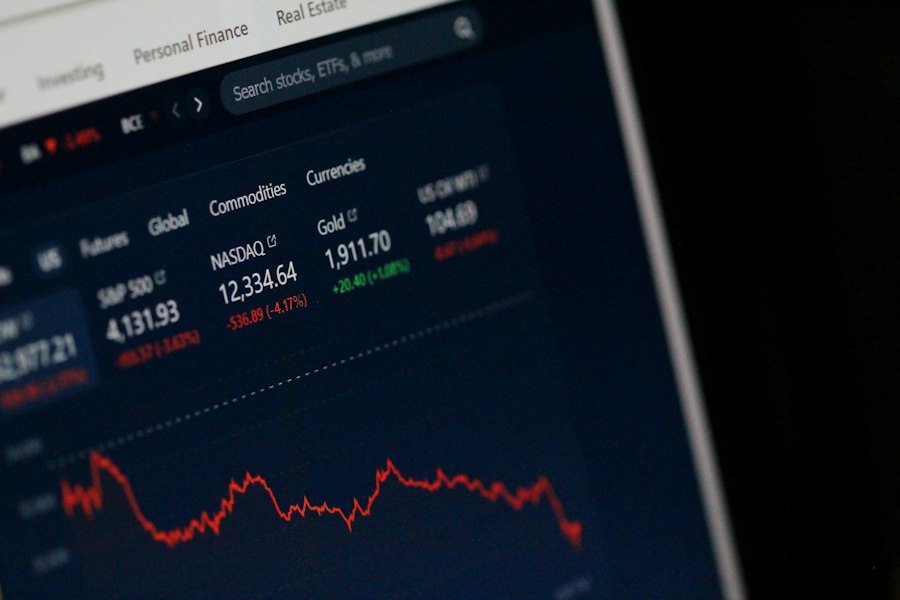
It’s easy to view stock market declines as purely negative events. However, from a long-term investor’s perspective, these periods can present unique opportunities to enhance your portfolio’s future performance. Shifting your mindset from fear to strategic opportunism is key.
Buying Opportunities: Stocks on Sale
When the market falls, the prices of fundamentally sound companies can drop significantly, making them available at a discount. This is like finding high-quality goods on sale. If you have a long-term investment horizon and believe in the future prospects of certain companies or sectors, a market downturn can be an excellent time to acquire more shares at a lower cost basis.
Dollar-Cost Averaging in Action
Dollar-cost averaging is a strategy where you invest a fixed amount of money at regular intervals, regardless of the market’s fluctuations. During a downturn, this strategy automatically means you’re buying more shares when prices are low. This can significantly lower your average cost per share over time, leading to potentially higher returns when the market recovers.
Rebalancing Your Portfolio
Market declines can also disrupt your desired asset allocation. For instance, if stocks fall sharply, your portfolio might become underweight in stocks and overweight in bonds. Rebalancing involves selling some of your better-performing assets (like bonds, in this example) to buy more of your underperforming assets (stocks) to bring your portfolio back to its target allocation. This process inherently involves buying low and selling high, a core principle of smart investing.
The Importance of Due Diligence During Downturns
While market declines can offer opportunities, it’s crucial to remember that not all falling stocks are bargains. It’s vital to conduct thorough research and due diligence before making any investment decisions, especially during times of market stress.
Assessing Company Fundamentals
Instead of reacting to headlines, focus on the underlying health of companies. Look at their balance sheets, earnings reports, debt levels, and competitive advantages. A company with strong fundamentals that is simply caught in a broad market sell-off might be a good opportunity. Conversely, a company already struggling with fundamental issues might continue to decline, even after a market bounce.
Understanding Sector-Specific Risks
Sometimes, market declines are driven by specific factors affecting certain industries. For example, a surge in oil prices might negatively impact airline stocks, while a new regulation could affect pharmaceutical companies. Understanding these sector-specific drivers will help you distinguish between a temporary market blip and a more significant, company-specific problem.
Strategies to Mitigate Impulsive Portfolio Changes
Once you understand the psychology and strategy, the next step is to implement practical measures to prevent yourself from making those dreaded panic-driven changes. These strategies focus on creating barriers between your emotions and your investment decisions.
Establishing an Emergency Fund: Your Financial Shock Absorber
A robust emergency fund is the first line of defense against having to sell investments during a market downturn. This fund, kept in a readily accessible savings account, should cover 3-6 months (or more, depending on your circumstances) of essential living expenses.
Protecting Your Investments from Short-Term Needs
When you have an emergency fund, unexpected expenses like job loss, medical bills, or car repairs don’t force you to liquidate your investment portfolio at a loss. This allows your investments to continue their long-term trajectory without being derailed by short-term financial pressures.
Reducing Financial Stress
Knowing you have a safety net significantly reduces overall financial stress. This peace of mind can make it easier to approach market volatility with a calmer, more rational mindset, as you’re not solely reliant on your investments for immediate cash needs.
Automating Your Investments: Removing the Emotional Element
Automation is a powerful tool for consistent investing and can help buffer against emotional decision-making. By setting up automatic transfers and investments, you remove the need for manual intervention that can be influenced by market sentiment.
Consistent Contributions Through Dollar-Cost Averaging
As mentioned earlier, automating your contributions ensures you’re consistently investing, which naturally leads to dollar-cost averaging. This takes the decision-making out of your hands on a day-to-day basis, ensuring you’re investing through all market conditions, including downturns.
Automated Rebalancing (If Applicable)
Some investment platforms offer automated rebalancing features. This means your portfolio will automatically adjust to maintain your desired asset allocation at predetermined intervals or when certain thresholds are breached. This removes the temptation to manually tinker with your portfolio when emotions are running high.
Seeking Professional Advice: An Objective Perspective
When the market is volatile and your emotions are strong, it can be incredibly beneficial to have a trusted financial advisor to guide you. Professionals are trained to remain objective and can provide invaluable perspective.
A Trusted Sounding Board
An advisor can act as a rational sounding board for your concerns. They can help you understand market movements in the context of your long-term plan and reinforce the importance of sticking to your strategy. They can also help identify whether your concerns are valid or driven by fear.
Tailored Guidance
A good advisor will have a deep understanding of your financial goals, risk tolerance, and investment horizon. They can provide personalized advice that aligns with your unique situation, helping you make informed decisions rather than reactive ones. They can also help you construct a portfolio that is inherently designed to weather market fluctuations.
During times of market volatility, it is crucial for investors to remain calm and avoid making impulsive decisions regarding their portfolios. A related article highlights effective strategies for maintaining composure during stock declines, emphasizing the importance of a well-thought-out investment plan. By focusing on long-term goals and understanding market cycles, investors can navigate turbulent times without succumbing to panic. For more insights on this topic, you can read the full article on how to manage your investments effectively at How Wealth Grows.
The Long Game: Maintaining Discipline Through Market Cycles
| Metric | Description | Recommended Value/Range | Purpose |
|---|---|---|---|
| Portfolio Diversification | Number of different asset classes or sectors held | 5+ asset classes | Reduces risk and volatility during market declines |
| Maximum Drawdown | Largest peak-to-trough decline in portfolio value (%) | Typically 10-20% | Helps set expectations and avoid panic selling |
| Rebalancing Frequency | How often the portfolio is adjusted to target allocations | Quarterly or semi-annually | Maintains risk profile and prevents emotional decisions |
| Cash Reserve Percentage | Portion of portfolio held in cash or equivalents | 5-10% | Provides liquidity and reduces need to sell during declines |
| Volatility Tolerance | Investor’s comfort level with portfolio fluctuations (%) | Varies by individual; typically 10-15% | Aligns portfolio risk with investor psychology |
| Stop-Loss Usage | Percentage of portfolio with stop-loss orders | Generally low or none recommended | Avoids forced selling during temporary declines |
| Investment Time Horizon | Length of time investor plans to hold investments | 5+ years | Encourages long-term perspective to reduce panic |
Investing is not a sprint; it’s a marathon. Successful investors understand that market cycles are a normal part of the investing landscape and that discipline is the key to navigating them successfully.
Learning from Past Market Events
History provides a wealth of data on market cycles, including periods of significant decline followed by robust recoveries. Studying these past events can help you contextualize current downturns. You can see that volatility is not new, and that markets have consistently recovered. This historical perspective can foster a sense of calm and encourage a long-term outlook.
Understanding Recoveries
Just as important as understanding declines is understanding how markets recover. These recoveries can sometimes be swift and powerful. Investors who panic sell during a dip often miss out on these crucial rebound phases, significantly impacting their overall returns. By staying invested, you ensure you’re positioned to benefit from these upward movements.
The Cost of Missed Opportunities
When you make rash portfolio changes during a market decline, the cost is often far greater than the perceived immediate benefit. You lock in losses, incur trading fees, and potentially miss out on significant future gains. This is often referred to as “opportunity cost.”
The “What If” Factor
After a market crash, it’s common to see headlines about how much investors could have made if they had stayed invested or reinvested during the downturn. This “what if” factor is a stark reminder of the financial repercussions of emotional decision-making.
Cultivating Patience and Fortitude
Ultimately, smart investing during market declines comes down to cultivating patience and fortitude. This means trusting your plan, understanding that market fluctuations are temporary, and having the mental strength to resist the urge to act impulsively.
The Reward of Steadfastness
The investors who achieve long-term financial success are often those who demonstrate unwavering discipline. They understand that enduring short-term discomfort is often the price of admission for long-term financial prosperity. By sticking to your well-thought-out investment strategy, you are setting yourself up for a more secure and prosperous financial future. Remember, the market rewards those who can weather the storms.

The 4% Retirement Mistake That’s Secretly Costing You Thousands
FAQs
What are panic portfolio changes?
Panic portfolio changes refer to making hasty and emotional decisions to sell off investments during a stock market decline due to fear and anxiety.
Why should I avoid panic portfolio changes during stock declines?
It is important to avoid panic portfolio changes during stock declines because selling investments in a panic can lock in losses and prevent you from benefiting from potential market recoveries.
How can I avoid making panic portfolio changes during stock declines?
To avoid making panic portfolio changes during stock declines, it is recommended to have a well-thought-out investment plan in place, diversify your portfolio, and focus on long-term goals rather than short-term market fluctuations.
What are some strategies to stay calm during stock market declines?
Some strategies to stay calm during stock market declines include staying informed but not obsessing over daily market movements, focusing on the long-term performance of your investments, and seeking advice from a financial advisor.
What are the potential consequences of panic portfolio changes during stock declines?
The potential consequences of panic portfolio changes during stock declines include missing out on potential market recoveries, incurring unnecessary losses, and disrupting your long-term investment strategy.