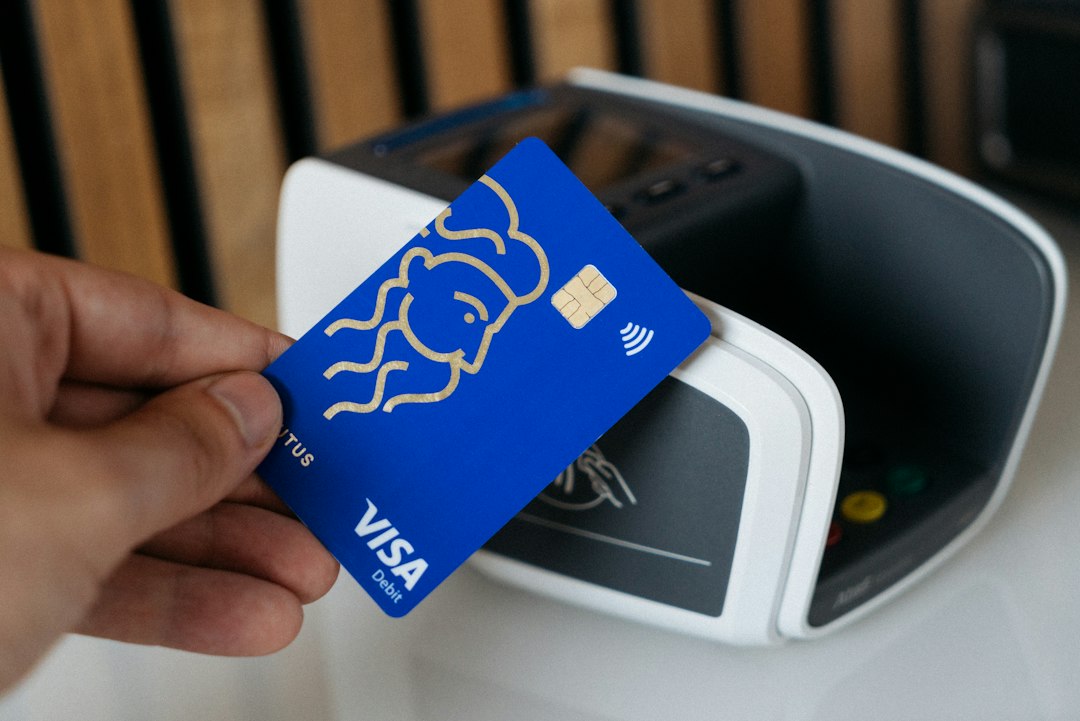
You’re at the gas station, filling up your tank. You swipe your debit card, punch in your PIN, and the pump starts dispensing fuel. Later, you check your bank balance and notice a larger amount than you expected is “pending.” Or perhaps you’ve made a hotel reservation and see a significant sum held by the establishment, even though your actual bill is much lower. This can be confusing, even alarming, but it’s a common and usually temporary phenomenon: a debit card hold. Understanding these holds is crucial to managing your money effectively and avoiding unnecessary stress. They aren’t the final charge; they’re a temporary authorization, a pre-claim on funds that might or might not materialize as your final transaction.
The Mechanics of a Debit Card Hold
When you use your debit card, especially for purchases where the final amount isn’t immediately known, the merchant’s payment processor initiates an authorization request with your bank. This request is essentially a pre-approval to charge a specific amount. Your bank then checks if you have sufficient funds to cover that amount and, if so, places a temporary hold on those funds. This hold is not a deduction from your account; it’s a reservation. The money is still technically yours, but it’s earmarked and unavailable for other transactions. This process is designed to protect both you and the merchant. For you, it ensures you don’t accidentally overspend beyond what you’ve authorized. For the merchant, it’s a safeguard against fraudulent transactions and ensures they’ll be able to collect payment for the goods or services provided.
Why the Amount Might Differ from Your Actual Spending
The most frequent cause of confusion with debit card holds is when the authorized amount differs from your final bill. This is particularly common in situations where services are rendered or goods are consumed over a period, and the exact cost isn’t fixed at the outset. Think about renting a car. You’ll likely see a hold for the estimated cost of the rental plus a buffer for potential damages, fuel charges, or late returns. Similarly, hotels often place a hold to cover the room rate, taxes, and anticipated incidentals like mini-bar purchases or room service. Even at a restaurant, a gratuity might not be factored into the initial swipe, leading to a discrepancy when the final bill, including tip, is processed.
The Role of Your Bank and the Merchant
Your bank’s role in this process is to verify your available balance and approve or deny the authorization request. Once approved, they segregate the requested funds, making them inaccessible until the hold is released or the transaction is finalized. The merchant’s role is to initiate the authorization and then, once the final transaction amount is determined, to submit a clearing request to your bank for the actual amount. This clearing request will either be for the originally authorized amount or, more commonly, for the final, adjusted amount. The timing of these requests and the procedures followed by different payment networks and banks can influence how quickly holds are resolved.
When using a debit card, it’s important to understand that a hold placed on your account may not reflect the final charge amount. This can lead to confusion, especially when budgeting for expenses. For more insights on this topic, you can read a related article that explains how debit card holds work and what you should be aware of when making purchases. Check it out here: Understanding Debit Card Holds.
Common Scenarios Triggering Debit Card Holds
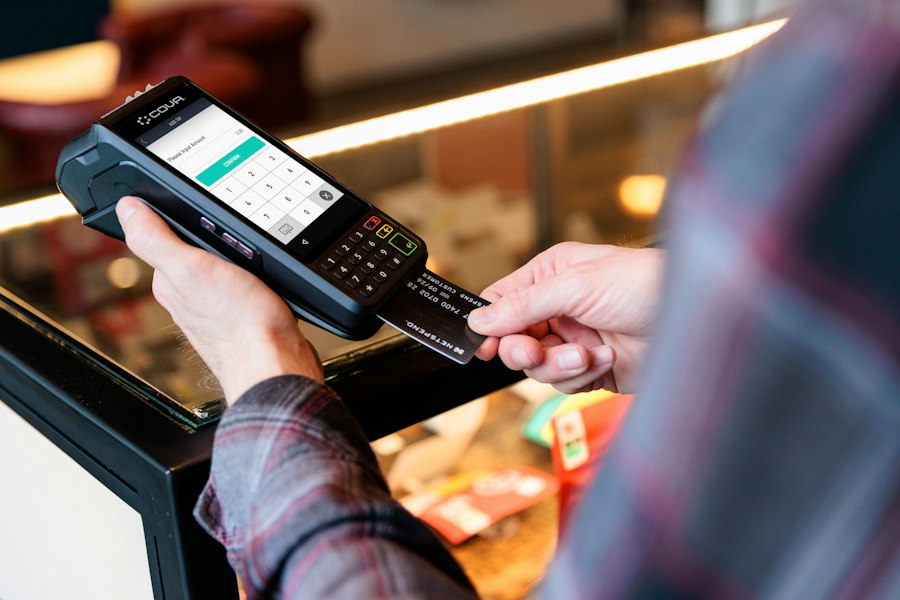
Several everyday transactions are known to trigger debit card holds, and understanding these specific situations can help you anticipate them. These holds are often standard practice for businesses to mitigate risk and ensure smooth operations, but they can still catch you off guard if you’re not aware of them.
Gas Stations and the Mystery Hold
One of the most ubiquitous examples of a debit card hold is at the gas pump. You swipe your card, and the pump displays a maximum transaction limit, often $75 or $100, regardless of how much you actually pump. This is because the gas station’s system needs to pre-authorize a certain amount before you start fueling. They don’t know precisely how much gas you’ll purchase, so they request an estimated maximum. Your bank then places a hold for that pre-determined amount. Once you finish pumping, the gas station submits a request for the actual amount dispensed, and your bank releases the original hold and replaces it with the correct charge. The hold can sometimes remain for a day or two after the transaction, which can be a source of confusion if you’re not expecting it.
Hotels and the Security Deposit Equivalent
When you check into a hotel, you’ll almost certainly encounter a debit card hold. This is the hotel’s way of securing payment for your stay and any potential incidentals you might incur. The hold typically covers the room rate, taxes, and a daily or per-stay amount for items like mini-bar purchases, room service, or damage to the room. The exact amount varies greatly between hotels and room types. While the final charge will only reflect your actual expenses, the hold can significantly reduce your available balance until you check out and the final bill is settled. It’s always a good idea to inquire about the hold amount when checking in, especially if you have a tight budget.
Rental Cars and the Unexpected Buffer
Renting a car is another common scenario where you’ll see a debit card hold. Rental car companies use holds to cover the cost of the rental, potential damages, fuel charges if you don’t return the car with a full tank, and late return fees. The hold amount can be substantial, often reflecting the estimated cost of the car itself, as a precautionary measure. This can tie up a significant portion of your available funds for the duration of your rental and a few days afterward. It’s essential to return the car in the agreed-upon condition and with a full tank of gas to minimize any additional charges and expedite the release of the hold.
Other Common Hold Situations
Beyond these prominent examples, debit card holds can occur in various other situations. For instance, some online retailers might place a small hold to verify your card details before processing a larger transaction. Car repair shops might place a hold for an estimated cost of services before the work is completed. Even some subscription services might place a temporary hold to ensure your account details are current. While less common, it’s worth being aware that any transaction where the final amount is not immediately certain could potentially involve a debit card hold.
The Lifespan of a Debit Card Hold
The duration of a debit card hold can vary, often depending on the merchant, your bank, and the payment network involved. While some holds are released within hours, others can linger for several business days. Understanding these timelines can help you manage your expectations and avoid the frustration of seeing funds unavailable for longer than anticipated.
Automatic Release and Transaction Finalization
In most cases, a debit card hold is automatically released once the merchant finalizes the transaction and submits the actual amount to your bank. For example, when you check out of a hotel, the front desk will process your final bill. This will trigger your bank to release the original hold and replace it with the charge for the exact amount of your stay. Similarly, at a gas station, once the final dollar amount of fuel dispensed is communicated to your bank, the hold is adjusted or removed. This process is usually quite efficient, often completing within the same business day or the next.
Merchant Delays and Bank Processing Times
However, delays can occur. If a merchant is slow to finalize transactions or if there are processing lags between the merchant’s bank, the payment network, and your bank, the hold might persist. This is more common with businesses that process transactions in batches at the end of the day or week. Your bank also has its own internal processing times, which can add to the delay. While these delays are typically measured in business days, it’s important to remember that weekends and holidays can extend the timeframe.
When to Contact Your Bank About a Persistent Hold
If a debit card hold remains on your account for an unusually long period, exceeding the typical timeframe for that type of transaction, it’s advisable to contact your bank. There might be an error in the transaction processing, or the merchant may have failed to release the hold correctly. Your bank can investigate the hold, communicate with the merchant’s bank, and initiate the release process if necessary. Be prepared to provide details about the transaction, including the date, merchant, and the amount of the hold.
Strategies for Managing Debit Card Holds
While debit card holds can be a source of inconvenience, several strategies can help you navigate them effectively and minimize their impact on your available funds. Proactive planning and a good understanding of your account are key.
Always Know Your Available Balance
This might seem obvious, but it’s the most critical strategy. Regularly checking your bank balance and understanding both your current balance and your available balance is crucial. Your available balance reflects the funds that are truly accessible for spending, excluding any pending transactions or holds. By staying informed, you can avoid accidentally overdrawing your account or having transactions declined due to insufficient available funds.
Plan for Larger or Uncertain Transactions
When you know you’ll be engaging in activities that typically involve significant holds, such as booking a hotel or renting a car, plan accordingly. Ensure you have ample funds in your account to cover the estimated hold amount in addition to your planned spending. If you anticipate a large hold, consider using a credit card instead, as holds on credit cards typically don’t tie up your actual cash.
Keep Receipts and Track Pending Transactions
Retain all your receipts, especially for transactions that might involve holds. This documentation can be invaluable if you need to dispute a charge or follow up on a hold that hasn’t been released. Many banking apps now provide detailed information about pending transactions, allowing you to see the authorized amount and the merchant. Regularly reviewing this information can help you identify any discrepancies or overdue holds.
Consider Using a Credit Card for Certain Purchases
For transactions where significant holds are common and potentially disruptive to your cash flow, using a credit card might be a more prudent choice. While credit cards also have authorization processes, the funds are not immediately debited from your bank account. This means a hold on a credit card doesn’t reduce your available cash. You can then pay off your credit card balance from your checking account when it’s due, offering more flexibility in managing your immediate funds.
When using a debit card, many consumers often encounter situations where a hold is placed on their account that does not reflect the final charge. This can lead to confusion and frustration, especially when budgeting for expenses. For a deeper understanding of how these holds work and their implications on personal finances, you can read more in this insightful article about managing your finances effectively. To explore this topic further, check out this resource that provides valuable information on navigating debit card transactions and understanding holds.
The Difference Between a Hold and a Final Charge
| Metric | Description | Typical Range | Impact on Account |
|---|---|---|---|
| Hold Amount | Amount temporarily held on the debit card but not yet charged | 10 to 200 | Reduces available balance until released |
| Hold Duration | Time period the hold remains before final charge or release | 1 to 7 days | Funds remain unavailable during this period |
| Release Time | Time taken to release the hold if no final charge occurs | 24 to 72 hours | Funds become available again after release |
| Final Charge Amount | Actual amount charged after hold is finalized | Varies based on transaction | Deducted from account balance |
| Merchant Type | Common merchants placing holds (e.g., hotels, gas stations) | Hotels, Car Rentals, Gas Stations | Holds often higher than final charge |
| Customer Notification | Whether customers are informed about holds | Varies by bank and merchant | Helps manage expectations on available funds |
It’s vital to distinguish between a debit card hold and a final charge. They represent different stages in

Approved at Checkout… Fee the Next Morning? Why Banks Do This.
FAQs
What is a debit card hold?
A debit card hold is a temporary authorization placed on funds in a checking account when a purchase is made using a debit card. The hold ensures that the necessary funds are available to cover the transaction.
How long does a debit card hold typically last?
The duration of a debit card hold can vary depending on the merchant and the type of transaction. Holds can last anywhere from a few hours to several days, but they are usually released once the final charge is processed.
Why does a debit card hold sometimes differ from the final charge amount?
A debit card hold may differ from the final charge amount due to factors such as tips added to a restaurant bill, final sales tax calculations, or adjustments made by the merchant after the initial authorization. These discrepancies can result in the hold amount being higher or lower than the final charge.
Can a debit card hold result in overdraft fees?
Yes, a debit card hold can potentially lead to overdraft fees if the hold amount temporarily reduces the available balance in the checking account below zero. It is important for account holders to keep track of their transactions to avoid overdrafts.
Is there a way to avoid debit card holds impacting available funds?
One way to minimize the impact of debit card holds on available funds is to use a credit card for transactions instead of a debit card. Credit card holds typically do not affect available credit in the same way that debit card holds impact available funds in a checking account.