
Demystifying Debit Card Holds: What’s Happening to Your Money?
You’ve just swiped your debit card for a purchase, or perhaps you’ve checked your bank balance online. Suddenly, you notice that the amount you spent, or even a little more, isn’t reflected as your available balance. Instead, you see a pending transaction or an authorization hold. It can be a confusing and sometimes alarming experience. What exactly is an authorization hold, and why does it happen? Understanding these holds is crucial for managing your finances effectively and avoiding potential overdraft fees or a sense of your money disappearing. This article will guide you through the ins and outs of debit card authorization holds, from what they are to how they can impact your daily spending.
Authorization holds on debit cards can often lead to confusion for consumers, especially when it comes to understanding how they affect available funds. For a deeper insight into this topic, you can read a related article that explains the mechanics of authorization holds and their implications on your banking transactions. To learn more, visit this article.
The Mechanics of a Debit Card Transaction: More Than Just a Swipe
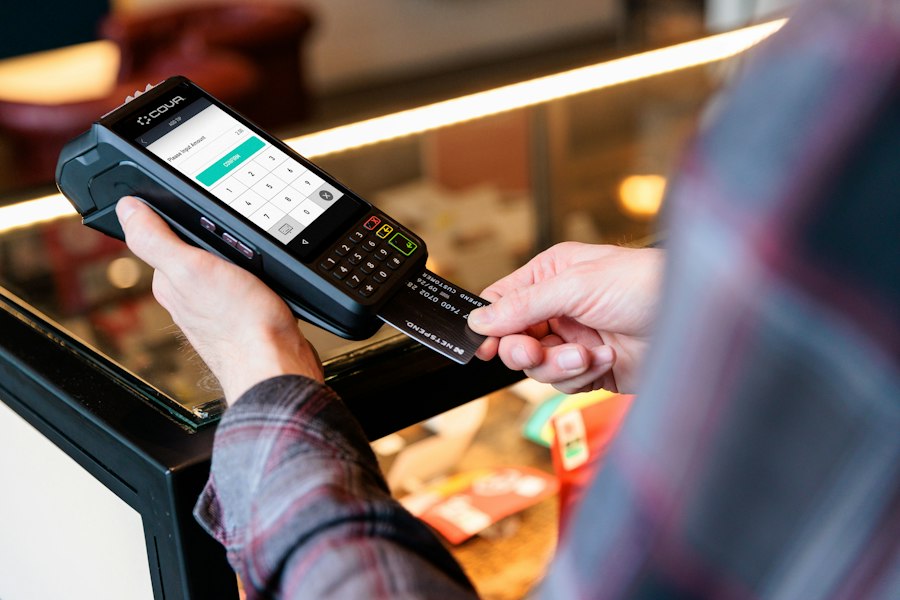
When you use your debit card, it’s not an instant transfer of funds from your account to the merchant’s. Instead, it’s a multi-step process involving your bank, the card network (like Visa or Mastercard), and the merchant’s bank. An authorization hold is a critical, albeit sometimes invisible, part of this process that ensures the merchant will be paid for your transaction.
How the Authorization Process Works
Imagine this: you’re at a gas station and you insert your debit card to pay for fuel. The moment you initiate the transaction, a request is sent out. This request travels through a complex network. First, it goes to the merchant’s acquiring bank, which is the bank that processes credit and debit card transactions for businesses. From there, it’s routed to the card network (Visa, Mastercard, etc.). The card network then forwards the request to your issuing bank, the bank where you hold your checking account and debit card.
Your bank’s system then checks a few things. Is the card valid? Are the account details correct? Crucially, does your account have sufficient funds to cover the transaction amount? If all checks pass, your bank approves the transaction and sends an authorization code back through the same network to the merchant. This code essentially guarantees that the funds are available and will be transferred.
The Role of Pending Transactions
This authorization code is what creates the “pending transaction” you often see. It’s not the final charge yet, but rather a temporary reservation of funds. Your bank is saying, “We’ve authorized this purchase, and we’re setting aside this amount for it.” This prevents you from spending those specific funds on something else before the final transaction clears. It’s a protective measure for both you and the merchant, ensuring that the money is there when the actual payment is processed.
Why Authorization Holds Are Necessary
Authorization holds are fundamental to the security and efficiency of card transactions. For merchants, they provide a level of certainty that they will be compensated for goods or services rendered. Without them, merchants would be at a higher risk of fraud and non-payment, which could lead to increased prices for all consumers. For you, the cardholder, authorization holds help prevent you from overspending and incurring overdraft fees. By temporarily reserving the funds, they act as an early warning system for your available balance.
Common Scenarios Triggering Debit Card Holds
While every transaction initiates an authorization process, certain types of purchases are more prone to larger or longer-lasting authorization holds. Understanding these specific scenarios can help you anticipate and manage your available funds more effectively.
Gas Stations: The Classic Example
This is perhaps the most common place where you’ll encounter a surprisingly large authorization hold. When you swipe your debit card at the pump, the gas station system doesn’t know exactly how much fuel you’ll pump. To cover potential costs, they will place a pre-authorization hold for a significant amount, often $75, $100, or even more, depending on the station and location. This hold is much higher than your actual fuel purchase, which might only be $20 or $30. The actual charge will be adjusted once you finish pumping and the final amount is determined.
Hotels and Car Rentals: Securing Potential Damages
Similar to gas stations, hotels and car rental agencies place authorization holds to cover potential incidental charges or damages. When you check into a hotel, they might place a hold for the room rate plus an amount for anticipated incidentals like room service, mini-bar usage, or damages. For car rentals, the hold covers the rental cost, potential fuel charges, and any damage that might occur to the vehicle. These holds can be substantial, often several hundred dollars, and can remain for several days after you check out or return the car.
Restaurants and Bars: Tipping Uncertainty
When you dine out, the restaurant often places an authorization hold for the bill amount. However, they don’t know the tip you’ll leave in advance. Many restaurants will authorize an amount slightly higher than the bill to accommodate a typical tip, or they may wait for you to complete the transaction and then add the tip. If an authorization hold is placed for a higher amount, the actual charge will reflect the bill plus your tip once you sign the receipt or add it electronically.
Online Retailers and Future Shipments
For online purchases, an authorization hold typically occurs when you place your order. This confirms your payment method and available funds. However, the actual charge usually doesn’t happen until the item is shipped. If an item is backordered or takes a while to ship, the authorization hold can remain on your account for an extended period. Some retailers might re-authorize your card periodically if the shipping is significantly delayed.
Subscription Services and Recurring Payments
Subscription services, whether for streaming, gym memberships, or software, will place an authorization hold to ensure your account is valid and has the capacity to pay for the service. This hold might be for the recurring payment amount. If you cancel your subscription, ensure you do so before the billing cycle to avoid an unnecessary hold or charge.
Understanding the Duration of Holds
The time it takes for an authorization hold to disappear from your account can vary significantly. This duration is influenced by several factors, including the merchant’s practices, your bank’s policies, and the type of transaction. Knowing how long to expect a hold to remain can prevent unnecessary worry.
Bank Policies and Their Impact
Each bank has its own set of rules and timeframes for releasing authorization holds. Generally, banks are instructed by card networks to release holds within a certain period, often two to three business days for most transactions. However, some merchant types, like gas stations and hotels, may have different agreements that allow for longer hold periods. Your bank’s customer service or your account agreement can provide specific details about their hold release policies.
Merchant-Initiated Release
It’s important to understand that the authorization hold is a pre-authorization. The merchant is the one who ultimately “captures” the funds and initiates the final transaction. Once the merchant completes their process (e.g., finalizes the bill, ships the product), they will submit the final transaction amount to their bank. This action effectively signals to your bank that the hold can be released, and the correct amount should be deducted. If the merchant fails to capture the funds within a certain timeframe, the authorization typically expires automatically, and your bank releases the hold.
The Difference Between a Hold and a Final Charge
A critical distinction to grasp is that an authorization hold is not the final charge. It’s a temporary reservation. The final charge is the actual amount that will be deducted from your account. For example, if a hotel places a $300 hold and your final bill is $250, the hold will be released, and a $250 charge will appear. If the merchant captures the full $300, that’s the amount that will be deducted. The pending transaction on your statement will eventually be replaced by the final charge.
Weekends and Holidays: Extended Wait Times
The clock for releasing authorization holds often stops on weekends and bank holidays. If a hold is placed on a Friday, for instance, it might not be released until Monday or Tuesday, depending on your bank’s processing schedule and whether Monday or Tuesday is a holiday. This can sometimes make it seem like holds are lasting longer than usual. When calculating when a hold might be released, always factor in business days and potential holidays.
When managing your finances, understanding the implications of an authorization hold on your debit card is crucial. This temporary hold can affect your available balance and may lead to unexpected declines during transactions. For a deeper insight into this topic, you can read a related article that explains how these holds work and their impact on your spending habits. To learn more, check out this informative piece on how wealth grows.
Managing Your Funds and Avoiding Problems
| Metric | Description | Typical Range | Notes |
|---|---|---|---|
| Authorization Hold Amount | The amount temporarily held on the debit card during a transaction | Varies by merchant and transaction type | Usually equals or exceeds the purchase amount |
| Hold Duration | Time period the funds remain on hold before release | 1 to 7 days | Depends on merchant and bank policies |
| Impact on Available Balance | Amount deducted from available balance due to hold | Equal to hold amount | Reduces spending power until hold is released |
| Release Time After Transaction Completion | Time taken to release hold after final transaction amount is settled | 24 to 72 hours | Varies by bank and merchant processing speed |
| Common Merchants Using Holds | Types of merchants that frequently place authorization holds | Gas stations, hotels, car rentals, restaurants | Holds cover estimated final charges |
| Effect on Overdraft | Whether holds can cause overdraft if funds are insufficient | Yes/No depending on account settings | Holds may trigger overdraft fees if balance is low |
Understanding authorization holds is only half the battle. The other half is actively managing your finances to avoid any negative consequences, such as overdraft fees or declined transactions. Proactive financial management is key.
Monitoring Your Available Balance Diligently
The most effective way to manage authorization holds is to be aware of your available balance, not just your current balance. Your current balance reflects the total money in your account, while your available balance shows what you can actually spend, taking into account pending transactions and authorization holds. Many banking apps and online portals clearly differentiate between these two figures. Always base your spending decisions on your available balance.
Leaving a Buffer in Your Account
To avoid potential overdrafts, it’s wise to maintain a buffer in your checking account. This buffer acts as a cushion for unexpected authorization holds or transactions that might be larger than anticipated

Approved at Checkout… Fee the Next Morning? Why Banks Do This.
FAQs
What is an authorization hold on a debit card?
An authorization hold on a debit card is a temporary hold placed on funds in a cardholder’s account when a transaction is made. The hold ensures that the necessary funds are available to cover the transaction amount.
How long does an authorization hold typically last on a debit card?
The length of time an authorization hold lasts on a debit card can vary depending on the merchant and the type of transaction. In general, holds can last anywhere from a few hours to several days.
Why do merchants place authorization holds on debit cards?
Merchants place authorization holds on debit cards to guarantee that they will receive payment for a transaction. The hold helps ensure that the cardholder has sufficient funds available to cover the purchase.
Can authorization holds on debit cards affect the available balance in the account?
Yes, authorization holds on debit cards can impact the available balance in the account. The held funds are temporarily unavailable for other purchases until the hold is released by the merchant.
How can a cardholder get an authorization hold removed from their debit card?
To get an authorization hold removed from a debit card, the cardholder can contact the merchant directly and request that the hold be released. It’s also important to keep track of transactions to ensure that holds are lifted promptly.