
You’ve probably seen it: a transaction on your debit card that you don’t recognize, or perhaps a lower balance than you expected, even though you haven’t spent the money. This often points to a “bank hold” on your debit card, a common practice that can sometimes feel mysterious and even alarming. Understanding what a bank hold is, why it happens, and how it affects your available funds is crucial for managing your money effectively and avoiding unnecessary stress. This article will demystify the concept of bank holds, explaining them from your perspective – as the cardholder.
Understanding the Purpose of Bank Holds
At its core, a bank hold on your debit card is a temporary reservation of funds. It’s not necessarily a charge, but rather an indication that a certain amount of money is earmarked and not immediately available for other purchases or withdrawals. Banks implement these holds to protect themselves and their customers from potential fraud and to ensure that authorized transactions can be completed successfully. Think of it as a temporary earmarking of funds for a future, possibly larger, transaction.
Why Banks Place Holds on Your Debit Card
There are several common scenarios where you might encounter a bank hold. These are typically related to transactions where the final amount is not immediately known or where there’s a higher risk of the transaction being disputed.
Pre-Authorizations for Services
One of the most frequent reasons for a hold is a pre-authorization. When you check into a hotel, rent a car, or even fill up your gas tank, the merchant doesn’t know the exact final cost of your transaction at the moment you present your card. They will place a hold for an estimated amount. For hotels and car rental agencies, this is often a standard fee to cover potential incidentals or damages. For gas stations, it’s typically a fixed amount, like $100 or more, reflecting the maximum you could spend. This ensures that you have sufficient funds to cover the eventual, finalized charge.
Rental Services and Estimated Costs
When you rent a car, the rental company needs to ensure you have enough to cover the rental period, potential damage, or fuel charges. They will place a hold on your debit card for an amount that typically exceeds the estimated rental cost. This is a protective measure for them, guaranteeing that if you return the car late, with a full tank of gas, or if there’s any damage, they have the funds available to cover those costs. The hold amount can vary significantly based on the rental company, the type of vehicle, and the duration of the rental.
Hotel Stays and Incidentals
Similarly, hotels place holds on your debit card upon check-in. This hold covers the room rate, taxes, and an additional amount for potential incidentals like minibar purchases, room service, or damage to the room. This allows you to use the hotel’s amenities without needing to re-authorize your card every time you order something. The hold is released once you check out and the final bill is settled.
Gas Station Transactions
Gas stations are another common place to experience a hold. When you swipe or insert your debit card at the pump, the system often places a hold for a predetermined amount, such as $75 or $100, before you even start pumping gas. This is because the total cost of the gas isn’t known until you finish. The actual charge will reflect the exact amount of gas you purchased.
Online Retailers and Pending Orders
Some online retailers, especially those selling custom or high-value items, may place a temporary hold on your debit card when you place an order. This is to verify that you have sufficient funds in your account and to ensure the payment can be processed when the item ships. The hold is typically released if the order is cancelled or adjusted before shipment.
Recurring Subscriptions and Service Renewals
For subscription services, like streaming platforms or gym memberships, a hold might be placed on your card a few days before the renewal date. This is to confirm that your payment method is still valid and that funds are available for the upcoming recurring charge.
Disputed Transactions and Investigations
If you dispute a transaction on your debit card, your bank may place a temporary hold on those funds while they investigate the claim. This ensures that the money is available should the dispute be resolved in your favor or if a provisional credit is issued.
The Difference Between a Hold and a Charge
It’s essential to distinguish between a hold and an actual charge. A charge is a completed transaction that permanently deducts money from your account. A hold, on the other hand, is a temporary reservation. The funds are still technically yours, but they are not available for immediate use. When the merchant finalizes the transaction or the authorization expires, the hold is released, and the funds become available again.
If you’re looking to understand more about the intricacies of bank holds on debit cards, you might find this related article helpful. It delves into the reasons behind these holds, how they can affect your access to funds, and tips for managing your finances during such situations. For more information, check out the article here: Understanding Bank Holds on Debit Cards.
How Holds Affect Your Available Balance
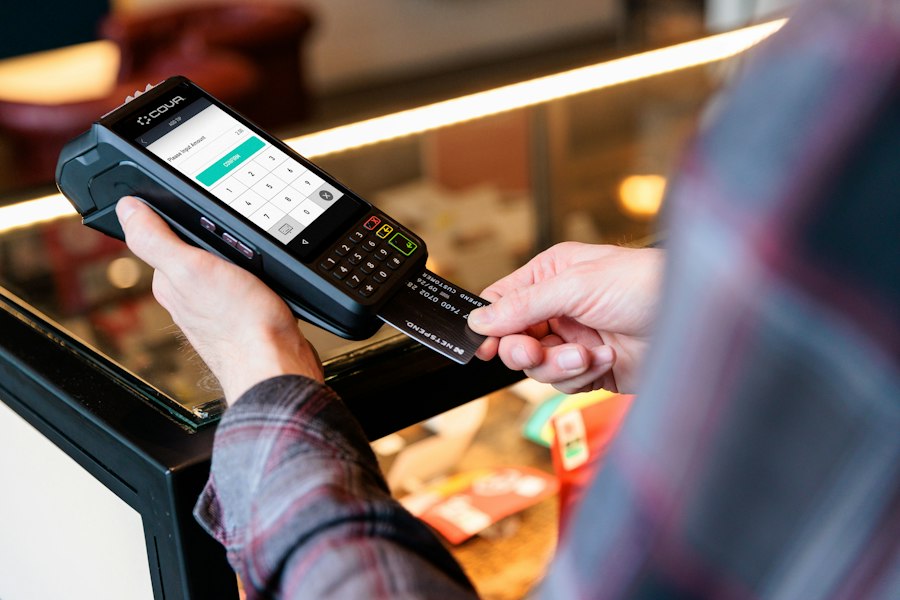
The most significant impact of a bank hold is on your available balance. Your available balance is the amount of money you can actually spend or withdraw at any given moment. Your actual balance might be higher, but the held funds are not part of your spending power. This distinction is critical for avoiding overdrafts and understanding your true financial standing.
Understanding Your Available Balance vs. Actual Balance
Your bank statement or online banking portal will typically show two figures: your actual balance and your available balance. The actual balance is the total amount of money in your account. The available balance is your actual balance minus any pending transactions or holds. It’s this available balance that you should be tracking for your day-to-day spending.
The Impact on Your Spending Power
When a hold is placed on your debit card, the amount of that hold is subtracted from your available balance. This means you have less money to spend on other purchases or to withdraw from ATMs. If you’re not mindful of these holds, you could inadvertently overspend, leading to overdraft fees or declined transactions. For example, if you have $500 in your account and a $100 hold is placed for a hotel reservation, your available balance drops to $400, even though your actual balance remains $500.
Potential for Overdrafts and Fees
If you make purchases or withdrawals that exceed your available balance, even if your actual balance has sufficient funds, you could incur overdraft fees. This is precisely why understanding holds is so important. It’s not uncommon for people to be surprised by an overdraft fee because a large hold from a rental car or hotel had reduced their available balance below what they thought they had.
The Timeframe for Hold Releases
The duration of a bank hold can vary. Pre-authorizations typically last for a few days, often between 24 to 72 hours, but can sometimes extend up to 7 to 10 business days, depending on the merchant and the bank’s policies. If the final transaction is completed, the hold is usually released and replaced by the actual charge. If the transaction is cancelled or the authorization expires without a finalized charge, the hold should be released. However, there can be delays, and it’s always a good idea to follow up with the merchant or your bank if a hold persists longer than expected.
Strategies for Managing Debit Card Holds

Managing debit card holds effectively involves proactive communication and careful monitoring of your account. By understanding the common causes and knowing how to respond, you can minimize any disruption to your finances.
Communicating with Merchants Before and After Transactions
Before you present your debit card for a transaction that might involve a hold, especially for services like hotels or car rentals, it’s wise to ask the merchant about their pre-authorization policy. Inquire about the estimated amount they will hold and how long it typically remains active. After the transaction is complete, and especially if you believe a hold has not been released promptly, don’t hesitate to contact the merchant to inquire about the status of the hold and to request its release.
Checking Your Account Regularly
Make it a habit to check your bank account balance and transaction history frequently, ideally daily. Pay close attention to your available balance rather than just your actual balance. This will help you stay aware of any pending holds and their impact on your spending power. Most banking apps offer real-time updates, making this task much easier.
Knowing Your Bank’s Policies on Holds
Familiarize yourself with your bank’s specific policies regarding debit card holds. Different banks may have varying timeframes for releasing authorizations and different procedures for disputing transactions. Your bank’s website or customer service representatives can provide this information. Understanding these policies empowers you to know what to expect and how to proceed if you encounter issues.
What to Do If a Hold Lingers
If a hold has been placed on your debit card and it remains for an extended period beyond the merchant’s stated policy or your bank’s typical timeframe, you should take action. First, contact the merchant to confirm that the transaction has been fully settled and to request the release of the hold. If the merchant is unhelpful or unable to resolve the issue, contact your bank. Explain the situation, provide transaction details, and ask for their assistance in investigating and releasing the hold. Your bank has the authority to initiate the release of unauthorized or expired holds.
Potential Issues and When to Seek Help
While bank holds are a standard banking practice, there are instances where they can cause significant inconvenience or financial hardship. Knowing when these situations arise and how to seek appropriate assistance is crucial.
Extended or Excessive Holds
Occasionally, a hold might last longer than it should, or the amount held might seem excessive. This can happen if a merchant’s system glitches, or if there’s a miscommunication regarding the transaction. If you notice a hold that’s significantly longer than expected or for an unusually large amount, it warrants further investigation.
Impact on Essential Expenses
If a prolonged or excessive hold prevents you from accessing funds needed for essential expenses like rent, utilities, or groceries, it can lead to serious financial strain. In such situations, prompt action is necessary.
Contacting Your Bank for Resolution
Your bank is your primary point of contact for resolving issues related to debit card holds. They can investigate the nature of the hold, communicate with the merchant if necessary, and, in many cases, expedite the release of the funds. Be prepared to provide them with all relevant transaction details, including the date, merchant name, and the amount of the hold.
Escalating Issues and Consumer Protection
If you are unable to resolve a hold issue with your bank or the merchant, you may need to consider escalating the matter. Depending on the circumstances, this could involve filing a formal complaint with your bank, or if you suspect fraudulent activity or unfair practices, you might consider contacting consumer protection agencies. Most countries have regulatory bodies that oversee financial institutions and can offer assistance in resolving disputes.
Understanding the concept of bank holds on debit cards can be quite complex, especially when it comes to how long these holds last and their impact on your available balance. For a deeper insight into this topic, you might find it helpful to read a related article that explains the nuances of bank holds and their implications for your finances. You can explore this informative piece by visiting How Wealth Grows, where you will discover valuable information that can help you manage your banking experience more effectively.
Preventing Future Debit Card Hold Surprises
| Metric | Description | Typical Duration | Impact on Account |
|---|---|---|---|
| Hold Amount | The amount of money temporarily frozen on the debit card after a transaction | Varies (usually 1-7 days) | Reduces available balance but not the actual balance |
| Hold Reason | Reasons for placing a hold such as pending transactions, gas stations, hotels, or car rentals | N/A | Prevents overspending and fraud |
| Release Time | Time taken for the hold to be released after the merchant finalizes the transaction | 1-7 business days | Funds become available again |
| Available Balance | Balance available for new transactions after holds are applied | Real-time | May be lower than actual balance due to holds |
| Actual Balance | Total balance including held funds | Real-time | Reflects total funds in the account |
| Merchant Authorization | Initial approval by merchant to place a hold on funds | Instant to a few minutes | Triggers the hold on the debit card |
| Hold Expiration | Maximum time a hold can remain if merchant does not finalize transaction | Typically 7 days | Hold is automatically released after expiration |
While you can’t completely eliminate the possibility of encountering a debit card hold, you can take steps to minimize surprises and manage their impact on your finances. A little awareness and planning can go a long way.
Maintaining a Sufficient Buffer in Your Account
One of the most effective ways to mitigate the impact of holds is to maintain a buffer of funds in your checking account that exceeds your typical spending needs. This “extra” money can absorb temporary holds without affecting your ability to cover immediate expenses. The size of this buffer will depend on your spending habits and the types of transactions you commonly make.
Using Credit Cards for Larger or Uncertain Transactions
For significant purchases or when engaging in services where holds are common (like hotel stays or car rentals), consider using a credit card instead of your debit card. Credit cards offer a layer of separation between the hold and your actual bank funds. While a hold might still appear on your credit card, it doesn’t tie up your cash. Furthermore, credit cards often offer better fraud protection and dispute resolution mechanisms.
Being Mindful of Your Spending Habits
Be aware of your typical spending patterns and the types of merchants or services that are prone to placing holds. If you know you’ll be traveling, checking into a hotel, or renting a car, anticipate that a hold will be placed on your card and plan your finances accordingly.
Understanding Authorization Rules and Timelines
Educate yourself about how authorizations work and the typical timelines for their release. Knowing that a gas station might place a $100 hold, or a hotel might hold an amount for incidentals, allows you to factor these possibilities into your budgeting and available balance calculations. By understanding these common occurrences, you can preemptively avoid surprises and manage your money with greater confidence.

Approved at Checkout… Fee the Next Morning? Why Banks Do This.
FAQs
What is a bank hold on a debit card?
A bank hold on a debit card is when a financial institution temporarily freezes a portion of the funds in a customer’s account, preventing them from being accessed or spent.
Why do banks place holds on debit card transactions?
Banks place holds on debit card transactions to ensure that there are sufficient funds available to cover the purchase and to protect themselves against potential losses in case of insufficient funds.
How long do bank holds on debit cards typically last?
The length of time a bank hold on a debit card lasts can vary depending on the bank’s policies and the type of transaction. Holds can range from a few hours to several days.
Can a bank hold on a debit card be released early?
In some cases, a bank hold on a debit card can be released early if the merchant processes the transaction quickly or if the bank determines that the funds are no longer needed to cover the purchase.
Are there ways to avoid bank holds on debit card transactions?
To avoid bank holds on debit card transactions, customers can ensure they have sufficient funds in their account, use credit cards for large purchases, or ask the merchant if they can process the transaction immediately to prevent a hold.