You’re standing at the checkout, your chosen items piled high. The cashier asks, “Debit or credit?” You tap your card, and a few seconds later, you hear that satisfying “beep.” But what actually happened in those fleeting moments? Most likely, your bank executed two critical processes: authorization and settlement. While they happen in quick succession and are both vital to completing your transaction, they are fundamentally different. Understanding these differences is key to grasping how your money moves, why your available balance might not match your transaction history immediately, and how merchants get paid. Let’s dive into the world of debit card transactions and demystify the processes of authorization and settlement.
The Authorization Process: A Quick Check and a Promise
The authorization process is the immediate handshake between your bank, the merchant’s bank, and the card networks (like Visa or Mastercard). It’s designed to quickly verify that you have the funds available and that the card itself is valid, preventing fraud and ensuring the merchant won’t be left holding the bag for a transaction they can’t fulfill. Think of it as a temporary hold on your funds, a promise from your bank that the money is there, ready to be claimed.
Initiating the Transaction: Your Card’s Journey
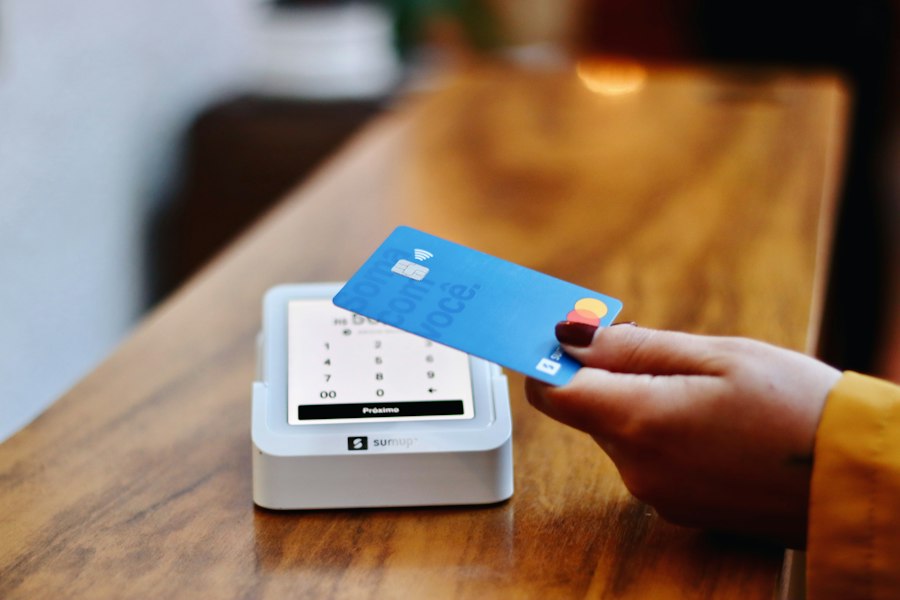
When you swipe, insert, or tap your debit card, you’re initiating a complex electronic journey. The point-of-sale (POS) terminal at the merchant’s location captures your card information – your card number, expiry date, and sometimes your PIN. This data is then encrypted and sent to the merchant’s acquiring bank, which is the financial institution that processes transactions for that merchant.
The Merchant’s Bank and the Payment Network
The acquiring bank then forwards this transaction request to the relevant card network (Visa, Mastercard, etc.). The card network acts as a central hub, routing the request to the issuing bank – the bank that issued your debit card. This entire communication happens at lightning speed, often in under a second.
The Issuing Bank’s Decision: A Moment of Truth
Your issuing bank receives the authorization request and performs several checks. First, it verifies that your card is valid and not reported lost or stolen. Then, it checks your account for sufficient funds. If you have enough money and all other checks pass, your bank approves the transaction. This approval is essentially a temporary reservation of the funds. It’s important to note that the actual money hasn’t left your account yet; it’s merely earmarked. If the funds are insufficient, or if other security protocols are triggered, the transaction will be declined.
The Response and Confirmation
Once your issuing bank makes its decision, the approval or denial message is sent back through the card network to the acquiring bank, and finally, to the merchant’s POS terminal. This is the moment you see on the screen: “Approved,” “Declined,” or perhaps a prompt for your PIN. An approval means your bank has authorized the transaction and placed a hold on the specified amount. This hold reduces your available balance but doesn’t create a permanent debit entry in your transaction history.
The Role of Holds and Available Balance
This temporary hold is a crucial aspect of the authorization process. When a transaction is authorized, the amount is deducted from your available balance, not necessarily your current balance. Your available balance is what you can spend, while your current balance might include pending transactions or funds that are not yet accessible. This is why you might see your available balance decrease immediately after a purchase, even though the transaction hasn’t fully “cleared” your account. The hold ensures that the funds are reserved for the merchant until the settlement process is complete.
When exploring the nuances of debit card transactions, it’s essential to understand the differences between settlement and authorization processes. For a deeper insight into this topic, you can refer to a related article that discusses the implications of these processes on personal finance and budgeting. To read more, visit How Wealth Grows, where you can find valuable information that can help you make informed decisions regarding your debit card usage.
The Settlement Process: The Actual Transfer of Funds
While authorization is about immediate verification and reservation, settlement is the actual movement of money. It’s the backend plumbing that ensures the merchant receives the funds for the goods or services you’ve purchased. This process is less instantaneous than authorization and typically occurs in batches, usually at the end of the business day for merchants.
Batching Transactions: A Merchant’s Daily Routine
At the close of business, merchants compile all their authorized transactions into a batch. This batch is then sent to their acquiring bank for processing. Instead of sending each individual transaction, merchants send a consolidated list, which streamlines the settlement process for banks.
The Acquiring Bank’s Role in Clearing
The acquiring bank receives these batches and, on behalf of the merchant, initiates the clearing process. Clearing involves communicating with the card networks to notify the issuing banks that the transactions are ready for final settlement. This step essentially confirms that the authorized transactions are now to be officially debited from customer accounts and credited to merchant accounts.
The Card Network as the Clearinghouse
The card networks act as intermediaries in the clearing process. They facilitate the exchange of information between acquiring banks and issuing banks, ensuring that all parties agree on the amounts to be transferred. They meticulously track each transaction to ensure accuracy and prevent double-counting or discrepancies.
The Issuing Bank’s Final Debit and Funds Transfer
Once the clearing process is complete, the issuing banks are instructed to permanently debit the authorized amounts from your accounts. This is when the transaction finally appears as a completed debit in your account history. The funds, after being debited from your account, are then transferred from the issuing bank to the acquiring bank, via the card network.
Crediting the Merchant’s Account
Finally, the acquiring bank credits the merchant’s account with the settled funds, minus any transaction fees or interchange fees that are part of the card processing agreement. This entire settlement cycle can take anywhere from one to three business days, depending on the banks involved, the card network, and the specific transaction. This explains why a purchase might appear as pending for a while before it’s fully reflected as a debit in your statement.
Key Differences: A Direct Comparison

Now that we’ve explored each process individually, let’s highlight the core distinctions between debit card authorization and settlement. Understanding these contrasts is crucial for comprehending the mechanics of card payments and managing your personal finances effectively.
Speed and Immediacy
The most striking difference lies in their speed. Authorization is designed to be near-instantaneous, occurring in seconds to confirm funds and validate a transaction at the point of sale. Settlement, on the other hand, is a more deliberate, batch-oriented process that can take several business days to complete. While you get immediate confirmation that your transaction is allowed, the actual transfer of funds and the final recording on your statement take time.
Purpose and Function
Authorization’s primary purpose is risk management and immediate customer experience. It’s about preventing fraudulent transactions and ensuring you have the funds before you walk out the door with your purchase. Settlement’s purpose is the actual financial transfer. It’s about moving money from your bank to the merchant’s bank, completing the transaction from a financial perspective. Authorization is a hold, a promise; settlement is the fulfillment of that promise.
Impact on Account Balance
Authorization creates a temporary “hold” on your funds, reducing your available balance. This is a soft debit, meaning the money is earmarked but not permanently removed. Settlement results in a permanent debit to your account. The funds are officially transferred, and the transaction becomes a historical record in your bank statement. The authorization hold is released once settlement is complete.
Nature of the Transaction
Authorization is an approval or denial of a transaction. It’s a decision made in real-time. Settlement is the execution of an approved transaction. It’s the actual movement of money, the culmination of the authorization process. You can think of authorization as the “yes” or “no” and settlement as the “doing.”
Real-World Implications for You, the Cardholder
The interplay between authorization and settlement has direct consequences for how you manage your money. Being aware of these implications can help you avoid overdraft fees, track your spending accurately, and understand your financial picture more clearly.
Understanding Available Balance vs. Transaction History
This is where the most confusion often arises. Because authorization places a hold on your funds, your available balance might be lower than your current balance. A transaction might appear as “pending” in your online banking for a day or two before it officially debits your account. This is why it’s essential to monitor your available balance, not just your current balance, to avoid overspending. If you see a pending transaction, that amount is effectively unavailable for other purchases until settlement occurs and the hold is released.
The Impact of Holds on Unpredictable Spending
If you make multiple purchases in a short period, or if you have recurring automatic payments that are authorized but not yet settled, these holds can add up. This can lead to a situation where your available balance is significantly reduced, even if your actual transaction history doesn’t yet reflect all the debits. This is particularly relevant if you make large purchases like hotel reservations or car rentals, where significant pre-authorization holds are common. These holds can sometimes be for an estimated amount and are later adjusted during settlement.
Timeliness of Transaction Records
While authorization provides immediate confirmation, the final debit to your account during settlement can take a few days. This means that your bank statement might not always reflect your spending in real-time. If you’re meticulous about tracking every cent, you’ll need to account for this slight delay between when you make a purchase and when it officially clears your account. This lag is also why it’s important to check both your pending transactions and your statement to get a complete picture.
Potential for Overdrafts
If you are close to your credit limit or have a low account balance, understanding the difference between holds and actual debits is critical. A series of authorizations, even if they are small, can quickly deplete your available balance. If you then make another purchase or a check bounces, you could face overdraft fees. It’s always wise to have a buffer in your account to accommodate these pending authorizations and the subsequent settlements.
When exploring the differences between debit card settlement and authorization, it’s essential to understand how these processes impact your transactions. For a more in-depth analysis, you can refer to a related article that provides valuable insights on this topic. This article discusses the nuances of transaction processing and its implications for consumers. You can read more about it here. Understanding these concepts can help you make informed decisions about your financial transactions.
The Merchant’s Perspective: Getting Paid for Services Rendered
| Metric | Debit Card Authorization | Debit Card Settlement |
|---|---|---|
| Definition | Approval of a transaction amount by the card issuer before funds are deducted | Final processing and transfer of funds from the cardholder’s account to the merchant |
| Timing | Occurs immediately at the point of sale or online transaction | Occurs after the transaction, typically within 1-3 business days |
| Funds Hold | Temporarily holds the transaction amount on the cardholder’s account | Funds are actually debited and transferred to the merchant’s account |
| Impact on Available Balance | Reduces available balance but not the actual balance until settlement | Reduces actual balance as funds are withdrawn |
| Reversals | Can be voided or adjusted before settlement | Refunds or chargebacks processed after settlement |
| Risk | Lower risk as funds are only held, not transferred | Higher risk as funds have been transferred and may require reversal |
| Merchant Impact | Guarantees funds availability but no money received yet | Merchant receives actual payment |
| Typical Duration | Seconds to minutes | 1 to 3 business days |
While we’ve focused on your experience as the cardholder, it’s equally important to understand how authorization and settlement function from the merchant’s point of view. Their ability to get paid relies entirely on these processes working smoothly.
The Merchant’s Reliance on Authorization
For a merchant, authorization is the first hurdle. Without it, they can’t be sure that they will get paid for the goods or services they are providing. An approved authorization gives them the confidence to complete the transaction. It’s their immediate assurance that the card is valid and that funds are tentatively available. This is why merchants will often decline a transaction if authorization fails.
The Importance of Settlement for Cash Flow
Settlement is where the merchant actually receives the money. While authorization is a promise, settlement is the delivery. The speed and reliability of settlement directly impact a merchant’s cash flow. A faster settlement means money is available sooner to pay suppliers, cover operating expenses, and reinvest in their business. Delays in settlement can create financial strain, especially for smaller businesses.
Fees and Costs Associated with Card Processing
Both authorization and settlement involve fees. Acquiring banks and card networks charge merchants transaction fees, which are often a percentage of the transaction amount plus a fixed fee. These fees cover the costs of processing, risk management, and the infrastructure that supports card payments. Understanding these fees helps explain why merchants might have minimum purchase amounts for card transactions or why they might encourage cash payments.
Managing Chargebacks and Disputes
While authorization and settlement are designed to be secure, the process isn’t immune to disputes. A customer might dispute a transaction (a chargeback) if they don’t recognize it, if they believe the goods were faulty, or if the service wasn’t rendered as promised. The authorization process is the first line of defense against fraudulent chargebacks, but the settlement process also dictates how these disputes are handled and how funds are ultimately allocated. The merchant bank plays a key role in mediating these disputes.

Approved at Checkout… Fee the Next Morning? Why Banks Do This.
FAQs
What is the difference between a debit card settlement and authorization?
A debit card authorization is the initial approval from the card-issuing bank to verify if the card has sufficient funds for a transaction, while a settlement is the actual transfer of funds from the cardholder’s account to the merchant’s account.
How long does a debit card authorization typically last?
Debit card authorizations usually last for a short period, typically between 1 to 7 days, depending on the policies of the card-issuing bank. After this period, the authorization will expire, and the funds will be released back to the cardholder’s account.
What happens if a debit card settlement amount is different from the authorized amount?
If the settlement amount is different from the authorized amount, it may result in a partial settlement where the merchant receives only the amount that was authorized. The remaining funds may be released back to the cardholder’s account, or a new authorization may be required for the additional amount.
Can a merchant settle a debit card transaction without obtaining authorization?
No, a merchant must obtain authorization from the card-issuing bank before settling a debit card transaction. Without proper authorization, the transaction may be declined, or the merchant may be liable for any unauthorized charges.
Are debit card settlements processed in real-time?
Debit card settlements are typically processed in real-time, meaning that the funds are transferred from the cardholder’s account to the merchant’s account immediately after the transaction is authorized. However, some settlements may take longer to reflect in the merchant’s account due to processing times.