You’ve just tapped your card at the grocery store, or perhaps you’ve clicked “send” on a hefty online payment. What happens next? It might seem instantaneous, a magical transfer of digital numbers. But behind that seemingly simple action lies a complex, meticulously orchestrated process: the bank transaction timeline. Understanding this journey, from the moment you initiate a payment to when it’s officially completed and reflected in your accounts, demystifies the financial world and empowers you with knowledge. This article will guide you through each stage, breaking down the intricate steps involved in your everyday financial dealings.
The Genesis of a Transaction: Initiation and Authorization
Every financial exchange begins with you. Whether you’re withdrawing cash from an ATM, swiping your debit card, sending money to a friend via a mobile app, or setting up a recurring bill payment, the initiation is always the same: you provide the instruction to move funds. This initial spark triggers a cascade of events, all designed to verify your identity, confirm the transaction details, and ultimately, authorize the movement of money.
Your Command: Triggering the Financial Flow
The act of initiating a transaction can take many forms. When you use your debit or credit card at a point-of-sale terminal, you’re providing your card details and often a PIN or signature. Online, you’ll enter your card number, expiry date, CVV, and sometimes a password or a code sent to your phone. For peer-to-peer payments, you might be entering an email address, phone number, or account details of the recipient. Even a simple ATM withdrawal requires you to insert your card, enter your PIN, and specify the amount. Regardless of the method, your action is the crucial first step, communicating your intent to your bank or the financial institution facilitating the transaction. This input is captured by the merchant’s system, your bank’s app, or the ATM’s interface, and then relayed to the wider financial network.
The Gatekeepers: Authentication and Verification
Before any money can move, the system needs to be absolutely sure it’s you making the request and that the transaction is legitimate. This is where authentication and verification come into play. For card transactions, this involves checking your card number against a database of valid cards, verifying your PIN or signature against what’s on file, and often employing fraud detection algorithms. If you’re making an online purchase, you might be subjected to 3D Secure protocols like Verified by Visa or Mastercard Identity Check, which require an extra layer of authentication, usually a one-time password sent to your registered mobile number. Mobile payment apps often use biometric authentication, like fingerprint or facial recognition, in addition to your device’s passcode. The goal here is to prevent unauthorized access and ensure that only the legitimate account holder can authorize a financial movement. This stage is critical for security and preventing fraudulent activities, safeguarding both your funds and the financial system as a whole.
The Green Light: Authorization and Approval
Once your identity is confirmed and the transaction details are deemed valid, the request is sent for authorization. This is essentially asking the issuing bank (the bank that issued your card or account) for permission to proceed with the transaction. The issuing bank quickly checks if you have sufficient funds or available credit for the requested amount. They also run a series of risk assessments, looking for any unusual patterns or potential red flags that might indicate fraud. If all checks pass, the issuing bank sends back an approval code. This code is crucial; it signifies that the transaction is authorized and that the funds are earmarked for the payment. This approval is usually sent back to the merchant or the platform you’re using in mere seconds, giving you that feeling of an instant transaction. If, however, there are insufficient funds, an incorrect PIN, or a fraud alert, the transaction will be declined, and you’ll receive a notification of the same.
For a deeper understanding of the bank transaction timeline and its various stages, you can refer to a related article that provides valuable insights into the entire process. This article explains the intricacies of how transactions are processed and the factors that can affect their timing. To learn more, visit this link.
The Clearinghouse Connection: Interbank Communication
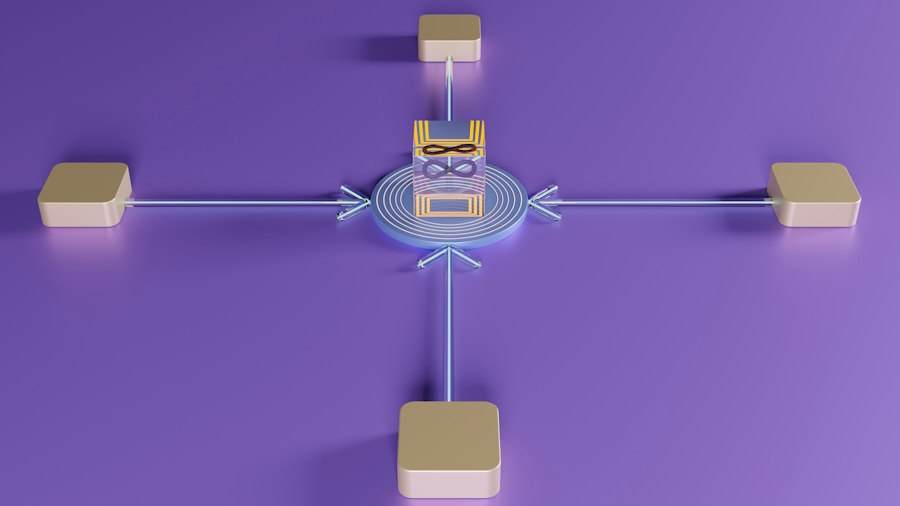
Authorization is just the first hurdle. The approval code signifies that the money can move, but it doesn’t actually mean the money has changed hands yet. This is where the complex world of clearing comes into play. Clearing is the process of exchanging transaction information between banks to ensure that the amounts owed by each bank are calculated accurately. This involves communication between the issuing bank and the acquiring bank (the merchant’s bank), often through a series of intermediaries and clearing houses.
Bridging the Divide: The Role of Payment Networks
When you use a credit or debit card, your transaction doesn’t go directly from your bank to the merchant’s bank. Instead, it travels through a network of payment processors and card schemes like Visa, Mastercard, or American Express. These networks act as the backbone of electronic payments, facilitating the communication between your bank and the merchant’s bank. They route transaction data, apply interchange fees, and ensure that the information is passed accurately and securely. For example, when you swipe your card, the merchant’s terminal sends the data to their acquiring bank, which then forwards it to the relevant card network. The card network identifies your issuing bank and transmits the authorization request, and then the approval or denial code, back through the same channels. This intricate network of communication ensures that transactions can be processed globally, connecting financial institutions across different regions.
Understanding the intricacies of bank transaction timelines can greatly enhance your financial management skills. For a deeper dive into this topic, you might find the article on wealth growth particularly insightful. It offers valuable information on how transactions are processed and the factors that can affect their timing. To explore this further, you can read the article here. This knowledge can empower you to make more informed decisions regarding your banking activities.
The Balancing Act: Settlement of Funds
While authorization happens in near real-time, the actual transfer of money, known as settlement, typically occurs later. Clearing houses play a pivotal role in this stage. They act as central hubs where banks can exchange funds to settle their mutual obligations. At the end of a business day, banks calculate the total amount they owe to other banks and the total amount they are owed. The clearing house then facilitates the net transfer of these funds. For instance, if Bank A owes Bank B $1 million and Bank B owes Bank A $800,000, the clearing house will arrange for a net settlement of $200,000 from Bank A to Bank B. This process aggregates multiple individual transactions into a single, larger net settlement, making the process much more efficient and reducing the number of individual fund transfers required. This is a crucial step that ensures all parties are paid what they are owed.
The Digital Ledger: Recording the Transaction
Throughout this entire process, every step is meticulously recorded. Your bank, the merchant’s bank, and the payment networks all maintain detailed ledgers of transactions. These records are essential for auditing, reconciliation, and dispute resolution. When you see a transaction appear on your bank statement, it’s a reflection of these internal records being updated. The clearing and settlement process ensures that these records are synchronized across all involved financial institutions, preventing discrepancies and maintaining the integrity of the financial system. This digital trail is vital for transparency and accountability, allowing for the tracing of every cent that moves through the system.
The Journey to Your Account: Posting and Finalization

Once the transaction has been cleared and settled between the banks, the final stage involves updating your personal account. This is the point where the transaction becomes a concrete part of your financial history and the funds are actually debited from your account or credited to your recipient’s account.
The Update: Reflecting the Change in Your Balance
After the settlement process is complete, your bank will “post” the transaction to your account. This means the amount of the transaction is officially deducted from your available balance if you made a purchase or sent money, or added to your balance if you received funds. This posting can happen at various times depending on the bank’s processes and the type of transaction. For debit card purchases, the funds are usually debited from your account relatively quickly, often within the same business day or the next. For other transactions, like direct deposits or wire transfers, the posting time can vary. This is the moment when the financial impact of your initiated transaction becomes visible on your bank statement and affects your available funds.
The Waiting Game: Processing Times and Delays
While many transactions appear to be instant, there are instances where you might experience a delay between initiation and final posting. This can be due to several factors. Weekend and holiday processing are often a significant reason for delays, as many interbank settlement processes operate on business days. International transactions also inherently take longer due to the involvement of multiple banking systems and currency exchange processes. Furthermore, some financial institutions have daily cutoff times for processing certain types of transactions. If you initiate a transaction after the cutoff, it will likely be processed on the next business day. Understanding these potential delays can help manage

Approved at Checkout… Fee the Next Morning? Why Banks Do This.
FAQs
What is the typical timeline for a bank transaction?
A typical bank transaction timeline involves the initiation of the transaction by the sender, processing by the bank, transmission to the recipient’s bank, and finally, the recipient’s access to the funds.
How long does it take for a bank transfer to be processed?
The processing time for a bank transfer can vary depending on factors such as the type of transfer, the banks involved, and the time of day the transfer was initiated. Generally, domestic transfers can take 1-3 business days, while international transfers may take 3-5 business days or longer.
Why do some bank transactions take longer to process than others?
Some bank transactions may take longer to process due to factors such as the amount of the transaction, the currency being used, the banks involved, any intermediary banks, weekends, holidays, and the time of day the transaction was initiated.
Can bank transactions be processed instantly?
Some bank transactions, such as internal transfers between accounts at the same bank or instant payment services like Zelle or Venmo, can be processed instantly. However, most traditional bank transfers require some processing time before the funds are available to the recipient.
What should I do if a bank transaction is taking longer than expected?
If a bank transaction is taking longer than expected, it is advisable to contact your bank to inquire about the status of the transaction. They may be able to provide information on any delays or issues that are causing the delay in processing.