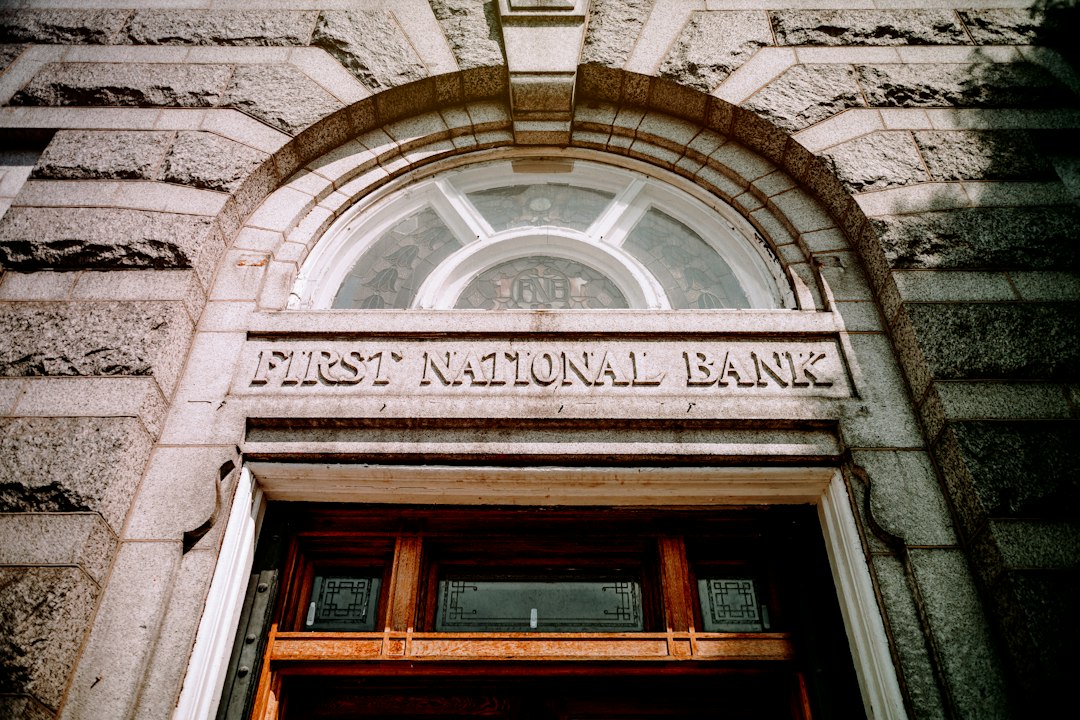
You’re diligently managing your finances, paying bills on time, and feeling on top of your game. Then, a quick glance at your bank statement sends a jolt of confusion through you. A charge you don’t recognize. A fee that seems out of place. Suddenly, that feeling of control evaporates, replaced by a gnawing suspicion that you’re being nickeled and dimed by your own bank. You’re not alone. Hidden bank fees are a pervasive issue, often lurking in the fine print of account agreements or slipping through the cracks of your busy life. This guide is designed to empower you, equipping you with the knowledge and steps needed to uncover these elusive charges and reclaim your hard-earned money.
Unearthing the Hidden Charges: Where to Look
Your bank statement is your primary battlefield when it comes to identifying hidden fees. It’s where these charges manifest, often disguised in ways that make them easy to overlook. Understanding where to focus your attention is the first crucial step in this investigation. Think of yourself as a financial detective, meticulously examining every detail for clues.
The Statement Scan: A Thorough Examination
The most direct way to spot an anomaly is by thoroughly reviewing each line item on your bank statement. Don’t just skim for the big deposits and withdrawals. Every single transaction, no matter how small, deserves your attention. Many fees are surprisingly modest – a few dollars here, a few dollars there – but they can accumulate rapidly over time, leaving a significant dent in your balance.
Checking for Recurring Charges
Some fees are recurring, appearing monthly or quarterly. These are often the easiest to identify if you’re paying attention, but they can also become so normalized that you stop questioning them. Look for patterns. If you see the same or a similar charge appearing at regular intervals, it’s a strong indicator of a recurring fee. This could be an account maintenance fee, a minimum balance fee, or a service fee for a feature you might not even be using.
Identifying One-Time Transaction Fees
Beyond recurring charges, there are also one-time fees associated with specific actions or inactions. These can be more deceptive because they don’t appear with the same predictability. For example, an overdraft fee, a wire transfer fee, an ATM withdrawal fee from a non-network machine, or a returned item fee can all pop up unexpectedly. Make sure you understand the fees associated with activities you’ve recently engaged in. Did you recently send money internationally? Did you accidentally overdraw your account? Did you use an ATM that wasn’t part of your bank’s network? These are all prime areas to investigate.
Decoding the Fine Print: Your Account Agreement
While the statement shows you what you’ve been charged, your account agreement reveals why you might have been charged. This document, often a thick packet of paper or a lengthy PDF you might have glossed over during account opening, is the ultimate source of truth regarding the terms and conditions of your banking relationship. It details all the potential fees your bank can levy.
The Deposit Account Agreement
This is the foundational document for your checking and savings accounts. It will outline fees related to account maintenance, minimum balance requirements, overdraft protection, ATM usage, paper statement fees (if you opt for paperless, you might avoid these), and inactivity fees. Read it carefully. Many of these fees are not immediately obvious and are only triggered under specific circumstances. For instance, an inactivity fee might apply if you haven’t made a transaction in a certain period, or a minimum balance fee could be assessed if your account balance drops below a predetermined threshold.
Other Relevant Agreements
Depending on your banking relationship, you might have other agreements. If you have a debit card, there might be a separate agreement outlining its associated fees, particularly for international transactions or ATM usage abroad. If you have a line of credit or a loan through your bank, those agreements will detail associated fees, though these are generally more upfront than account-based fees. For the purposes of hidden bank fees, your deposit account agreement is your primary focus.
Exploring Your Bank’s Fee Schedule
Most banks publish a comprehensive fee schedule online, often in their website’s “About Us” or “Customer Service” sections. This document is a more accessible version of your account agreement, specifically designed to list all potential fees. It’s a valuable resource for cross-referencing what you see on your statement and understanding the bank’s official stance on charges.
Online Fee Schedules: A Digital Treasure Trove
Navigate to your bank’s website. Look for links like “Fees,” “Service Charges,” “Disclosures,” or “Account Information.” These usually lead to a page listing various fee schedules for different account types. Download or bookmark these schedules. They are incredibly useful for researching specific fees you’ve encountered or for proactively understanding what could potentially be charged. You can search these documents for keywords related to fees you suspect or have seen.
Navigating the Schedule Effectively
Fee schedules can be lengthy and filled with jargon. To navigate them effectively, use the search function (Ctrl+F or Cmd+F) to look for terms like “fee,” “charge,” “service,” “maintenance,” “overdraft,” “ATM,” “transaction,” “inactivity,” “minimum balance,” etc. Compare the fees listed here with those on your bank statement. If you find a charge on your statement that isn’t immediately clear, use the fee schedule to decipher its meaning and the conditions under which it’s applied.
In light of the recent investigation into bank fees, it is essential to understand the steps involved in addressing these issues effectively. For a comprehensive guide on how to navigate the complexities of bank fee investigations, you can refer to a related article that outlines key strategies and insights. This resource can be found at How Wealth Grows, where you will discover valuable information to help you manage and potentially reduce unnecessary banking costs.
Recognizing Common Culprits: Typical Hidden Fees

Banks employ a variety of methods to generate revenue, and some of these methods involve fees that can easily slip past the average consumer. Becoming familiar with the most common hidden fees will significantly sharpen your detective skills. Once you know what to look for, you’ll be much more adept at spotting them.
Account Maintenance and Service Fees
These are some of the most prevalent hidden charges. They are often presented as a necessary cost of maintaining an account, but many can be waived or avoided if you meet certain criteria.
Monthly Service Charges
Many checking and savings accounts come with a monthly maintenance fee. Banks often waive these fees if you meet specific requirements, such as maintaining a minimum daily balance, having a certain number of direct deposits per month, or linking your account to other bank products. If you’re paying a monthly service charge, investigate the waiver requirements. You might be eligible to avoid this fee altogether.
Minimum Balance Fees
This fee is triggered when your account balance falls below a specified minimum amount for a certain period. Banks often set these minimums at levels that are achievable for many customers but can be easily missed if you have a period of higher spending or lower income. Knowing your account’s minimum balance requirement is crucial.
Paper Statement Fees
In an effort to push customers towards digital banking, some institutions now charge a fee for receiving paper statements. If you prefer paper, be aware of this. However, for most, switching to paperless statements is a simple way to avoid this recurring charge.
Transaction-Based Fees
These fees are typically incurred when you perform specific actions or when certain events occur within your account. They can be particularly surprising if you’re not accustomed to them.
Overdraft Fees
Perhaps one of the most notorious bank fees, overdraft fees are charged when you spend more money than you have in your account. Banks often have overdraft protection services that link to a savings account or a line of credit, which can also incur fees. Understanding your bank’s overdraft policies, including the fees and grace periods, is essential.
Non-Network ATM Fees
While many banks offer free ATM access through their own networks, using an ATM owned by another financial institution often incurs two fees: one from the ATM owner and potentially one from your own bank. Always check if an ATM is in your bank’s network to avoid these charges.
Wire Transfer Fees
Sending or receiving wire transfers, especially international ones, can be subject to significant fees. These fees can include both incoming and outgoing transfer charges, and exchange rate markups if the transfer involves different currencies.
Returned Item Fees
This fee is charged when a check or electronic payment you’ve written bounces due to insufficient funds. It’s essentially a penalty for issuing a payment you can’t cover.
Fees for Inactivity and Dormancy
Banks want their accounts to be active. If an account sits idle for an extended period, they may start charging inactivity or dormancy fees.
Inactivity Fees
These fees are applied to accounts that have had no customer-initiated transactions for a specified duration, often 6 to 12 months. This means no deposits, withdrawals, or other account activity.
Dormancy Fees
Dormancy fees are similar to inactivity fees but are often applied after a longer period of inactivity, potentially years. They are a prelude to the account being declared abandoned and escheated to the state.
Other Less Common but Potentially Costly Fees
Beyond the everyday charges, there are other fees that, while less frequent, can be substantial when they do occur.
Stop Payment Fees
If you need to cancel a check you’ve already issued, you’ll likely incur a stop payment fee. This is a service the bank provides to prevent a check from being cashed.
Account Research Fees
If you need your bank to perform extensive research on your account history, for example, to locate old statements or transaction details beyond what’s readily available online, they may charge a research fee.
Dormant Account Escheatment Fees
While not a fee in the traditional sense, if an account becomes dormant and the funds are eventually turned over to the state’s unclaimed property division, your bank may charge a fee to process this escheatment.
Strategizing Your Approach: How to Investigate Effectively

Now that you know where to look and what to look for, it’s time to strategize your investigation. A methodical approach will yield the best results and ensure you don’t miss any crucial details. Think of this as building a case to present to your bank.
Gather Your Documentation
Before you even contact your bank, it’s vital to have all your supporting documents in order. This will make your investigation smoother and more productive.
Compile Your Bank Statements
Collect all relevant bank statements, ideally for the past six months to a year. The longer the period, the more likely you are to catch recurring or long-term issues. Digital statements are fine, but if you have any paper statements, keep them readily accessible.
Note Down Suspicious Transactions
As you review your statements, highlight or make a list of every transaction you don’t recognize or that seems unusually high. For each suspicious transaction, note the date, amount, and any description provided on the statement. This organized list will be invaluable when you speak with a bank representative.
Locate Your Account Agreement and Fee Schedule
As discussed earlier, have your account agreement and the bank’s published fee schedule handy. These are your reference documents and will help you understand the basis of the fees you’re questioning.
Preparing Your Communication
When you’re ready to engage with your bank, a well-prepared approach is key. You want to be clear, concise, and confident.
Outline Your Concerns
Before you call or visit, write down your specific questions and concerns. What fees are you questioning? What information do you need? What resolution are you seeking? Having a clear agenda will prevent you from getting sidetracked.
Understand the Bank’s Policies
If possible, familiarize yourself with your bank’s customer service procedures and common fee dispute resolutions. Some banks have online forms for disputing fees, while others prefer phone calls.
Be Polite but Firm
When you speak with a bank representative, maintain a polite and respectful demeanor. However, don’t be afraid to be firm about your rights and your expectation of clear, honest banking practices. You are a customer, and you deserve clear explanations.
Engaging with Your Bank: Who to Talk To
Your initial point of contact can significantly impact the outcome of your investigation. Knowing who to approach and how to escalate your concerns is important.
The Customer Service Representative
Your first call or visit should typically be to a general customer service representative. They are trained to handle a wide range of inquiries and can often resolve basic fee disputes or provide explanations. Be prepared to provide your account information and clearly state your concerns.
The Branch Manager
If the customer service representative cannot adequately resolve your issue or if you believe the situation warrants it, ask to speak with a branch manager. Managers often have more authority to make decisions regarding fee waivers or adjustments, especially for loyal customers. They can also provide a more personalized level of service.
The Bank’s Ombudsman or Dispute Resolution Department
For more complex or unresolved issues, many larger banks have an ombudsman or a dedicated dispute resolution department. This is a higher level of escalation and is usually reserved for situations where you’ve exhausted other avenues. Your customer service representative or branch manager can typically guide you on how to contact this department.
Negotiating for Resolution: Reclaiming Your Funds
Once you’ve identified hidden fees and have a clear understanding of your situation, the next step is to seek resolution. This often involves negotiation, and understanding your leverage and the bank’s potential willingness to compromise is crucial.
Understanding Your Leverage
As a customer, you hold a certain amount of leverage. Your money is valuable to the bank, and retaining your business is a priority.
The Value of Your Business
Consider how long you’ve been a customer and the total value of your accounts. A long-standing customer with significant assets is more likely to have their concerns addressed favorably. Banks want to retain good customers.
The Potential for Negative Publicity
While not always the first tactic, banks are mindful of their reputation. If you are treated unfairly, you have the option of sharing your experience through reviews or social media, which can impact a bank’s public image.
Regulatory Bodies
In cases of egregious or widespread fee practices, there are regulatory bodies that oversee banking practices. While this is a last resort, knowing that these avenues exist can be empowering.
Requesting Waivers and Refunds
When you speak with bank representatives, clearly state what you are seeking.
Fee Waivers
For fees that you believe were charged unfairly or that you did not fully understand, request a waiver. Explain your situation and why you believe the fee should not have been applied. For example, if you missed a minimum balance by a small amount due to an unexpected expense, a polite request for a one-time waiver might be granted.
Fee Refunds
If you have already paid fees that you believe were hidden or improperly charged, request a refund. Provide your documented evidence to support your claim. Banks are often willing to refund fees if they can verify that there was a misunderstanding or an error in communication.
Exploring Alternatives and Future Prevention
The goal isn’t just to resolve current issues but to prevent them from happening again.
Reviewing Your Account Type
Consider if your current account type is still the best fit for your needs. If you are consistently incurring fees for services you don’t use or conditions you can’t meet, it might be time to switch to a different account package that better suits your banking habits.
Setting Up Alerts and Reminders
Take advantage of your bank’s online banking features. Many banks offer alerts for low balances, upcoming bill payments, or unusual transaction activity. Setting up these alerts can help you stay ahead of potential fees.
Automating Savings and Payments
Where possible, automate your savings and bill payments. This can help you maintain required minimum balances and ensure timely payments, thus avoiding overdraft and late fees.
In light of the recent scrutiny surrounding bank fees, many consumers are seeking clarity on how to navigate the investigation process. Understanding the steps involved can empower individuals to address any discrepancies they may encounter. For a more comprehensive guide on this topic, you can refer to a related article that outlines essential strategies and tips for effectively managing bank fees. This resource can be found at this link, providing valuable insights to help you take control of your banking experience.
Building a Proactive Banking Relationship: Staying Ahead of Fees
| Step | Description | Responsible Party | Estimated Timeframe | Key Metrics |
|---|---|---|---|---|
| 1. Identify Fee Discrepancy | Review account statements to detect unexpected or incorrect fees. | Account Holder / Customer Service | 1-2 days | Number of fee discrepancies reported |
| 2. Gather Documentation | Collect relevant statements, fee schedules, and transaction records. | Customer Service / Account Holder | 2-3 days | Percentage of complete documentation received |
| 3. Initial Review | Analyze documentation to verify if fees were applied correctly. | Bank Fee Analyst | 3-5 days | Accuracy rate of initial fee assessments |
| 4. Contact Bank Department | Consult with relevant bank departments for clarification or confirmation. | Bank Fee Analyst / Department Heads | 2-4 days | Response time from departments |
| 5. Resolution Proposal | Develop a resolution plan including fee reversal or adjustment if applicable. | Bank Fee Analyst / Customer Service | 1-2 days | Number of resolutions proposed |
| 6. Communicate with Customer | Inform the customer about findings and proposed resolution. | Customer Service | 1 day | Customer satisfaction rating |
| 7. Implement Resolution | Apply fee adjustments or refunds as agreed. | Bank Operations | 1-3 days | Time to implement resolution |
| 8. Follow-up | Confirm with customer that issue is resolved and document case closure. | Customer Service | 1-2 days | Case closure rate |
Your investigation into hidden fees shouldn’t be a one-time event. It should be the catalyst for a more proactive and informed approach to your banking relationship. By staying vigilant and leveraging the tools available to you, you can significantly minimize the chances of encountering unexpected charges in the future.
Regular Statement Review: A Habit Worth Cultivating
Make it a non-negotiable habit to review your bank statements thoroughly each month. This is the single most effective way to catch any new or recurring fees as soon as they appear. Don’t let statements pile up; tackle them as soon as they arrive.
Setting Aside Time for Financial Check-ups
Dedicate a specific time each week or month for financial tasks, including statement review. This could be a quiet hour on a Sunday afternoon or a short session during your lunch break. The consistency is key.
Using Digital Tools for Easier Tracking
Many banking apps and online portals offer features that allow you to categorize your spending and track your account activity more easily. Familiarize yourself with these tools and use them to your advantage. Some apps even allow you to set custom alerts for specific types of transactions or balance levels.
Understanding Account Benefits and Fee Waivers
Don’t just focus on the fees; understand what you’re getting for your money and how to maximize those benefits.
Identifying Fee-Waivable Conditions
Go back to your account agreement or fee schedule and specifically identify the conditions under which your monthly maintenance fees, minimum balance fees, or other charges can be waived. Make a checklist for yourself.
Leveraging Loyalty Programs and Premium Accounts
If you are a long-term customer with multiple products at your bank, explore loyalty programs or premium account options. These often come with reduced or waived fees and other perks designed to reward your business. It might be worth inquiring if your current relationship qualifies you for better terms.
Seeking Clarification Proactively
Don’t wait for a fee to appear to ask questions. If you are unsure about a particular service, transaction, or policy, reach out to your bank for clarification.
Using Bank Websites and FAQs
Most banks have extensive FAQ sections and information pages on their websites that can answer common questions about fees and services. These resources are a good first stop before contacting customer service.
Direct Communication with Bank Staff
If the online resources don’t provide a clear answer, don’t hesitate to call or visit your bank. A quick question can prevent a costly misunderstanding down the line. Frame your questions as seeking to better understand your account and avoid future issues.
Considering Different Banking Options
While this article focuses on investigating fees with your current bank, it’s also a good time to assess if your current banking relationship is truly meeting your needs and providing value.
Comparing Banks and Account Types
Periodically, research what other banks are offering. You might find accounts with fewer fees, better interest rates, or more convenient features elsewhere. Don’t be afraid to switch if a better option presents itself.
Exploring Online Banks and Credit Unions
Online banks often have lower overhead costs, which can translate to fewer fees and better rates for customers. Credit unions, as member-owned institutions, often prioritize customer benefits over profit, leading to more favorable fee structures.
By taking these steps, you transform yourself from a passive account holder into an active participant in managing your finances. Your bank is a service provider, and like any service provider, they should be transparent and accountable. Your diligence in investigating and understanding bank fees is not just about saving money; it’s about ensuring a fair and transparent financial relationship, empowering you to make informed decisions and keep more of your hard-earned money where it belongs – in your pocket.

Approved at Checkout… Fee the Next Morning? Why Banks Do This.
FAQs
What are the common types of bank fees that are typically charged to customers?
Common types of bank fees include overdraft fees, ATM fees, monthly maintenance fees, wire transfer fees, and foreign transaction fees.
How can customers avoid incurring unnecessary bank fees?
Customers can avoid unnecessary bank fees by closely monitoring their account balances, opting out of overdraft protection, using in-network ATMs, maintaining the required minimum balance, and reviewing their account statements regularly.
What steps can customers take if they believe they have been charged unfair or unauthorized bank fees?
If customers believe they have been charged unfair or unauthorized bank fees, they should contact their bank’s customer service department to inquire about the charges. They can also file a complaint with the Consumer Financial Protection Bureau (CFPB) or their state’s banking regulator.
Are there any regulations in place to protect consumers from excessive bank fees?
Yes, there are regulations in place to protect consumers from excessive bank fees. The Truth in Savings Act requires banks to disclose all fees associated with their accounts, and the Electronic Fund Transfer Act limits consumer liability for unauthorized transactions, including fees.
What are some best practices for conducting a thorough investigation into bank fees?
Some best practices for conducting a thorough investigation into bank fees include gathering all relevant account statements and transaction records, documenting any communication with the bank regarding the fees, and seeking assistance from a consumer protection agency or legal professional if necessary.