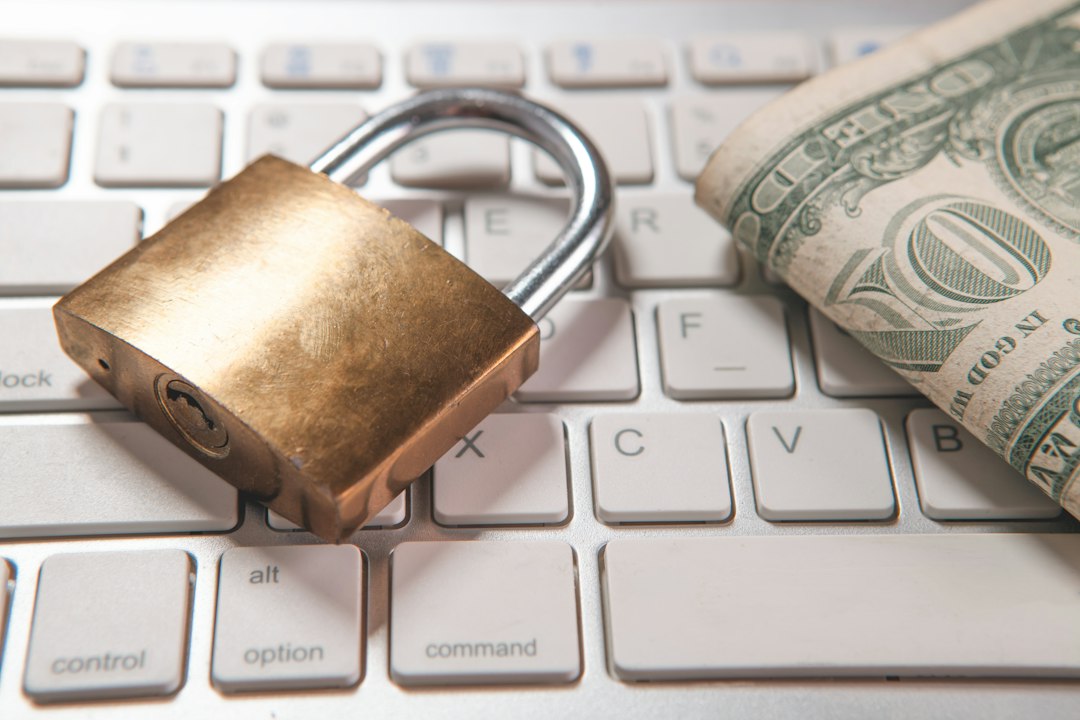
## Unlocking Tranquility: Your Guide to Effortless Financial Security
You’ve likely experienced it – that subtle hum of anxiety that accompanies thoughts of your finances. It’s the lingering worry about unexpected bills, the concern about your savings, the nagging question of whether your money is truly safe. But what if you could silence that hum? What if you could achieve a state of genuine peace of mind, knowing your financial world is secure and manageable? The good news is, you absolutely can, and it begins with a proactive and informed approach to your banking. This isn’t about complex financial jargon or daunting spreadsheets; it’s about understanding the tools and strategies available to you, empowering you to take control and, in turn, liberate yourself from financial stress. Think of your banking as the bedrock of your financial well-being. When that bedrock is solid, everything else you build upon it – your dreams, your goals, your everyday life – becomes more stable and secure. This guide is designed to equip you with the knowledge to build that solid foundation, ensuring your financial journey is one of confidence and calm, not constant apprehension. We’ll explore how to leverage the power of modern banking to not only protect your assets but also to simplify your financial life, freeing up your mental energy for what truly matters.
Achieving peace of mind with banking is essential for managing your finances effectively. A related article that delves into this topic can be found at How Wealth Grows, where you can explore strategies and tips for ensuring your financial security and well-being. This resource offers valuable insights into creating a stable financial foundation, allowing you to focus on your personal and professional goals without the stress of financial uncertainty.
## The Digital Fortress: Fortifying Your Accounts Against Threats

In today’s interconnected world, the digital realm is where much of our financial activity takes place. This convenience comes with an inherent responsibility to safeguard your accounts from the ever-evolving landscape of cyber threats. It’s not about being a tech wizard; it’s about adopting smart, everyday practices that create layers of security around your sensitive information. Think of it as building a digital fortress, where each protective measure contributes to the overall strength and resilience of your financial defenses. You are the architect and the guardian of this fortress, and the tools are readily available.
### Strong Passwords and Multi-Factor Authentication: Your First Lines of Defense
The simplest yet most crucial step you can take is to implement strong, unique passwords for all your banking and financial accounts. Avoid easily guessable information like birthdays, pet names, or sequential numbers. Instead, aim for a combination of uppercase and lowercase letters, numbers, and symbols. Even better, consider using a password manager. These tools generate and store complex passwords for you, eliminating the need to remember dozens of different combinations. But a strong password is only part of the equation. The real game-changer is multi-factor authentication (MFA). This adds an extra layer of security by requiring more than just a password to log in. It typically involves a second verification step, such as a code sent to your phone via SMS or an authenticator app, or even a fingerprint scan. By enabling MFA wherever it’s offered, you make it exponentially harder for unauthorized individuals to access your accounts, even if they manage to obtain your password. Imagine trying to break into a fortified castle; a strong password is like the outer wall, but MFA is like the drawbridge and the heavily guarded inner gate.
### Recognizing and Resisting Phishing and Scams: Educated vigilance is your shield
Phishing attempts are designed to trick you into revealing your personal and financial information. These often come in the form of convincing-looking emails, text messages, or even phone calls impersonating legitimate institutions like your bank. They might claim there’s a problem with your account, an unusual transaction, or a prize you’ve won, urging you to click a link or provide your details immediately. The key to resisting these scams is vigilance and a healthy dose of skepticism. Never click on links or download attachments from unsolicited emails or messages. If you receive a suspicious communication, instead of replying or clicking, go directly to your bank’s official website or call their customer service number (found on the back of your bank card or your official statements) to verify the information. Banks will never ask for your full account number, password, or other sensitive details via email or text. Understanding common scam tactics empowers you to recognize them and confidently disengage, protecting your finances from malicious intent. Think of yourself as a discerning detective, always questioning the authenticity of incoming information and verifying through trusted channels.
### Secure Browsing and Device Protection: Creating a Safe Online Environment
Your online banking experience should always be conducted on secure platforms. When accessing your accounts, ensure the website address begins with “https://” and displays a padlock icon in the browser’s address bar. This indicates a secure, encrypted connection. Avoid accessing your bank accounts on public Wi-Fi networks, as these are often unencrypted and vulnerable to interception. If you must use public Wi-Fi, consider using a Virtual Private Network (VPN) to encrypt your internet traffic. Furthermore, keep your devices – computers, smartphones, and tablets – updated with the latest operating system and security software. Antivirus and anti-malware programs are essential for detecting and removing malicious software that could compromise your personal information. Regularly backing up your important data can also provide a safety net in case of device failure or a cyberattack. Essentially, you are creating a clean and protected digital workspace for your financial activities, minimizing the opportunities for threats to infiltrate.
## Streamlining Your Finances: The Power of Automation and Organization

Financial peace of mind isn’t solely about protection; it’s also about making your financial life as effortless and streamlined as possible. When your money management is organized and automated, you reduce the mental load, minimize the chances of missed payments, and gain a clearer overview of your financial health. This isn’t about relinquishing control; it’s about strategically leveraging technology and good habits to create a smooth-running financial system.
### Automatic Bill Payments: Never Miss a Deadline Again
One of the most significant stressors for many is the fear of late fees and the negative impact on their credit score due to missed bill payments. This is where automatic bill pay becomes your invaluable ally. Most banks offer the ability to set up recurring payments for your regular bills – utilities, rent or mortgage, loan payments, subscriptions, and more. You can typically schedule these payments to be made on specific dates each month, or shortly after your direct deposit arrives. By setting up automatic payments, you ensure that your essential obligations are met on time, every time. This not only saves you from late fees and credit damage but also liberates you from the mental chore of tracking due dates and manually initiating payments. It’s a simple yet profoundly effective way to build reliability into your financial routine. Imagine your bills being paid seamlessly in the background, allowing you to focus on more engaging aspects of your life.
### Budgeting Tools and Financial Dashboards: Gaining Clarity and Control
Understanding where your money goes is fundamental to achieving financial well-being. Many banks now offer integrated budgeting tools and financial dashboards directly within their online banking platforms or mobile apps. These tools can automatically categorize your spending, allowing you to see a clear breakdown of your expenses across different areas like groceries, entertainment, housing, and transportation. You can set spending limits for various categories and receive alerts when you’re approaching those limits, helping you stay on track with your financial goals. These dashboards provide a holistic view of your accounts – checking, savings, credit cards, loans – all in one place, making it easy to monitor your net worth and track your progress. By embracing these tools, you move from guesswork to informed decision-making, gaining a powerful sense of control over your financial destiny. It’s like having a financial GPS, guiding you towards your goals with real-time data.
### Mobile Banking and Instant Updates: Your Finances at Your Fingertips
The convenience of mobile banking cannot be overstated. With a few taps on your smartphone, you can check your balances, transfer funds, deposit checks, and even pay bills – anytime, anywhere. This immediate access to your financial information allows you to stay informed and responsive. Beyond just checking balances, many mobile banking apps offer instant notifications for various account activities. You can set up alerts for low balances, large transactions, unusual activity, or when a direct deposit has been received. These real-time updates act as an early warning system, enabling you to quickly identify and address any discrepancies or potential issues, further bolstering your sense of security and control. It means you’re never out of touch with your money, always in the know, and empowered to act swiftly when needed.
## Strategic Savings and Investment: Growing Your Wealth with Confidence
Peace of mind extends beyond just safeguarding your current assets; it also involves actively growing your wealth and planning for your future. By implementing smart savings strategies and understanding basic investment principles, you can build a more secure financial future and achieve your long-term aspirations with confidence.
### Setting Up Automated Savings Transfers: The Power of Consistent Growth
Saving money can feel like a challenge, especially when life’s expenses seem to constantly demand your attention. However, by harnessing the power of automation, you can make saving a consistent and effortless habit. Most banks allow you to set up automatic transfers from your checking account to your savings account on a regular basis – daily, weekly, or monthly. You can choose the amount that works for your budget, and these funds will be moved seamlessly, often before you even have a chance to spend them. This “set it and forget it” approach to saving is incredibly effective. It ensures that your savings grow steadily over time without requiring constant willpower or manual intervention. Think of it as consistently adding to a strong foundation, making your financial future more robust with each passing period.
### Exploring High-Yield Savings Accounts and Certificates of Deposit (CDs): Maximizing Your Returns
Once you’ve established a consistent savings habit, it’s wise to explore options that can help your money work harder for you. High-yield savings accounts (HYSAs) offer significantly higher interest rates than traditional savings accounts, allowing your money to grow at a faster pace while remaining easily accessible. Similarly, Certificates of Deposit (CDs) offer fixed interest rates for a set term, often providing even higher returns than HYSAs, though your funds are typically locked in for the duration of the term. By understanding the differences and choosing the right options for your savings goals, you can maximize the returns on your deposited funds. Your bank can provide information on the current rates and terms available, helping you make informed decisions to optimize your savings growth. This strategic approach ensures your saved money isn’t just sitting idle but is actively contributing to your financial prosperity.
### Understanding Basic Investment Principles: Laying the Groundwork for Future Prosperity
While savings accounts are crucial for accessibility and short-to-medium-term goals, investing is often necessary for achieving long-term financial objectives like retirement or wealth accumulation. You don’t need to be a stock market guru to get started. Many banks offer access to various investment products, from mutual funds and exchange-traded funds (ETFs) to brokerage accounts. The key is to start with an understanding of basic investment principles, such as diversification (spreading your investments across different asset classes to reduce risk) and the concept of compound growth (earning returns on your initial investment as well as on the accumulated interest or gains). Many banks offer resources, educational materials, or even financial advisors who can guide you through the initial steps of investing, helping you build a portfolio aligned with your risk tolerance and financial goals. This proactive approach to investing, even in its early stages, is a significant step towards ensuring long-term financial security and the realization of your most ambitious dreams.
Achieving peace of mind with banking is essential for anyone looking to manage their finances effectively. Understanding the various options available can help alleviate stress and provide a sense of security. For those interested in exploring strategies to enhance their financial well-being, a related article can be found at this link, which offers valuable insights into building a solid financial foundation. By staying informed and making thoughtful decisions, individuals can enjoy a more relaxed approach to their banking experience.
## Proactive Communication and Customer Support: Your Allies in Financial Security
| Metric | Description | Typical Value | Impact on Peace of Mind |
|---|---|---|---|
| Account Security | Measures the strength of security protocols (e.g., two-factor authentication, encryption) | High (e.g., 2FA enabled on 90% of accounts) | High – Reduces risk of fraud and unauthorized access |
| Fraud Detection Rate | Percentage of fraudulent transactions detected and prevented | 99.5% | High – Ensures protection against financial loss |
| Customer Support Availability | Hours per day customer support is accessible | 24/7 | High – Provides reassurance and quick problem resolution |
| Transaction Transparency | Clarity and timeliness of transaction notifications | Instant notifications for 95% of transactions | Medium – Helps users monitor account activity in real-time |
| Dispute Resolution Time | Average time to resolve customer disputes or errors | 2-3 business days | Medium – Faster resolution increases trust and peace of mind |
| Account Access Reliability | Percentage uptime of online and mobile banking platforms | 99.9% | High – Ensures users can access accounts when needed |
Even with the most robust security measures and streamlined systems, questions and issues can arise. Your bank is not just a place where you store your money; it’s a service provider, and their customer support team is a vital resource for ensuring your peace of mind. By understanding

Approved at Checkout… Fee the Next Morning? Why Banks Do This.
FAQs
What is the importance of having peace of mind with banking?
Having peace of mind with banking ensures that your financial transactions are secure, your personal information is protected, and you can trust your bank to handle your money responsibly.
How can I achieve peace of mind with my banking activities?
You can achieve peace of mind with your banking activities by regularly monitoring your accounts, setting up alerts for suspicious activities, using secure passwords, and being cautious of phishing scams.
What security measures should I look for in a bank to ensure peace of mind?
Look for a bank that offers two-factor authentication, encryption for online transactions, fraud monitoring, and a responsive customer service team to address any concerns promptly.
How can I protect my personal information while banking online?
To protect your personal information while banking online, avoid using public Wi-Fi for transactions, keep your passwords secure and unique, and be cautious of emails or messages asking for sensitive information.
What should I do if I suspect fraudulent activity in my bank account?
If you suspect fraudulent activity in your bank account, contact your bank immediately to report the issue, freeze your account if necessary, and work with the bank to investigate and resolve the unauthorized transactions.