You’ve navigated life’s intricate journey alongside your spouse, building a shared future and a foundation of support. Then, the unimaginable happens: you’re faced with the profound grief of their passing. Amidst this emotional storm, practical matters inevitably arise, and for many widowers, understanding Social Security survivor benefits becomes a crucial, albeit daunting, task. This guide is designed to demystify these benefits, offering clarity and support as you navigate this new chapter. It’s about understanding what you might be entitled to, how to access it, and what steps you need to take.
Eligibility Criteria for Widower Survivor Benefits
The Social Security Administration (SSA) has specific rules regarding who qualifies for survivor benefits. These rules are designed to provide financial assistance to those who were financially dependent on the deceased worker. For widowers, the primary considerations revolve around your marital status, your age, and your ability to support yourself.
Marriage Duration and Status
Your marriage to the deceased spouse plays a pivotal role in determining your eligibility. Generally, you must have been married to the Social Security recipient for at least nine months prior to their death. This nine-month rule is waived in certain circumstances, such as if the death was accidental or if you had a child together. The SSA understands that life circumstances can be unpredictable, and they offer some flexibility in this regard. It’s important to remember that this nine-month period is a general guideline, and exceptions can and do exist.
Furthermore, your marital status at the time of your spouse’s death is critical. If you were married to the deceased, you are generally eligible. However, if you have remarried, your eligibility may be affected, depending on your age at remarriage. If you remarried after age 60 (or age 50 if you are disabled), you can still receive survivor benefits. If you remarried before reaching these ages, your eligibility for survivor benefits typically ends, though there are complex rules around this, and it’s always best to consult directly with the SSA.
Age and Disability Requirements
Your age at the time you apply for survivor benefits is a significant factor. As a widower, you can typically begin receiving survivor benefits at age 60, provided you meet the other eligibility requirements. If you are disabled and unable to work, you may be able to receive benefits as early as age 50. The SSA has a strict definition of disability, which requires that you have a medical condition that prevents you from doing any substantial gainful activity and is expected to last for at least 12 months or result in death. Proving disability can be a lengthy process, and gathering comprehensive medical documentation is essential.
The amount of your survivor benefit will also be influenced by your age when you start receiving benefits. If you elect to receive benefits before reaching your full retirement age (which is based on your birth year), your monthly benefit amount will be permanently reduced. For example, if you start receiving benefits at age 60, your benefit will be approximately 71.5% of your deceased spouse’s benefit. If you wait until age 70 to claim, your benefit will be 100% of your deceased spouse’s benefit, plus delayed retirement credits. This is why careful consideration of when to claim is so important, especially if you have other income sources.
Dependency on the Deceased Spouse
A crucial aspect of eligibility is demonstrating that you were financially dependent on your deceased spouse. The SSA looks at your income and assets to determine if you relied on your spouse for at least half of your financial support. This dependency can be established in several ways:
- Receiving at least one-half of your support from your spouse: This is the most common way to prove dependency. You might provide evidence like joint bank accounts, shared living expenses, or sworn affidavits from others who witnessed the financial support.
- Being disabled and receiving at least one-half of your support from your spouse at the time of their death: If you are disabled, the dependency requirement can be met even if your spouse didn’t provide exactly half of your support, but a significant portion.
- Being the parent of your deceased spouse’s child, and you are caring for that child: If you are raising a child of the deceased, you can receive benefits regardless of your own income or assets. This benefit is for the surviving parent caring for the child and continues until the child reaches age 16.
The SSA meticulously reviews documentation to verify dependency. This might include tax returns showing joint filing, statements showing shared bills, or letters from financial institutions. It’s vital to have as much documentation as possible to support your claim.
For those seeking information on Social Security survivor benefits for widowers, it’s essential to understand the eligibility criteria and application process. A helpful resource that delves into this topic is an article available at How Wealth Grows, which provides valuable insights and guidance on navigating the complexities of survivor benefits. This article can assist widowers in maximizing their benefits and understanding their rights under Social Security.
Applying for Survivor Benefits

The process of applying for Social Security survivor benefits can seem overwhelming, but breaking it down into steps can make it more manageable. The SSA has made efforts to streamline the application process, but thoroughness and attention to detail are still paramount.
Gathering Necessary Documentation
Before you even begin the application, it’s crucial to gather all the necessary documents. Missing paperwork is one of the most common reasons for application delays. You will need:
- Your Social Security Number (SSN): And your deceased spouse’s SSN.
- Proof of death: This is usually a certified copy of the death certificate. You can obtain this from the funeral home or the vital statistics office in the state where the death occurred.
- Your birth certificate: To prove your age.
- Your spouse’s birth certificate: To prove their age.
- Your marriage certificate: To prove the duration and validity of your marriage.
- Divorce decrees (if applicable): For any previous marriages of either you or your spouse.
- Dependent children’s birth certificates: If you are applying for benefits for them as well.
- Proof of dependency (if required): As discussed in the eligibility section, this might include financial records, tax returns, or sworn statements.
- Your bank account information: For direct deposit of benefits.
- Information about your own earnings record: If you have worked and paid Social Security taxes yourself, this information can be helpful.
It is always a good idea to have original documents or certified copies readily available. The SSA may ask to see originals.
The Application Process: Online, Phone, or In-Person
You have several options for initiating your application for survivor benefits. Each method has its advantages, and you should choose the one that best suits your comfort level and current situation.
- Online: The SSA’s website offers a comprehensive portal for applying for benefits. While you can start an application online, many survivor benefit applications require a phone call or in-person visit to complete. The online system will guide you through the initial steps and inform you if further action is needed. It’s a convenient way to gather your thoughts and begin the process.
- By Phone: You can call the SSA’s toll-free number to speak with a representative and initiate your application over the phone. This is often the next step after starting online or if you prefer to speak directly with someone from the outset. The SSA representative can answer questions and guide you through the required information.
- In Person: Visiting your local Social Security office is another option. This allows for face-to-face interaction, which can be helpful if you have complex questions or prefer a more personal touch. Be prepared for potential wait times, and it’s advisable to call ahead to schedule an appointment if possible.
Regardless of the method you choose, be prepared to answer detailed questions about your personal information, your deceased spouse’s work history, and your financial situation.
What to Expect After Applying
Once you’ve submitted your application, the SSA will begin processing it. This involves verifying the information you’ve provided and confirming your eligibility. The timeline for this process can vary depending on the complexity of your case and the current workload of the SSA.
You will typically receive a decision letter from the SSA within a few weeks or months. This letter will inform you whether your application has been approved or denied. If approved, it will detail the amount of your monthly benefit and the date you can expect to receive your first payment. If denied, the letter will explain the reasons for the denial and outline your options for appeal.
If your application is approved, you’ll be set up for direct deposit, ensuring your benefits are deposited into your bank account reliably. It’s essential to keep the SSA informed of any changes in your circumstances, such as remarriage, changes in living arrangements, or significant changes in income, as these could affect your benefit amount or eligibility.
Understanding Benefit Amounts and Reductions

The amount of survivor benefits you receive isn’t a fixed figure; it’s calculated based on your deceased spouse’s earnings history and your own circumstances. Several factors can influence the final amount, and it’s important to be aware of potential reductions.
Calculating Your Benefit
The foundation of your survivor benefit is your deceased spouse’s Average Indexed Monthly Earnings (AIME). This is calculated based on their highest 35 years of earnings, adjusted for inflation. The SSA then uses a progressive formula to determine the Primary Insurance Amount (PIA), which is the amount your spouse would have received if they had retired at their full retirement age.
Your survivor benefit amount is a percentage of your deceased spouse’s PIA. As a widower, if you claim benefits at your full retirement age, you will receive 100% of your deceased spouse’s PIA. However, if you claim benefits before your full retirement age (at age 60, or age 50 if disabled), your monthly benefit will be permanently reduced. The reduction is calculated based on the number of months you claim before your full retirement age. The earlier you claim, the larger the reduction. For example, claiming at age 60 typically results in a benefit that is about 71.5% of the PIA.
Impact of Your Own Earnings
If you have your own Social Security earnings record and are also eligible for benefits as a survivor, you generally have a choice: you can receive either your own retirement benefit or the survivor benefit, whichever is higher. You cannot receive both in full. The SSA will calculate both and pay you the larger amount.
However, if you are receiving survivor benefits and continue to work and earn income, and you are under your full retirement age, your benefits may be subject to an earnings test. This means that if your earnings exceed a certain annual limit, a portion of your Social Security benefits will be withheld. For 2024, if you are under full retirement age for the entire year, the SSA deducts $1 from your benefits for every $2 you earn above $22,320. Once you reach your full retirement age, this earnings test no longer applies, and you will receive your full benefit amount, even if you continue to work.
Other Factors Affecting Your Benefit
Besides your age at claim and your own earnings, other factors can influence your survivor benefit:
- Number of eligible survivors: If there are other eligible survivors (e.g., a widow, minor children) who are also claiming benefits on your spouse’s record, the total benefits paid to all survivors are subject to a family maximum. This maximum is generally between 150% and 180% of the deceased worker’s PIA. If the sum of individual benefits exceeds this maximum, each survivor’s benefit will be reduced proportionally.
- Cost-of-Living Adjustments (COLAs): Social Security benefits are adjusted annually for inflation through Cost-of-Living Adjustments. These COLAs are added to your benefit amount, helping to maintain its purchasing power over time.
- Government Pension Offset (GPO): If you receive a pension from a job where you did not pay Social Security taxes (e.g., many federal, state, or local government jobs), your survivor benefit may be reduced by two-thirds of the amount of your government pension. This is known as the Government Pension Offset.
Understanding these intricacies will help you accurately estimate your potential benefit and plan your financial future.
Special Circumstances and Considerations for Widowers
While the general rules for survivor benefits apply broadly, there are specific situations and considerations that are particularly relevant to widowers. These often involve unique family dynamics, financial planning, and understanding how survivor benefits interact with other income sources.
Benefits for Minor Children and Survivors Caring for Them
If you have minor children with your deceased spouse, they may also be eligible for survivor benefits. A child can receive benefits if they are under age 18, or under age 19 if still a full-time elementary or secondary school student. A child who becomes disabled before age 22 may also be eligible for benefits.
As a surviving parent who is caring for a child of the deceased who is under age 16, you are eligible for survivor benefits as a “survivor caring for a child.” This benefit is available to you regardless of your age or disability status, as long as you are responsible for the deceased’s child and that child is entitled to benefits. This benefit is crucial for single parents who may not have been in the workforce themselves or have significantly reduced their earning capacity to care for children. It provides a vital income stream to help support the family.
Remarriage Rules and Their Impact
As mentioned earlier, your remarriage can affect your eligibility for survivor benefits. If you remarry before age 60 (or age 50 if disabled), your survivor benefits will generally stop. However, if you remarry at age 60 or later (or age 50 or later if disabled), you can still receive survivor benefits. The SSA will pay you the higher of your own retirement benefit or your survivor benefit.
It’s important to understand that these rules can be complex, and the SSA makes distinctions based on the exact timing of your remarriage relative to your deceased spouse’s death and your age. If you are considering remarriage, it is strongly advised to contact the Social Security Administration to discuss how your specific situation might impact your survivor benefits.
Coordination with Other Retirement Income
Many widowers will have other sources of retirement income, such as their own pensions, 401(k)s, IRAs, or other investments. Understanding how your Social Security survivor benefits coordinate with these other income streams is crucial for comprehensive financial planning.
- Pensions without Social Security Contributions: If you receive a pension from employment where you did not pay Social Security taxes, the Government Pension Offset (GPO) rule may apply, as previously discussed. This can significantly reduce your survivor benefit.
- Private Pensions and Investments: Survivor benefits from Social Security are generally separate from private pensions and investment income. However, your overall financial picture will determine how much you rely on each source. It’s wise to work with a financial advisor to integrate your survivor benefits into your overall retirement income strategy.
- Other Social Security Benefits: If you are eligible for your own Social Security retirement benefits, you will receive the higher of the two amounts, not both. The SSA will calculate both and ensure you receive the maximum benefit you are entitled to.
Careful planning and understanding these interactions can help you maximize your financial security in retirement.
For those navigating the complexities of Social Security survivor benefits, understanding the options available for widowers can be crucial. A helpful resource that delves into this topic is an article found at How Wealth Grows, which provides insights into eligibility requirements and the application process. This information can empower widowers to make informed decisions regarding their financial future during a challenging time.
Navigating the Appeals Process and Getting Help
| Metric | Description | Details |
|---|---|---|
| Eligibility Age | Minimum age to receive survivor benefits as a widower | 60 years (50 if disabled) |
| Full Retirement Age | Age at which full survivor benefits are paid | 66 to 67 years, depending on birth year |
| Benefit Amount | Percentage of deceased spouse’s Social Security benefit | 71.5% to 100%, depending on age and circumstances |
| Remarriage Impact | Effect of remarriage on survivor benefits | Benefits stop if remarried before age 60; no impact if remarried after 60 |
| Dependent Children | Additional benefits for widower caring for children | Widower can receive benefits at any age if caring for child under 16 or disabled |
| Application Process | How to apply for survivor benefits | Apply through Social Security Administration with required documents |
If your application for survivor benefits is denied, or if you disagree with the amount of benefits you are awarded, you have the right to appeal the decision. The Social Security Administration has a multi-step appeals process designed to ensure fairness.
Understanding the Appeals Process
The appeals process begins with a request for “Reconsideration.” This means that a different SSA claims examiner will review your case, along with any new
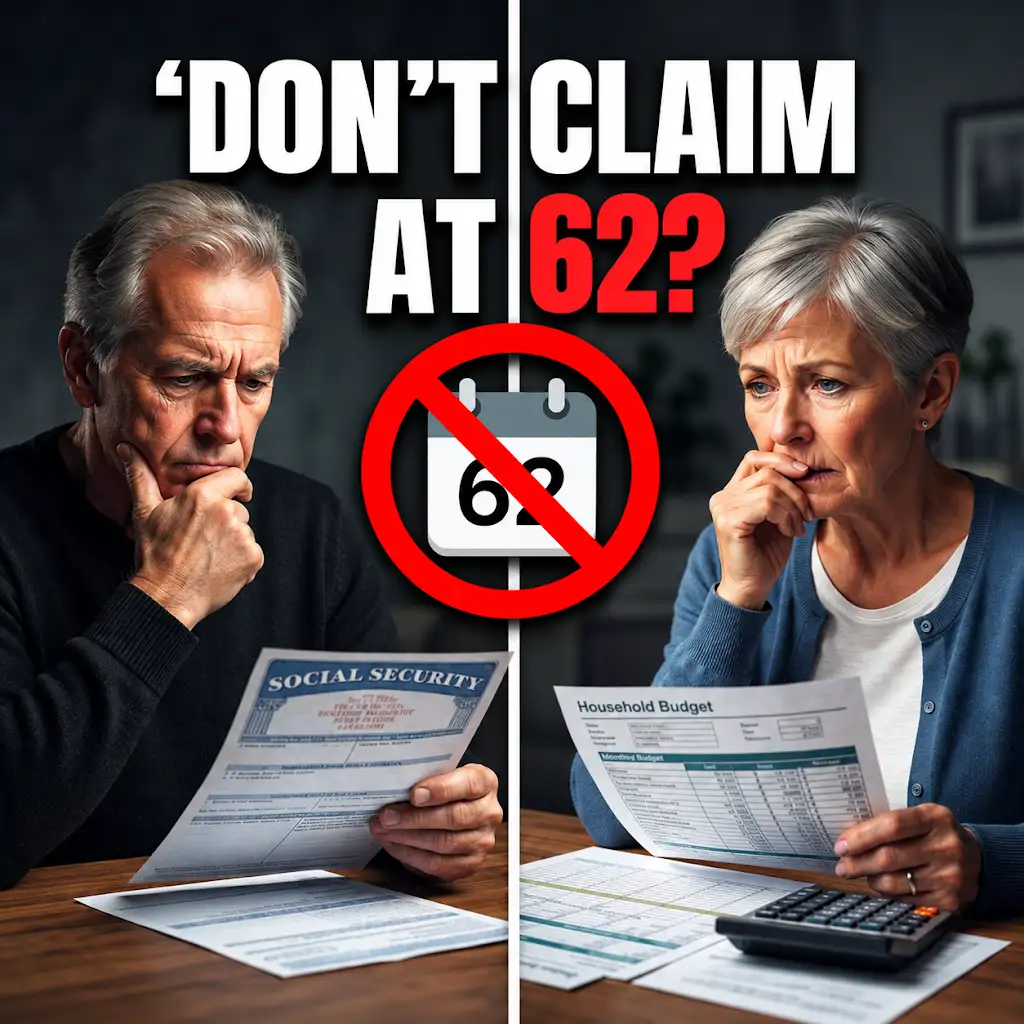
The Social Security Mistake At 62 That Could Ruin Your Spouse’s Retirement
FAQs
What is a Social Security survivor benefit for widowers?
A Social Security survivor benefit for widowers is a monthly payment provided by the Social Security Administration to the surviving spouse of a deceased worker who was eligible for Social Security benefits.
Who is eligible to receive a Social Security survivor benefit as a widower?
A widower is eligible to receive a Social Security survivor benefit if they were married to the deceased worker for at least nine months before the worker passed away, or if they are caring for the deceased worker’s child who is under the age of 16 or disabled.
How is the amount of a Social Security survivor benefit for widowers determined?
The amount of a Social Security survivor benefit for widowers is based on the deceased worker’s earnings history. The widower can receive up to 100% of the deceased worker’s benefit amount, depending on their age and the age of any qualifying children.
Can a widower receive a Social Security survivor benefit and their own retirement benefit?
Yes, a widower can receive both a Social Security survivor benefit and their own retirement benefit. However, the amount of each benefit may be reduced if the widower is receiving both simultaneously.
Are there any conditions that may affect a widower’s eligibility for a Social Security survivor benefit?
Yes, there are certain conditions that may affect a widower’s eligibility for a Social Security survivor benefit, such as remarriage before the age of 60 (or 50 if disabled), or if the widower is entitled to a higher benefit based on their own work record.