
## The Illusion of Gross: Why Knowing Your Net Retirement Income is Crucial
You’ve spent decades diligently saving, watching your retirement nest egg grow. Now, as you approach that coveted golden age, you’re starting to look at the numbers, picturing yourself enjoying newfound freedom. You see that impressive sum, the one that represents your hard work and sacrifice. But hold on. Are you looking at the right number? The difference between what you think you’ll have and what you’ll actually have in your bank account to spend can be stark, and understanding this distinction is paramount to a secure and enjoyable retirement. This is where the concept of gross withdrawal versus net after taxes comes into play, and it’s a crucial piece of the retirement planning puzzle that many overlook. Your financial well-being in retirement hinges on understanding the real purchasing power of your money, not just the theoretical amount you withdraw from your accounts.
Think about it this way: you might see a monthly retirement income figure that looks substantial, something that allows for lavish travel, hobbies, and maybe even helping out the grandkids. But if a significant chunk of that is going to be siphoned off by taxes, that picture can quickly fade, replaced by a reality of budget constraints and difficult choices. The gross withdrawal is the headline number, the figure you see when you look at your account balance or project your pension payments. It’s the total amount you can technically take out. The net after taxes, however, is the true income – the money that actually lands in your checking account, ready to be spent on groceries, utilities, and those well-deserved retirement indulgences. Failing to grasp this difference can lead to a ripple effect of financial stress and disappointment, making it harder to achieve the retirement you’ve envisioned.
This article aims to demystify this critical concept. We’ll break down what gross withdrawal and net after taxes truly mean in the context of your retirement income. We’ll explore the various types of retirement accounts and how they’re taxed, the impact of different withdrawal strategies, and the importance of consulting with financial professionals. By the end, you’ll be equipped with the knowledge to make informed decisions, ensuring that your retirement years are as financially comfortable and worry-free as possible. It’s about moving beyond the initial excitement of a large sum and focusing on the tangible reality of what that sum will actually provide for you, day in and day out.
When considering the implications of gross withdrawal versus net after taxes, it’s essential to understand how these concepts affect your overall financial strategy. A related article that delves deeper into this topic can be found at How Wealth Grows, where it discusses the importance of accounting for taxes in your withdrawal strategy to ensure that you are maximizing your retirement income effectively.
## Deciphering the Gross Withdrawal: The Starting Point of Your Retirement Funds

The gross withdrawal is essentially the total amount of money you take out from your retirement savings or pension plan during a specific period, usually a month or a year. It’s the pre-tax, pre-fee amount. If you’re drawing from a traditional IRA, a 401(k), or a defined benefit pension plan, the figure you see quoted is typically the gross amount. For example, if you have a pension that promises to pay you $5,000 per month, that $5,000 is your gross withdrawal. Similarly, if you plan to withdraw $10,000 from your traditional IRA next year, that $10,000 is your gross withdrawal. This number is important because it’s your initial point of reference. It’s the amount that your financial institution or pension administrator will make available to you.
### Traditional Retirement Accounts: The Taxable Nature of Your Withdrawals
When you contribute to traditional retirement accounts like traditional IRAs and 401(k)s, you often do so with pre-tax dollars. This means that your contributions are tax-deductible in the year you make them, lowering your current taxable income. While this is a fantastic benefit during your working years, it comes with a significant caveat: the money you withdraw in retirement from these accounts will be taxed as ordinary income. This is because you’ve essentially deferred paying taxes on that money until you start taking it out. So, that $5,000 monthly pension payment or the $10,000 you plan to withdraw from your IRA is subject to federal and potentially state income taxes. The government views this money as income earned in retirement, and therefore, it’s taxable.
### The Illusion of Income: Why Gross Doesn’t Equal Spending Power
It’s easy to get caught up in the impressive-sounding gross figures. You might be looking at your projected retirement income statements and seeing figures that seem more than adequate to fund your desired lifestyle. However, this is where the illusion can set in. The gross withdrawal doesn’t represent your spending power. It’s the raw amount before any deductions. Imagine you’re looking at a pay stub from your working days. The “gross pay” is a number, but what you actually take home is significantly less after taxes, health insurance premiums, and retirement contributions are deducted. The same principle applies to your retirement income. The gross withdrawal is just the starting point; the real number that matters for your daily life is what’s left after taxes.
## Understanding Net After Taxes: The True Picture of Your Spendable Income
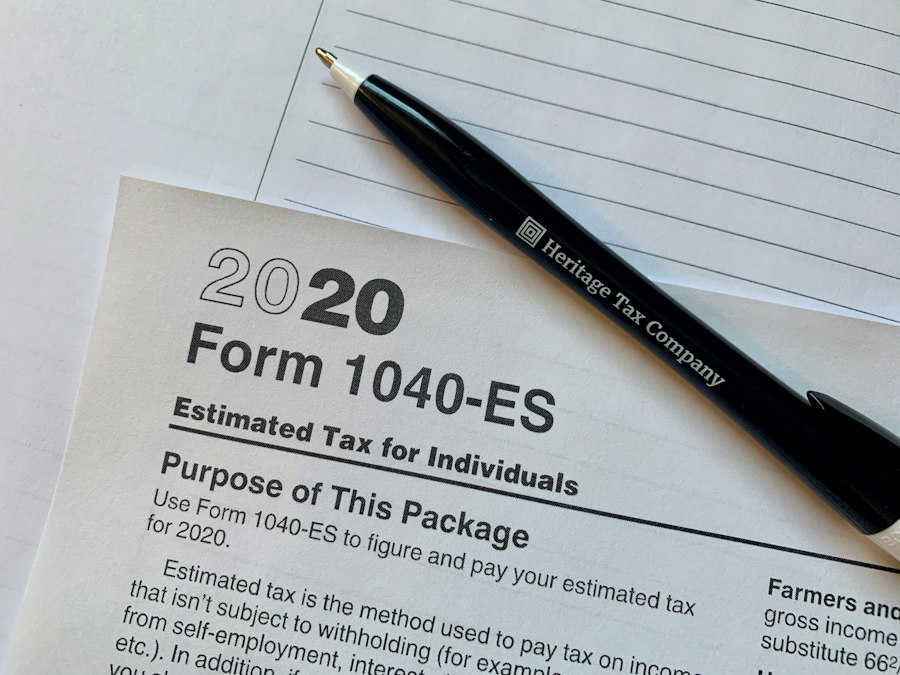
Net after taxes is the amount of money you actually have available to spend after all applicable taxes have been deducted from your gross withdrawal. This is the crucial figure that dictates your actual purchasing power and, consequently, your retirement lifestyle. If your gross withdrawal is $5,000 per month, and your combined federal and state tax rate on that income is 20%, then your net after-tax income is $4,000. This $4,000 is what you can realistically budget for, plan with, and enjoy. Overlooking this can lead to a significant shortfall in your retirement funds, forcing you to make difficult decisions about your spending or even having to tap into your principal at a faster rate than anticipated.
### Taxable vs. Tax-Advantaged Accounts: A Tale of Two Withdrawals
The way your retirement accounts are taxed during withdrawal significantly impacts your net income. As we’ve discussed, traditional retirement accounts are taxed upon withdrawal. However, there are other types of accounts, like Roth IRAs and Roth 401(k)s, that operate differently. Contributions to Roth accounts are made with after-tax dollars. This means you don’t get a tax deduction in the year you contribute. The major advantage, however, is that qualified withdrawals in retirement are completely tax-free. So, if you withdraw $10,000 from a Roth IRA, that entire $10,000 is yours to spend; there are no taxes to deduct. This distinction between taxable and tax-advantaged withdrawals is fundamental to calculating your true net income.
### State and Local Taxes: An Additional Layer of Complexity
Don’t forget about state and local income taxes! While federal income tax is a given for most retirement income, many states also levy their own income taxes. The rates and rules vary significantly from state to state. Some states have no income tax at all, which can be a major advantage for retirees. Others have progressive tax rates, meaning higher earners pay a higher percentage. When calculating your net after-tax retirement income, you must factor in your state’s tax laws. This can be a significant consideration when deciding where to retire. A gross withdrawal that seems manageable in a low-tax state might become uncomfortably tight in a high-tax state.
## Factors Influencing Your Tax Liability in Retirement: It’s Not One-Size-Fits-All
Several factors come into play when determining how much of your gross retirement withdrawal will be subject to taxes. Your age, the type of retirement accounts you’re drawing from, your overall income from all sources (including Social Security and any part-time work), and even your filing status all play a role. Understanding these variables is crucial for accurate financial planning and for making informed decisions about withdrawal strategies. It’s a complex interplay, and what might seem straightforward on the surface can have nuanced implications.
### Social Security and Other Income Sources: The Impact on Your Tax Bracket
Your Social Security benefits can be taxable, depending on your total income. This includes your retirement account withdrawals, any pensions, and earnings from part-time work. The IRS uses a “provisional income” calculation to determine the taxable portion of your Social Security benefits. If your provisional income falls within certain ranges, a portion of your benefits will be included in your taxable income. This, in turn, can push you into a higher tax bracket, meaning a larger percentage of your retirement account withdrawals will also be taxed. It’s like a domino effect, where one income source can impact the taxation of others, ultimately reducing your net after-tax income.
### Required Minimum Distributions (RMDs): A Mandated Withdrawal and Its Tax Implications
For traditional IRAs, 401(k)s, and other qualified retirement plans, the government mandates that you begin taking withdrawals, known as Required Minimum Distributions (RMDs), once you reach a certain age (currently 73, but subject to change). These RMDs are calculated based on your account balance and your life expectancy, and they are treated as taxable income in the year you receive them. Even if you don’t need the money, you must take it out, and it will be subject to income tax. This is another crucial element in calculating your net after-tax retirement income, as RMDs can significantly increase your taxable income in retirement.
### The Role of Your Filing Status: Single, Married, or Head of Household
Your marital status and how you choose to file your taxes can also impact your tax liability. Married couples filing jointly often benefit from lower tax rates than two single individuals with the same combined income. Similarly, filing as a head of household can provide certain tax advantages. Understanding how your filing status affects your tax bracket and the overall taxability of your retirement income is an important step in accurately estimating your net after-tax funds. This is another area where professional advice can be invaluable, as tax laws can be intricate and change over time.
When considering the implications of gross withdrawal versus net after taxes, it’s essential to understand how these figures impact your overall financial strategy. A related article that delves deeper into this topic can be found on How Wealth Grows, which explores various aspects of wealth management and tax efficiency. For those looking to optimize their financial planning, understanding the difference between these two types of withdrawals is crucial. You can read more about it in this insightful piece on wealth growth strategies.
## Strategies for Optimizing Your Net Retirement Income: Making Your Money Work Smarter
| Year | Gross Withdrawal | Tax Rate (%) | Taxes Paid | Net After Taxes | Net as % of Gross |
|---|---|---|---|---|---|
| 2020 | 50,000 | 20 | 10,000 | 40,000 | 80% |
| 2021 | 55,000 | 22 | 12,100 | 42,900 | 78% |
| 2022 | 60,000 | 25 | 15,000 | 45,000 | 75% |
| 2023 | 65,000 | 23 | 14,950 | 50,050 | 77% |
| 2024 | 70,000 | 21 | 14,700 | 55,300 | 79% |
The good news is that you’re not simply at the mercy of the taxman. There are proactive strategies you can employ to optimize your net retirement income and ensure your hard-earned savings provide the most financial comfort. These strategies involve careful planning, understanding your options, and making informed choices about when and how to access your funds. It’s about being strategic and thinking ahead, rather than just reacting to your financial situation as it unfolds.
### The Power of Tax Diversification: Balancing Taxable, Tax-Deferred, and Tax-Free Accounts
A well-diversified retirement portfolio isn’t just about asset allocation; it’s also about tax diversification. Having a mix of taxable accounts (like brokerage accounts), tax-deferred accounts (traditional IRAs/401(k)s), and tax-free accounts (Roth IRAs/401(k)s) gives you flexibility in retirement. This allows you to strategically draw from different accounts to manage your taxable income. For instance, you might choose to withdraw from your taxable accounts in years when you expect to be in a lower tax bracket, or draw from Roth accounts when you anticipate higher tax rates in the future. This can help you smooth out your tax liability over your retirement years.
### Strategic Withdrawal Sequencing: When to Tap Which Account
The order in which you withdraw from your various retirement accounts can have a significant impact on your net income. There’s no single universal rule, as it depends on your specific circumstances, tax bracket, and the rules governing each account. However, some general principles apply. For example, it might be beneficial to draw from taxable accounts first, allowing your tax-deferred and tax-free accounts to continue growing tax-advantaged. Conversely, in years where you need to manage your income to avoid higher tax brackets or to keep Social Security benefits from being heavily taxed, tapping into tax-free Roth accounts might be the most advantageous. This is where detailed financial modeling and professional guidance are indispensable.
### Understanding the Impact of Capital Gains Taxes and Investment Income
Beyond income taxes on withdrawals from retirement accounts, you also need to consider taxes on investment income and capital gains. If you have investments outside of your retirement accounts, or if you sell assets within a taxable brokerage account, you’ll be subject to capital gains taxes. Short-term capital gains (from assets held for one year or less) are taxed at your ordinary income rate, while long-term capital gains are taxed at lower, preferential rates. Understanding these tax implications is crucial for managing your overall tax burden in retirement and ensuring that your investment growth is not unduly eroded by taxes.
## Seeking Professional Guidance: Your Ally in Navigating Retirement Tax Complexities
The world of retirement planning and taxation can be complex and ever-changing. What might seem straightforward today could have different implications tomorrow due to evolving tax laws or changes in your personal financial situation. This is precisely why seeking professional guidance from qualified financial advisors and tax professionals is not just recommended; it’s often essential for ensuring a secure and financially sound retirement. They possess the expertise to navigate these intricacies and help you make the best decisions for your unique circumstances.
### Financial Planners: Holistic Retirement Income Strategies
A good financial planner can help you develop a comprehensive retirement income strategy that takes into account your gross withdrawal goals, your anticipated tax liabilities, and your desired lifestyle. They can assist you in projecting your net after-tax income, identifying potential tax pitfalls, and recommending strategies for tax-efficient withdrawals. They look at the big picture, integrating your savings, investments, Social Security, pensions, and any other income sources to create a roadmap that maximizes your spendable income throughout your retirement years.
### Tax Professionals: Maximizing Your Tax Efficiency
Tax professionals, such as Certified Public Accountants (CPAs) or Enrolled Agents (EAs), are invaluable for understanding the nuances of tax law. They can help you determine your projected tax bracket in retirement, advise on the tax implications of different withdrawal strategies, and ensure you’re taking advantage of any available tax deductions or credits. They can also help you with tax planning to minimize your overall tax liability, ensuring that more of your hard-earned money stays in your pocket. Their specialized knowledge is crucial for navigating the often-confusing landscape of tax regulations.
By understanding the critical difference between gross withdrawal and net after taxes, and by proactively implementing smart strategies, you can approach your retirement with confidence, knowing that you have a realistic understanding of your financial resources and a plan to make them last. Your retirement should be a time of enjoyment and freedom, not financial anxiety, and this knowledge is the first step towards achieving that goal.

Your 401(k) Withdrawal Can Make More of Your Social Security Taxable
FAQs
What is gross withdrawal?
Gross withdrawal refers to the total amount of money taken out of an account or investment before any deductions or taxes are applied.
What is net after taxes?
Net after taxes is the amount of money remaining after taxes have been deducted from the gross withdrawal. It represents the actual amount of money that the individual will receive.
How are taxes calculated on withdrawals?
Taxes on withdrawals are typically calculated based on the individual’s tax bracket and the type of account or investment from which the withdrawal is made. The tax rate can vary depending on various factors.
What are some examples of accounts subject to taxes on withdrawals?
Accounts such as traditional IRAs, 401(k) plans, and annuities are subject to taxes on withdrawals. The tax treatment of withdrawals from these accounts can vary based on the specific rules and regulations governing each type of account.
Why is it important to consider gross withdrawal vs net after taxes?
Understanding the difference between gross withdrawal and net after taxes is crucial for financial planning and decision-making. It helps individuals accurately assess the impact of taxes on their withdrawals and plan for their financial future accordingly.