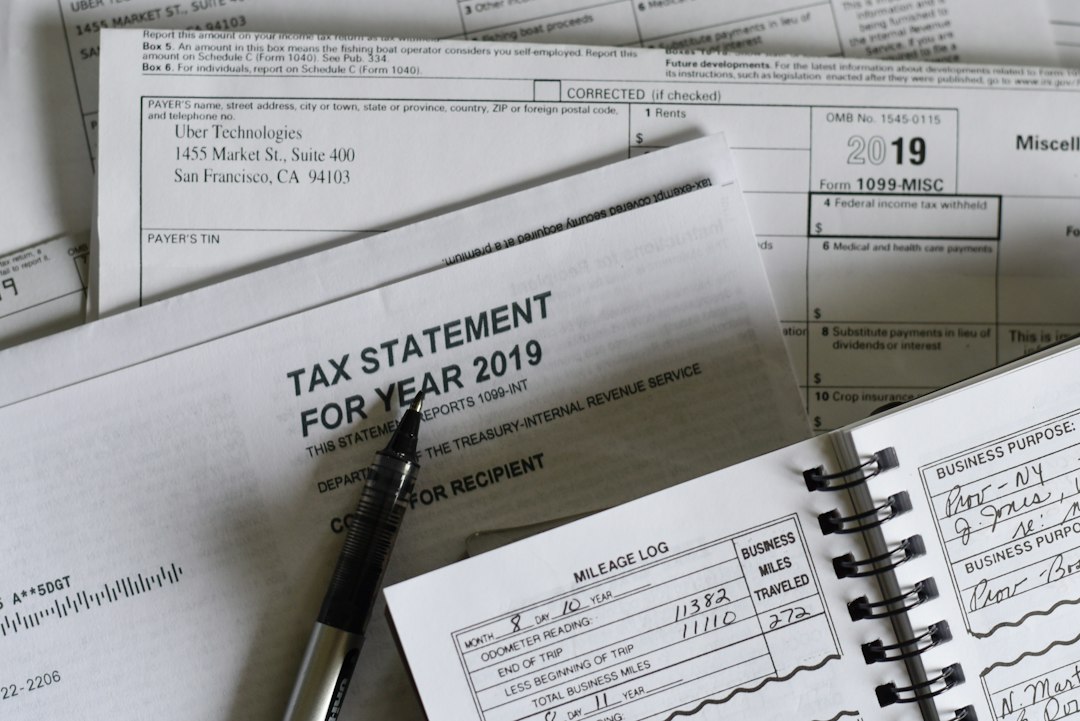
You’ve worked hard, saved diligently, and now the dream of retirement is within reach. But as you envision sun-drenched days and leisurely pursuits, a crucial question looms: how will you fund this new chapter of your life without unnecessarily depleting your nest egg through taxes? This is where smart strategies for tax-efficient retirement withdrawals planning become paramount. It’s not just about having enough money; it’s about making that money work harder for you for longer by minimizing your tax burden.
Retirement isn’t a one-size-fits-all scenario, and neither are withdrawal strategies. The tax implications of accessing your savings can significantly impact your lifestyle and the longevity of your funds. Understanding the different types of retirement accounts you hold, their respective tax treatments, and the rules governing withdrawals is the first step towards a secure and tax-smart retirement. This isn’t a field where you want to stumble into costly mistakes. Proactive planning, informed decisions, and a clear understanding of the tax landscape will allow you to enjoy your retirement with greater financial peace of mind.
Navigating the Diverse Landscape of Retirement Accounts
Your retirement savings are likely housed in a variety of accounts, each with its own tax characteristics. Understanding these differences is fundamental to developing an effective withdrawal strategy. You’ll need to know the ins and outs of your Traditional IRAs, Roth IRAs, 401(k)s, pensions, and taxable brokerage accounts to make informed decisions about which funds to tap into and when. This section will illuminate the tax treatments of these common retirement vehicles, empowering you to make strategic choices.
Traditional IRAs and 401(k)s: The Pre-Tax Powerhouses
For many, Traditional IRAs and 401(k) plans represent the bedrock of their retirement savings. The primary tax advantage of these accounts lies in their pre-tax nature. This means that the contributions you made were often tax-deductible in the year they were contributed, and the investment earnings within the account grow tax-deferred. This is a significant benefit during your working years, as it reduces your current taxable income.
However, this tax deferral comes with a trade-off: when you withdraw money from these accounts in retirement, those withdrawals are taxed as ordinary income. This is a critical point to grasp. The IRS views these distributions as a realization of income that was previously shielded from taxation. The tax rate you’ll pay on these withdrawals will depend on your overall taxable income in retirement, which can fluctuate year to year. This is where strategic withdrawal planning becomes essential. Instead of taking all your required minimum distributions (RMDs) at once, for example, you might consider spreading them out or coordinating them with other income sources to manage your tax bracket.
You’ll also need to be aware of the age at which you can begin withdrawing funds without incurring a 10% early withdrawal penalty. For most Traditional IRAs and 401(k)s, this age is 59½. Withdrawals made before this age are typically subject to both ordinary income tax and the 10% penalty, unless specific exceptions apply. Once you reach age 73 (or 75, depending on your birth year), you’ll be subject to Required Minimum Distributions (RMDs). These are mandatory withdrawals that the IRS requires you to take, ensuring that eventually, the government collects taxes on the deferred income. The amount of your RMD is calculated based on your account balance and your life expectancy. Failing to take RMDs can result in significant penalties.
Roth IRAs and Roth 401(k)s: The Post-Tax Advantage
Roth IRAs and Roth 401(k)s offer a different, often more appealing, tax structure for retirement. The key distinction is that contributions to Roth accounts are made with after-tax dollars. This means you don’t get an upfront tax deduction for your contributions. However, the substantial benefit comes in retirement: qualified withdrawals of both your contributions and any earnings are entirely tax-free. This is a powerful tool for tax diversification, as it provides a source of income in retirement that is not subject to income tax.
To qualify for tax-free withdrawals, you generally need to meet two conditions: you must be at least 59½ years old, and you must have held the Roth account for at least five years (the “five-year rule”). The five-year rule begins on January 1st of the tax year in which you made your first contribution to any Roth IRA. If you are younger than 59½ and withdraw earnings, those earnings may be subject to ordinary income tax and potentially the 10% early withdrawal penalty, though your contributions can always be withdrawn tax- and penalty-free.
One of the unique advantages of Roth IRAs is that there are no RMDs for the original owner during their lifetime. This provides unparalleled flexibility, allowing your funds to continue growing tax-free for as long as you live, or to be passed on to beneficiaries, who will then be subject to distribution rules. While Roth 401(k)s also offer tax-free growth and qualified withdrawals, they are subject to RMDs unless you roll them over into a Roth IRA. This inherent tax-free nature of Roth accounts makes them a valuable component of a diversified retirement income plan, particularly if you anticipate being in a higher tax bracket in retirement or want to leave a tax-free inheritance.
Taxable Brokerage Accounts: Flexibility with Immediate Tax Awareness
Beyond dedicated retirement accounts, you likely have investments held in taxable brokerage accounts. These accounts offer the most flexibility in terms of access, as there are generally no age restrictions or penalties for withdrawal. However, the tax implications are immediate and continuous. Any dividends, interest, or capital gains generated within these accounts are taxable in the year they are realized.
When you sell an investment in a taxable account, you’ll incur capital gains tax. The rate depends on how long you’ve held the asset: short-term capital gains (assets held for one year or less) are taxed at your ordinary income tax rate, while long-term capital gains (assets held for more than one year) are taxed at generally lower rates. This distinction is crucial for tax-efficient investing and withdrawal strategies.
The key to managing the tax impact of taxable accounts in retirement is strategic selling and tax-loss harvesting. You can choose to sell assets that have appreciated less to minimize capital gains, or strategically sell assets at a loss to offset capital gains. This is known as tax-loss harvesting and can be a powerful tool to reduce your overall tax liability. Furthermore, consider holding investments that generate qualified dividends and long-term capital gains, as these are taxed at more favorable rates. The flexibility of taxable accounts allows you to supplement your retirement income from tax-deferred and tax-free sources, but it requires a conscious effort to manage the ongoing tax consequences.
When planning for retirement, one of the most crucial aspects to consider is how to withdraw funds in a tax-efficient manner. A related article that provides valuable insights on this topic can be found at How Wealth Grows. This resource offers strategies and tips to help retirees maximize their income while minimizing tax liabilities, ensuring a more secure financial future during retirement.
Crafting a Withdrawal Sequence for Maximum Tax Efficiency

The order in which you draw income from your various retirement accounts can have a profound impact on your overall tax liability throughout retirement. There’s no single “right” sequence, as it depends on your individual circumstances, anticipated income needs, and tax bracket projections. However, understanding the principles behind a strategic withdrawal sequence can help you optimize your tax outcomes and preserve your wealth.
Prioritizing the Taxable Bucket First
A common strategy is to prioritize drawing from taxable brokerage accounts first. The rationale here is straightforward: you want to allow your tax-advantaged accounts (Traditional IRAs, 401(k)s, and Roths) to continue growing tax-deferred or tax-free for as long as possible. By tapping into your taxable assets, you can fund your immediate needs while your other accounts benefit from continued compounding.
This approach can be particularly advantageous if you are under age 59½ and want to avoid early withdrawal penalties on your retirement accounts. It also allows you to manage your capital gains tax liability strategically. By carefully selecting which assets to sell, you can control your annual taxable gains and potentially benefit from lower long-term capital gains rates. Furthermore, if your taxable account is your primary source of funds for the initial years of retirement, it can help to defer the realization of taxable income from your IRA and 401(k) accounts, potentially keeping you in a lower tax bracket during those early retirement years.
However, it’s important to have a well-diversified taxable portfolio to support this strategy. If your taxable investments are heavily weighted towards assets with high turnover or significant dividend income, the tax burden might become substantial. Moreover, consider the potential impact on your Social Security benefits. A higher taxable income in retirement could lead to a larger portion of your Social Security benefits being subject to income tax. Therefore, while this strategy offers significant benefits, it requires careful consideration of your overall financial picture.
Leveraging Tax-Deferred Accounts Strategically
Once your taxable accounts are depleted or significantly reduced, or if you’re already in a favorable tax bracket, you can begin to strategically tap into your tax-deferred accounts like Traditional IRAs and 401(k)s. The goal here is to manage your tax liability by strategically timing withdrawals to avoid pushing you into higher tax brackets unnecessarily.
This is where understanding RMDs becomes crucial. While you are required to take RMDs from age 73 (or 75), you are not obligated to take the full RMD amount in any given year if your income needs are lower. You can take just the RMD amount, or even slightly more if it keeps you in a desirable tax bracket. For example, if you anticipate a year where your other income sources are low, you might consider taking a larger withdrawal from your Traditional IRA than the RMD to fill up a lower tax bracket, rather than having that income taxed at a higher rate in a future year when other income sources might increase.
Another strategy is to consider Roth conversions. A Roth conversion involves moving funds from a Traditional IRA or 401(k) into a Roth IRA. You’ll pay income tax on the amount converted in the year of the conversion. This can be a smart move if you believe you are currently in a lower tax bracket than you will be in the future, or if you want to create a tax-free income stream for later in retirement or for your heirs. It’s often beneficial to do Roth conversions in years when your income is lower, such as in the early years of retirement before RMDs kick in, or in years when you have significant deductions or tax credits.
Utilizing Roth Accounts for Tax-Free Income
Your Roth IRAs and Roth 401(k)s (after conversion) are your ultimate tax-free income sources. These accounts should ideally be the last to be drawn from, or used strategically to fill in gaps and manage your overall tax liability. Because qualified withdrawals from Roth accounts are tax-free, they offer unparalleled flexibility in retirement.
You can use Roth funds to supplement your income in years when your taxable income from other sources is high, thereby helping you avoid pushing into even higher tax brackets. For instance, if you’ve strategically managed your Traditional IRA withdrawals to keep your taxable income at a certain level, but an unexpected expense arises, a withdrawal from your Roth account can cover that expense without increasing your taxable income at all.
Furthermore, Roth accounts are excellent for providing a buffer against unexpected expenses or for leaving a tax-free legacy to your heirs. Because there are no RMDs for the original owner, the funds can continue to grow tax-free for your lifetime, providing a flexible and powerful tool for wealth transfer. By carefully orchestrating your withdrawals from taxable, tax-deferred, and tax-free accounts, you can create a sustainable and tax-efficient income stream that lasts throughout your retirement.
Strategic Management of Required Minimum Distributions (RMDs)

Required Minimum Distributions (RMDs) are a non-negotiable aspect of managing your tax-deferred retirement accounts once you reach a certain age. However, the way you manage these mandatory withdrawals can significantly influence your tax burden. Proactive planning around RMDs is essential to avoid unexpected tax surprises and to optimize your retirement income.
Understanding Your RMD Obligations and Calculations
The age at which you must start taking RMDs is determined by your birth year. Currently, it’s age 73 for individuals born between 1951 and 1959, and age 75 for those born in 1960 or later. For those born before 1951, the age was 72. The amount of your RMD is calculated annually based on the account balance as of December 31st of the previous year and the IRS Uniform Lifetime Table, which provides a life expectancy factor. You’ll calculate your RMD for each Traditional IRA and 401(k) individually, but you can aggregate the total RMD from all your Traditional IRAs and take the total amount from any one of them. For 401(k)s, you generally must take RMDs from each plan separately, unless you’ve rolled them into an IRA.
It’s crucial to be aware that missing an RMD or taking an insufficient amount can result in a steep penalty of 25% of the amount that should have been withdrawn, though this can be reduced to 10% if corrected promptly. This highlights the importance of accurate calculation and timely withdrawal. You also need to consider that your RMDs are considered taxable income in the year they are withdrawn. Therefore, they will contribute to your overall taxable income and can impact your tax bracket, Medicare premiums (IRMAA), and the taxation of your Social Security benefits.
Timing and Amount of RMD Withdrawals
While RMDs are mandatory, you have some flexibility in how and when you take them within the year. The RMD must be taken by December 31st of each year. However, for your first RMD, you can elect to defer it until April 1st of the following year. This can be beneficial for tax planning, allowing you to effectively receive two RMDs in one year (your first deferred RMD and your current year’s RMD), but it also means you’ll be taxed on both in that single year, potentially pushing you into a higher tax bracket.
When deciding on the exact amount to withdraw beyond the minimum required, consider your income needs and tax bracket. If you have a year where your other income is low, you might consider taking a slightly larger withdrawal than the RMD to fill up a lower tax bracket. Conversely, if your income is already high, you might stick strictly to the RMD amount. It’s also wise to have a buffer of readily accessible funds so you don’t have to liquidate investments at an inopportune time to meet your RMD. Remember that RMDs from Traditional IRAs and 401(k)s are taxed as ordinary income, so strategizing their timing relative to your other income sources is key to minimizing your overall tax liability.
RMDs and Roth Conversions: A Synergistic Approach
The interaction between RMDs and Roth conversions can be a powerful tax-management tool. Since Roth IRAs do not have RMDs for the original owner, they offer a way to escape the annual taxation that comes with RMDs from Traditional IRAs and 401(k)s. This makes strategic Roth conversions a compelling consideration, especially in the years leading up to and during your RMD years.
If you anticipate your RMDs will push you into a higher tax bracket, consider converting some of your Traditional IRA or 401(k) funds to a Roth IRA in advance. By paying the tax on these converted amounts in a lower tax bracket year, you can reduce your future RMDs and create a source of tax-free income. For example, if you are still working and have a predictable income, but know that your RMDs will be substantial once you stop working, converting some of those funds now can be a wise tax move.
Furthermore, if you have a significant RMD and your income is already high, you might consider using some of that RMD to fund a Roth conversion. While you’ll pay tax on the RMD withdrawal, you’ll then immediately convert it to a Roth, moving those future earnings and distributions out of the taxable realm. This approach can be particularly effective if you believe tax rates will rise in the future. The key is to analyze your projected income, tax brackets, and RMD amounts to determine the optimal timing and volume of Roth conversions to mitigate the impact of future RMDs.
Advanced Strategies for Tax-Loss Harvesting and Asset Location
Beyond the sequencing of withdrawals, two sophisticated strategies can significantly enhance your tax efficiency in retirement: tax-loss harvesting and asset location. These techniques, when implemented thoughtfully, can reduce your current tax bill and preserve more of your investment gains for your retirement years.
The Art of Tax-Loss Harvesting
Tax-loss harvesting is a strategy that involves selling investments that have declined in value to realize capital losses. These realized losses can then be used to offset capital gains, and if losses exceed gains, up to $3,000 of ordinary income per year. Any remaining net capital losses can be carried forward indefinitely to offset future capital gains. The primary benefit is that it reduces your current tax liability, allowing you to keep more of your investment returns.
To implement tax-loss harvesting effectively, you need to monitor your portfolio regularly for opportunities. When an investment has declined below its purchase price, you can sell it. Crucially, to avoid triggering the “wash-sale rule,” which disallows the loss if you repurchase the same or a substantially identical security within 30 days before or after the sale, you should either wait 31 days to repurchase the same security or invest in a similar, but not identical, security. This is where diversification and strategic asset allocation come into play. You can sell a stock that has lost value and immediately reinvest the proceeds in a different company within the same sector or an ETF that tracks a similar index.
This strategy is particularly beneficial in taxable brokerage accounts. By actively managing your capital gains and losses, you can significantly reduce your annual tax bill, freeing up more capital for reinvestment or to fund your retirement expenses. It’s a proactive approach that requires diligence but can yield substantial tax savings over time.
Strategic Asset Location: Where to Hold What
Asset location refers to the strategic placement of different types of investments across your various retirement and taxable accounts to maximize tax efficiency. The principle is to hold less tax-efficient investments in tax-advantaged accounts and more tax-efficient investments in taxable accounts.
For instance, assets that generate significant ordinary income, such as high-dividend stocks, bonds, and REITs, are generally best held within tax-deferred accounts like Traditional IRAs and 401(k)s. This is because the income generated by these assets will be taxed at ordinary income rates upon withdrawal from these accounts. By deferring that taxation, you allow the earnings to compound tax-free or tax-deferred. Conversely, assets that generate long-term capital gains or qualified dividends, such as growth stocks or index funds that are held for the long term, are generally more tax-efficient when held in taxable accounts. This is because long-term capital gains and qualified dividends are taxed at lower rates. By holding these in taxable accounts, you can benefit from the lower tax rates when you eventually sell them.
Roth accounts offer even more flexibility. Because qualified withdrawals from Roth accounts are tax-free, you can hold any type of asset within a Roth IRA or Roth 401(k) without immediate tax concern. This makes them ideal for assets that are expected to generate substantial growth, as that growth will be entirely tax-free. Carefully considering asset location can significantly reduce your overall tax drag on your investment portfolio, allowing your wealth to grow more robustly over time.
When considering how to maximize your retirement savings, it’s essential to plan your withdrawals in a tax-efficient manner. A related article that provides valuable insights on this topic can be found at How Wealth Grows, where you can learn strategies to minimize your tax burden during retirement. By understanding the nuances of tax implications on different types of accounts, you can make informed decisions that enhance your financial well-being in your golden years.
The Importance of Professional Guidance and Ongoing Review
| Withdrawal Strategy | Tax Implications | Recommended Age to Start | Annual Withdrawal Limit | Notes |
|---|---|---|---|---|
| Traditional IRA Withdrawals | Taxed as ordinary income | 59½ or later | Required Minimum Distributions (RMDs) start at 73 | Withdraw before 59½ may incur 10% penalty |
| Roth IRA Withdrawals | Tax-free if account held 5+ years and age 59½+ | 59½ or later | No RMDs during owner’s lifetime | Contributions can be withdrawn anytime tax-free |
| Taxable Investment Accounts | Capital gains tax on profits | Anytime | No limit | Consider tax-loss harvesting to offset gains |
| Social Security Benefits | Taxable depending on income level | 62 earliest, full benefits at 67-70 | Based on benefit calculation | Delaying increases monthly benefit amount |
| Health Savings Account (HSA) Withdrawals | Tax-free if used for qualified medical expenses | Anytime for medical expenses, 65+ for other withdrawals | Contribution limits apply annually | Non-medical withdrawals taxed as income after 65 |
Navigating the complexities of tax-efficient retirement withdrawals can be daunting. The rules and regulations are constantly evolving, and your personal financial situation is unique. Therefore, seeking professional guidance and committing to an ongoing review of your plan are not just recommended; they are essential for long-term success.
When to Seek Expert Advice
While you can learn a great deal about retirement planning and tax strategies through self-study, the intricacies of tax law and financial planning often warrant the expertise of professionals. A qualified financial advisor who specializes in retirement planning and tax strategies can provide personalized recommendations tailored to your specific circumstances. They can help you understand the nuances of your particular retirement accounts, analyze your projected income and expenses, and develop a withdrawal strategy that aligns with your goals and risk tolerance.
Furthermore, a tax professional (CPA or Enrolled Agent) can offer invaluable insights into the latest tax laws, identify potential tax deductions and credits you may be eligible for, and help you navigate the complexities of RMD calculations and Roth conversions. They can also advise on estate planning considerations, which are closely linked to retirement withdrawal strategies, especially concerning the taxation of inherited retirement accounts. Don’t hesitate to invest in professional advice; it can often save you far more in taxes and prevent costly mistakes down the line.
The Necessity of Regular Plan Review and Adjustments
Your retirement plan is not a static document; it’s a living strategy that needs to be reviewed and adjusted regularly. Life circumstances change, market conditions fluctuate, and tax laws are subject to revision. What worked perfectly when you first retired may not be optimal a few years down the line.
You should aim to review your retirement withdrawal plan at least annually, or whenever significant life events occur, such as changes in your health, marital status, or family situation, or a significant shift in your investment portfolio’s performance. This review should encompass your income needs, your current tax situation, the performance of your investments, and any changes in tax legislation. Are you on track to meet your income goals? Are your withdrawals still tax-efficient? Are there new opportunities for tax savings?
By staying engaged with your plan and making necessary adjustments, you can ensure that your retirement income strategy remains effective and continues to serve your best interests throughout your retirement years. Proactive monitoring and adaptation are the cornerstones of a truly successful and tax-efficient retirement.

Your 401(k) Withdrawal Can Make More of Your Social Security Taxable
FAQs
What are some tax-efficient strategies for withdrawing money in retirement?
Some tax-efficient strategies for withdrawing money in retirement include utilizing a combination of taxable, tax-deferred, and tax-free accounts, managing your income to stay within lower tax brackets, and considering Roth conversions.
How can I minimize taxes on my retirement withdrawals?
To minimize taxes on your retirement withdrawals, you can spread out withdrawals over multiple years, take advantage of tax deductions and credits, consider the impact of Social Security benefits on your tax liability, and consult with a financial advisor for personalized advice.
What are the tax implications of withdrawing money from different types of retirement accounts?
Withdrawing money from different types of retirement accounts can have varying tax implications. Withdrawals from traditional 401(k) or IRA accounts are typically taxed as ordinary income, while withdrawals from Roth accounts are tax-free if certain conditions are met. Taxable investment accounts may incur capital gains taxes.
Is it better to withdraw from taxable or tax-advantaged accounts first in retirement?
It is generally recommended to withdraw from taxable accounts first in retirement, followed by tax-deferred accounts like traditional IRAs and 401(k)s, and then tax-free accounts like Roth IRAs. This strategy can help minimize taxes and allow tax-advantaged accounts to continue growing tax-free.
How can I plan for retirement withdrawals to optimize my tax situation?
To optimize your tax situation in retirement, you can create a withdrawal strategy that takes into account your income needs, tax brackets, and the types of accounts you have. Diversifying your accounts and considering factors like healthcare costs and required minimum distributions can also help in planning tax-efficient withdrawals.