
You’re on the cusp of something exciting – a new job offer! Congratulations! This is a thrilling moment, filled with potential and the promise of fresh challenges and growth. But before you excitedly sign on the dotted line and mark your calendar for your first day, there’s a crucial aspect of your compensation package you need to fully understand: Paid Time Off, or PTO. It’s not just about the salary; how you’ll be able to recharge, handle personal matters, and maintain a healthy work-life balance is equally important. Failing to clarify your PTO can lead to misunderstandings, unmet expectations, and even resentment down the line. This is why, before you accept that offer, you absolutely must arm yourself with the right questions. Think of it as an investment in your future well-being and job satisfaction.
Decoding Your PTO Allotment
When you receive a job offer, the PTO amount is usually presented as a set number of days or hours. However, what this number actually encompasses can vary significantly from company to company. It’s crucial to dig deeper than the surface-level figure to truly grasp its value and how it will benefit you. Understanding the components of your PTO is the first step in ensuring it aligns with your needs and expectations. Don’t be shy about asking for clarification; this is a standard part of the negotiation and understanding process.
What Exactly Constitutes Your PTO?
This is perhaps the most fundamental question you need to ask. Some companies offer a single, consolidated PTO bank that covers vacation, sick days, personal days, and even holidays. Others have separate buckets for different types of leave. Understanding this distinction is vital. If you have a consolidated PTO, you’ll need to manage your days carefully. A few long illnesses could eat into your vacation time significantly, leaving you with fewer opportunities for planned breaks. Conversely, if you have separate buckets, you might find yourself with ample vacation days but limited flexibility for unexpected health issues or family emergencies.
For instance, imagine a company that offers 20 days of PTO. If this is a consolidated bank, those 20 days could be used for anything from a week-long ski trip to recuperating from the flu or attending a child’s school play. If they have separate allocations, you might get 10 vacation days, 5 sick days, and 5 personal days. Each scenario requires a different approach to planning and utilizing your time off. You need to know which model you’re working with to strategize your time away from work effectively.
How is PTO Accrued?
The way you earn PTO is as important as the total amount you receive. PTO doesn’t always appear in your bank on day one. Many companies have accrual systems, meaning you earn a certain amount of PTO per pay period, per month, or per year of service. This can significantly impact how much time you have available in your first few months on the job.
Consider this: if PTO accrues bi-weekly, you’ll be building up your time off gradually. If it accrues annually, you might have to wait a full year to access a substantial chunk of your allotted time. This is particularly relevant if you have pre-existing travel plans or anticipate needing time off in the near future after starting. You’ll want to know if you’ll have enough accrued PTO to cover those needs or if you’ll have to request unpaid leave. Ask about the accrual rate and whether there are any caps on how much PTO you can accrue. Some companies limit the amount of PTO you can carry over from one year to the next, which could mean losing out on earned time if you don’t use it.
Does PTO Roll Over?
This is a big one for many people. Life happens, and sometimes you can’t take all your earned PTO in a given year. You need to understand the company’s policy on rollovers. Do they allow you to carry over unused PTO to the next calendar year? If so, is there a limit on how much can be rolled over? Or do you lose all unused PTO at the end of the year?
For example, if you accrue 15 days of PTO annually and the company allows rollovers with no cap, you could potentially accumulate PTO over several years. This can be beneficial for taking extended sabbaticals or longer vacations. However, if the policy states that unused PTO expires on December 31st, you’ll feel pressured to use your time before year-end, even if it’s not ideal for your personal circumstances. This information directly impacts your ability to plan for significant breaks and manage your work-life balance over the long term.
When considering a new job offer, it’s essential to understand the company’s policies on paid time off (PTO) to ensure it aligns with your needs. A related article that provides valuable insights on this topic is available at How Wealth Grows. This resource outlines important questions to ask about PTO, helping you make an informed decision before accepting a position.
Understanding the Nuances of Usage

Beyond the raw numbers and accrual methods, there are crucial details about how you can actually use your PTO. This is where many unspoken assumptions can lead to disappointment. Think about the practicalities of taking time off and how your employer’s policies will affect your flexibility.
Are There Restrictions on When You Can Take PTO?
Many companies have guidelines or outright restrictions on when PTO can be taken. These often revolve around blackout periods, requiring advance notice, or needing manager approval. You need to understand these limitations to avoid potential conflicts or disappointment.
For instance, some businesses may have blackout periods during their busiest seasons, such as retail during the holidays or accounting firms during tax season. If your personal life involves significant events during these times, this could be a major concern. Also, inquire about the required notice period for requesting PTO. Is it a week? Two weeks? A month? This will affect your ability to spontaneously plan a weekend getaway or attend to an urgent personal matter. Clarify the approval process as well. Is it a simple email to your manager, or does it involve a formal request system that needs to be reviewed by multiple parties?
How Does PTO Interact with Holidays and Company Closures?
This is a detail that can easily be overlooked but can significantly impact your actual usable PTO. Do paid holidays count towards your PTO allotment, or are they separate? Some companies offer a set number of paid holidays in addition to your PTO. Others might deduct a holiday from your PTO bank if it falls on a day you would typically be scheduled to work.
Imagine a scenario where you have 15 days of PTO. If the company observes 10 paid holidays, and those holidays are separate from your PTO, you effectively have 25 days of paid time off. However, if those 10 holidays are deducted from your 15 days of PTO, you only have 5 days of PTO left for vacation or sick time. This is a substantial difference. You should also ask about company-wide closures, such as between Christmas and New Year’s. Are these days considered paid holidays, or will they be deducted from your PTO balance?
What Happens to Unused PTO When You Leave the Company?
This is a question many people are hesitant to ask, as it touches on the sensitive topic of departure. However, it’s a vital piece of information for your financial and logistical planning. Company policies vary wildly on this. Some companies pay out all unused accrued PTO upon termination, while others pay out only a portion, or none at all.
If a company doesn’t pay out unused PTO, it creates an even greater incentive to use all your earned time before leaving. If they do pay it out, it represents a tangible financial benefit that you’ve earned and should not leave on the table. Knowing this policy can influence your decision-making process, especially if you anticipate a job change in the near future. It’s a matter of understanding the full value of your compensation package, both during your tenure and at its conclusion.
Financial Implications and Benefits

Your PTO isn’t just about time off; it has direct financial implications, especially when it comes to your paycheck and overall compensation. Understanding these connections can help you make a more informed decision.
How is PTO Calculated for Paychecks?
When you take PTO, you expect to be paid your regular salary. However, the specifics of how this is calculated can sometimes be a point of confusion. Is your PTO paid at your standard hourly rate? Are there any deductions or adjustments made?
For example, if you’re salaried, your PTO should ideally be equivalent to your regular salary for the period you’re off. If you’re an hourly employee, your PTO will be paid out at your agreed-upon hourly rate. The critical question here is consistency. You want to ensure that when you take a day off, your paycheck accurately reflects your normal earnings, minus the day(s) you were away. Clarify if there are any specific payroll processing timelines or cutoffs that might affect when you receive payment for your PTO.
Are There Opportunities for PTO Buy-Back or Payouts?
While we touched on payouts upon leaving, some companies may offer opportunities to “buy back” or cash in unused PTO during your employment. This is less common but can be a valuable perk if available. It’s essentially a way to convert your earned time off into immediate cash, which can be helpful in unforeseen financial situations.
If this is an option, you’ll want to understand the terms and conditions. Is there a limit on how much you can sell back? Is the buy-back rate the same as your regular pay rate? Are there any tax implications to consider? While not every company offers this, it’s worth inquiring about as it can add another layer of flexibility to your compensation.
How Does PTO Affect Other Benefits?
Your PTO can sometimes intersect with other benefits you receive, such as short-term disability or FMLA (Family and Medical Leave Act). Understanding these interactions is crucial for comprehensive planning.
For instance, if you need to take a medical leave, some companies may require you to exhaust your PTO before short-term disability kicks in. This means that your PTO effectively acts as a bridge, covering the initial period of your leave before other benefits become active. Similarly, FMLA provides job protection but is typically unpaid. You might be required to use your PTO concurrently with FMLA leave. Knowing these potential overlaps will help you understand the true financial impact of taking extended leave and how your PTO plays a role in that process.
Considering Your Personal Needs and Lifestyle
Ultimately, the best PTO policy is one that aligns with your personal life, your priorities, and your individual needs. What looks good on paper might not be practical for your unique circumstances. This is where you need to be honest with yourself and ask questions that directly address your lifestyle.
How Much PTO Do You Actually Need?
This might sound like an obvious question, but it’s worth reflecting on. Do you regularly take long vacations? Do you have family obligations that require you to take time off? Are you prone to illness? Consider your personal history and anticipated future needs.
If you’re someone who enjoys taking a two-week vacation every summer and a few long weekends throughout the year, 10 days of PTO might feel incredibly restrictive. On the other hand, if you’re not a big traveler and prefer to work consistently, a more modest PTO amount might suffice. Think about your life stage. Are you planning to start a family soon? Do you have aging parents who might require your care? These are all factors that will influence how much PTO you realistically need to feel comfortable and supported.
How Does PTO Compare to Industry Standards?
It’s always a good idea to have a general understanding of what’s typical for the industry you’re entering. While you shouldn’t expect to be paid less than average, you also want to ensure you’re not settling for a below-standard PTO offering. A quick online search or conversations with people in similar roles can give you a benchmark.
If the company’s PTO offering is significantly lower than what’s common in your field, it might be a red flag, or it might present an opportunity for negotiation. If their PTO is generous, it could be a strong selling point that offsets a slightly lower salary. Understanding the landscape helps you assess the fairness and competitiveness of the offer.
What is the Company Culture Around Taking Time Off?
Beyond the written policy, the actual culture of a company plays a huge role in how PTO is used. Some organizations genuinely encourage employees to take their time off, recognizing its importance for well-being and productivity. Others might have a culture where taking PTO is subtly discouraged, or where employees feel guilty for taking time away.
This is a harder question to answer definitively without being an employee, but you can try to gauge it during the interview process. Do interviewers mention work-life balance? Do they talk about people taking vacations? Do they seem stressed or overworked themselves? Pay attention to the overall vibe. You can also ask about it directly, phrasing it as: “How does the team typically approach taking time off? Is it common for people to take their full PTO allowance?” A positive and open response can be a good indicator of a healthy culture.
When considering a new job opportunity, it’s essential to understand the company’s policies on paid time off (PTO) to ensure it aligns with your needs. A related article that provides valuable insights on this topic can be found here, where you can explore various questions to ask about PTO before making your decision. This information can help you make a more informed choice and ensure that you have the work-life balance you desire.
The Negotiation and Decision-Making Process
| Question | Purpose | What to Look For |
|---|---|---|
| How many PTO days do I get annually? | Understand the total amount of paid time off available. | Competitive or above industry standard PTO days. |
| Is PTO accrued or given upfront? | Know when you can start using your PTO. | Upfront PTO or accrual rate that fits your needs. |
| Does PTO include sick days and personal days? | Clarify if PTO is combined or separate from sick leave. | Separate sick leave or clear policy on PTO usage. |
| Are there blackout periods when PTO cannot be taken? | Identify any restrictions on when PTO can be used. | Minimal or no blackout periods preferred. |
| Can unused PTO be carried over to the next year? | Understand if you can save PTO for future use. | Carryover allowed or payout for unused PTO. |
| What happens to PTO if I leave the company? | Know if you get paid for unused PTO upon departure. | Policy that pays out unused PTO or clear forfeiture rules. |
| Is PTO flexible for emergencies or unexpected events? | Assess flexibility in using PTO for urgent needs. | Flexible PTO usage policies. |
| Do part-time employees receive PTO? | Clarify PTO eligibility based on employment status. | Pro-rated PTO for part-time roles. |
| How do I request PTO and how far in advance? | Understand the process and notice period for PTO requests. | Simple request process with reasonable notice requirements. |
| Are there any additional paid leaves (e.g., parental, bereavement)? | Know about other types of paid leave benefits. | Additional paid leave options beyond standard PTO. |
Once you have all the information, it’s time to put it all together and make a decision. Your PTO understanding should be a key component of your overall negotiation strategy.
When is the Right Time to Ask About PTO?
Ideally, you should clarify PTO details before accepting the offer. The best time is after you’ve received a formal offer and before you’ve formally accepted it. This is when you have the most leverage. While initial conversations about PTO might occur during the interview process, detailed questions about accrual, rollovers, and payout policies are best saved for when a concrete offer is on the table.
You can frame these questions professionally. For example, “I’m very excited about this opportunity. Before I formally accept, I’d like to fully understand the details of the PTO policy. Could you provide more information on how PTO is accrued, whether it rolls over year to year, and what happens to unused PTO upon separation?” This shows you’re serious about the role and are conducting thorough due diligence.
Can PTO Be Negotiated?
Yes, absolutely! PTO is a negotiable part of your compensation package, especially if you have significant experience or if the company is particularly keen on hiring you. If the initial offer for PTO is lower than you expected or need, don’t be afraid to ask for more.
You can present your case by referencing industry standards, your personal needs, or even by pointing out the value of your skills and experience. For instance, you might say, “Based on my research and my personal commitment to work-life balance, I was hoping for closer to [desired number] days of PTO annually. Is there any flexibility in the PTO offering?” Sometimes, companies might be more willing to increase PTO than salary, making it a strategic negotiation point.
Finalizing Your Decision
After gathering all the necessary information and engaging in any potential negotiations, take a step back and assess the complete picture. Consider not just the salary, but also the PTO policy, benefits, company culture, and the role itself. Does the PTO allowance, in conjunction with other benefits, meet your needs? Are you comfortable with the policies and potential limitations?
Your decision should be based on what offers you the best overall package for your career and your life. Don’t let a great salary blind you to a less-than-ideal PTO situation if work-life balance and recharge time are paramount to your well-being. By asking the right questions, you empower yourself to make an informed decision that sets you up for a happy and sustainable career.
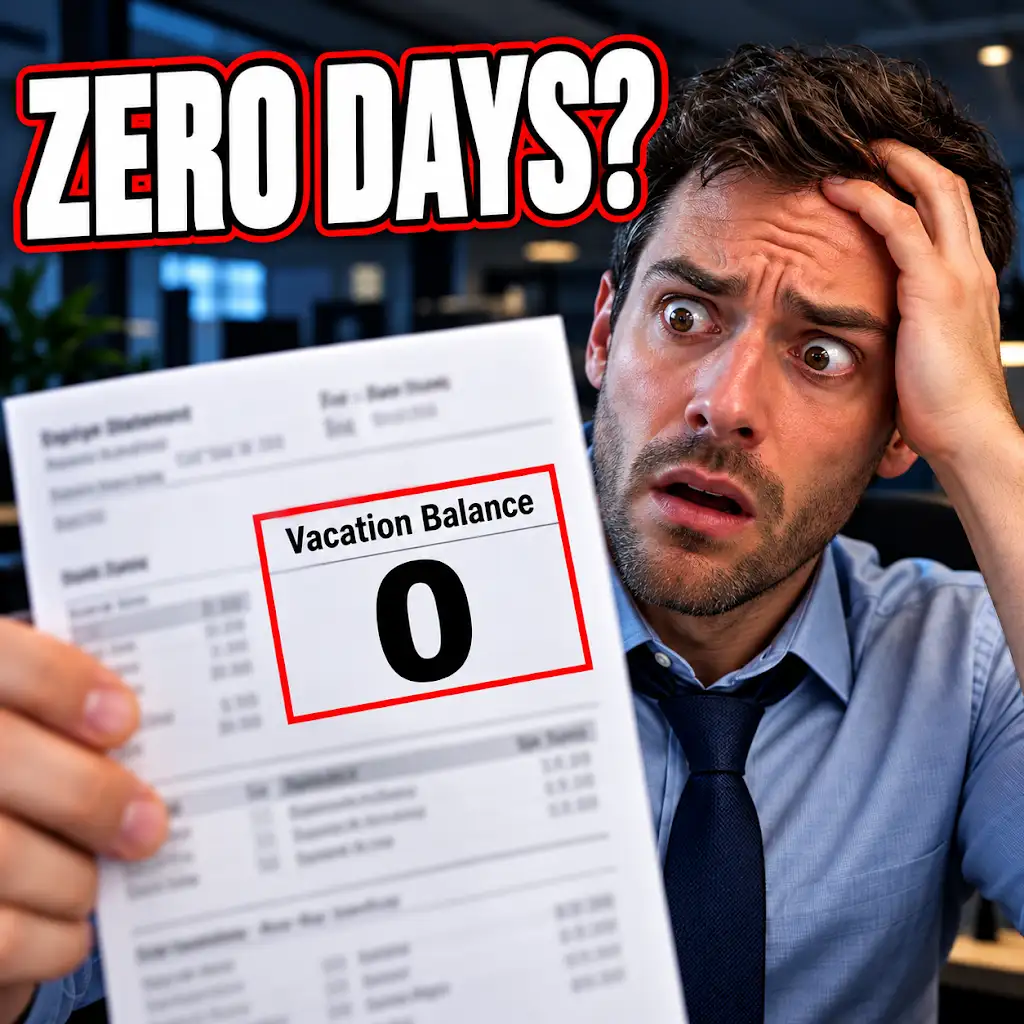
Unlimited PTO Sounds Generous—Until You Leave the Job
FAQs
What is PTO?
PTO stands for Paid Time Off, which is a policy that allows employees to take time off while still receiving their regular pay.
How is PTO different from vacation days?
PTO typically combines vacation days, sick days, and personal days into one bank of time off that employees can use for any reason. Vacation days are specifically designated for time off for leisure or personal reasons.
How much PTO should I expect to receive?
The amount of PTO you receive can vary depending on the company and your level within the organization. On average, full-time employees in the United States receive around 10-15 days of PTO per year.
Can I negotiate for more PTO during the job offer process?
Yes, you can negotiate for more PTO as part of your job offer. If the initial offer is lower than you would like, you can discuss the possibility of increasing your PTO allotment before accepting the job.
What happens to unused PTO at the end of the year?
Some companies allow employees to carry over unused PTO into the next year, while others have a “use it or lose it” policy where any unused PTO is forfeited. It’s important to understand the company’s policy on this before accepting a job.