
You’ve likely seen the buzzwords: “unlimited PTO,” “flexible time off,” “discretionary vacation.” These phrases paint a picture of a work utopia where you can jet off to Bali on a whim, knowing your job will be there when you return, no questions asked. It sounds liberating, doesn’t it? The freedom to recharge, travel, or simply take a mental health day without the constant ticking clock of accrued vacation days. However, as with many enticing promises in the professional world, the reality of “unlimited PTO” can be a far cry from the idealized vision. For many, what’s presented as an unbounded freedom is, in practice, a carefully constructed illusion. You might be operating under a system that calls itself unlimited, but subtly, and sometimes not so subtly, places its own invisible limits on your ability to actually take time off. This article will delve into the nuances of these seemingly generous policies, helping you recognize when your “unlimited PTO” is more of a suggestion than a guarantee, and what to do about it.
The Pressure to Perform: When “Unlimited” Means “Unused”
The most pervasive sign that your unlimited PTO is more myth than reality is the sheer pressure you feel to not use it. This isn’t usually an overt, written policy. Instead, it’s a cultural undercurrent, a pervasive atmosphere that discourages taking significant time off. Managers, even those who champion the policy, might subtly express concern about workload, project deadlines, or team coverage when you request time. You’ll hear phrases like, “Are you sure you can take that long off right now? We’re swamped,” or “We’ll really miss you if you’re gone for three weeks.” These aren’t necessarily malicious, but they create a psychological barrier. The fear of being perceived as less dedicated, less productive, or as someone who burdens their colleagues can be a powerful deterrent. You might start to overthink every request, questioning if it’s “worth it” to take a week off when you know you’ll come back to an avalanche of emails and the implicit judgment of having been “away.”
The “Unspoken Rule” of Minimal Usage
In many organizations with unlimited PTO, there’s an unspoken rule that dictates how much time is actually considered acceptable. This benchmark is often far lower than what you might imagine. If the average employee in your company takes two weeks of vacation a year, then taking three or four might be met with raised eyebrows or a series of follow-up conversations. This informal benchmark is influenced by a multitude of factors: company culture, the intensity of the workload, the perceived indispensability of certain employees, and even the personality of your direct manager. You might find yourself comparing your own PTO usage to that of your colleagues, self-censoring your requests to align with what you perceive as the norm. This creates a self-perpetuating cycle where everyone takes less, reinforcing the idea that “unlimited” truly has an upper limit, albeit an unwritten one.
The “Busyness” Culture and Its Impact on Your Well-being
A culture that celebrates constant busyness can be a major inhibitor of taking time off. When coming into the office sick, working through lunch, and answering emails at all hours are seen as badges of honor, then taking a vacation can feel like admitting defeat or weakness. You might feel guilty for stepping away, as if you’re abandoning your team to fend for themselves. This can be particularly true in high-pressure environments or startups where every hand is seemingly needed on deck. The constant hum of activity and the pressure to always be “on” can make the idea of unplugging and truly disconnecting seem like an impossible luxury. You might even internalize this busyness, believing that your personal well-being is secondary to the company’s immediate needs.
If you’re curious about the potential pitfalls of unlimited PTO policies and want to explore whether they might be too good to be true, you might find this article insightful: How Wealth Grows. It discusses various signs that can indicate if a company’s unlimited PTO policy is merely a façade, highlighting the importance of understanding the underlying culture and practices that accompany such benefits.
Performance Metrics and Their Hidden Impact

The subjective nature of “unlimited PTO” often means that your ability to take time off is implicitly tied to your performance. While the policy might state that time off is granted based on need and business requirements, in practice, it can often hinge on how well you’re perceived to be meeting your goals and contributing to the company. If you’re a top performer, your manager might be more lenient with your requests. Conversely, if you’re struggling to meet expectations, your requests for time off might be met with increased scrutiny, or even outright denial, under the guise of needing you to focus on your work. This creates a precarious situation where your vacation days become a reward for good performance, rather than a fundamental right.
The “As Needed” Trap: When Your Needs Are Secondary
The phrase “as needed” is a common qualifier in unlimited PTO policies, and it’s a significant red flag. It implies that your personal need for rest and rejuvenation is subject to the company’s operational needs. If there’s a critical project, a major client meeting, or a period of high demand, your request for time off might be deemed not “needed” by the business, even if it’s desperately “needed” by you. This can lead to a constant state of anxiety, where you’re always evaluating the company’s workload and project pipeline before even considering requesting a day off. Your personal well-being becomes a secondary consideration, always weighed against the perceived demands of your job.
The Paradox of Productivity: Taking Time Off to Be More Productive
It’s a well-established fact that taking regular breaks and vacations leads to increased productivity, creativity, and reduced burnout. However, in a culture that equates presence with productivity, this benefit can be overlooked or dismissed. Managers who are focused solely on short-term output might not see the long-term value of employees taking time to recharge. They might view a few days off as lost productivity, failing to recognize that a well-rested employee returning from vacation will likely be more focused, efficient, and innovative. This paradox means that the very act of taking time off, which is intended to enhance your work, can be perceived as detrimental to it.
The Managerial Gatekeepers: The Power of Your Direct Supervisor

Ultimately, for most employees, the decision to approve or deny time off, even with an “unlimited” policy, rests with your direct manager. This means that the interpretation and implementation of the policy can vary wildly from one team to another, and even from one manager to another within the same company. Some managers are genuinely supportive of their team’s well-being and encourage time off. Others, however, might be under pressure from their own superiors, have a different understanding of the policy, or simply be less inclined to approve requests. This creates a situation where your experience with unlimited PTO is largely dictated by the disposition of your immediate supervisor.
The “We’ll See” Approach to Approvals
A common tactic used by managers who are reluctant to grant time off is the vague, non-committal response. Instead of a clear “yes” or “no,” you might receive a “We’ll see,” “Let me check the calendar,” or “I’ll get back to you.” These phrases, while seemingly neutral, often serve to delay the decision, hoping that you’ll eventually withdraw your request or that the “business need” will conveniently change. This uncertainty can be incredibly frustrating, leaving you in a perpetual state of limbo and making it difficult to plan anything concrete. You might find yourself waiting weeks for approval for a single day off, defeating the purpose of flexibility.
The Unseen Influence of Team Coverage and Workload
Even with a supportive manager, the practicalities of team coverage and workload can act as an invisible ceiling on your time off. If your role is critical and difficult to cover, or if your team is already understaffed and overworked, your manager might feel immense pressure to deny your request, even if they personally believe you deserve it. This isn’t about malicious intent; it’s about the operational realities of running a business. However, it means that “unlimited” doesn’t account for the fact that some roles are inherently more difficult to step away from, leading to an uneven distribution of time-off opportunities across the company.
The Fear of the “Out of Office” Reply: What to Consider Before You Go
The psychological hurdle of actually setting your “Out of Office” reply is often the final boss of unlimited PTO. Even if you’ve navigated the cultural pressures and the managerial approvals, there’s still the nagging feeling of responsibility. What if something urgent comes up? What if your colleagues can’t handle it? What if your absence is noticed and deemed problematic? This fear can lead to constant checking of emails, taking work with you, and an inability to truly disconnect, thereby negating the benefits of the time off itself. It’s the ultimate manifestation of “unlimited” becoming a burden.
The “Always On” Mentality and Digital Overload
In today’s hyper-connected world, the concept of truly unplugging is a challenge for many. Even with unlimited PTO, the temptation to check emails, respond to Slack messages, or take that urgent work call can be overwhelming. This “always on” mentality, fueled by the constant influx of digital communication, makes it difficult to achieve the restorative benefits of time off. You might return from your vacation feeling more exhausted than when you left, as your brain never fully disengaged from work. This digital overload can be a significant barrier to experiencing the genuine freedom that unlimited PTO is supposed to offer.
The Self-Sabotage of Planning and Coordination
Before you can even enjoy your time off, there’s the often-tedious process of planning and coordinating with your team. You need to ensure that your responsibilities are covered, that your colleagues are aware of your absence, and that there’s a clear point person for any issues that may arise. This can be a significant undertaking, especially if your role is complex or if your team is not well-organized. The sheer effort involved in this pre-vacation planning can sometimes feel like more work than the vacation itself, leading to procrastination and a reluctance to initiate the process.
Many employees are increasingly skeptical about the authenticity of unlimited PTO policies, often questioning whether these benefits are genuinely beneficial or just a marketing tactic. For a deeper understanding of this issue, you might find it helpful to read a related article that explores the signs that unlimited PTO might be more of a facade than a reality. This insightful piece can be found here and offers valuable perspectives on the implications of such policies in the workplace.
Red Flags and How to Navigate Them
| Sign | Description | Impact on Employees | Example Metrics |
|---|---|---|---|
| Unclear PTO Policy | Company provides vague or inconsistent information about PTO usage. | Confusion and hesitation to request time off. | Percentage of employees reporting unclear PTO guidelines: 45% |
| Manager Discouragement | Managers subtly or overtly discourage taking PTO despite policy. | Employees avoid using PTO to not appear uncommitted. | Instances of PTO denial or pushback: 30% of requests |
| Workload Pressure | High workload or understaffing makes taking PTO impractical. | Employees feel guilty or stressed about taking time off. | Average PTO days taken per employee: 5 (policy allows 15) |
| PTO Does Not Accrue or Carry Over | PTO resets annually with no carryover, discouraging use. | Employees lose unused PTO, leading to dissatisfaction. | Unused PTO lost annually: 40% of total allocated |
| Negative Consequences for Taking PTO | Employees face subtle penalties like missed promotions or bonuses. | Reduced morale and trust in management. | Reported negative outcomes after PTO use: 15% |
Recognizing that your unlimited PTO might be a myth is the first step. The next is understanding how to navigate this reality. This doesn’t necessarily mean quitting your job; often, there are strategies you can employ to ensure you’re actually utilizing the benefit and maintaining your well-being. It requires a proactive approach, clear communication, and a willingness to push back gently against the unspoken rules.
Documenting and Tracking Your Time Off
While the policy might be “unlimited,” it’s wise to maintain your own record of how much time you’re actually taking. This can be as simple as a spreadsheet or a personal calendar. This data can be invaluable if you ever need to demonstrate a pattern of minimal usage or if you feel your time off is being unfairly restricted. It also helps you set personal goals for your own usage and ensure you’re not falling into the trap of taking very little time. Having concrete numbers can empower you to have more confident conversations with your manager.
Proactive Communication and Setting Expectations
The key to successfully utilizing unlimited PTO lies in proactive communication. Don’t wait until the last minute to request time off. Plan your vacations well in advance and discuss them with your manager early on. This gives them ample time to make arrangements for coverage and demonstrates your commitment to ensuring a smooth transition. Frame your requests not as demands, but as collaborative discussions about how to best manage your workload while ensuring you get the necessary rest and rejuvenation. Be specific about your dates and duration, and be prepared to offer solutions for how your work will be handled in your absence.
Understanding Your Rights and Company Culture
It’s crucial to understand your company’s official policy on PTO, even if it’s “unlimited.” Look for any fine print or supplemental documents that might outline approval processes, notice periods, or any other stipulations. Beyond the written policy, pay close attention to the unwritten rules and the overall culture surrounding time off. Observe how long your colleagues typically take off, and listen to the conversations around vacation. If you consistently see that taking time off is discouraged or difficult, it might be indicative of a deeper cultural issue that you’ll need to navigate with care. If the culture is particularly toxic regarding time off, and your attempts to communicate and plan are met with resistance, it might be time to consider if this is the right environment for you in the long term.
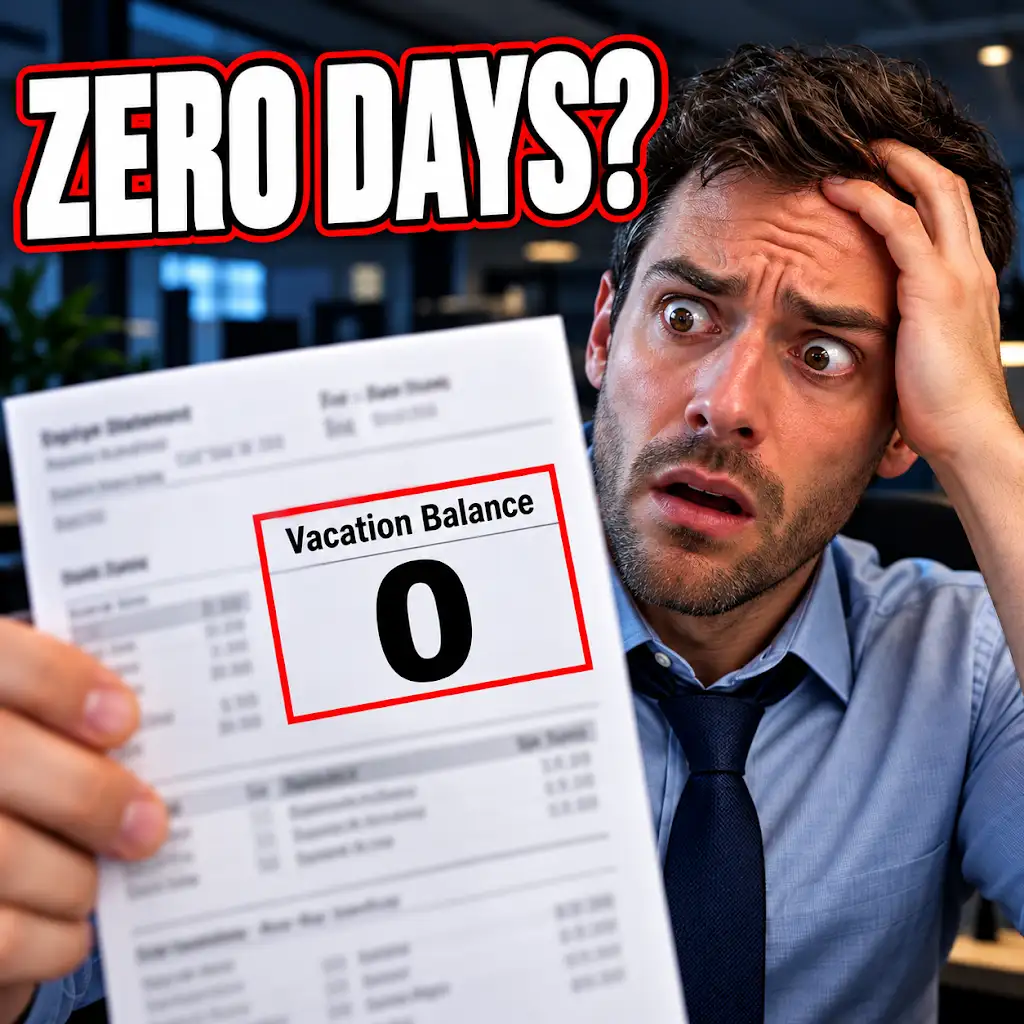
Unlimited PTO Sounds Generous—Until You Leave the Job
FAQs
1. Is Signs Unlimited PTO a legitimate company?
No, Signs Unlimited PTO is not a legitimate company. It is a scam that has been reported for fraudulent activities.
2. How can I identify if Signs Unlimited PTO is fake?
You can identify Signs Unlimited PTO as fake by looking for signs such as unrealistic promises, lack of verifiable contact information, and reports of scam activities from other individuals.
3. Has Signs Unlimited PTO been reported for fraudulent behavior?
Yes, Signs Unlimited PTO has been reported for engaging in fraudulent behavior, including not delivering promised services and deceiving customers.
4. Are there any legitimate reviews or testimonials about Signs Unlimited PTO?
No, there are no legitimate reviews or testimonials about Signs Unlimited PTO. Any positive reviews or testimonials are likely fabricated to deceive potential victims.
5. What should I do if I have been a victim of Signs Unlimited PTO’s scam?
If you have been a victim of Signs Unlimited PTO’s scam, you should report the incident to the appropriate authorities, such as the Federal Trade Commission (FTC) or your local consumer protection agency, and consider seeking legal advice to explore your options for recourse.