
You’ve seen the glossy brochures, the enticing bullet points on job descriptions. Generous employee benefits. They’re presented as a gift, a testament to your employer’s appreciation, a perk designed to make your life easier and your future more secure. You might be picturing comprehensive health insurance, a robust retirement plan, ample paid time off, perhaps even on-site childcare or a catered lunch every day. And while all of these are undeniably valuable, have you ever stopped to consider what lies beneath the surface? Have you wondered about the hidden costs that make these seemingly lavish offerings a reality, and what those costs might mean for your employer, and by extension, for you?
This isn’t to cast a shadow of doubt on the genuine value of employee benefits. They are, in most cases, a sincere investment in your well-being and a crucial factor in attracting and retaining talent. However, understanding the financial architecture that supports them can offer a more nuanced perspective. It allows you to appreciate the strategic decisions your employer makes, the trade-offs they navigate, and the potential ripple effects on the company’s overall health and your own role within it. So, let’s pull back the curtain and explore the often-unseen expenses that power those attractive benefits packages.
The Price of Your Well-being: Health Insurance’s True Toll
When you glance at your pay stub and see the deduction for your health insurance premium, it often feels like the entirety of the cost is on your shoulders. But that’s just a fraction of the picture. The employer’s contribution to your health insurance plan is typically substantial, often exceeding your own contribution significantly. This is not simply a matter of handing over cash; it involves complex negotiations with insurance providers, actuarial calculations, and a constant balancing act to keep premiums manageable while ensuring adequate coverage.
Premiums: A Shared Burden, Unevenly Distributed
The monthly premiums you pay are just one piece of the puzzle. Your employer shoulders the lion’s share, often negotiating group rates that are considerably lower than what an individual would pay. However, these rates are based on risk pools. The healthier the employee population, the lower the overall risk for the insurer, and thus, the lower the premiums for everyone. Conversely, if your company has a workforce with a higher incidence of chronic conditions or claims, those premiums will inevitably climb. This is why employers often invest in wellness programs and encourage preventative care – it’s not just about employee health, it’s about cost containment for their benefits budget. The cost of these negotiations, administrative overhead for managing enrollment and claims, and the constant pressure to find cost-effective plans all contribute to the hidden expenses. Imagine the hours spent by HR professionals researching providers, comparing plans, and holding meetings with brokers. This is a significant investment of time and resources.
Beyond the Monthly Deductions: Hidden Administrative and Risk Management Costs
The visible cost of health insurance is the premium. The hidden costs are more intricate. There’s the administrative burden on your HR department, which includes managing enrollment, processing claims paperwork (even if it’s largely digital), and handling employee inquiries. Then there’s the insurer’s own administrative costs, which are built into the premiums. But beyond that, your employer is also shouldering a significant amount of risk. If a major health event occurs within your workforce, the insurer pays out, but that payout will likely influence future premium increases. Employers may also opt for self-funded plans, where they take on the direct financial risk of claims, further increasing the complexity and cost of managing their benefits. This often involves setting aside substantial reserves and employing sophisticated risk management strategies. The legal and compliance requirements surrounding health insurance plans also add another layer of expense, requiring ongoing attention to regulations like HIPAA and ACA.
In exploring the hidden costs associated with seemingly generous benefits offered by employers, it’s essential to consider the insights shared in a related article. This piece delves into how these benefits, while appearing attractive at first glance, can often lead to unexpected financial burdens for employees. For a deeper understanding of this topic, you can read more in the article available at How Wealth Grows.
The Long Game: Retirement Plans and Their Underlying Investments
Retirement plans, whether it’s a 401(k), a pension, or a similar scheme, are often lauded as a cornerstone of a good benefits package. They represent a commitment to your long-term financial security. However, the financial mechanisms that underpin these plans are far from simple, and the costs associated with administering and funding them can be considerable for your employer.
Employer Contributions: More Than Just a Match
When your employer offers a matching contribution to your 401(k), it’s a powerful incentive for you to save. But that match is a direct financial outlay for the company. Beyond the match, many employers also contribute a percentage of your salary regardless of whether you contribute yourself. These contributions, while seemingly straightforward, represent a significant portion of an employer’s compensation budget, especially for companies with a large workforce. The actuarial calculations involved in estimating future pension liabilities, for instance, can be incredibly complex and involve significant consulting fees.
Investment Management, Fees, and Fiduciary Responsibility
The money contributed to retirement plans doesn’t just sit in a bank account. It’s invested. This involves selecting investment funds, which in turn means paying investment management fees. These fees are often a percentage of the assets under management. While these fees might seem small on an individual account level, across an entire company’s retirement plan, they can amount to substantial sums. Your employer has a fiduciary responsibility to ensure these investments are managed prudently and in the best interests of the plan participants. This involves due diligence in selecting fund managers, monitoring performance, and ensuring compliance with regulations. The cost of legal counsel to advise on fiduciary duties, the potential for audits, and the administrative overhead of managing investment options all add to the hidden costs of providing a robust retirement plan. Think about the due diligence required to vet fund managers and the ongoing monitoring of their performance. This isn’t a passive process; it requires expertise and attention.
The Ripple Effect: Paid Time Off, Leave Policies, and Productivity

Paid time off (PTO), vacation days, sick leave, parental leave – these are the benefits that often translate directly into your personal life, allowing you to recharge, care for family, or attend to personal matters. From your perspective, it’s freedom. From your employer’s perspective, it’s a carefully calculated cost that impacts operational efficiency and overall productivity.
The Direct Cost of Not Working: Lost Productivity and Coverage
Every day you’re on paid leave, you’re not actively contributing to the company’s output. While this is the intended purpose of these benefits, it represents a direct cost in terms of lost productivity. Your employer must then find ways to cover your responsibilities. This might involve cross-training existing employees, which requires investment in training time and potentially temporary increases in workload for others. In some cases, especially for specialized roles, they might need to hire temporary staff, which incurs recruitment and onboarding costs, as well as potentially higher wages for contract workers. The administrative effort to track accruals, manage requests, and ensure smooth transitions for coverage also adds to the hidden costs.
The Broader Impact: Morale, Burnout, and Retention
While the direct costs of paid leave are measurable, the indirect costs and benefits are equally, if not more, important. A generous PTO policy, when used effectively, can significantly boost employee morale, reduce burnout, and improve overall job satisfaction. This, in turn, can lead to higher retention rates, saving the company the substantial costs associated with recruitment, onboarding, and training new employees. Conversely, a stingy PTO policy can lead to disengaged employees, increased absenteeism due to stress-related illnesses, and a higher turnover rate, all of which are incredibly costly. The “cost” of not providing adequate leave can be far greater than the perceived cost of offering it. This is a strategic investment in human capital, and its true value lies in its impact on the overall health and productivity of the workforce.
The Tangible and Intangible: Perks, Wellness, and the Employee Experience
Beyond the core benefits, many companies offer a range of additional perks designed to enhance the employee experience. These can range from on-site gyms and subsidized meals to professional development stipends and flexible work arrangements. While these might seem like icing on the cake, they also represent an investment for your employer, both in terms of direct financial outlay and the resources required to manage them.
Physical and Mental Well-being: Investing in a Healthier Workforce
Companies that invest in wellness programs, whether it’s through gym memberships, healthy snack options, or mental health support services, are doing so with a strategic purpose. The goal is to foster a healthier, more productive workforce. The direct costs include the fees for wellness platforms, the procurement of healthy food, and the salaries of on-site wellness staff if applicable. However, the hidden costs are the administrative effort involved in promoting these programs, tracking participation, and ensuring their effectiveness. The long-term benefit is a reduction in healthcare claims and fewer sick days, but these are often difficult to quantify precisely.
Development, Flexibility, and the Cost of Innovation
Providing stipends for professional development, offering tuition reimbursement, or investing in flexible work technologies all come with a price tag. These are investments in your growth and the company’s future. The direct costs are clear – the money spent on courses, books, or software. The hidden costs include the time spent by managers in approving development plans, the administrative burden of processing reimbursements, and the potential for disruption when employees take time for training. Similarly, implementing flexible work arrangements requires investment in technology, policy development, and ensuring equitable access and support for all employees. The goal is to foster innovation, adaptability, and a more engaged workforce, but these initiatives require careful planning and resource allocation.
Many companies promote generous benefits to attract talent, but these perks often come with hidden costs that can impact both employees and the organization. For a deeper understanding of this issue, you can explore a related article that discusses the implications of seemingly attractive benefits and how they can affect overall compensation. This insightful piece can be found at How Wealth Grows, where you will discover the complexities behind the allure of generous-sounding benefits.
The Unseen Trade-offs: How Benefits Impact Business Decisions
| Benefit | Perceived Value | Hidden Cost | Impact on Employer | Example Metric |
|---|---|---|---|---|
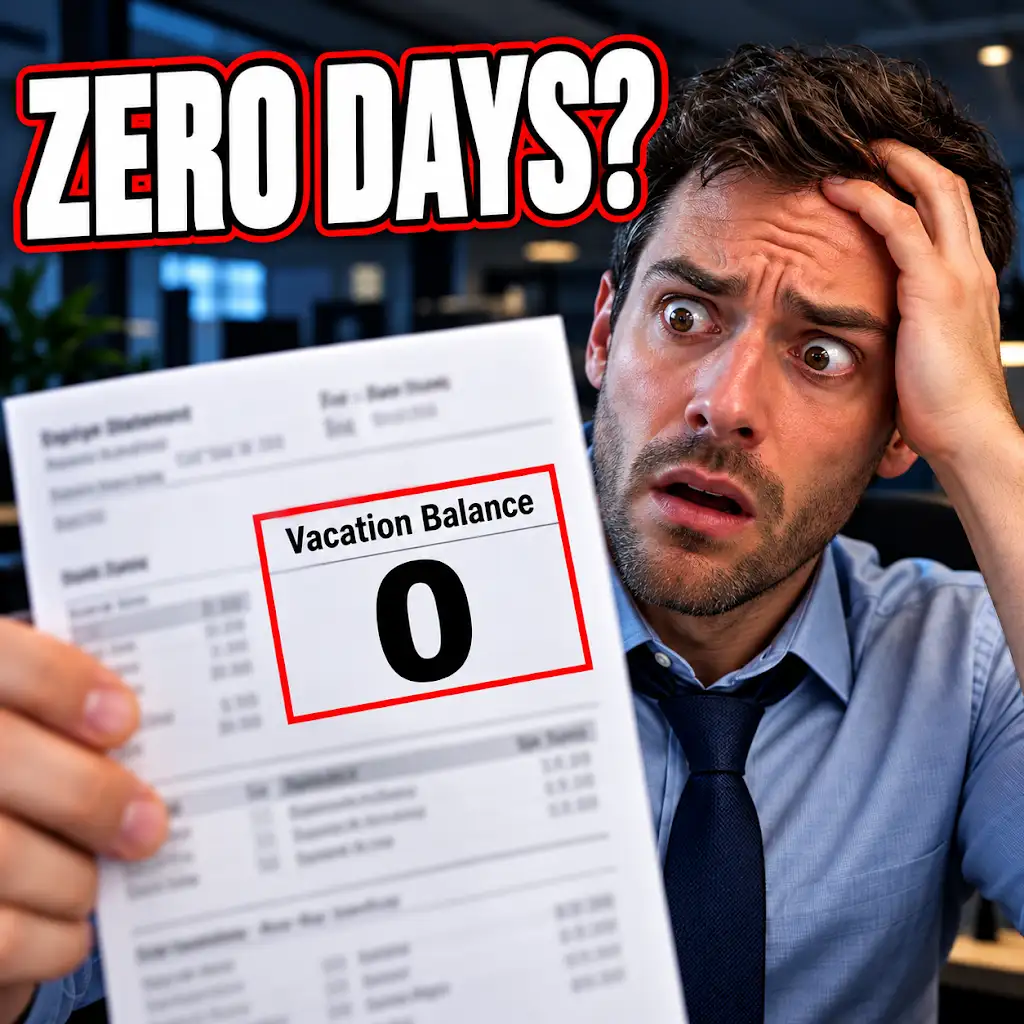
| Unlimited Paid Time Off | High employee satisfaction and flexibility | Potential abuse leading to decreased productivity | Increased workload on other employees, reduced output | Average days taken off per employee: 15 (vs. 10 standard) |
| Free Meals and Snacks | Improved employee morale and convenience | High operational and waste costs | Increased overhead expenses, food waste management | Monthly cost per employee: 120 |
| Comprehensive Wellness Programs | Better health and reduced absenteeism | Low participation rates and high program costs | Underutilized resources, questionable ROI | Participation rate: 30%, Cost per participant: 500 |
| Generous Parental Leave | Supports work-life balance and retention | Temporary staffing shortages and training costs | Increased temporary labor expenses, project delays | Average leave duration: 16 weeks, Replacement cost: 3000 per week |
| Company-Sponsored Events | Boosts team cohesion and culture | Distraction from work and high event costs | Lost work hours, increased budget allocation | Hours lost per event: 8, Cost per event: 2000 |
Understanding the hidden costs of employee benefits provides crucial context for why your employer might make certain business decisions. The significant financial commitment to benefits means that these costs are a constant consideration in budgeting, strategic planning, and even the hiring process.
Budgetary Constraints and Prioritization
The substantial investment in benefits means that companies are constantly weighing these costs against other business priorities. When you see a new benefit introduced, it’s often the result of careful consideration of its financial implications, the return on investment in terms of employee attraction and retention, and its impact on the overall budget. Conversely, if certain benefits are scaled back or not enhanced, it may be due to budgetary constraints or a strategic decision to reallocate resources to other areas deemed more critical for the company’s survival or growth. This is a delicate balancing act, and the “cost” of benefits is always on the table.
The Impact on Hiring and Compensation Strategies
The attractiveness of a benefits package plays a significant role in a company’s ability to attract top talent. However, offering overly generous benefits can also lead to higher labor costs, which can impact a company’s competitiveness, especially in industries with tight margins. Employers must therefore strike a balance between offering a compelling package and maintaining financial sustainability. This means that the “cost” of benefits is intrinsically linked to compensation strategies. A company might choose to offer a slightly lower base salary but compensate with a more robust benefits package, or vice versa. Understanding this interplay helps you appreciate the strategic thinking behind your employer’s compensation and benefits philosophy. The long-term implications of these decisions on the company’s financial health and your own career prospects are significant.
Unlimited PTO Sounds Generous—Until You Leave the Job
FAQs
What are some examples of generous sounding benefits that may have hidden costs?
Examples of generous sounding benefits that may have hidden costs include unlimited vacation time, free snacks and drinks at work, and company-sponsored social events.
How can unlimited vacation time be a hidden cost for employees?
Unlimited vacation time can be a hidden cost for employees because it may lead to employees feeling guilty or pressured to not take time off, resulting in burnout and decreased productivity.
Why can free snacks and drinks at work be a hidden cost for employees?
Free snacks and drinks at work can be a hidden cost for employees because they may lead to unhealthy eating habits and weight gain, as well as create an expectation of always being available at work.
What are some potential hidden costs of company-sponsored social events?
Potential hidden costs of company-sponsored social events include employees feeling obligated to attend after-hours events, spending money on transportation or attire for the events, and feeling pressure to socialize with coworkers outside of work hours.
How can employers mitigate the hidden costs of generous sounding benefits?
Employers can mitigate the hidden costs of generous sounding benefits by clearly communicating expectations around benefits, offering flexibility in how benefits are used, and regularly seeking feedback from employees to ensure that benefits are truly beneficial.