
You’ve been there. That moment when an offer lands in your inbox, or a conversation unfolds, promising a remarkable advantage. It’s the kind of proposition that makes you sit up a little straighter, a little spark of possibility igniting within you. This isn’t just any minor perk; it’s a “great benefit,” a significant win that seems tailor-made to improve your situation, simplify your life, or boost your progress. Yet, as you delve deeper, as the initial glow begins to fade, a subtle unease can creep in. You start to notice the fine print, the unspoken caveats, the less-than-ideal trade-offs that were conveniently glossed over in the initial presentation. The seemingly perfect solution begins to reveal its hidden downsides, transforming your anticipated triumph into a nuanced, and sometimes frustrating, reality. This is the paradox of the great benefit that isn’t as good as it sounds.
The Allure of the Shiny Object
It’s human nature to be drawn to things that promise improvement. Whether it’s a new piece of technology, a career opportunity, or a seemingly generous discount, we’re conditioned to seek out and embrace advantages. These benefits often arrive dressed in attractive packaging, accompanied by enthusiastic endorsements and compelling statistics. They tap into our desires for convenience, efficiency, financial gain, or personal advancement. The initial excitement is genuine, fueled by the anticipation of positive change. You imagine the immediate impact, the smooth sailing, the problems that will be effortlessly resolved. This is the honeymoon phase, where the potential good far outweighs any perceived negatives.
The Psychology of Expectation
Your mind, eager for the promised relief or reward, quickly constructs an idealized future. You visualize yourself enjoying the full, unadulterated benefits, your worries melting away. This mental projection is a powerful driver, shaping your perception before you’ve even fully engaged with the offer. The more significant the benefit, the more potent this psychological effect becomes. It’s like seeing a mirage in the desert; the promise of water is so strong, so necessary, that you overlook the arid surroundings and the unlikelihood of its presence. This heightened expectation can blind you to potential issues, making you less critical and more receptive to the presented narrative.
Marketing’s Masterful Touch
The creators and purveyors of these benefits are often skilled in the art of persuasion. They understand how to highlight the most appealing aspects, using carefully crafted language and strategically omitted information. They focus on the “what’s in it for you” with laser precision, showcasing the aspirational outcomes. This isn’t necessarily malicious, but it is effective. Their goal is to make the benefit irresistible, and to do so, they often present a simplified, rose-tinted version of reality. The emphasis is on the peak of the mountain, not the arduous climb, the treacherous ravines, or the unpredictable weather.
In today’s fast-paced world, many people are drawn to the allure of seemingly attractive benefits, such as high-interest savings accounts or generous employee perks. However, as highlighted in the article “When a Good Benefit Isn’t as Good as It Sounds” on How Wealth Grows, these offers can sometimes come with hidden drawbacks that may outweigh their advantages. For instance, a high-interest savings account might have stringent withdrawal limits or fees that diminish your overall returns. To explore this topic further, you can read the full article here: When a Good Benefit Isn’t as Good as It Sounds.
Unpacking the Unforeseen Costs
Every benefit, however grand, comes with a cost. Sometimes, this cost is immediately obvious – a monetary price, a time commitment. More often, however, the costs are hidden, emerging only after you’ve committed and invested your resources. These are the subtle, insidious drawbacks that can erode the perceived value of the initial advantage. They are the compromises you didn’t anticipate, the extra effort you have to expend, or the new problems that arise as a consequence of embracing the “great” benefit.
The Investment of Time and Effort
Often, the most significant hidden cost is the investment of your time and effort. A new software suite that promises to streamline your workflow might require hours of installation, configuration, and training. A new subscription service, while offering access to a wealth of content, might demand dedicated hours each week to fully utilize. Even a seemingly simple change, like adopting a new habit recommended for health benefits, can be deceptively time-consuming to integrate into your existing routine. You might find yourself spending more time managing the benefit than actually enjoying its advantages. This “opportunity cost” of your time can be substantial, diverting your energy from other valuable pursuits.
The Cognitive Load and Complexity
Introducing a new benefit can also increase your cognitive load. You have to learn new systems, understand new processes, and remember new rules. This mental overhead can be draining, especially if the benefit is not intuitive or if it introduces a significant change to your existing habits. Imagine adopting a new project management tool that promises better organization. While the tool itself might be powerful, the learning curve, the constant need to refer to its features, and the effort of translating your existing workflows into its structure can be mentally taxing. The perceived simplicity of the benefit can be overshadowed by the mental gymnastics required to master it.
The Hidden Financial Burdens
While the initial benefit might appear to be a financial win, there are often hidden financial implications. A “free” trial might automatically convert to a costly subscription. A discounted product might have exorbitant shipping fees or require expensive accessories to function optimally. Loyalty programs, while offering rewards, can incentivize you to spend more than you otherwise would, negating the savings. You might find yourself locked into a system that requires ongoing expenses, or you might be drawn into purchasing additional services to fully leverage the initial benefit. These are the subtle drains on your wallet that can make the initial “deal” far less attractive in hindsight.
The Ripple Effect of Unintended Consequences

The introduction of a significant benefit rarely exists in a vacuum. It interacts with your existing systems, your relationships, and your environment, often creating a cascade of unforeseen effects. These ripple effects can be positive, but more commonly, when a benefit has hidden downsides, the unintended consequences are often negative, creating new challenges that may outweigh the original advantage.
Erosion of Existing Strengths
Sometimes, by embracing a new benefit, you inadvertently weaken or abandon existing systems that were already working well. You might replace a reliable, albeit manual, process with a new automated one that is prone to glitches or requires constant updates. Or you might rely so heavily on a new tool that you forget how to perform essential tasks manually, leaving you vulnerable if the tool fails. This can be akin to a doctor prescribing a new medication that cures one ailment but causes a host of other, perhaps more debilitating, side effects. You’ve gained something new, but you’ve lost the proficiency and stability of what you once had.
The Interpersonal Dynamics
Benefits don’t just affect individuals; they can also impact your relationships. A new work policy that offers individual flexibility might create resentment among colleagues who don’t have access to the same perks. A family plan that offers savings might lead to arguments over usage or who benefits most. The introduction of a perceived advantage can sometimes create an uneven playing field, fostering jealousy, competition, or a sense of unfairness. You might find yourself navigating interpersonal tensions that you never anticipated when you initially embraced the benefit.
The Dependence Trap
One of the most insidious unintended consequences is the development of dependence. You become so reliant on the benefit that you struggle to function without it. This can be a physical dependence on a product, a mental dependence on a particular way of doing things, or an emotional dependence on the perceived security it offers. When this dependence is established, any disruption to the benefit – a price increase, a discontinuation, a change in service – can have a significant and disruptive impact on your life. You’ve traded freedom for a seemingly convenient crutch, and when that crutch is removed, you find yourself unable to stand.
The Art of Critical Evaluation
Recognizing that great benefits can harbor hidden downsides is the first step. The next is to develop a more critical approach to evaluating such offers. This isn’t about becoming cynical or dismissive, but rather about cultivating a discerning eye that looks beyond the initial sparkle. It’s about asking the right questions and seeking out the less obvious truths.
Scrutinizing the Promises
When presented with a significant benefit, resist the urge to immediately accept it. Instead, pause and scrutinize the promises being made. Ask yourself: What exactly is being offered? How is it being delivered? What are the stated conditions? Are there any ambiguities in the language? Look for vague statements, over-promises, and a lack of specific details. A truly great benefit will be able to clearly articulate its advantages and how they will be realized. Be wary of overly broad claims that sound too good to be true.
The Power of “What If?” Scenarios
Engage in “what if?” thinking. What if the service is discontinued? What if the price increases significantly after the introductory period? What if I can’t figure out how to use it? What if it doesn’t integrate with my existing tools as well as I thought? Consider worst-case scenarios, not to be pessimistic, but to proactively identify potential pitfalls. This mental exercise can reveal vulnerabilities and areas where the benefit might fall short of your expectations or create new problems.
Seeking Unbiased Perspectives
Don’t rely solely on the information provided by the source of the benefit. Seek out independent reviews, talk to people who have already adopted the benefit, and look for objective analyses. Online forums, consumer advocacy groups, and reputable review sites can offer valuable insights that might not be presented by the vendor. Pay attention to recurring complaints or common criticisms. Sometimes, the most honest feedback comes from those who have experienced the reality, not just the marketing.
When considering various benefits offered by companies, it’s important to recognize that not all perks are as advantageous as they may initially appear. For instance, an article on the potential downsides of seemingly attractive benefits can provide valuable insights into this topic. You can read more about it in this related article, which discusses how certain benefits might come with hidden costs or limitations that could outweigh their advantages. Understanding these nuances can help individuals make more informed decisions about their employment options.
Navigating the Nuance: Making Informed Choices
| Benefit | Perceived Advantage | Potential Drawback | Impact on Employee Satisfaction | Example Scenario |
|---|---|---|---|---|
| Unlimited Vacation | More flexibility and time off | Employees may take less time off due to unclear policies | Mixed; can cause stress over taking leave | Employees hesitate to request days off fearing judgment |
| Free Gym Membership | Encourages healthy lifestyle | Limited gym locations or inconvenient hours | Low if employees cannot access easily | Membership unused due to distance from workplace |
| Work From Home Option | Improved work-life balance | Potential isolation and communication challenges | Varies; some feel disconnected | Remote workers miss out on team bonding |
| Stock Options | Potential financial gain | Value depends on company performance and vesting period | Uncertain; may cause financial stress | Options worthless if company stock declines |
| Free Snacks and Drinks | Convenience and morale boost | May encourage unhealthy eating habits | Short-term positive, long-term health concerns | Employees consume excessive sugary snacks |
The goal isn’t to avoid all benefits, but to approach them with a balanced perspective. Understanding that the most appealing offers can also present the most significant challenges empowers you to make more informed decisions. It’s about achieving a state of enlightened self-interest, where you can embrace opportunities while being fully aware of their potential costs.
Weighing the Trade-offs Consciously
Every decision involves trade-offs. When evaluating a great benefit, consciously weigh the potential upsides against the potential downsides. Is the advantage significant enough to warrant the time, effort, or potential complexities? Are the risks manageable? This involves a honest assessment of your own needs, priorities, and risk tolerance. A benefit that is perfect for one person might be a poor choice for another, depending on their individual circumstances.
Defining Your Exit Strategy
Before fully committing to a new benefit, consider your exit strategy. What is your plan if it doesn’t work out as expected? How easy is it to disengage? Are there penalties for early termination? Having a clear exit plan can mitigate the risk of being trapped in a situation that is no longer beneficial. It provides a safety net and reduces the fear of making a wrong choice.
Embracing Imperfection
Ultimately, the pursuit of “perfect” benefits can be a trap. Most improvements come with some level of compromise. The key is to find benefits that offer a net positive, even if they aren’t flawless. It’s about recognizing that reality is rarely as simple as the marketing materials suggest, and that true progress often involves navigating complexity and accepting a degree of imperfection. By understanding the hidden downsides of great benefits, you can become a more discerning consumer and a more strategic decision-maker, ensuring that the advantages you embrace truly serve your best interests.
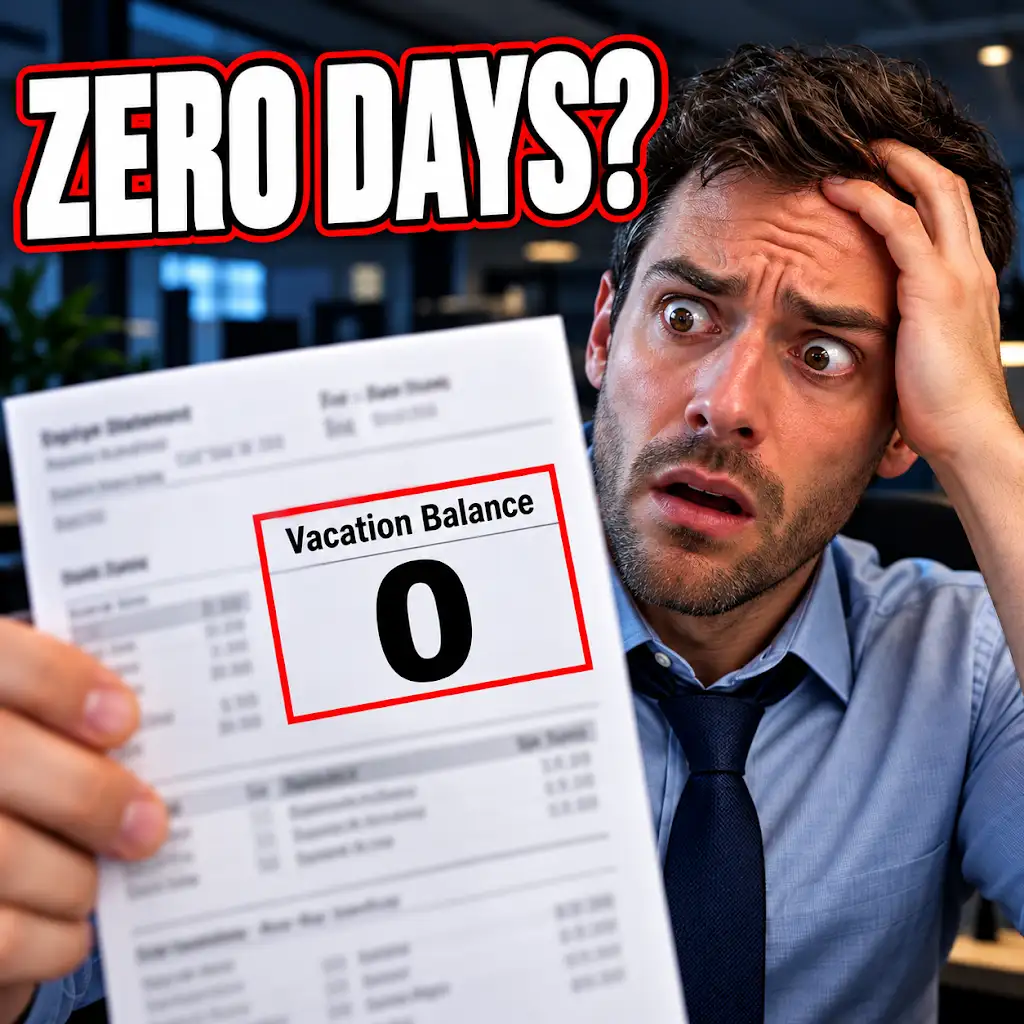
Unlimited PTO Sounds Generous—Until You Leave the Job
FAQs
What are some common examples of benefits that may not be as good as they sound?
Common examples include unlimited vacation policies that actually discourage employees from taking time off, wellness programs that invade employees’ privacy, and tuition reimbursement programs with strict conditions that make it difficult to actually use the benefit.
How can a seemingly good benefit turn out to be a negative for employees?
A seemingly good benefit can turn out to be a negative for employees if it comes with hidden restrictions, creates a culture of guilt around using the benefit, or if it is used as a tool for monitoring or controlling employees rather than genuinely supporting them.
What should employees do if they suspect a benefit is not as good as it sounds?
Employees should first carefully review the terms and conditions of the benefit to understand any potential drawbacks. If they suspect the benefit is not as good as it sounds, they should consider discussing their concerns with HR or management to seek clarification or propose improvements.
How can employers ensure that their benefits are truly beneficial to employees?
Employers can ensure that their benefits are truly beneficial to employees by regularly seeking feedback from employees, being transparent about the terms and conditions of benefits, and continuously evaluating and adjusting benefits based on employee needs and preferences.
What are some red flags to look out for when evaluating the quality of a benefit?
Some red flags to look out for when evaluating the quality of a benefit include overly complex terms and conditions, lack of transparency about how the benefit is administered, and a disconnect between the stated intention of the benefit and the actual impact on employees’ well-being and satisfaction.