
The Guilt of the Untouched Days
You’ve earned it. The calendar pages have flipped, the seasons have shifted, and those precious days of paid time off have accrued. They sit there, a digital ledger of your dedication, a testament to your commitment. Yet, for many of you – the responsible ones, the reliable ones, the ones your team can always count on – that vacation balance remains stubbornly high. You tell yourself it’s fine. You’ll use them later. But “later” often stretches into a nebulous future, and the opportunity to truly disconnect begins to feel like a luxury you can’t afford, even when you technically can. This isn’t about laziness or a lack of desire for a break; it’s a complex interplay of professional identity, workplace culture, and a deep-seated sense of responsibility that often leads you to forgo the very rest you’ve worked so hard to earn.
Many responsible workers often hesitate to take enough vacation time due to a strong sense of duty and the fear of falling behind in their responsibilities. This phenomenon is explored in detail in a related article on the topic, which discusses the psychological barriers that prevent employees from fully enjoying their well-deserved breaks. For more insights on this issue, you can read the article here: How Wealth Grows.
The Weight of Your Contribution

Your commitment to your role isn’t just about showing up; it’s about being indispensable. You are the one who knows the intricate details, the one who anticipates problems, the one who can seamlessly step in when others falter. This perceived indispensability, while a source of pride and professional validation, also creates a powerful internal pressure. The idea of stepping away, even for a week or two, can trigger anxieties about what might happen in your absence. Will projects stall? Will deadlines be missed? Will your colleagues struggle to manage without your expertise? This fear, coupled with the knowledge that you can handle it all, often makes taking a break feel like an abdication of your duties.
The Fear of the Pile-Up
The most immediate concern is the inevitable mountain of work that awaits your return. You envision emails, voicemails, and project updates accumulating like a digital avalanche. The thought of sifting through it all, catching up on missed conversations, and then diving back into your regular workload feels overwhelming even before you leave. This anxiety about the post-vacation reentry can be a significant deterrent, making the current, manageable workload feel preferable to the anticipated chaos. You might think, “If I just power through a little longer, I can get ahead and then I’ll have a truly relaxing break with no backlog.” But that “getting ahead” moment is often a mirage.
The Illusion of Constant Availability
In today’s hyper-connected world, the expectation of availability can feel pervasive, even if it’s not explicitly stated. You might receive emails late at night or on weekends, and while you may not always respond immediately, you’re aware of them. This awareness can create a subconscious pressure to be “on” at all times. Taking a vacation feels like intentionally disconnecting from this constant hum of activity, which can be unsettling. You worry that even if you’re physically away, a part of you will still be mentally tethered to your responsibilities, unable to truly switch off because the expectation of being reachable is so deeply ingrained.
The “Nobody Else Can Do It” Syndrome
This is perhaps the most insidious aspect of the responsible worker’s vacation dilemma. You’ve honed your skills, developed your expertise, and become the go-to person for specific tasks or knowledge. This specialization, while valuable to your employer, can lead to a feeling that your role is uniquely irreplaceable. You may genuinely believe that no one else on your team possesses the same understanding or ability to execute certain critical functions. This self-imposed burden of being the sole keeper of specific knowledge can make handing over responsibilities feel like an insurmountable hurdle, leading you to conclude that the only way to ensure things run smoothly is to be there yourself.
Cultural Undercurrents of Overwork

Beyond individual anxieties, the broader workplace culture plays a significant role in discouraging vacation time. Many organizations, even those that outwardly promote work-life balance, subtly foster an environment where overwork is implicitly rewarded and taking ample time off can be perceived as a lack of commitment. You’ve witnessed colleagues who rarely take vacations, or who are constantly checking emails while technically “on leave.” This observed behavior, even if you disagree with it, can shape your own perceptions and choices.
The “Hero Culture” and Burnout Glorification
Some workplaces inadvertently or even intentionally cultivate a “
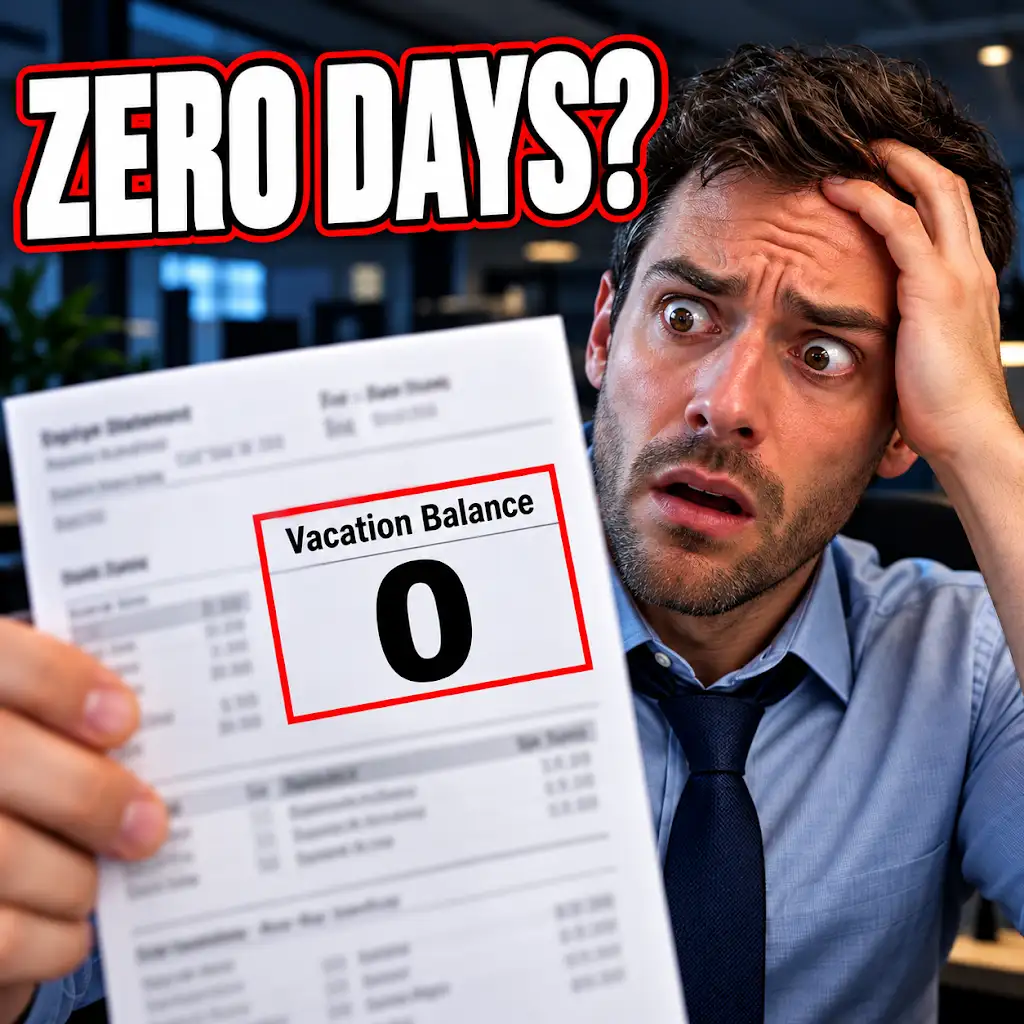
Unlimited PTO Sounds Generous—Until You Leave the Job
FAQs
Why do responsible workers often hesitate to take vacation time?
Responsible workers may hesitate to take vacation time due to fear of falling behind on work, concerns about workload piling up in their absence, or a sense of duty to always be available for work.
How does the work culture in many companies contribute to employees not taking enough vacation?
The work culture in many companies often values long hours and dedication to work above self-care and time off. This can create a stigma around taking vacation time and lead employees to feel guilty or anxious about being away from work.
What are the potential consequences of not taking enough vacation time?
Not taking enough vacation time can lead to burnout, decreased productivity, increased stress levels, and negative impacts on physical and mental health. It can also result in strained relationships with family and friends due to lack of quality time spent together.
How can employers encourage their employees to take the vacation time they are entitled to?
Employers can encourage employees to take vacation time by promoting a healthy work-life balance, setting a positive example by taking time off themselves, offering incentives for using vacation days, and creating a supportive work environment where time off is valued and respected.
What strategies can responsible workers use to ensure they take enough vacation time?
Responsible workers can prioritize self-care and time off by planning their vacations in advance, setting boundaries around work hours, delegating tasks to colleagues when needed, and communicating openly with their supervisors about the importance of taking time off for their well-being.