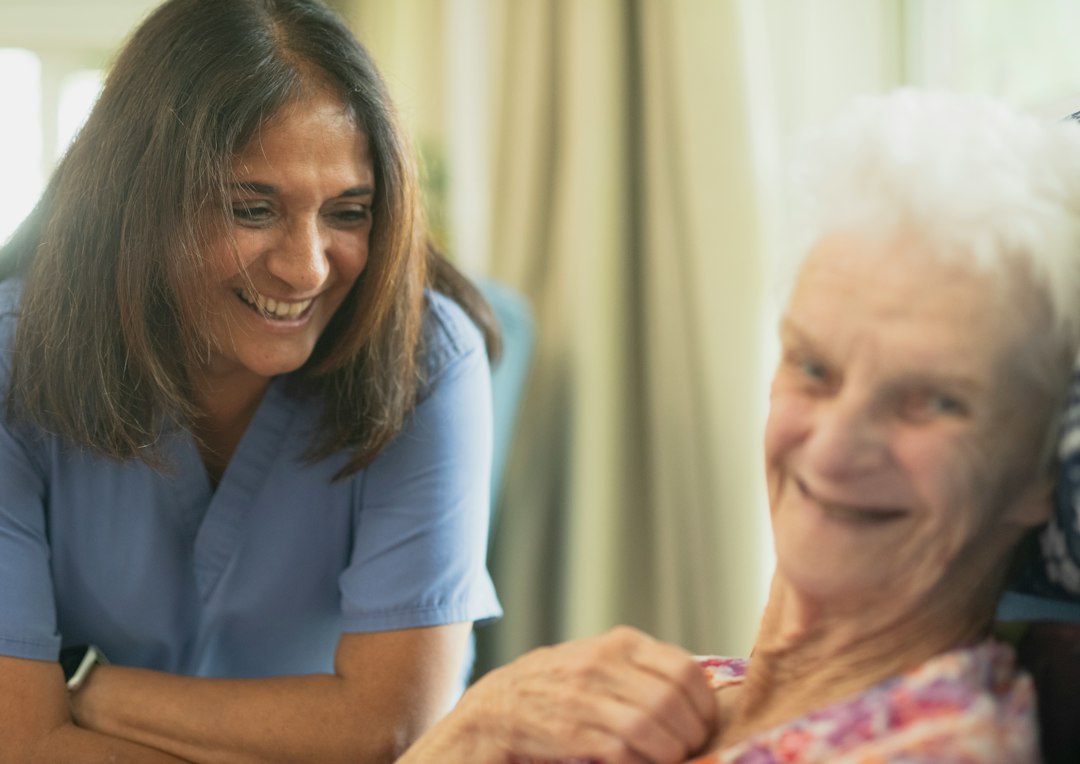
Understanding Your Options: Skilled Home Health Care
When you or a loved one requires assistance with daily living, navigating the landscape of home care can feel overwhelming. You’ve likely encountered terms like “skilled home health care” and “nonmedical home care,” and it’s crucial to understand the distinct roles and benefits each offers. This article aims to demystify these differences, empowering you to make informed decisions that best suit your specific needs and health goals. Think of this as your guide to understanding the specialized support available right in the comfort of your own home.
Skilled home health care is essentially medical care delivered in your residence. It’s provided by licensed healthcare professionals, including registered nurses (RNs), licensed practical nurses (LPNs), physical therapists (PTs), occupational therapists (OTs), and speech-language pathologists (SLPs). The defining characteristic of skilled care is its medical nature. These professionals are trained to assess, manage, and treat specific health conditions, administer medications, perform wound care, monitor vital signs, and provide rehabilitative services. You’ll typically require a doctor’s prescription or referral to access skilled home health services, as they are designed to address diagnosed medical issues, post-surgical recovery, chronic disease management, or recovery from illness or injury. The focus is on healing, rehabilitation, and preventing further decline.
The Medical Foundation of Skilled Care
The cornerstone of skilled home health care lies in its medical expertise. Imagine recovering from a broken hip. While a caregiver might help you with meal preparation and bathing, a physical therapist will be assessing your mobility, designing an exercise program to regain strength and balance, and ensuring your safety as you transition back to independence. Similarly, if you’re managing a chronic condition like diabetes, a home health nurse might be responsible for educating you on blood sugar monitoring, administering insulin injections, and managing any complications that arise. This isn’t just about making tasks easier; it’s about actively improving your health outcomes through specialized medical interventions.
Nursing Services: Beyond Basic Wound Care
Skilled nursing services form a significant part of home health care. This can encompass a wide range of interventions, from intricate wound dressing changes for complex surgical sites or pressure sores, to managing intravenous medications and fluid therapies. Nurses also play a vital role in monitoring patients with serious illnesses, such as congestive heart failure or COPD, ensuring their vital signs are stable, identifying early warning signs of decompensation, and implementing appropriate interventions as prescribed by a physician. They are crucial for managing pain, providing education on disease management, and coordinating care with other healthcare providers.
Rehabilitation Therapies: Regaining Function and Independence
Physical therapy is essential for individuals recovering from injuries, surgery, or neurological conditions. A PT in your home will assess your range of motion, strength, and gait, developing a personalized exercise plan to improve your physical function. This might involve helping you learn to walk again after a stroke, strengthening muscles after a joint replacement, or improving balance to prevent falls. Occupational therapy focuses on helping you regain the ability to perform daily living activities (ADLs) and instrumental activities of daily living (IADLs) that may have been impacted by illness or injury. This could mean adapting your home environment, teaching you new techniques for dressing or preparing meals, or providing adaptive equipment to make tasks easier and safer. Speech-language pathology is critical for individuals experiencing difficulties with communication or swallowing, often after a stroke or due to neurological disorders. SLPs work on improving speech clarity, comprehension, and developing safe swallowing strategies to prevent aspiration.
When considering the best options for care at home, it’s essential to understand the differences between skilled home health care and nonmedical care. Skilled home health care typically involves licensed professionals providing medical services, while nonmedical care focuses on assistance with daily living activities. For a deeper insight into these distinctions and to explore various care options, you can read a related article at this link.
Exploring the Spectrum: Nonmedical Home Care
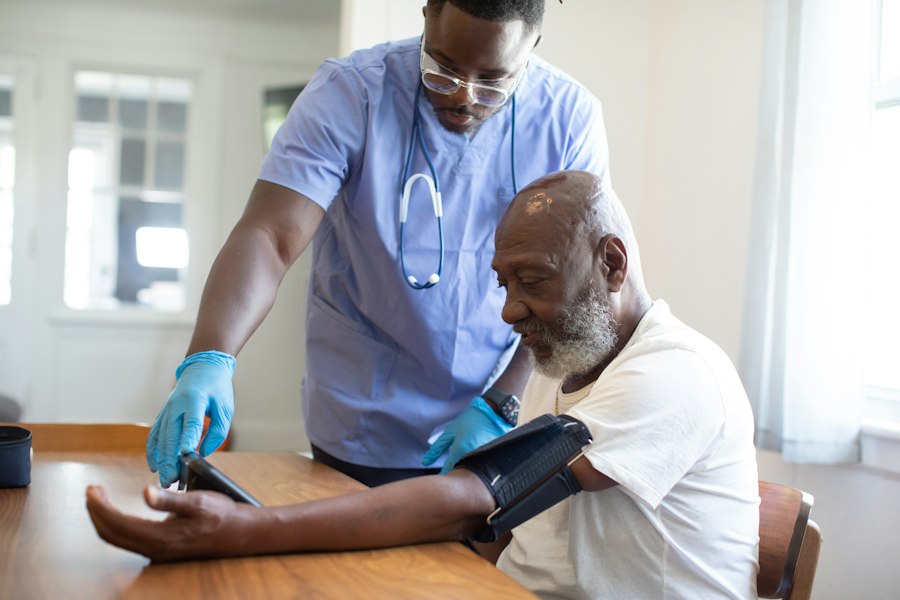
In contrast to skilled home health care, nonmedical home care, often referred to as companion care or personal care, focuses on providing support with everyday activities that don’t require specialized medical training. This type of care is ideal for individuals who are generally independent but need assistance to maintain their safety, comfort, and quality of life at home. The caregivers providing this service are not licensed medical professionals; instead, they are trained individuals who offer practical help and companionship. Their role is to support your daily routines, ensuring you can continue living at home with dignity and ease.
The emphasis here is on enabling you to live as independently as possible while receiving the support you need. Think of a senior who, while still quite mobile, finds it challenging to manage household chores, grocery shopping, or bathing without assistance. A nonmedical caregiver can step in to help with these tasks, freeing you from the burden of physical exertion and allowing you to focus on enjoying your life. This type of care is often sought by individuals recovering from minor illnesses or surgeries where a full-time medical team isn’t necessary, or by those with chronic conditions who need help with the practicalities of daily living but don’t require ongoing medical interventions.
Assistance with Daily Living Tasks
Nonmedical home care is primarily about providing hands-on assistance with activities that are essential for daily living. This can include help with personal hygiene, such as bathing, showering, grooming, and oral care. Caregivers can also assist with dressing and undressing, ensuring you are comfortably and appropriately attired. For individuals who have difficulty preparing meals or have specific dietary needs, nonmedical caregivers can plan, shop for, and prepare nutritious meals, adhering to any dietary restrictions or preferences you may have. They can also help with light housekeeping duties, such as laundry, dusting, vacuuming, and tidying up living spaces, ensuring your home remains a clean and comfortable environment. Managing medications, in terms of reminding you to take them at the correct times and in the correct dosages, is also a common responsibility, although they cannot administer them.
Companionship and Social Engagement
Beyond the practical tasks, nonmedical home care plays a crucial role in combating loneliness and isolation. Caregivers offer companionship, engaging in conversation, playing games, reading aloud, or accompanying you on outings like walks in the park or appointments. This social interaction is vital for mental well-being, helping to alleviate feelings of isolation and promoting a sense of connection and purpose. They can also assist with transportation to social events, doctor’s appointments, or shopping trips, ensuring you can maintain your social connections and access necessary services without relying solely on family or friends. This focus on emotional and social support is as important as the physical assistance provided.
Household Management and Errands
Nonmedical caregivers can significantly ease the burden of household management. This extends to running errands, such as grocery shopping, picking up prescriptions, or going to the post office. They can manage mail and sort through it, pay bills, and ensure your household is running smoothly. For those who have difficulty with laundry, they can wash, dry, fold, and put away clothes. Meal planning and preparation are also key components, ensuring you have access to healthy and satisfying meals. This frees up your time and energy, allowing you to focus on activities you enjoy.
Determining Your Needs: A Crucial First Step
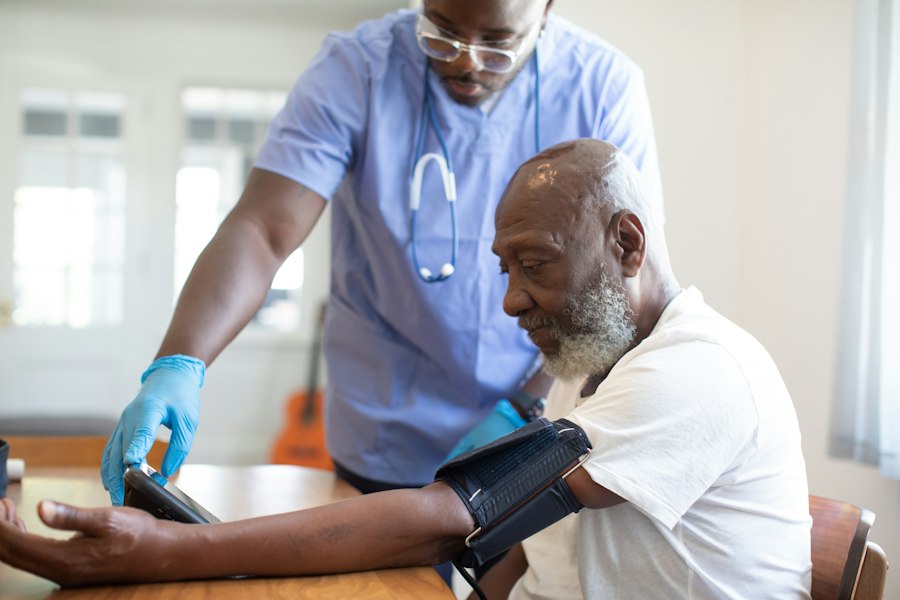
Before you can confidently choose between skilled home health care and nonmedical care, you must engage in a thorough assessment of your current needs and future goals. This isn’t a decision to be made lightly; it requires honest self-evaluation or open communication with your loved one. Consider the specific challenges you face daily, the support you currently receive, and what you envision for your well-being in the coming weeks, months, and years. This foundational step ensures that the care you select is not only appropriate but also effective in enhancing your quality of life.
The starting point for this assessment should involve a candid conversation with your physician. They can provide a professional evaluation of your medical status, identify any underlying conditions that require ongoing management, and offer recommendations for the level of care that would be most beneficial. This medical perspective is invaluable in differentiating between a need for skilled medical intervention and assistance with daily living tasks. Don’t hesitate to ask questions and express your concerns; your doctor is your primary partner in this health journey.
Consulting Your Healthcare Provider
Your doctor is the most critical resource in determining whether skilled home health care is necessary. They can assess your medical history, current health conditions, and any recent hospitalizations or procedures. Based on this information, they can prescribe specific therapies or nursing services that fall under the umbrella of skilled home health. For example, if you’ve had a stroke, your doctor might recommend a combination of physical therapy, occupational therapy, and skilled nursing to aid in your recovery. They can also provide referrals to home health agencies that offer these specialized services and ensure that your care plan is integrated with your overall medical treatment.
Evaluating Your Daily Living Challenges
Beyond medical needs, it’s essential to objectively evaluate the challenges you face with daily living activities. Are you struggling with bathing and grooming? Do you find meal preparation and cleanup overwhelming? Is maintaining a clean and safe home becoming difficult? Are you experiencing increased fatigue or pain that impacts your ability to perform these tasks? Be honest and specific. For instance, instead of saying “I need help,” specify “I need assistance with showering three times a week and help preparing breakfast and lunch daily.” This detailed understanding will guide you toward the appropriate level of support.
Identifying Specific Health Conditions and Treatments
For skilled home health care, identifying specific health conditions and the treatments they require is paramount. This might include managing chronic illnesses like diabetes, heart disease, or respiratory conditions that necessitate regular monitoring, medication management, or wound care. Post-surgical recovery is another common scenario where skilled nursing and rehabilitation therapies are crucial for healing and regaining function. If you are experiencing complex medical needs, such as ongoing pain management, IV therapy, or care for serious wounds, skilled home health is likely the appropriate choice. The presence of these medical complexities dictates the need for licensed healthcare professionals.
The Distinct Roles of Caregivers and Professionals
Understanding the difference between the individuals providing care is key to grasping the distinction between skilled and nonmedical services. In skilled home health care, you are interacting with licensed healthcare professionals who possess specialized training and expertise. These are not individuals offering general assistance; they are nurses, therapists, and other medical practitioners whose work is governed by strict professional standards and regulations. Their actions are often directed by a physician’s orders and are focused on medical outcomes and patient recovery.
On the other hand, nonmedical caregivers are individuals trained to provide support with the practical aspects of daily living. While they may have certifications in areas like first aid or CPR, their primary role is not medical in nature. They are companions, assistants, and helpers who focus on your comfort, safety, and well-being in non-medical ways. Their training emphasizes empathy, patience, and the ability to assist with personal care, household tasks, and transportation, fostering a supportive and nurturing environment.
Licensed Professionals in Skilled Care
In skilled home health care, you will be attended to by individuals who have undergone rigorous education and examination to obtain their licenses. Registered nurses (RNs), for instance, have a bachelor’s or associate’s degree in nursing and are qualified to perform complex medical assessments, administer medications, manage wound care, and educate patients and their families about their conditions. Licensed practical nurses (LPNs) also provide essential nursing care under the supervision of an RN or physician. Physical therapists, occupational therapists, and speech-language pathologists are licensed professionals with master’s or doctoral degrees, specializing in rehabilitation and the restoration of physical and cognitive functions. Their interventions are evidence-based and aim to achieve specific therapeutic goals, making them indispensable for recovery and long-term health management.
Support Personnel in Nonmedical Care
Nonmedical caregivers, while not possessing medical licenses, are nonetheless valuable members of the caregiving team. They undergo comprehensive training that equips them to handle a variety of non-medical responsibilities. This training often includes instruction in personal hygiene assistance, safe transfer techniques, basic nutrition and meal preparation, light housekeeping, medication reminders, and emergency protocols. Many agencies also provide specialized training in areas like dementia care or Alzheimer’s support, ensuring caregivers are prepared to address the unique needs of individuals with these conditions. Their primary focus is on providing consistent, compassionate support that enhances the client’s daily life and well-being.
The Importance of Scope of Practice
It is crucial to understand the scope of practice for each type of caregiver. Skilled professionals operate within a defined medical scope, meaning they can perform tasks that require medical knowledge and judgment. This includes making clinical assessments, developing care plans in conjunction with physicians, administering medications, and providing therapeutic interventions. Nonmedical caregivers, conversely, have a broader scope of practice that encompasses assistance with personal care, household chores, and companionship. They are trained to recognize when a situation requires the intervention of a skilled medical professional and to report any changes in a client’s condition to the appropriate parties. This clear delineation ensures that clients receive the right type of care from the right professionals.
When considering the best options for elderly care, it’s essential to understand the differences between skilled home health care and nonmedical care. Skilled home health care typically involves licensed professionals providing medical services, while nonmedical care focuses on assistance with daily activities. For a deeper insight into the financial implications and benefits of these care types, you can explore a related article that discusses various aspects of home health care options at How Wealth Grows. This resource can help you make informed decisions about the best care for your loved ones.
Making the Right Choice for Your Situation
| Aspect | Skilled Home Health Care | Nonmedical Home Care |
|---|---|---|
| Definition | Medical care provided by licensed healthcare professionals such as nurses, therapists, or aides under medical supervision. | Assistance with daily living activities provided by caregivers without medical training. |
| Typical Services | Wound care, medication management, physical therapy, intravenous therapy, monitoring vital signs. | Bathing, dressing, meal preparation, companionship, transportation, housekeeping. |
| Caregiver Qualifications | Licensed nurses, physical therapists, occupational therapists, speech therapists. | Trained caregivers or aides without medical licenses. |
| Regulation | Highly regulated by state and federal agencies; requires certification and adherence to medical standards. | Less regulated; varies by state and agency. |
| Payment Sources | Often covered by Medicare, Medicaid, or private insurance when medically necessary. | Typically paid out-of-pocket or through long-term care insurance; rarely covered by Medicare. |
| Cost Range (per hour) | Approximately 50 – 150 | Approximately 20 – 40 |
| Duration of Care | Short-term or intermittent based on medical need. | Long-term or ongoing support for daily living. |
| Goal | Promote recovery, manage medical conditions, prevent hospitalization. | Enhance quality of life and support independence in daily activities. |
Ultimately, the decision between skilled home health care and nonmedical home care hinges on your unique circumstances and priorities. There isn’t a one-size-fits-all answer. It requires a thoughtful evaluation of your medical needs, your ability to perform daily tasks, and your desire for companionship and social engagement. Consider your current health status, any potential for recovery or improvement, and the level of support that will allow you or your loved one to live safely, comfortably, and with the highest possible quality of life.
Sometimes, the need for care can be a blend of both skilled and nonmedical support. For instance, someone recovering from surgery might require skilled nursing for wound care and physical therapy for rehabilitation, while also benefiting from a nonmedical caregiver to assist with daily tasks and provide companionship during their recovery. Many home care agencies offer comprehensive services, allowing you to create a customized care plan that addresses all aspects of your needs. Open communication with your family, healthcare providers, and potential care agencies will be instrumental in navigating this decision-making process.
When Skilled Care is Paramount
Skilled home health care is paramount when there is a diagnosed medical condition that requires the expertise of licensed healthcare professionals. This includes situations where you need regular medical assessments, wound care, medication management beyond simple reminders, physical therapy for rehabilitation, occupational therapy to regain daily living skills, or speech therapy. If you have recently been discharged from a hospital or rehabilitation facility, skilled home health is often prescribed to ensure a smooth transition and continued recovery. The primary goal of skilled care is to address specific health issues, promote healing, and prevent further decline.
When Nonmedical Care is the Primary Need
Nonmedical home care is the primary need when you are generally in good health but require assistance with activities of daily living, or when you desire companionship and support to maintain independence. This is ideal for seniors who want to age in place, individuals recovering from minor illnesses or injuries that do not require ongoing medical supervision, or those who simply need help with household chores, meal preparation, or transportation. The focus here is on enhancing your comfort, safety, and overall well-being through practical assistance and social interaction.
Creating a Blended Care Plan
In many instances, a blended care plan, incorporating elements of both skilled home health and nonmedical home care, offers the most comprehensive and effective solution. This approach allows you to receive specialized medical attention when needed, while also benefiting from the consistent support and companionship of nonmedical caregivers. For example, if you have a chronic condition like diabetes that requires regular monitoring and insulin injections (skilled care), but also find it difficult to manage household chores and grocery shopping (nonmedical care), a coordinated plan can address both needs. This can involve having a nurse visit weekly for assessments and medication administration, while a nonmedical caregiver assists with daily tasks and provides companionship throughout the week. This holistic approach ensures that all your needs are met, promoting your overall health and independence.

Your Retirement Contribution Is Paying for Your Parents’ Care
FAQs
What is skilled home health care?
Skilled home health care involves medical services provided by licensed healthcare professionals such as nurses, therapists, and home health aides. These services are typically prescribed by a physician and may include wound care, medication management, physical therapy, and other medical treatments.
What is nonmedical care?
Nonmedical care, also known as personal care or custodial care, focuses on assisting with activities of daily living such as bathing, dressing, meal preparation, and companionship. Nonmedical caregivers do not provide medical treatments or services but offer support to help individuals with their daily needs.
How do skilled home health care and nonmedical care differ?
The main difference between skilled home health care and nonmedical care is the level of training and services provided. Skilled home health care involves medical services delivered by licensed professionals, while nonmedical care focuses on assisting with daily activities and providing companionship without medical treatment.
When is skilled home health care recommended?
Skilled home health care is typically recommended for individuals who require medical treatments or therapies at home following a hospital stay, surgery, or illness. It is often prescribed by a physician as part of a comprehensive care plan to help patients recover and manage their health conditions.
How can I determine if skilled home health care or nonmedical care is right for me or my loved one?
To determine the appropriate type of care, it is essential to assess the individual’s medical needs and personal preferences. If medical treatments or therapies are required, skilled home health care may be more suitable. If assistance with daily activities and companionship is needed, nonmedical care may be the preferred option.