
Unveiling the True Price of Care: Understanding Your Family Caregiver Costs
The journey of a family caregiver is one often undertaken with love and unwavering dedication. You step in when a loved one needs support, whether it’s due to aging, illness, or disability. While the emotional rewards of providing care are immeasurable, the financial realities can be daunting. Understanding the full spectrum of costs associated with family caregiving is the first crucial step in managing them effectively and ensuring you don’t bear the burden alone. These costs extend far beyond the obvious medical expenses, encompassing a wide array of direct and indirect financial impacts on your life and your family’s well-being.
You might find yourself paying for prescription medications, doctor’s appointments, and specialized equipment. But have you considered the cost of modifying your home for accessibility, such as ramps or grab bars? What about the increased utility bills from essential medical devices, or the transportation expenses for frequent appointments? These are just the tangible expenses. Then there are the less visible, but equally significant, financial tolls. Your own work hours might be reduced or foregone entirely, leading to a loss of income. Your career progression could stall. You may be spending less on your own retirement savings or even dipping into them to cover caregiving needs. Recognizing these multifaceted costs is not about dwelling on the negative; it’s about empowering yourself with knowledge so you can proactively seek solutions and support. This article is designed to guide you through this complex landscape, helping you identify, quantify, and ultimately, find ways to alleviate the financial pressures of family caregiving.
Family caregivers often face significant financial challenges while providing essential support to their loved ones. Understanding the costs associated with caregiving is crucial for managing both time and resources effectively. For a deeper insight into the financial aspects of caregiving, you can explore a related article that discusses various resources available to family caregivers. This article provides valuable information that can help alleviate some of the financial burdens. To read more, visit this link.
Direct Expenses: The Immediate Financial Outlays
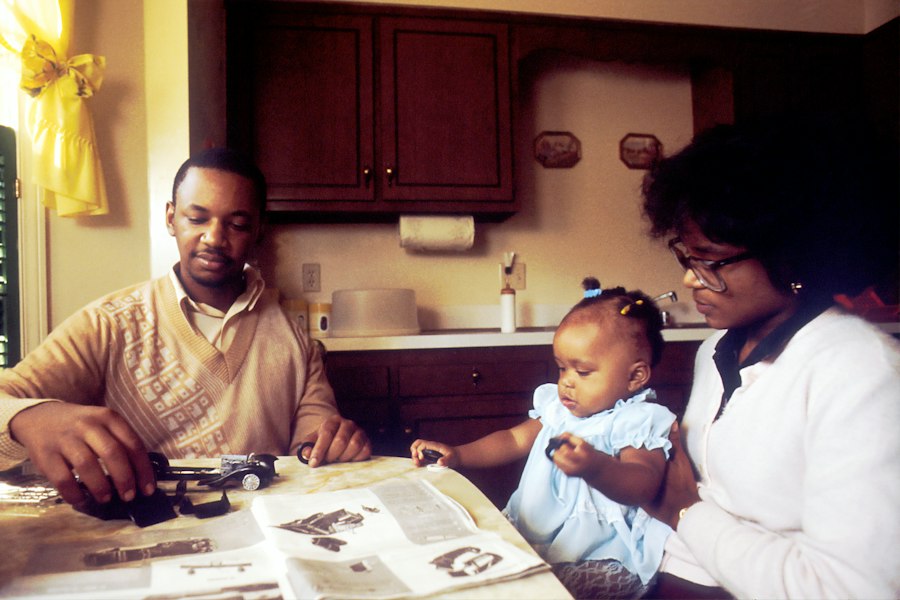
The most immediate and often most significant financial burden for family caregivers comes in the form of direct expenses. These are the costs you directly pay out of pocket to ensure your loved one receives the care and support they need. It’s vital to meticulously track these expenditures, as they form the foundation for many financial assistance applications and tax deductions.
Medical and Therapeutic Costs
This category encompasses a broad range of health-related expenditures. Beyond the co-pays and deductibles for doctor visits, you’re likely dealing with the cost of prescription medications. These can be a substantial recurring expense, especially for individuals with chronic conditions. Consider the potential for generic alternatives or prescription discount programs. Durable medical equipment (DME) is another common necessity. Think about items like wheelchairs, walkers, hospital beds, oxygen concentrators, and specialized bathroom equipment. While some of these might be rented, purchasing them outright can also be a significant investment. Rehabilitation services, such as physical therapy, occupational therapy, and speech therapy, are crucial for recovery and maintaining independence, but they often come with their own set of costs. Home health aides or visiting nurses, when not fully covered by insurance, represent a considerable expenditure for professional medical support within the home.
Home Modifications and Accessibility Improvements
As your loved one’s needs change, your home may require modifications to ensure safety and accessibility. This can involve structural changes that incur substantial costs. Installing ramps or stairlifts to overcome mobility challenges is a common example. Widening doorways to accommodate wheelchairs or walkers is another. Bathroom renovations, such as converting a tub into a walk-in shower with grab bars and non-slip flooring, are essential for preventing falls. Even smaller modifications, like installing lever-style door handles or altering countertop heights, can add up. These improvements are not just about convenience; they are about fostering independence and reducing the risk of accidents, which in turn can prevent further medical expenses and the need for more intensive care.
Daily Living and Personal Care Expenses
Beyond medical needs, you’ll likely encounter costs associated with your loved one’s daily living and personal care. This could include specialized dietary needs or supplements if recommended by a doctor. Personal care items, such as incontinence supplies, adaptive clothing, or specialized hygiene products, can also represent a recurring expense. If your loved one requires assistance with bathing, dressing, or toileting, and you’re unable to provide it entirely yourself, you might need to hire personal care attendants, which can be a significant hourly or daily cost. The increased use of utilities, such as for medical equipment or additional laundry, can also contribute to higher monthly bills.
Transportation and Mobility Costs
Getting your loved one to and from medical appointments, therapy sessions, or social outings can incur significant transportation costs. This could involve using your own vehicle and factoring in wear and tear, fuel, and parking fees. For individuals with more significant mobility challenges, specialized transportation services or accessible vehicle modifications might be necessary, which can be considerably more expensive. Even simple errands, like grocery shopping or picking up prescriptions, can become more time-consuming and costly when you need to factor in transporting another person.
Indirect Financial Impacts: The Hidden Drains

While direct expenses are easier to quantify, the indirect financial impacts of family caregiving can be equally, if not more, substantial in the long run. These are the costs that affect your own financial stability, career, and future earning potential. Understanding these “hidden” drains is crucial for long-term financial planning and seeking appropriate support.
Lost Income and Reduced Earning Potential
One of the most significant indirect costs is the potential for lost income. Many caregivers find themselves needing to reduce their work hours, take extended leaves of absence, or even leave their jobs entirely to provide the necessary care. This directly impacts your current income and can have a ripple effect on your future earning potential. Promotions and career advancement opportunities might be missed due to your unavailability or reduced capacity. The cumulative effect of reduced work hours and missed promotions can significantly impact your overall financial well-being and retirement savings over time.
Impact on Retirement Savings and Investments
When you’re channeling funds towards caregiving expenses, your own retirement savings often take a backseat. You might find yourself unable to contribute as much to your 401(k), IRA, or other investment accounts. In some cases, you might even need to withdraw funds from your existing retirement nest egg to cover immediate caregiving costs. This can set you back significantly in your retirement planning, potentially requiring you to work longer or face a reduced standard of living in your later years.
Increased Stress and Mental Health Costs
The emotional and mental toll of caregiving is immense, and this stress can have tangible financial implications. Chronic stress can lead to health problems, requiring you to incur medical expenses yourself. It can also impact your productivity at work, potentially affecting your job performance and security. Furthermore, the emotional burden can lead to burnout, which might necessitate seeking professional help, such as therapy or counseling, adding another layer of expense. The mental exhaustion can also make it harder to focus on financial management and planning, leading to missed opportunities or poor financial decisions.
Legal and Estate Planning Expenses
As a caregiver, you may need to consider legal and estate planning matters. This could involve navigating the complexities of power of attorney, guardianship, or probate. You might need to consult with attorneys to ensure your loved one’s wishes are respected and their affairs are in order. While these are important steps to protect your loved one and your family, they can also involve significant legal fees. Planning for end-of-life care and estate distribution, while sensitive, is crucial and can prevent larger financial and emotional complications down the line.
Exploring Financial Assistance: Where to Find Support
The financial demands of caregiving can be overwhelming, but you are not alone. A multitude of resources and financial assistance programs exist to help ease the burden. Navigating these options can seem daunting, but the potential financial relief is well worth the effort. It’s essential to research and apply for programs for which you and your loved one may be eligible.
Government Programs and Entitlements
Several government agencies offer programs that can provide financial assistance for caregiving. For older adults, Medicare and Medicaid are primary sources of support. Medicare primarily covers medically necessary services, including some home health care and durable medical equipment. Medicaid, however, has broader coverage and can assist with long-term care services, including in-home care, assisted living, and nursing home care, depending on income and asset limitations. You’ll need to explore the specific eligibility requirements for each. Veterans benefits can also be a crucial source of support for eligible individuals and their caregivers. This can include healthcare services, home modifications, and financial assistance for care. State-specific programs, often administered through departments of aging or social services, can offer respite care grants, home care assistance, and other forms of financial aid tailored to your region.
Insurance Policies and Benefits
Your loved one’s health insurance policy may cover certain aspects of care, particularly medical treatments, therapies, and prescription drugs. It’s vital to thoroughly review the policy details and understand what is covered, what requires pre-authorization, and what the out-of-pocket expenses will be. Long-term care insurance, if your loved one possesses it, can be a significant financial resource for covering costs associated with in-home care, assisted living, or nursing home care. If you are employed, investigate your own employer-provided benefits. Some companies offer flexible spending accounts (FSAs) or health savings accounts (HSAs) that can be used for medical expenses. Paid family leave policies, while not always covering the full duration of caregiving needs, can provide a financial bridge during periods of reduced work.
Non-Profit Organizations and Charitable Foundations
Numerous non-profit organizations and charitable foundations are dedicated to supporting individuals with specific illnesses or disabilities, and by extension, their caregivers. These organizations often provide grants, financial assistance programs, or connect you with low-cost resources. For example, organizations focused on Alzheimer’s disease, cancer, or specific neurological conditions may offer funding for care expenses, respite services, or home modifications. Local community foundations and religious organizations may also have funds available for individuals facing financial hardship due to caregiving responsibilities. Don’t underestimate the power of reaching out to your local community resource centers; they can often point you toward relevant non-profits.
Tax Deductions and Credits
You may be able to claim certain tax deductions and credits that can help offset caregiving expenses. If you pay for medical expenses for a dependent (your loved one), you may be able to deduct a portion of those costs if they exceed a certain percentage of your adjusted gross income. Dependent care credits can also be available if you pay for care so that you (and your spouse, if filing jointly) can work or look for work. This often applies to younger dependents but can sometimes extend to adult dependents who are unable to care for themselves. Consulting with a tax professional who is knowledgeable about caregiver-related deductions and credits is highly recommended to ensure you are taking full advantage of all available tax benefits.
Family caregivers often face significant financial challenges while providing essential support to their loved ones. To better understand the costs associated with caregiving and explore potential resources, you might find it helpful to read a related article that delves into various financial strategies and assistance options. For more information, you can check out this insightful piece on financial resources for family caregivers, which offers valuable tips and guidance to help navigate the complexities of caregiving expenses.
Strategies for Managing Costs: Proactive Financial Planning
| Resource | Average Cost | Cost Type | Notes |
|---|---|---|---|
| In-Home Care Services | 25 – 30 per hour | Hourly Rate | Costs vary by region and level of care needed |
| Adult Day Care | 70 – 100 per day | Daily Rate | Provides social and health services during daytime hours |
| Respite Care | 200 – 250 per day | Daily Rate | Temporary relief for family caregivers |
| Home Modifications | 3,000 – 10,000 one-time | One-Time Cost | Includes ramps, grab bars, and bathroom modifications |
| Medical Equipment | 100 – 5,000 one-time | One-Time Cost | Wheelchairs, hospital beds, oxygen equipment |
| Support Groups | Free – 20 per session | Per Session | Many community groups offer free or low-cost options |
| Caregiver Training Programs | 0 – 200 per course | Per Course | Some offered free by nonprofits or healthcare providers |
Beyond seeking external assistance, implementing proactive financial management strategies is crucial for navigating the ongoing costs of family caregiving. These strategies involve careful budgeting, smart spending, and long-term planning to ensure your own financial stability while providing care.
Creating a Detailed Caregiving Budget
The first step in managing costs is to create a comprehensive budget specifically for caregiving expenses. This involves meticulously tracking all current and anticipated costs, both direct and indirect. Categorize your expenses (e.g., medical, home modifications, personal care, lost income). Be realistic about your spending and look for areas where you might be able to reduce costs without compromising the quality of care. Regularly review and adjust your budget as your loved one’s needs and your financial situation evolve. Utilizing budgeting apps or spreadsheets can be incredibly helpful in this process.
Negotiating Medical Bills and Services
Don’t hesitate to negotiate medical bills. Hospitals and healthcare providers often have financial assistance programs or payment plans available. You can also inquire about cash discounts if you are paying out-of-pocket. If you feel a bill is incorrect or an expense was unnecessary, appeal it. For services not covered by insurance, research alternative providers or explore less expensive options. Sometimes, asking for a sliding scale fee based on income can be beneficial, especially with therapists or social workers.
Exploring Cost-Saving Alternatives
Actively seek out cost-saving alternatives for products and services. For medications, compare prices at different pharmacies or explore prescription discount programs and manufacturer coupons. Look for refurbished or gently used medical equipment instead of purchasing new. Research community resources that offer free or low-cost transportation for medical appointments. Consider whether certain tasks can be managed more affordably through volunteer programs or by sharing services with other caregivers. For home modifications, explore grants or subsidized programs that might cover a portion of the cost.
Prioritizing Your Own Financial Health
It is absolutely essential to prioritize your own financial health, even amidst the demands of caregiving. This means continuing to contribute to your retirement savings, even if it’s a smaller amount. It also means maintaining an emergency fund to cover unexpected personal expenses. If possible, continue to invest in your career development and seek opportunities that can enhance your earning potential in the long run. Don’t neglect your own health and well-being, as medical expenses for yourself can further strain your finances. Seeking respite care is not a luxury; it’s a necessity that can prevent burnout and allow you to return to caregiving with renewed energy and focus, ultimately protecting your own financial stability.
Seeking Professional Guidance: When to Get Expert Help
Navigating the financial complexities of family caregiving can be overwhelming, and there are times when seeking professional guidance is not only beneficial but essential. Experts can offer specialized knowledge, personalized advice, and support that you may not be able to find on your own. Don’t hesitate to reach out for help when you need it.
Financial Advisors Specializing in Eldercare
A financial advisor who specializes in eldercare can be an invaluable resource. These professionals understand the unique financial challenges faced by caregivers and their families. They can help you create a comprehensive financial plan that accounts for caregiving expenses, retirement planning, estate planning, and investment strategies. They can also assist in navigating complex financial products and identifying government benefits or grants for which you might be eligible. They can provide objective advice and help you make informed decisions to ensure your long-term financial security.
Elder Law Attorneys for Legal and Estate Planning
If you are facing legal or estate planning matters related to your loved one’s care, an elder law attorney is crucial. They can assist with setting up power of attorney, wills, trusts, and guardianship documents. They can also advise on long-term care planning, including navigating Medicaid eligibility for nursing home care, and protecting assets. Understanding the legal ramifications of your caregiving responsibilities is vital for ensuring your loved one’s wishes are met and for protecting yourself from potential legal liabilities.
Geriatric Care Managers for Comprehensive Support
Geriatric care managers, also known as aging life care professionals, offer a holistic approach to supporting older adults and their families. They can conduct comprehensive assessments of your loved one’s needs and help develop a care plan. Importantly, they can also provide guidance on financial resources, connect you with relevant services, and help you navigate the healthcare system. While they may not directly manage your finances, their expertise in coordinating care can indirectly lead to cost savings by ensuring efficient and appropriate resource allocation. They can act as a central point of contact, simplifying the often-confusing landscape of caregiving support.
Tax Professionals for Deductions and Credits
As mentioned earlier, tax laws can be complex, especially when it comes to deductions and credits related to caregiving. A tax professional, particularly one with experience in elder care or family law, can ensure you are maximizing your tax benefits. They can help you identify eligible deductions for medical expenses, dependent care credits, and any other tax advantages available to caregivers. Proper tax planning can result in significant financial savings that can be reinvested in your loved one’s care or your own financial future. Don’t miss out on potential savings due to a lack of knowledge about tax regulations.

Your Retirement Contribution Is Paying for Your Parents’ Care
FAQs
What are some common costs associated with being a family caregiver?
Common costs for family caregivers include medical expenses, transportation costs, home modifications, respite care, and lost wages due to taking time off work.
Are there any financial assistance programs available for family caregivers?
Yes, there are financial assistance programs such as Medicaid, Medicare, Veteran’s benefits, and state-specific programs that provide support for family caregivers in managing the costs of caregiving.
How can family caregivers create a budget to manage their expenses?
Family caregivers can create a budget by listing all their expenses, including caregiving-related costs, and comparing them to their income. They can then prioritize expenses, look for cost-saving opportunities, and seek financial assistance if needed.
What are some resources for family caregivers to access financial assistance or support?
Family caregivers can access resources such as local Area Agencies on Aging, non-profit organizations like the Alzheimer’s Association or AARP, online caregiver support groups, and government websites that provide information on financial assistance programs.
How can family caregivers reduce costs while still providing quality care for their loved ones?
Family caregivers can reduce costs by exploring community resources, utilizing free or low-cost services, sharing caregiving responsibilities with other family members or friends, and planning ahead for potential expenses.