
You’ve spent decades diligently saving, planning, and dreaming about your retirement. You’ve pictured leisurely mornings, pursuing hobbies, traveling, and spending quality time with loved ones. But have you adequately considered the crucial role of cash reserves in making those dreams a reality, not just a fleeting fantasy? It’s easy to get caught up in the excitement of investments and market growth, but overlooking the importance of readily available cash in your retirement years can be a significant oversight. This article will delve into why maintaining a healthy cash reserve is not just a good idea, but an essential component of a secure and comfortable retirement.
The Unexpected Hiccups of Retirement Life
Retirement, while a time of freedom and relaxation, can also present unforeseen challenges. Life rarely unfolds exactly as planned, and this is particularly true when you’re no longer earning a steady income. Your retirement cash reserve acts as a vital buffer, providing peace of mind and financial flexibility when you need it most.
Navigating Unforeseen Medical Expenses
One of the most common and significant unexpected expenses in retirement is healthcare. As you age, the likelihood of needing medical treatments, prescriptions, or even long-term care increases. While you may have health insurance, it often doesn’t cover everything. Deductibles, co-pays, and services not fully covered can add up quickly. A well-funded cash reserve ensures you can address these medical needs without derailing your overall financial plan or being forced to tap into long-term investments at an inopportune time, potentially at a market low. Imagine needing a new hearing aid, a necessary surgery, or ongoing physical therapy. Without readily available cash, you might face difficult choices or accumulate debt, which is a stressful addition to your retirement years. Your health is paramount, and having cash reserves allows you to prioritize it without financial anxiety.
Addressing Home Maintenance and Repairs
Your home is likely your largest asset and a place of comfort and security. However, as time passes, houses require maintenance and unexpected repairs. A leaky roof, a malfunctioning HVAC system, a burst pipe, or even just needing to update aging appliances can all be costly. These aren’t typically investments that provide a quick return, but they are essential to maintaining your quality of life and protecting your property value. A cash reserve allows you to tackle these home issues promptly and efficiently, preventing minor problems from escalating into major, more expensive disasters. Think about a sudden storm that causes significant damage to your roof, or your water heater failing in the middle of winter. Being able to immediately authorize repairs without hesitation provides immense relief and prevents further inconvenience.
Supporting Family and Loved Ones
Retirement isn’t just about your own needs; it’s also about being there for your family. You might want to help your children with a down payment on a house, contribute to your grandchildren’s education, or assist a loved one facing a financial hardship. While these are generous and often rewarding acts, they can place a strain on your retirement income if not planned for. A cash reserve offers the flexibility to provide this support without jeopardizing your own financial stability. It allows you to be a pillar of support for your family in a meaningful way, knowing you have the means to do so. Consider a situation where a grandchild needs unexpected tutoring or a child faces a job loss. Your ability to offer financial assistance can be a lifeline for them, and your cash reserves make this possible.
Maintaining adequate cash reserves during retirement is crucial for ensuring financial stability and peace of mind. A related article that delves into this topic is available at How Wealth Grows, which discusses the importance of having liquid assets to cover unexpected expenses and to avoid the need to liquidate investments during market downturns. This resource provides valuable insights on how retirees can effectively manage their cash reserves to enhance their overall financial security.
The Emotional Comfort of Liquidity
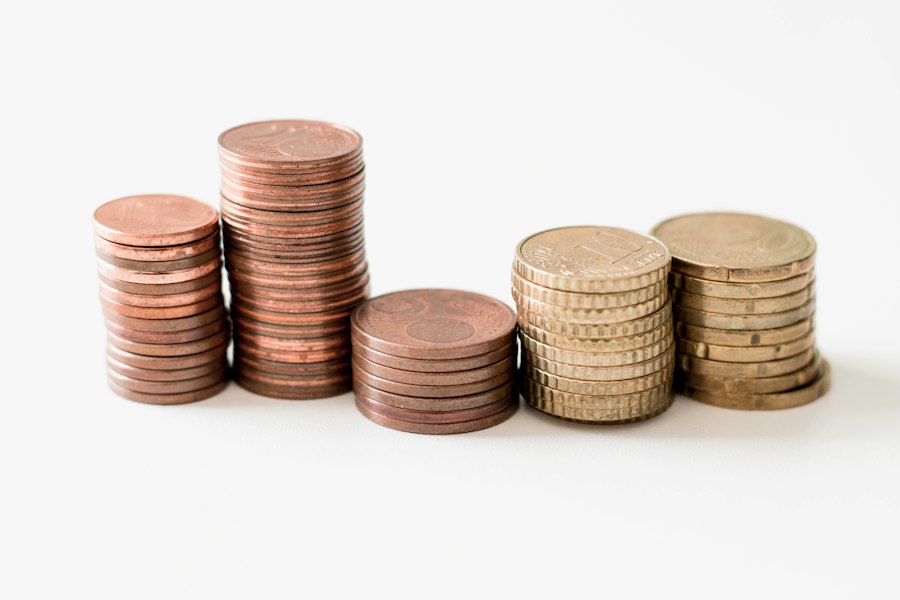
Beyond tangible expenses, there’s a profound emotional benefit to having readily accessible cash in retirement. It provides a sense of security and reduces stress, allowing you to truly enjoy your golden years.
Alleviating the Fear of Market Volatility
The stock market can be a rollercoaster, and while it’s a crucial component of long-term wealth building, its inherent volatility can be a source of anxiety for retirees. If your entire retirement nest egg is invested, a significant market downturn can feel catastrophic, especially when you are relying on those funds for your daily expenses. A cash reserve acts as a psychological shock absorber. It allows you to weather market fluctuations without being forced to sell investments at a loss to cover your living costs. Knowing you have a cushion of cash provides peace of mind and allows you to maintain a more disciplined investment strategy, riding out the storms rather than panicking and making rash decisions. This detachment from short-term market movements is invaluable for long-term financial well-being.
Enhancing Decision-Making Power
When you have immediate access to funds, you retain greater control over your financial decisions. You are not beholden to the whims of the market or the urgency of an unexpected expense forcing you into a less-than-ideal financial move. This liquidity empowers you to make choices that align with your long-term goals and values, whether it’s taking advantage of a travel deal, investing in a promising opportunity, or simply having the freedom to not work if you choose. It’s about having options and the power to act on them without being constrained by immediate financial pressures. Imagine having the opportunity to invest in a small, local business that aligns with your interests, or being able to book that dream cruise when a fantastic last-minute deal appears. Your cash reserves make these possibilities real.
Reducing Reliance on Debt
Access to cash reserves means you are less likely to rely on credit cards or loans to cover expenses. Accumulating debt in retirement can be a significant burden, with interest payments eroding your savings and adding stress to your financial situation. Having cash on hand allows you to avoid this trap, ensuring your retirement funds remain intact and dedicated to your needs and desires, not to servicing interest. This financial independence from debt is a cornerstone of a truly relaxed retirement.
Building Your Retirement Cash Cushion

The “right” amount of cash reserve is not a one-size-fits-all answer. It depends on your individual circumstances, risk tolerance, and spending habits. However, there are general guidelines and considerations to help you build an adequate cushion.
Determining the Appropriate Size of Your Reserve
A common recommendation is to have three to six months’ worth of essential living expenses readily available in cash. For retirees with more volatile income streams, a higher reserve, perhaps up to 12 months, might be advisable. Consider your fixed expenses (mortgage/rent, utilities, insurance) and your variable expenses (food, transportation, entertainment). Having this amount readily accessible provides a solid safety net. It’s about understanding your regular outflow and ensuring you can cover it for a significant period without touching your long-term investments. This buffer is not just for emergencies; it’s for the everyday peace of mind that comes with knowing you’re covered.
Strategic Placement of Your Cash Reserves
Where you keep your cash reserves matters. While you want easy access, you also want it to be safe and, if possible, to earn a modest return. Suitable options include high-yield savings accounts, money market accounts, and short-term certificates of deposit (CDs). These options offer liquidity and a degree of safety, though their returns may be lower than other investment vehicles. The key is to strike a balance between accessibility and security. You don’t want your emergency fund tied up in illiquid assets that are difficult to access quickly. Think of these as your immediate need funds, distinct from your growth-oriented investments.
Gradual Buildup and Ongoing Maintenance
Building your cash reserve may require a deliberate and gradual approach. If you’re just starting in retirement or approaching it, you might need to adjust your spending or even work a little longer to build up this essential buffer. Once established, it’s crucial to maintain it. Regularly review your expenses and your reserve balance. As life circumstances change, so too might your ideal cash reserve amount. A simple annual review can help you stay on track and make necessary adjustments. This isn’t a set-it-and-forget-it task; it requires ongoing attention.
The Interplay Between Cash and Investments
It’s essential to understand that cash reserves are not meant to replace your long-term investment portfolio. They serve a distinct purpose, working in conjunction with your investments to create a robust retirement financial plan.
Diversification Beyond Just Investments
Your retirement plan should be diversified not only across different asset classes (stocks, bonds, real estate) but also in terms of liquidity. Having a portion of your assets in highly liquid cash, alongside less liquid but potentially higher-growth investments, creates a more resilient financial strategy. This diversification ensures that no single point of failure can cripple your retirement. It’s like having different tools in a toolbox; you need a hammer for nails, a screwdriver for screws, and a wrench for nuts and bolts. Your cash reserve is one of those essential tools.
The Role of Cash in Rebalancing Your Portfolio
Cash reserves can play a crucial role in rebalancing your investment portfolio. When your investment allocations drift due to market performance, you might need to sell some assets to buy others to bring your portfolio back to its target allocation. Having cash on hand can facilitate these transactions without the need to sell investments at potentially unfavorable times. It streamlines the rebalancing process and helps you maintain your desired risk profile. This proactive approach to portfolio management is key to long-term success.
Avoiding Forced Selling During Market Downturns
This point cannot be stressed enough. When markets are down, the temptation to sell investments to meet immediate cash needs can be overwhelming. However, this is often the worst time to sell, as you are locking in losses. A sufficient cash reserve allows you to avoid this forced selling, giving your investments time to recover. This disciplined approach is a hallmark of successful long-term investors. It’s the difference between reacting emotionally to market fluctuations and responding strategically.
Maintaining adequate cash reserves in retirement is crucial for ensuring financial stability and peace of mind. A well-planned strategy can help retirees navigate unexpected expenses without jeopardizing their long-term investments. For more insights on this topic, you might find it helpful to read a related article that discusses effective methods for managing cash reserves during retirement. This resource can provide valuable tips and strategies to enhance your financial planning. To explore further, visit How Wealth Grows.
The Long-Term Benefits of Prudent Cash Management
| Metric | Description | Recommended Amount | Purpose |
|---|---|---|---|
| Emergency Fund | Cash set aside for unexpected expenses | 3-6 months of living expenses | To cover sudden costs like medical bills or home repairs |
| Short-Term Expenses | Cash reserved for planned expenses within 1-3 years | 1-2 years of essential expenses | To avoid selling investments during market downturns |
| Liquidity Ratio | Percentage of total retirement assets held in cash or cash equivalents | 5-15% | Ensures access to funds without market risk |
| Withdrawal Buffer | Cash reserve to cover withdrawals during market volatility | 6-12 months of planned withdrawals | To maintain portfolio longevity and reduce forced selling |
| Inflation Adjustment | Additional cash to offset inflation impact on expenses | Adjust annually based on inflation rate | Preserves purchasing power of cash reserves |
Embracing the importance of cash reserves in retirement is not just about surviving financial challenges; it’s about thriving. It’s about living the retirement you’ve envisioned with confidence and peace of mind.
Sustaining Your Desired Lifestyle
Your retirement years should be about enjoying the fruits of your labor, not constantly worrying about money. Adequate cash reserves enable you to maintain your desired lifestyle without compromise. Whether that involves regular travel, pursuing expensive hobbies, or simply enjoying the security of knowing your bills are covered, your cash cushion is instrumental. It allows you to live your life on your terms, free from the constant pressure of financial scarcity.
Leaving a Legacy of Security
Beyond your personal comfort, a well-managed cash reserve can also contribute to your legacy. It can provide a more stable financial foundation for your heirs and ensure you can provide for your loved ones as you intended. Knowing that you’ve meticulously planned for your financial future, including having readily available funds, offers a sense of accomplishment and can provide a measure of reassurance to those you care about. It’s about ensuring your financial well-being extends beyond your lifetime in a positive and structured way.
The Gift of Flexibility and Freedom
Ultimately, cash reserves in retirement offer the invaluable gift of flexibility and freedom. Freedom from the constant pressure to work, freedom from the anxiety of unexpected expenses, and the freedom to make choices that truly align with your values and desires. This financial liberation is one of the most significant rewards of careful planning and prudent saving. It’s the ability to say “yes” to opportunities and “no” to unnecessary burdens, all while maintaining a comfortable and secure retirement. You’ve earned this freedom, and your cash reserves are a key enabler of it.

How Your Net Worth Can Rise After Your Paycheck Stops
FAQs
What are cash reserves in retirement?
Cash reserves in retirement refer to the money set aside in easily accessible accounts, such as savings or money market accounts, to cover unexpected expenses or emergencies during retirement.
Why is it important to have cash reserves in retirement?
Having cash reserves in retirement is important to provide a financial cushion for unexpected expenses, such as medical bills or home repairs, without having to dip into long-term investments or retirement accounts.
How much cash should be kept in reserves during retirement?
Financial experts recommend keeping 3 to 6 months’ worth of living expenses in cash reserves during retirement to cover any unforeseen costs that may arise.
What are the benefits of keeping cash reserves in retirement?
Benefits of keeping cash reserves in retirement include peace of mind knowing that you have funds readily available for emergencies, avoiding having to sell investments at a loss during market downturns, and maintaining financial stability.
How can one build up cash reserves in retirement?
To build up cash reserves in retirement, individuals can set aside a portion of their income each month into a designated savings account, automate contributions to a high-yield savings account, and adjust their budget to prioritize saving for emergencies.