
Understanding the fluctuating landscape of mortgage rates is crucial for any aspiring homeowner. You’re on the cusp of a significant financial decision, and the rate you secure can dramatically impact your monthly payments and the total cost of your home over the loan’s life. This article aims to equip you with the knowledge you need to navigate current mortgage rate trends and anticipate what might lie ahead, empowering you to make informed choices as you embark on your home-buying journey.
Decoding Today’s Mortgage Rate Environment
You’re likely bombarded with headlines about interest rates, and it can feel like a guessing game. However, understanding the core factors influencing these rates will provide clarity. The Federal Reserve, for instance, plays a pivotal role through its monetary policy. When the Fed raises its benchmark interest rate, it generally makes borrowing more expensive across the economy, including for mortgages. Conversely, when the Fed lowers rates, mortgage rates tend to follow suit. Beyond this central influence, several other economic indicators are constantly at play, shaping the mortgage market you’ll encounter.
The Fed’s Shadow: Monetary Policy and Your Mortgage
The Federal Reserve’s dual mandate of maximizing employment and maintaining stable prices is the driving force behind its interest rate decisions. When inflation is high, the Fed may increase interest rates to cool down the economy and curb rising prices. This action ripples through the financial system, making it more expensive for banks to lend money. Consequently, mortgage lenders pass these higher costs onto borrowers in the form of increased mortgage rates. Conversely, during economic slowdowns or periods of low inflation, the Fed might lower interest rates to stimulate borrowing and economic activity. This can lead to more attractive mortgage rates for you, making homeownership more affordable. You’ll want to pay close attention to the Fed’s statements and meeting minutes, as they often provide clues about future policy direction.
Inflation’s Grip: A Constant Consideration
Inflation is perhaps the most significant economic factor influencing mortgage rates. When the cost of goods and services rises rapidly, the purchasing power of money diminishes. Lenders, to protect their investment from this erosion, will demand higher interest rates. This is because the money they receive back in future payments will be worth less than the money they lent out today. Therefore, as you monitor economic news, pay close attention to inflation reports. High and persistent inflation typically translates to higher mortgage rates, while moderating inflation can signal a potential for rates to stabilize or even decrease.
Economic Growth and Consumer Confidence: The Broader Picture
The overall health of the economy and consumer sentiment significantly influence mortgage rate trends. A robust economy with strong job growth and increasing consumer spending often leads to higher demand for housing, which can, in turn, put upward pressure on mortgage rates. Conversely, during economic downturns or periods of uncertainty, demand for housing may decrease, and lenders might offer lower rates to attract borrowers. Your confidence as a potential buyer also plays a role. If you feel secure in your job and optimistic about the future, you’re more likely to enter the housing market, contributing to demand.
Bond Markets: The Hidden Engine of Mortgage Rates
While the Fed sets the tone, the bond market is where much of the actual pricing of mortgages occurs. Mortgage-backed securities (MBS), which are bundles of mortgages sold to investors, are traded on these markets. The yields on these MBS are directly correlated with mortgage rates. When demand for MBS is high, their prices rise, and their yields fall, leading to lower mortgage rates for you. Conversely, if investors become risk-averse or demand higher returns, the yields on MBS increase, pushing mortgage rates up. You might hear about the 10-year Treasury yield as a benchmark; this is because mortgage rates often move in tandem with it, as both are influenced by similar economic factors.
As home buyers navigate the complexities of the real estate market, understanding mortgage rate trends is crucial for making informed decisions. A related article that provides valuable insights into current mortgage rate fluctuations and their impact on home buying is available at How Wealth Grows. This resource offers an in-depth analysis of the factors influencing mortgage rates and tips for securing the best financing options.
Projecting Future Mortgage Rate Trajectories
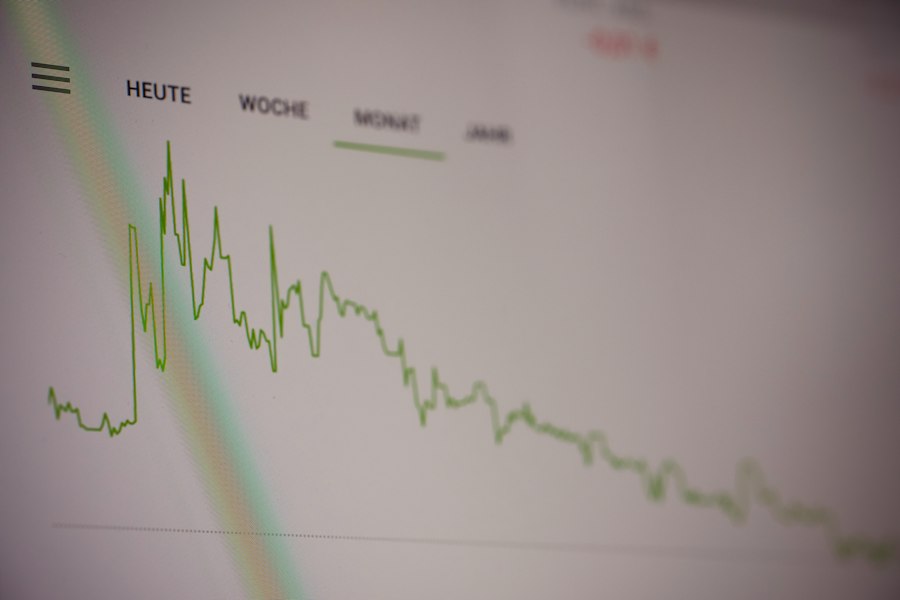
Predicting the future with absolute certainty is impossible, but by analyzing current trends and understanding the forces at play, you can form educated expectations about mortgage rates. Several scenarios could unfold, each with different implications for your borrowing costs. Keeping a pulse on economic forecasts and expert opinions will be your best guide.
As home buyers navigate the current real estate market, understanding mortgage rate trends is crucial for making informed decisions. Recent fluctuations in interest rates can significantly impact affordability and purchasing power. For a deeper dive into how these trends are shaping the market, you can explore this insightful article on mortgage rates. It provides valuable information that can help buyers strategize their home purchases effectively. To read more, visit this article.
The Scenario of Steady Rates: A Period of Calm?
One potential scenario is a period of relative stability in mortgage rates. This might occur if inflation shows consistent signs of moderating, and the Federal Reserve signals a pause in its rate-hiking cycle. In such an environment, mortgage rates could hover within a narrow range, offering you a degree of predictability as you plan your home purchase. This doesn’t mean rates will be stagnant, but significant, rapid swings might be less likely. This scenario can be favorable for buyers who are ready to purchase and are seeking a predictable cost of borrowing.
The Ascent of Rates: What if Inflation Persists?
If inflation proves more stubborn than anticipated, or if the economy continues to experience strong demand, the Federal Reserve might be compelled to implement further interest rate hikes. This would likely translate into an upward trend in mortgage rates. For you, this scenario means that waiting to buy could result in higher borrowing costs. It underscores the importance of not delaying your purchase indefinitely if you find a home that meets your needs and budget, especially if rates are trending upwards. You’ll need to factor in the potential for higher monthly payments if you postpone your decision.
The Descent of Rates: Signs of Economic Easing?
On the other hand, if the economy begins to show signs of slowing significantly, or if inflation abates more rapidly than expected, the Federal Reserve might shift towards lowering interest rates. This could trigger a downward trend in mortgage rates. For you, this scenario presents an opportunity to secure a lower borrowing cost. However, it’s crucial to distinguish between a temporary dip and a sustained downward trend. Economic conditions that lead to rate decreases often coincide with a weakening economy, which might also present other challenges for homeownership.
The Impact of Global Events: Unforeseen Influences
It’s vital to remember that the mortgage market doesn’t operate in a vacuum. Geopolitical events, international economic shocks, or significant shifts in global commodity prices can all have ripple effects that influence domestic interest rates and, consequently, mortgage rates. For example, a major international conflict could disrupt supply chains, leading to increased inflation, or it could create global economic uncertainty, prompting a flight to safety in bond markets, which can impact yields. You should maintain awareness of significant global developments, as they can sometimes inject unexpected volatility into the mortgage market.
Factors Influencing Your Specific Mortgage Rate

While broader market trends set the general direction, your personal circumstances play a significant role in the specific mortgage rate you’ll be offered. Lenders assess your financial profile to determine your risk as a borrower. Understanding these elements will help you prepare and potentially secure a more favorable rate.
Your Credit Score: The Gatekeeper to Lower Rates
Your credit score is arguably the most critical factor determining the mortgage rate you will receive. A higher credit score indicates to lenders that you are a responsible borrower with a history of managing debt effectively. This translates into lower risk for the lender, who will then offer you a lower interest rate. Conversely, a lower credit score suggests higher risk, leading to higher interest rates. You should aim to have a credit score of 740 or higher to qualify for the best rates. Regularly checking your credit report for errors and taking steps to improve your score, such as paying bills on time and reducing outstanding debt, can significantly impact your mortgage rate.
Your Down Payment: Reducing Lender Risk
The size of your down payment directly influences your loan-to-value (LTV) ratio. A larger down payment means a lower LTV, signifying less risk for the lender. When you put down more money upfront, you own a larger portion of the home immediately, reducing the amount you need to borrow. This lower LTV often translates into a more favorable interest rate. For instance, putting down 20% or more often allows you to avoid private mortgage insurance (PMI) and typically secures a lower interest rate compared to a smaller down payment.
Loan Type and Term: Tailoring to Your Needs
The type of mortgage you choose also affects your interest rate. Fixed-rate mortgages offer predictable payments for the life of the loan, while adjustable-rate mortgages (ARMs) start with a lower initial rate that can change over time. ARMs might be attractive if you plan to move or refinance before the initial fixed period ends, but they carry the risk of higher payments if rates rise. The loan term, such as a 15-year versus a 30-year mortgage, also impacts the rate. Shorter-term loans generally have lower interest rates because the lender receives their money back sooner, reducing their risk exposure.
Lender Competition and Negotiation: Your Power as a Buyer
Don’t underestimate the power of shopping around and negotiating. Different lenders will offer varying rates and fees based on their own risk assessments, overhead costs, and marketing strategies. It’s essential to obtain quotes from multiple lenders, including banks, credit unions, and mortgage brokers. Compare not only the interest rate but also the Annual Percentage Rate (APR), which includes all fees and costs associated with the loan. You might find that a slight difference in rate between lenders can save you thousands of dollars over the life of your loan. Don’t be afraid to present a better offer from one lender to another and ask if they can match or beat it.
Strategies for Homebuyers Navigating Rate Trends
As you prepare to enter the housing market, employing smart strategies can help you navigate the current and future mortgage rate environment. Being proactive and well-informed will give you an advantage.
Pre-Approval: Your Financial Compass
Securing mortgage pre-approval before you seriously start house hunting is a critical step. This process involves a lender reviewing your financial information to determine how much they are willing to lend you and at what estimated rate. Pre-approval gives you a clear understanding of your budget, making your house search more focused and efficient. It also signals to sellers that you are a serious and qualified buyer, which can be advantageous in a competitive market. Furthermore, understanding your pre-approved rate provides a benchmark against which you can compare future offers.
Timing Your Purchase: A Calculated Risk
Deciding when to buy is a delicate balance. If you anticipate rates will rise, buying sooner rather than later might be prudent, even if it means a slightly higher rate than you might hope for in the future. Conversely, if

Same House, Two Mortgage Offers—Which One Costs Less?
FAQs
What are mortgage rate trends for home buyers?
Mortgage rates for home buyers can fluctuate based on various economic factors such as inflation rates, housing market conditions, and the overall state of the economy.
How do mortgage rate trends affect home buyers?
Mortgage rate trends can impact home buyers by influencing the affordability of purchasing a home. Lower mortgage rates can make buying a home more affordable, while higher rates can increase monthly mortgage payments.
What factors can cause mortgage rates to change?
Mortgage rates can change due to factors such as changes in the Federal Reserve’s monetary policy, inflation rates, economic growth, and global economic conditions.
How can home buyers track mortgage rate trends?
Home buyers can track mortgage rate trends by monitoring financial news sources, consulting with mortgage lenders, and using online tools that provide real-time updates on current mortgage rates.
Should home buyers consider locking in a mortgage rate?
Home buyers may consider locking in a mortgage rate when they find a rate that fits their budget and financial goals. This can help protect against potential rate increases in the future.